Owning a yacht is a dream for many, offering an unparalleled opportunity to explore the seas with luxury and style. When deciding to invest in a yacht, one of the pivotal decisions is choosing between a sailing yacht and a motor yacht. Each type brings its own set of advantages and characteristics that cater to different tastes, needs, and intended uses. While both allow adventurers to explore the open water, there are significant differences that can sway your decision. Understanding these distinctions is crucial in ensuring that your choice aligns with your preferences, lifestyle, and intended use for the yacht. This article delves into the core differences that define sailing yachts and motor yachts, covering aspects such as design, propulsion, speed, fuel consumption, maintenance, onboard experience, and environmental impact. By examining each of these elements, potential buyers can make an informed decision that best suits their maritime aspirations.
Design and Aesthetics
Sailing yachts are often celebrated for their timeless beauty and grace, with towering masts, intricate rigging, and sleek hulls that cut gracefully through the water. The design focus is on optimizing wind capture, resulting in a hull shape that is distinctly different from motor yachts. The sails themselves come in various configurations such as sloop, ketch, or schooner, each offering unique advantages in wind performance and ease of handling. The intrinsic aesthetics of a sailing yacht often lean towards a classic, traditional look, which appeals to those who appreciate nautical history and the romance of wind-driven travel.
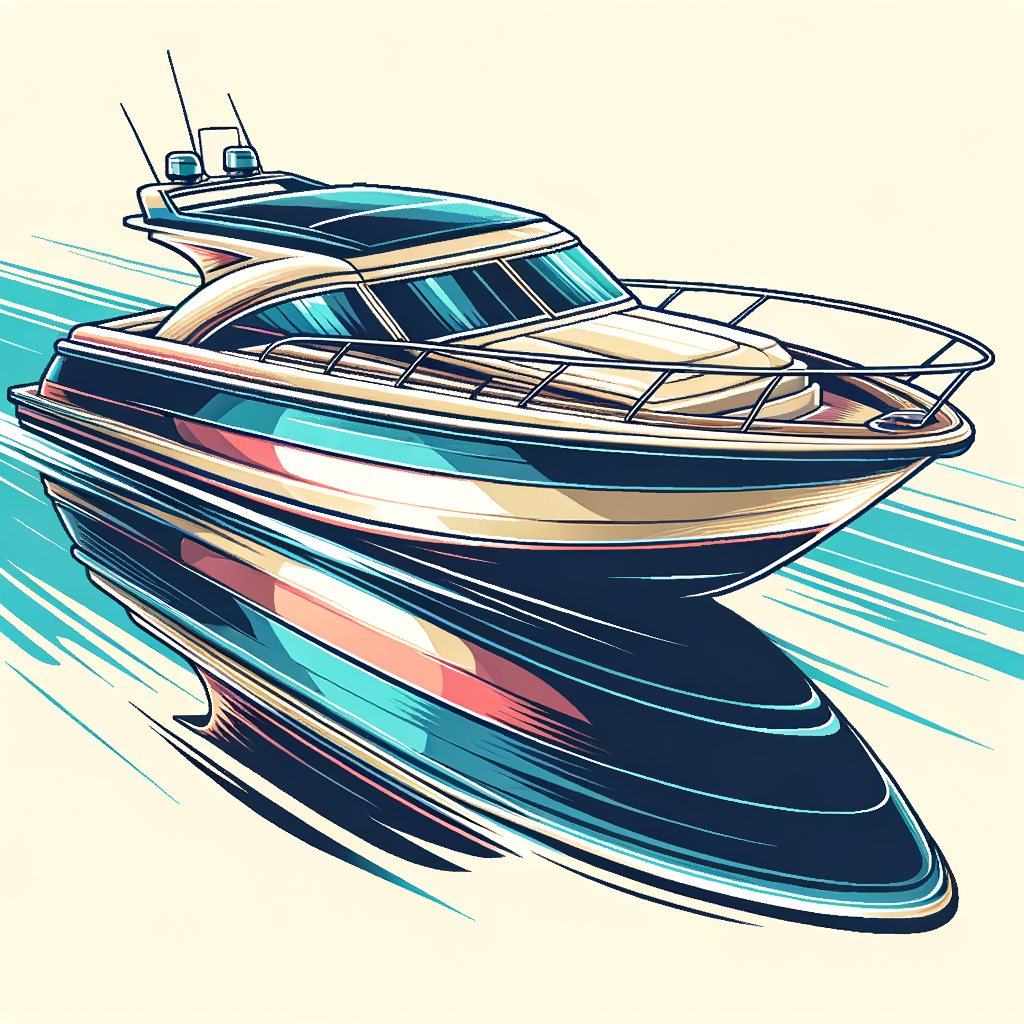
Motor yachts, on the other hand, are designed with a focus on power and modern luxury. They boast spacious up-deck areas, larger cabins, and are equipped with powerful engines. The design typically includes expansive decks for entertainment, sunbathing, and recreation, often featuring advanced amenities such as swimming pools and jacuzzis. The streamlined, often aggressive lines of a motor yacht speak to their purpose of speed and comfort, offering a contemporary aesthetic appeal that is favored by modern luxury seekers.
Propulsion and Power
The primary distinction between the two types of yachts lies in their mode of propulsion. Sailing yachts rely predominantly on wind power harnessed through sails, making them both an economically and environmentally efficient choice. This requires a degree of skill and understanding of sailing techniques, as the ability to read wind conditions and harness the power of the sails is crucial. However, most sailing yachts are equipped with auxiliary engines that provide additional power, particularly helpful in navigating harbors and when wind conditions are unfavorable.
Conversely, motor yachts rely entirely on engine power, allowing for a significantly broader range of speeds and ease of operation. This motorized propulsion system is often seen as a more straightforward and less labor-intensive option, as there is no requirement for sail handling or knowledge of sailing techniques. The power range can vary significantly, from relatively modest engines to high-performance machines capable of recording high speeds across the water. This makes them ideal for those seeking rapid travel between destinations or for navigating waterways where sailboats cannot maneuver effectively.
Speed and Performance
When it comes to speed, motor yachts are unparalleled. Their powerful engines facilitate fast travel, allowing owners to cover longer distances in a shorter timeframe—a valuable advantage for those looking to explore multiple destinations on a single trip. This speed and efficiency can be particularly beneficial for those with limited time to spend on the water or for ambitious itineraries across vast coastal regions.
In contrast, sailing yachts rely on favorable wind conditions, which can lead to more variable and slower speeds. They prioritize the experience of the journey over immediate arrival at a destination. Many sailing enthusiasts appreciate this aspect as it offers a more serene and relaxed boating experience, providing ample opportunity to connect with the elements and enjoy the art of seamanship. The thrill for many sailors is found more in the skill of traveling under sail rather than reaching high speeds.
Fuel Consumption and Environmental Impact
Sailing yachts have a clear advantage over motor yachts in terms of fuel consumption. By relying mostly on wind power, they significantly reduce fuel expenses, offering both an economical benefit and a smaller carbon footprint. This environmentally friendly aspect is a strong selling point for those conscious of their ecological impact and looking to minimize it while enjoying maritime adventures.
Motor yachts consume considerably more fuel owing to their engine reliance, which directly translates into a larger environmental impact. However, advancements in technology have led to more efficient engines and alternative fuel options aimed at reducing carbon emissions. Despite these advances, the difference in fuel consumption and environmental impact remains a significant consideration, particularly for long-distance or frequent voyages.
Onboard Experience and Comfort
The onboard experience of a yacht can vary significantly between sailing and motor yachts. Motor yachts typically offer more luxurious accommodations, akin to a floating five-star hotel. Their designs incorporate spacious staterooms, en suite bathrooms, and expansive salons, often with state-of-the-art entertainment systems and dedicated spaces for dining and relaxation. The increased space and power availability also allow for additional amenities such as air conditioning, watermakers, and stabilization systems that enhance comfort.
In contrast, sailing yachts provide a different type of onboard experience focused on functional simplicity and a closer connection to nature. Cabins are often more compact, prioritizing essentials and efficient use of space over luxury. However, the trade-off is a more authentic sailing experience that emphasizes outdoor living and interaction with the sea. The sense of adventure and self-reliance on a sailing yacht is unmatched, appealing to those who cherish simplicity, tradition, and the skill of seamanship.
Maintenance and Operational Complexity
Maintenance is a key consideration when choosing between a sailing yacht and a motor yacht. Sailing yachts are generally recognized for requiring ongoing maintenance of their sails, rigging, and hull integrity. Skilled labor is often needed to perform these tasks, which can make them more labor-intensive to maintain; however, the simplicity of their mechanical systems can result in fewer technical issues over time.
On the other hand, motor yachts require comprehensive engine maintenance and electronics upkeep. The complexity of these systems means regular professional servicing is often necessary, potentially leading to higher operational costs. However, advancements in technology have made many systems more reliable and efficient, offsetting some maintenance challenges. Proper upkeep is crucial for both types to ensure longevity and safety on the water.
Conclusion
When choosing between a sailing yacht and a motor yacht, prospective buyers need to consider their priorities and lifestyle. Sailing yachts offer timeless elegance, a closer connection to the sea, and an eco-friendly propulsion system that appeals to traditionalists and those appreciative of skill-based seamanship. They offer a slower, more deliberate experience, ideal for those who value the journey and connection with nature above the speed of arrival.
Conversely, motor yachts provide unparalleled speed, modern luxury, and ease of operation, making them the preferred choice for those seeking convenience and comfort on the water. Their ability to travel long distances quickly with luxurious facilities appeals to those who appreciate modern technology and efficiency. The choice is ultimately personal, determined by what you seek out of your maritime experience. Each type of yacht holds its own unique beauty and potential for adventure, ensuring there is a perfect vessel for every sailor’s dream.
In summary, both sailing yachts and motor yachts offer distinct experiences that appeal to different genres of maritime enthusiasts. Aligning your choice with your personal values, nautical skills, and desired lifestyle outcomes will ensure that your yacht not only meets your functional needs but also enhances your joy of sailing. Understanding these differences can guide you to the yacht that offers the ultimate maritime experience tailored to your sense of adventure and level of sophistication.
Frequently Asked Questions
1. What is the main difference between sailing yachts and motor yachts?
The primary distinction between sailing yachts and motor yachts lies in their mode of propulsion. Sailing yachts are propelled by sails and harness the power of the wind to navigate, requiring a certain level of skill to operate. They offer a sense of tranquility and connection with nature, often providing a more serene and eco-friendly experience. On the other hand, motor yachts rely on powerful engines that provide speed and efficiency, making them less dependent on weather conditions. They allow for more straightforward operation, allowing owners to reach destinations faster. Ultimately, the choice between the two comes down to personal preference, desired experience, and the purpose of use. A sailing yacht can be seen as a more traditional, adventurous choice, whereas a motor yacht offers convenience and luxury.
2. Are sailing yachts generally more cost-effective than motor yachts?
When considering the costs associated with owning a yacht, sailing yachts can be more cost-effective in the long run compared to motor yachts. Since sailing yachts use wind power, they tend to have lower fuel costs, which can translate into significant savings over time. Additionally, they often have fewer mechanical parts, which potentially reduces maintenance expenses. However, it’s essential to remember that sailing yachts can require a more significant initial investment due to the specialized equipment needed for sailing. On the other hand, motor yachts can be more expensive to operate because of fuel consumption and maintenance of their engines. Overall, while the operational costs might be lower for sailing yachts, the decision should align with what best suits your intended use and experience preferences.
3. Which type of yacht is better suited for longer journeys?
If you’re planning on embarking on extended journeys, both sailing yachts and motor yachts can serve you well, but each offers unique benefits. Sailing yachts, with their ability to rely on wind power, can travel long distances without the need for frequent refueling, as long as favorable wind conditions persist. Their self-sufficiency is particularly advantageous for long voyages across open waters. Motor yachts, while offering higher speed and the ability to maintain a direct course independently of changing wind directions, necessitate access to fuel stations more regularly. However, motor yachts might appeal to those who prefer speed and comfort journey aspects, as they can effortlessly cover greater distances in less time, assuming fuel availability is not a constraint.
4. What are the advantages and disadvantages of sailing yachts in terms of environmental impact?
Sailing yachts generally have a lower environmental impact compared to motor yachts primarily due to their reliance on wind power. With wind as their main propulsion, they produce fewer emissions, making them more eco-friendly and sustainable, thereby reducing their carbon footprint. This aligns well with an increasingly environmentally conscious society and allows owners to feel they are contributing to the preservation of marine environments. However, the disadvantage might be their dependency on wind conditions, which can limit mobility and schedule flexibility. Unfavorable weather can impede travel and require more careful planning and patience. Nevertheless, for many, the ecological benefits and the charm of a quieter, more organic experience on the water often outweigh these factors.
5. Which type of yacht tends to offer more luxurious amenities?
Motor yachts often have the upper hand when it comes to luxury and amenities. With their larger space and power, motor yachts offer expansive living areas that can accommodate lavish interiors, multiple bedrooms, entertainment systems, and other high-end amenities such as jacuzzis or helipads. They can be custom-designed to reflect personal tastes and incorporate luxurious comforts for entertaining or prolonged residence. Meanwhile, sailing yachts, while still offering elegance, tend to prioritize functionality and efficiency given their design purpose of sailing. They may have more intimate spaces and centralize around the experience of sailing itself rather than opulent amenities. Ultimately, if opulence and indulgence are a key factor in your decision, a motor yacht might often provide more to satisfy those desires.