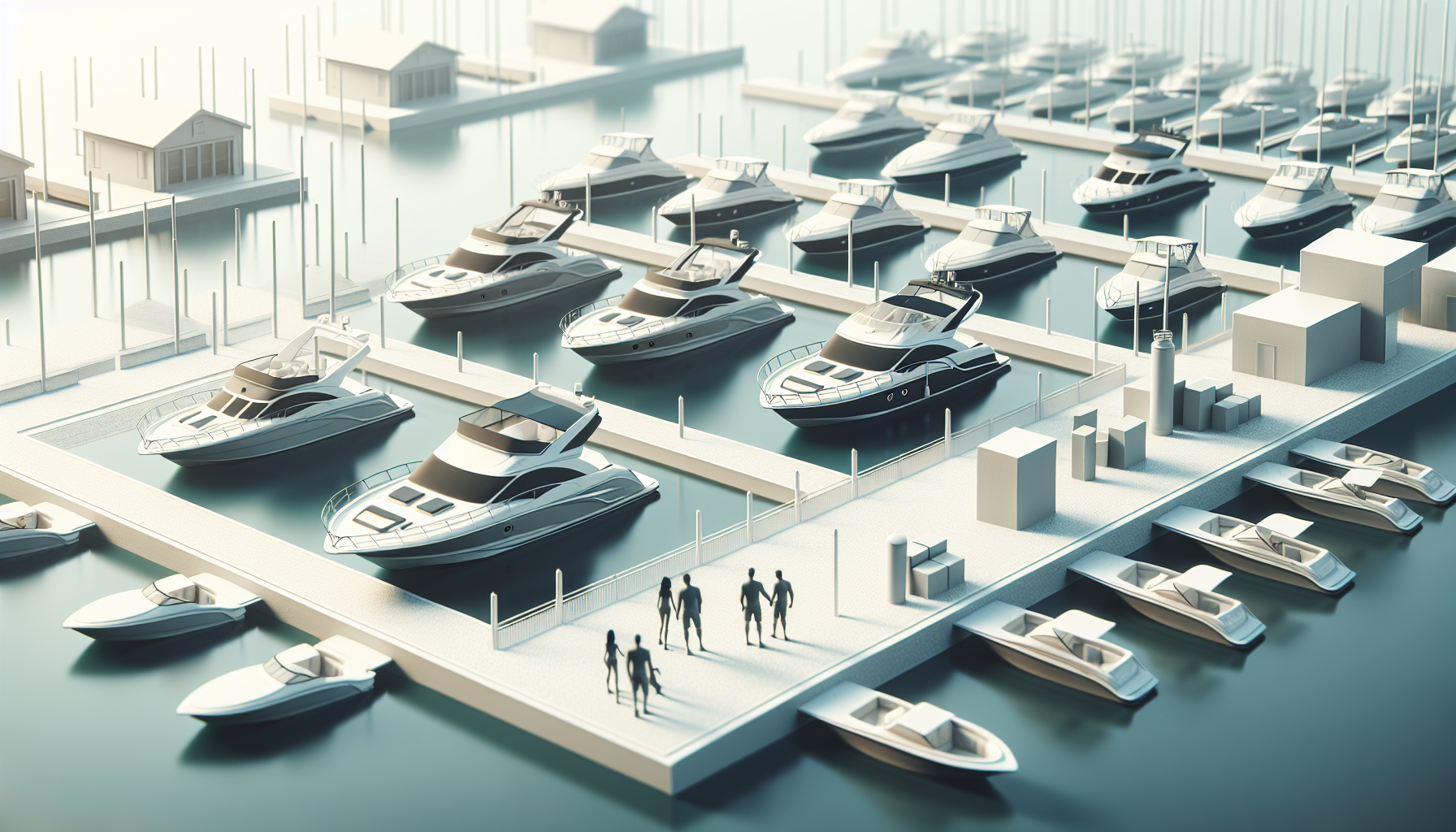
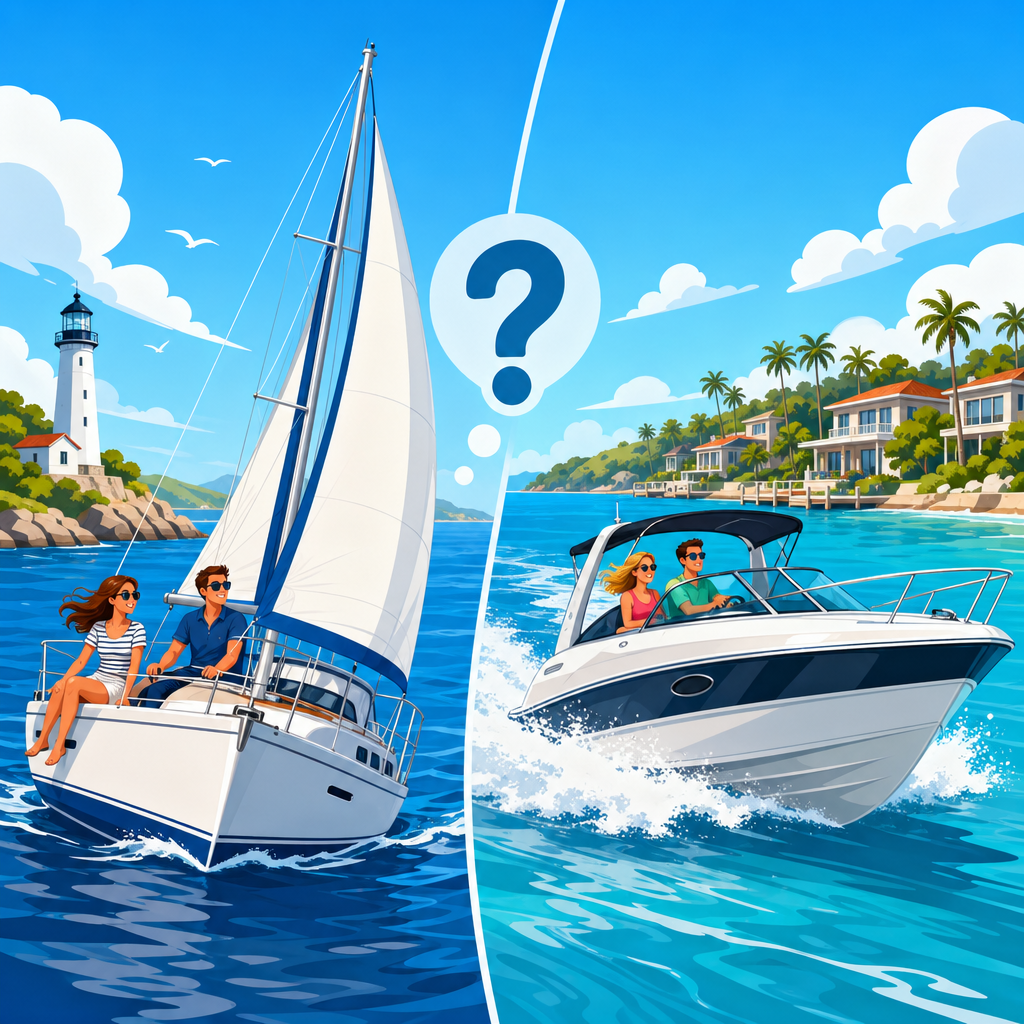
Choosing between a sailboat and a powerboat starts with understanding how you want to spend time on the water, because the right answer depends less on prestige or speed and more on habits, budget, destinations, and comfort expectations. In practical terms, a sailboat uses wind as its primary propulsion, usually supported by a small auxiliary engine, while a powerboat relies mainly on an inboard or outboard motor for movement. That single difference shapes nearly everything else: purchase price, fuel costs, maintenance routines, storage needs, learning curve, cruising range, and the feel of every trip.
I have spent years around both types, helping buyers compare models, inspecting used hulls, and watching owners either fall in love with their choice or trade out after one frustrating season. The pattern is consistent. People who buy based only on appearance, celebrity influence, or one great charter vacation often end up disappointed. People who buy based on real use cases tend to keep their boats longer and use them more often. That is why this sailboat vs. powerboat guide matters. It is not simply a lifestyle debate. It is a buying decision with major financial and practical consequences.
As a hub within boat comparison and buying guides, this article covers the main decision points that affect first-time buyers, experienced upgraders, coastal cruisers, anglers, and families planning weekends aboard. It explains the performance differences between sailboats and powerboats, compares ownership costs, outlines skill requirements, and highlights where each type shines. If you are asking, “Is a sailboat better than a powerboat for beginners?” or “Which boat is cheaper to own?” the answer depends on measurable tradeoffs. Understanding those tradeoffs before you shop helps you narrow the market, ask better questions, and choose a boat you will actually enjoy using.
How Sailboats and Powerboats Differ on the Water
The simplest comparison is this: sailboats reward patience and seamanship, while powerboats reward convenience and control. On a sailboat, speed depends heavily on wind angle, sail trim, hull design, displacement, and sea state. Most cruising sailboats move at moderate speeds, often in the 5 to 8 knot range, though performance designs can exceed that under the right conditions. On a powerboat, speed is immediate and predictable. Many recreational powerboats cruise comfortably between 20 and 35 knots, and some center consoles, sport boats, and express cruisers run much faster.
That speed difference changes trip planning. A destination that takes five hours in a sailboat may take one hour in a powerboat. For owners with limited weekend time, that matters. On the other hand, the journey itself is central to sailing. Many sailors value the quiet, the heel of the boat, the tactical decisions, and the reduced dependence on fuel docks. A powerboat is usually better for packing more activities into a day, including water sports, island hopping, fishing runs, and short-haul coastal cruising.
Handling also feels very different. Sailboats often track well and can be remarkably stable underway, but docking them in crosswinds can challenge beginners because of prop walk, higher topsides, and slower maneuvering response. Powerboats usually feel more intuitive at low speed, especially twin-engine models with joystick systems from brands such as Yamaha Helm Master EX, Mercury Joystick Piloting, and Volvo Penta IPS. These technologies lower the intimidation factor, although they add cost and electronic complexity.
Buying Costs, Fuel Use, and Long-Term Ownership Expense
If you are comparing boat ownership costs, do not stop at sticker price. Total cost of ownership includes financing, insurance, fuel, maintenance, haul-outs, marina fees, storage, upgrades, safety gear, and depreciation. In many real-world cases, sailboats cost less to fuel but not always less to maintain. Standing rigging, running rigging, sails, winches, chainplates, and mast inspections create their own expense structure. A powerboat may avoid sail-related costs but can consume large amounts of fuel, especially with twin or triple engines.
Fuel is where the biggest day-to-day difference appears. A 30- to 40-foot cruising sailboat using wind effectively may burn very little diesel in a season beyond docking, motoring through calms, or entering harbors. A similarly sized powerboat can burn dozens of gallons per hour at cruise, depending on hull type and engine package. When fuel prices rise, powerboat owners feel it immediately. For buyers planning long coastal passages or frequent use, this line item deserves careful math, not guesswork.
Maintenance patterns differ too. Sailboats often require periodic sail replacement, rig tuning, winch servicing, bottom paint, and moisture monitoring around deck hardware. Powerboats demand strict engine maintenance schedules, including oil changes, impellers, gear lube, filters, cooling system checks, and sometimes generator service. Outboards simplify some tasks; inboards and sterndrives introduce others. Neither category is cheap if neglected. In surveys from marine insurers and surveyors, deferred maintenance remains one of the leading reasons boats lose value quickly after purchase.
| Factor | Sailboat | Powerboat |
|---|---|---|
| Primary propulsion cost | Low fuel use, higher sail and rig expense | Higher fuel use, engine service is central |
| Typical cruising speed | Usually 5 to 8 knots for cruisers | Often 20 to 35 knots |
| Learning curve | Steeper; wind, trim, points of sail, docking | Faster initial learning for basic operation |
| Range and endurance | Excellent when wind cooperates | Limited by fuel capacity and burn rate |
| Best fit | Passage-making, quiet cruising, skill-focused owners | Day trips, fishing, watersports, speed and convenience |
Ease of Use, Training, and the Learning Curve for Beginners
A common question in boat comparison and buying guides is whether beginners should start with a sailboat or powerboat. The practical answer is that powerboats are usually easier to operate at a basic level, but sailboats can build stronger overall seamanship if you commit to learning properly. A new powerboat owner can often become comfortable with starting, stopping, trimming, docking, and basic navigation after a short orientation and several supervised outings. A sailboat owner must learn wind awareness, tacking, jibing, sail balance, reefing, right-of-way rules, and boat handling under both sail and engine.
That does not mean sailing is inaccessible. Structured instruction makes a major difference. Programs from organizations such as the American Sailing Association and US Sailing give beginners a pathway from daysailing to coastal cruising. On the power side, courses from the US Coast Guard Auxiliary and United States Power Squadrons cover navigation, safety, and rules of the road. In my experience, buyers who invest in formal instruction before purchase make better decisions because they discover what kind of boating they actually enjoy rather than what they imagine enjoying.
There is also a psychological difference. Powerboat ownership suits people who want spontaneous use with minimal setup. Turn the key, clear the dock, and go. Sailing asks more of you, but it often gives more back in involvement and satisfaction. If your favorite part of boating is mastering a craft, reading conditions, and improving technique, sailing can become deeply rewarding. If your favorite part is reaching a sandbar fast with friends, towing kids on a tube, or making an offshore fishing run at dawn, a powerboat is usually the better fit.
Comfort, Space, Overnighting, and Family Use
Comfort means different things on different hulls. Many monohull sailboats use interior volume efficiently because the beam carries into a cabin designed for longer stays. You often get a galley, enclosed head, settees, berths, and meaningful storage in a relatively modest length. A 35-foot cruising sailboat can feel like a compact floating apartment. By contrast, a 35-foot center console prioritizes cockpit space and fishability over cabin accommodations. A 35-foot express cruiser may offer more luxury but often at higher purchase and operating cost.
Motion comfort is equally important. Sailboats heel, which some people love and others dislike immediately. Underway, that angle is normal and often comfortable for experienced sailors, but families with young children or guests carrying drinks may prefer the flatter ride of a powerboat in calm conditions. In chop, however, a displacement or semi-displacement sailboat can feel gentler than a light planing hull being driven fast. Sea trial conditions matter. A boat that feels perfect on a flat demo day may feel exhausting in real afternoon wind and boat wake.
For overnighting, think through sleeping arrangements, ventilation, refrigeration, battery capacity, water storage, and headroom. If your boating plans involve quiet anchorages, weeklong coastal trips, or liveaboard aspirations, many cruising sailboats deliver excellent value per foot. If your plans focus on day boating with occasional marina nights, a bowrider, pilothouse, express cruiser, trawler, or sport yacht may make more sense. Families should also consider deck safety. High lifelines, deep cockpits, non-skid surfaces, and secure handholds matter more than upholstery color or stereo wattage.
Best Use Cases: Fishing, Cruising, Watersports, and Long-Distance Travel
Use case should drive your decision more than brand loyalty. For fishing, powerboats dominate. Center consoles, walkarounds, and sportfishing boats offer speed to the grounds, space for tackle, multiple livewells, rod storage, and the ability to reposition quickly. Sailboats can fish casually, but they are rarely the best tool for serious inshore or offshore angling. For watersports such as wakeboarding, tubing, and waterskiing, powerboats are the clear choice because they create controlled tow speeds and easy rider pickup.
For coastal cruising and long-distance travel, the answer is more nuanced. Sailboats shine in passagemaking, especially for owners who value range, fuel independence, and the experience of bluewater travel. That is why many circumnavigation and transoceanic voyages happen under sail. A well-found cruising sailboat from builders such as Hallberg-Rassy, Beneteau, Jeanneau, or Catalina can cover impressive distances economically. Powerboats can also cruise far, particularly trawlers and expedition yachts, but fuel planning becomes central. Brands like Nordhavn and Grand Banks have built strong reputations around efficient passagemaking under power, yet those boats operate in a very different budget class from entry-level family runabouts.
For day cruising with mixed groups, powerboats usually win because they simplify logistics. Guests arrive, sit comfortably, and understand the experience immediately. There is no need to explain boom clearance, winch handling, or why the boat is taking a longer route to reach a point upwind. In boat buying consultations, I often ask one question that cuts through the noise: what will this boat do on an ordinary Saturday? The honest answer usually points clearly to one category.
How to Choose the Right Boat for Your Budget and Lifestyle
The best way to decide between a sailboat and a powerboat is to evaluate five factors in order: intended use, boating location, ownership budget, crew skill, and time available. Intended use comes first because it eliminates poor fits quickly. Boating location matters because tidal current, shallow draft areas, fuel availability, prevailing wind, bridge clearance, and marina access can favor one type. Budget should include a reserve for first-year fixes, which on used boats is rarely optional. Crew skill determines how demanding a boat will feel. Time available may be the most overlooked factor of all.
When I help buyers narrow options, I recommend sea trials on both types within the same general size range. Then review survey findings, annual maintenance schedules, and realistic fuel assumptions. Ask yourself whether you enjoy the process of boating or mainly the destinations. If you want serenity, skill, and lower fuel burn, a sailboat is often right for you. If you want speed, flexibility, easier guest experiences, and activity-focused days, a powerboat is usually the smarter buy.
The most successful boat owners choose with discipline. They ignore marketing fantasy, match the boat to actual use, and budget for care from day one. As the hub for boat comparison and buying guides, this article gives you the framework to move forward confidently. Next, shortlist the kind of boating you want most, compare models in person, and schedule sea trials before making an offer. The right boat is the one you will use often, maintain properly, and enjoy for years.
Frequently Asked Questions
Is a sailboat or a powerboat better for beginners?
Neither is universally better for every beginner, because the better choice depends on what kind of learning curve you are willing to accept and how you plan to use the boat. A powerboat is often easier for first-time owners to operate at a basic level because the controls are more straightforward: start the engine, shift into gear, steer, and manage speed with the throttle. That simplicity can make powerboats feel more approachable for short outings, watersports, fishing trips, and day cruising. A sailboat, on the other hand, asks you to learn wind direction, sail trim, points of sail, balance, and docking with more momentum considerations. It can take longer to feel confident, but many owners find the learning process deeply rewarding and enjoy the quieter, more hands-on experience.
For a beginner who values convenience, quick departures, and predictable handling, a powerboat may be the easier entry point. For a beginner who enjoys seamanship, skill-building, and a slower connection to the water, a sailboat can be an excellent choice. In either case, training matters more than boat type. A quality boating course, time with an experienced captain, and realistic expectations about docking, weather, maintenance, and navigation will have a bigger impact on your success than whether the boat has sails or a larger engine. The smartest beginner choice is usually the boat that matches your patience, intended use, and willingness to learn.
Which is more affordable to own: a sailboat or a powerboat?
Ownership cost is one of the biggest factors in the sailboat versus powerboat decision, and the answer is more nuanced than many buyers expect. In general, sailboats can be less expensive to operate over time because they use wind as their primary source of propulsion, which reduces fuel consumption significantly. If you plan to spend long days cruising at moderate pace, that can translate into meaningful savings. However, sailboats also come with their own maintenance categories, including sails, rigging, winches, mast inspections, and specialized hardware. Those items may not need constant replacement, but when they do, the costs can be substantial.
Powerboats usually cost more to run because fuel use is much higher, especially with larger engines or faster cruising habits. Engine maintenance is also a central part of ownership, whether the boat has an outboard, sterndrive, or inboard setup. That means budgeting for oil changes, impellers, filters, cooling system service, and potential major repairs. Storage, insurance, dockage, winterization, electronics, and hull maintenance apply to both types, though exact costs vary by boat size and location. If you are comparing affordability, look beyond the purchase price. A modestly priced powerboat that burns a lot of fuel may be more expensive in the long run than a sailboat with higher initial complexity. The most accurate answer comes from estimating your actual usage: how often you will go out, how far you will travel, where you will keep the boat, and whether speed or efficiency matters more to you.
What kind of boating experience does a sailboat offer compared to a powerboat?
The experience on the water is often the deciding factor, because sailboats and powerboats create very different lifestyles. A sailboat typically offers a quieter, more deliberate, and more immersive form of boating. When the sails are drawing well and the engine is off, the sense of motion feels smooth and intentional, and many owners love the peacefulness that comes from traveling with the wind. Sailing also tends to make the journey part of the destination. You pay attention to weather, trim, balance, and route planning in a way that feels active and engaging rather than purely transport-focused.
A powerboat offers greater immediacy. You can usually get where you want to go faster, keep to a tighter schedule, and cover more water in a shorter window of time. That makes powerboats especially attractive for owners who enjoy day trips, island hopping, tow sports, fishing runs, entertaining, or simply maximizing limited weekend hours. The tradeoff is that the ride is often louder, fuel use is higher, and the experience can be more about arrival than process. Comfort also varies by design. Some powerboats provide expansive seating, enclosed cabins, and easy social layouts, while many sailboats prioritize cockpit function, storage, and offshore practicality. If you picture yourself savoring the motion of the water and enjoying the skill of travel itself, a sailboat may feel right. If you picture spontaneous outings, faster cruising, and flexibility with time, a powerboat may be the better fit.
Is a sailboat or a powerboat better for cruising, overnight trips, and longer adventures?
Both can be excellent for cruising and overnight use, but they serve different priorities. Sailboats are often favored for longer-range cruising by people who appreciate efficiency, self-sufficiency, and a slower travel rhythm. Because they can rely heavily on wind, sailboats may be attractive for extended coastal cruising or even passagemaking where fuel economy matters. Many cruising sailboats are designed with practical cabins, galleys, berths, and storage for life aboard, which makes them well suited for owners who want to spend multiple days or weeks on the water. They also tend to handle rougher offshore conditions with a motion and hull shape intended for more sustained travel.
Powerboats are highly appealing for cruising if your priorities are speed, schedule control, and access to destinations without depending on wind conditions. You can leave later, arrive sooner, and often make better use of short vacations or quick weekend escapes. For inland cruising, coastal weekends, and trips where marinas and fuel stops are readily available, a powerboat can be incredibly practical. Cabin cruisers and trawlers in particular can offer comfortable overnight accommodations, generous amenities, and easy operation. The main limitation is range and operating cost, especially for faster planing boats. If your idea of adventure includes making miles efficiently and enjoying the process of travel under sail, a sailboat may be ideal. If your goal is to visit more places in less time with minimal weather dependence, a powerboat often wins.
How should I decide between a sailboat and a powerboat for my lifestyle?
The best way to decide is to match the boat to your real habits, not your aspirational image. Start by asking how you will actually use it. If most of your outings will be short day trips with family and friends, if you want simple operation, and if you prefer getting from one destination to another quickly, a powerboat is probably the more natural fit. If you enjoy learning technical skills, do not mind a slower pace, and want the boating experience itself to feel more interactive and peaceful, a sailboat may align better with your goals. Think honestly about who will be aboard, how patient they are, how much comfort they expect, and whether they value speed or serenity.
You should also weigh budget, local conditions, and available time. Windy areas with active sailing communities can make sailboat ownership more enjoyable and practical. Regions built around sandbars, quick hops, fishing, and watersports often favor powerboats. Consider docking and storage costs, fuel prices, maintenance access, and whether you want to trailer the boat or keep it in a slip. Just as important, think about how much time you have. Sailboats often reward longer, less rushed outings, while powerboats are great for shorter windows. Before buying, charter both types if possible or spend a day aboard each with an experienced owner. A few hours of real-world use can make the choice much clearer than weeks of online research. Ultimately, the right boat is the one that you will use often, enjoy confidently, and can afford to own without regret.