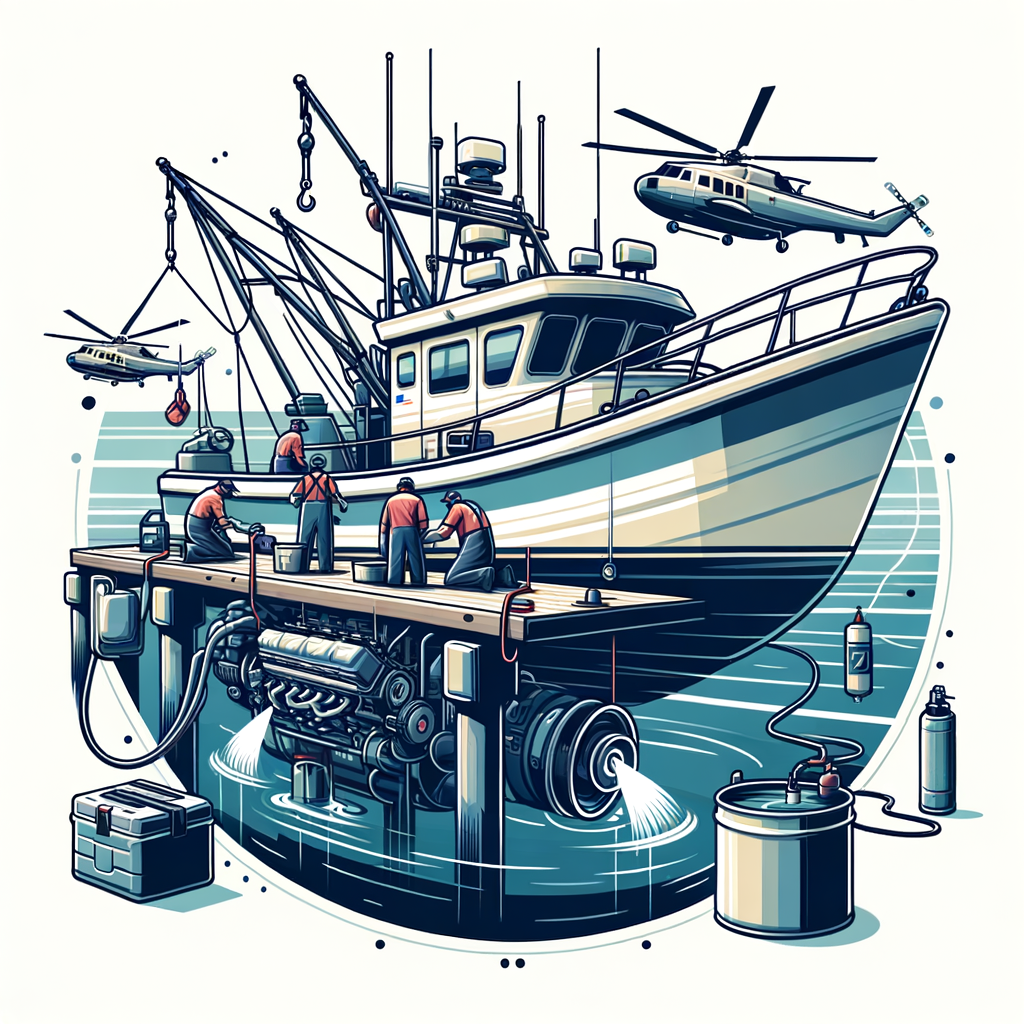
For those blessed with a houseboat, the freedom of cruising along the serene waterways can be sheer bliss. However, when the cold season looms, it becomes crucial to shield your floating home from the harsh inclemency of winter. In climates where temperatures plummet, winterizing your houseboat isn’t just a matter of comfort but a necessity to preserve its structural integrity and value.
Winterization refers to the preventive measures taken to protect your houseboat against the adverse effects of dropping temperatures, ice, and snow. This process involves preparing the engine, plumbing, and various systems within the boat to withstand cold temperatures without damage. Failing to winterize could result in cracked pipes, engine troubles, and even structural damage to the boat, leading to costly repairs and a ruined boating experience.
The importance of winterizing a houseboat cannot be overemphasized. The harsh elements can be unforgiving, and neglecting your houseboat during the winter months could result in damage that is as costly as it is inevitable. Thankfully, with a proactive approach and some effort, you can ensure your houseboat remains in excellent condition and ready for when the waterway calls again in the spring.
Assess and Protect Your Engine
The heart of your houseboat is its engine, which requires special attention before the onset of winter. Cold weather can wreak havoc on an engine not properly prepared for the freeze. A prudent first step is to perform a complete inspection, checking for any signs of wear or existing issues that could be exacerbated by cold temperatures.
For instance, if you’re enjoying the warmth of a Georgian autumn and foresee typical London-style snowy winters, you’ll need to take action for winterization:
- Flush the engine with fresh water to remove any salt, gravel, or debris.
- Drain the coolant and replace it with antifreeze specifically designed for marine engines.
- Inspect the fuel system, change filters, and top off the tank with a fuel stabilizer to prevent condensation and freezing.
An experienced houseboater once reported saving considerable maintenance costs by religiously following these steps for their diesel engine each winter. Such precautions will ensure that when you spark the engine back to life in spring, it runs smoothly, and there are no lingering winter effects.
Drain and Winterize Plumbing Systems
Plumbing systems on houseboats are especially vulnerable during cold weather. Without proper winterization, you risk bursting pipes or a malfunctioning system, both of which could dampen your upcoming boating season financially and logistically.
Here’s a simple plan to winterize the plumbing system:
- Step 1: Drain all water from the tanks and pipes. Use a bilge pump or manual pump if necessary.
- Step 2: Add antifreeze to the system. Use non-toxic antifreeze suitable for potable water systems.
- Step 3: Open all faucets and valves. Opening them allows any remaining water to expand harmlessly as it freezes.
When in doubt, consult the owner’s manual specific to your houseboat model, as it may offer additional guidance tailored towards unique plumbing configurations. An owner from the northern Minnesota lakes region avoided significant pipe repair costs following a particularly extreme winter by following these steps exactly.
Secure the Interior
Alongside mechanical preparations, the interior of your houseboat deserves just as much attention. Winterizing the living spaces can prevent damage to your upholstery, electronics, and other personal belongings. Remember, moisture is the primary enemy here.
Moisture Control
Condensation can build rapidly within an unattended houseboat, leading to mildew and mold problems. To mitigate this risk, consider these steps:
- Use a dehumidifier or moisture-absorbing materials such as silica gel packs to keep the air dry.
- Ensure proper ventilation by slightly opening windows, hatches, or vents to facilitate air circulation.
- Cover furniture with breathable fabric to protect against dust and moisture.
One houseboat owner from Seattle shared their strategy of using a combination of commercial moisture absorbers and homemade rice-based moisture traps, vastly extending the life of their upholstery and keeping interiors smelling fresh.
Monitor and Maintain Exterior Integrity
The external parts of your houseboat are constantly exposed to the elements, making them particularly susceptible in winter. As with any structure, the houseboat’s hull, decking, and fixtures need safeguarding to ensure longevity.
Examine and Protect the Hull
The hull is the foundation of your houseboat. Check for any damage or signs of wear and address these before cold weather hits:
- Inspect for cracks and apply marine-grade sealant where needed.
- Wax and buff to add a layer of protection against ice and harsh winter conditions.
Consider following the example of boaters from the harbor towns of New England, who apply a special polymer coating that repels ice formation.
Deck and Fixture Security
Secure loose items on deck and stow away anything that ice could affect. Cover essential fixtures like navigation equipment and ensure all seals around windows and doors remain tight.
| Component | Winterization Step |
|---|---|
| Deck Furniture | Cover or store in a dry location |
| Navigation Lights | Check seals and cover with protective material |
| Ventilation Ports | Ensure screens are intact, and closures are functional |
Protective covers benefit various parts of a houseboat. A houseboat owner on the Baltic coast struggled with frozen deck treads but found a notable decrease in spring maintenance after investing in quality coverings.
Incorporate Professional Assistance
While many choose to winterize their houseboats independently, turning to professionals can offer peace of mind, particularly for those newer to boat ownership. Additionally, some tasks, such as comprehensive mechanical inspections or advanced plumbing fixes, may exceed a typical boater’s expertise.
Last winter, a couple inexperienced with marine maintenance hired help from their local marina on the Great Lakes. As a result, they avoided issues that many novice owners faced, allowing a seamless transition back to enjoying the waters come spring.
By relying on local marinas, boat maintenance companies, or professional boat caretakers, you tap into seasoned establishments well-versed in maritime climate challenges. They ensure all corners and components are properly attended to, and that your floating home weathers the cold without incident.
Conclusion and Call to Action
Winterizing your houseboat for cold climates is an essential and worthwhile effort. With meticulous attention to your boat’s mechanics, plumbing, interior, and exterior components, you protect it from the perils of icy conditions, preserving its value and functionality.
Take proactive steps to prepare for the winter months by educating yourself about your boat and creating a detailed winterization checklist. Whether tackling the process yourself or relying on professional help, the protection rendered becomes evident when the thaw of spring arrives. Specifically, this preparation guarantees cost savings and using your boat seamlessly with the least amount of repair work required.
Winter waits for no boater, so heed these recommended actions. Address your houseboat’s winter needs today and ensure that come springtime, the waterways proposition the same joy and peace that makes every boating session memorable. Weather the winter wisely and greet next season’s buoyant hearts afloat with readiness and protected grace.
Frequently Asked Questions
1. What does it mean to winterize a houseboat, and why is it necessary?
Winterizing a houseboat involves taking various preventive actions to ensure that it remains safe, secure, and functional throughout the winter months, when temperatures can drop dramatically. The process is necessary not only for comfort but also to preserve the houseboat’s structural integrity and long-term value. Without proper winterization, your houseboat could suffer from various issues such as plumbing burst due to freezing water, engine damage, mold growth from trapped moisture, and other costly repairs. A well-maintained houseboat through winter ensures you can hit the waterways with ease once the warm season returns.
2. What are the most important steps to take when winterizing a houseboat?
The key steps in winterizing a houseboat involve both interior and exterior preparations. Firstly, consider draining and adding antifreeze to the plumbing system to prevent freeze damage. Secondly, ensure that the engine and fuel systems are winterized, by adding stabilizer to the fuel and changing the oil. Additionally, remove any electronics that could be damaged by cold and moisture, and ventilate the interior to prevent mold growth. Finally, protect the exterior by securing the hull and covering the boat with a tarp to keep snow and ice at bay. Each step helps in avoiding costly repairs once spring arrives.
3. How can I protect the plumbing system on my houseboat during the winter?
The plumbing system is particularly vulnerable to freezing temperatures, as water trapped inside can expand and cause pipes to burst. Start by draining all water tanks, lines, and heaters completely. Once drained, use environmental-friendly antifreeze specifically designed for marine or RV applications to fill the spaces in pipes and tanks. Run the antifreeze through all faucets and spigots. By doing so, any remaining water won’t freeze and cause damage. Check all gaskets and seals to ensure there are no leaks through which cold air may enter.
4. Should I cover my houseboat during the winter, and what’s the best way to do it?
Covering your houseboat is an excellent way to protect it from harsh winter weather, including snow, ice, and wind. The best way to cover the boat is with a custom-fit tarp or a shrink-wrap, which offers a snug and secure fit. These materials keep the boat’s interior dry and prevent snow from accumulating and causing potential structural stress. When covering the boat, ensure good ventilation to prevent mold and mildew—they thrive in moisture-heavy environments, which can be common in poorly vented, covered spaces. It’s best to use desiccant products inside to absorb any residual moisture.
5. How do I maintain my houseboat’s engine and fuel systems during winter?
Maintaining your houseboat’s engine and fuel systems during winter is crucial to ensuring that it fires up smoothly when you’re ready to set sail again. Begin by changing the engine oil and filter, as old oil can become a problem when mixed with condensation. Add stabilizer to the fuel tank, which prevents the fuel from breaking down and causing corrosion in the lines. It is also advisable to run the engine for a bit to circulate the stabilizer through the system. While you’re at it, check and fill other essential fluids such as antifreeze, and make sure battery terminals are cleaned and disconnected to prevent drainage during inactivity. A well-maintained engine signifies peace of mind, particularly after harsh winter months.