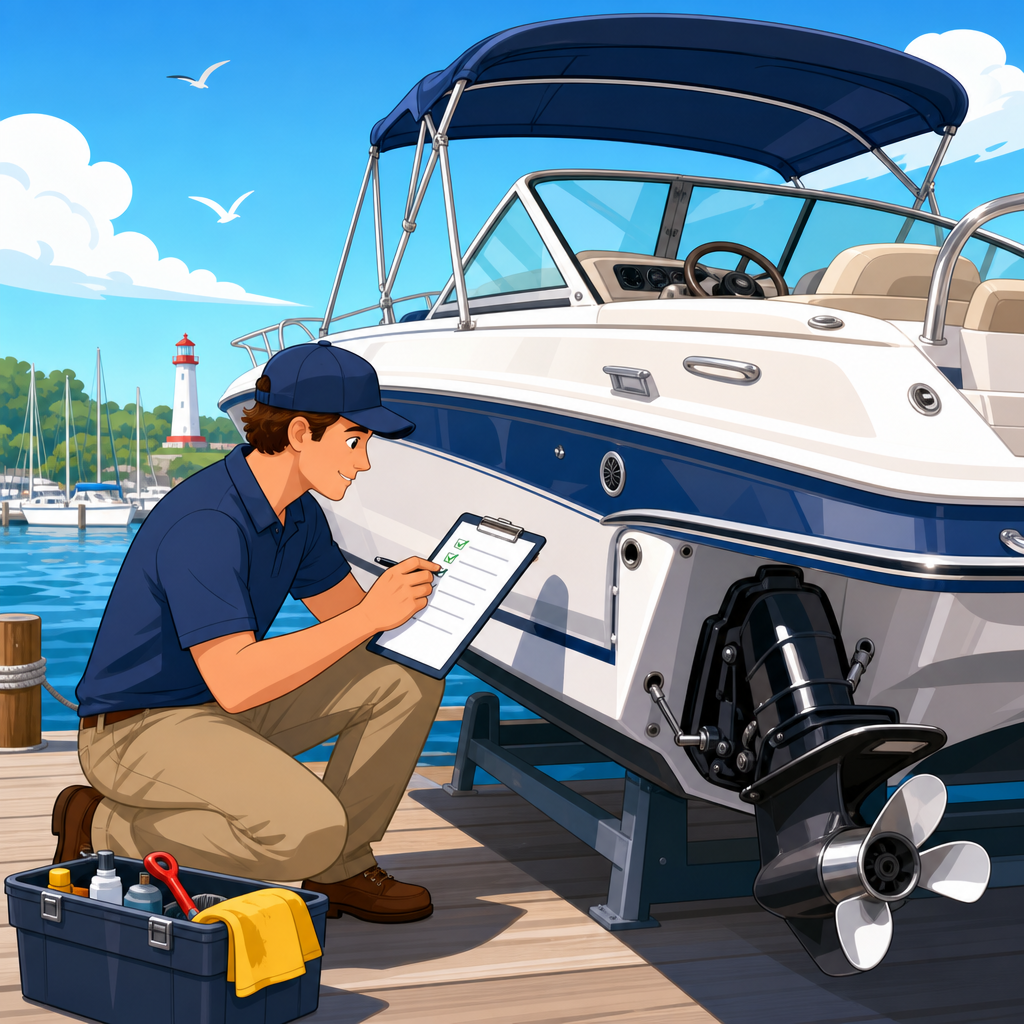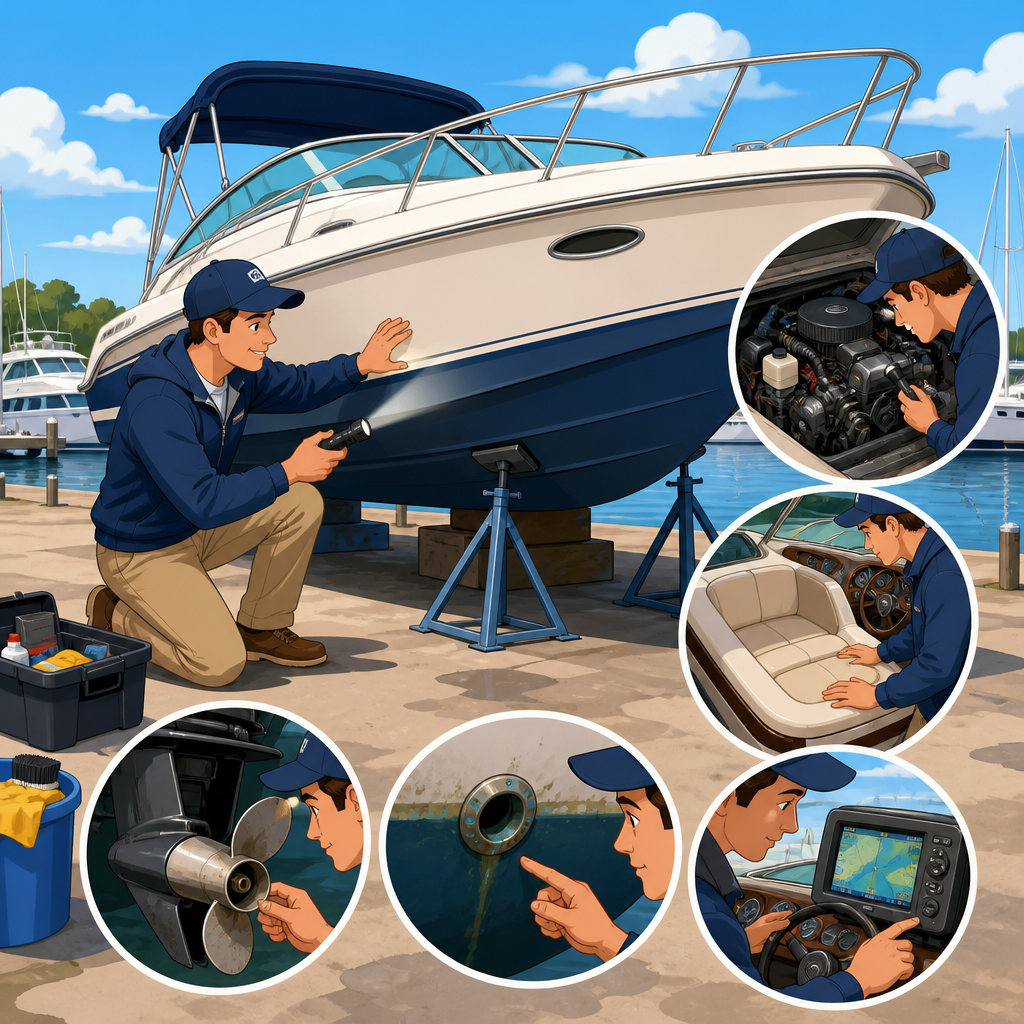
Buying a used boat can save substantial money, but only if you inspect it with the same discipline a marine surveyor, mechanic, and experienced skipper would bring to the dock. In the years I have spent evaluating brokerage listings, helping first-time owners avoid expensive mistakes, and preparing boats for resale, the pattern has stayed consistent: cosmetic flaws rarely sink a deal, while hidden structural damage, neglected maintenance, and poor fit for your intended use destroy value fast. A proper used boat inspection is not just about finding defects. It is about confirming condition, understanding total ownership cost, and deciding whether a used boat is a better choice than a new one for your needs.
When buyers ask how to inspect a used boat before buying, they are usually asking three questions at once. First, is the boat safe and mechanically sound? Second, is the asking price fair relative to age, equipment, hours, and market demand? Third, would buying new make more sense once warranties, financing, and future repairs are considered? That is why this guide also serves as a hub for the broader decision of new vs. used boats: what to consider before committing. A new boat offers predictable condition, factory support, and the latest electronics, but it also comes with immediate depreciation and a higher purchase price. A used boat often delivers more length, more power, and more features for the same budget, but it transfers inspection risk to the buyer.
Several key terms matter before you start. A pre-purchase inspection is your structured evaluation before making a final offer or closing. A marine survey is an independent condition and valuation report prepared by a qualified surveyor; lenders and insurers often require it. A sea trial is an on-water test that confirms how the hull, engine, steering, electronics, and systems perform under load. Service records include engine maintenance logs, winterization receipts, haul-out notes, and repair invoices. Together, these pieces create the evidence you need to judge condition rather than relying on seller claims.
This matters because boats age differently than cars. Sun, salt, freshwater exposure, vibration, electrolysis, freeze damage, and deferred maintenance can create expensive problems that are not obvious from photos. A ten-year-old center console that has been dry stored, flushed after every use, and serviced on schedule may be a better buy than a three-year-old runabout left in the water with no records. The goal is not to find a perfect boat. The goal is to inspect methodically enough that you know what you are buying, what it will cost to own, and whether used truly beats new in your situation.
Start with fit, budget, and the new-versus-used decision
Before touching the boat, define how you will use it. Fishing offshore, pulling skiers on a lake, family day cruising, overnighting, and trailerable weekend use each require different hull designs, horsepower, storage, draft, and weather protection. I have seen buyers focus on upholstery and electronics while ignoring that the boat was simply wrong for their water and crew size. Inspection starts with fit because the cheapest mistake to avoid is buying the wrong type of boat.
Now compare new vs. used in practical terms. New boats generally offer warranties on the hull, engine, and accessories; cleaner service history; and updated safety and navigation systems. Used boats usually provide lower upfront pricing and slower depreciation after the first owner absorbs the biggest value drop. According to common marine market patterns, a new boat often loses meaningful value in its first few years, while a well-kept used model may hold value more steadily if demand is strong. However, lower sticker price does not always mean lower cost. Used boats can require immediate spending on batteries, tires, pumps, bellows, canvas, bottom paint, or electronics replacement.
A disciplined budget includes purchase price, survey, haul-out, registration, taxes, insurance, moorage or storage, fuel, routine service, and a reserve for first-year surprises. If your budget is tight enough that one major repair would force you to stop using the boat, buying new with warranty coverage may be safer. If you are comfortable managing maintenance and can evaluate condition carefully, used may unlock more boat for the same money.
Inspect paperwork before inspecting fiberglass
Documentation often reveals more than a walkaround. Confirm the title or registration status, hull identification number, engine serial numbers, and ownership chain. Match the HIN on the transom to the paperwork exactly. Ask whether there are liens from lenders, marinas, or repair yards. If the seller hesitates on ownership documents, treat that as a serious warning sign.
Service records are the next filter. For outboards, look for annual service, water pump replacement intervals, gear lube changes, thermostat work, and any fault-code printouts from dealer diagnostics. For sterndrives and inboards, look for manifold and riser service, bellows replacement, gimbal bearing work, transmission service, and winterization records. For diesel boats, confirm cooling-system maintenance, oil analysis if available, and documented hourly service. A stack of organized invoices usually signals an owner who maintained the boat proactively.
Also ask where the boat lived. Freshwater boats generally face less corrosion than saltwater boats, though freshwater neglect can still be severe. Was it stored indoors, on a trailer, high and dry, or in the water year-round? Was it damaged in a storm, submerged, or repaired after grounding? Honest sellers usually disclose repairs and provide invoices. Hidden history tends to surface later through mismatched gelcoat, uneven stringer repairs, or inconsistent moisture readings during survey.
Examine the hull, deck, and structure carefully
Walk the hull slowly from bow to stern in good light. Look for stress cracks around cleats, T-tops, transom corners, motor mounts, chines, and through-hull fittings. Not every crack is structural; many are minor gelcoat crazing. The key is pattern and location. Cracks radiating from high-load areas can indicate flexing, impact, or poor repair work. Sight down the hull sides for waves, repairs, or color mismatch that may suggest previous collision damage.
Check the bottom for blisters, gouges, keel damage, and poor patchwork. Osmotic blistering varies in severity, but widespread blistering on older fiberglass hulls can point to costly remediation. Tap around suspect areas if you know what delamination sounds like, but do not substitute your ear for a surveyor’s moisture meter and percussion testing. On cored decks and transoms, soft spots are a major concern. Walk every section of the deck, especially near hatches, leaning posts, pedestal seats, and windlass mounts. Spongy feel underfoot often means moisture intrusion into the core.
The transom deserves special attention. Trim the outboard or outdrives and watch for flex while applying gentle pressure. Look inside lockers and bilge compartments for staining, old repairs, or water intrusion around bolts. Rotten transoms can turn an attractive listing into an uneconomical project very quickly. Inspect rails, cleats, hinges, and hardware bedding as well. Loose hardware may seem minor, but it often signals long-term water entry into coring materials.
Check propulsion, fuel, and onboard systems
Engines decide whether a used boat becomes a pleasure or a repair platform. Start with the basics: verify engine hours, but do not rely on hours alone. A low-hour engine that sat unused for years can be riskier than a higher-hour engine maintained on schedule. Inspect for oil leaks, corrosion, salt deposits, cracked hoses, fuel odors, loose wiring, and improvised repairs. Batteries should be secured properly with clean terminals and marine-grade cabling. Wiring should be supported, labeled, and fused correctly, not twisted together with household connectors.
Fuel systems must be inspected for age, leaks, and compliance. Check hoses for cracking and date markings, inspect primer bulbs and clamps, and look at the fuel-water separator. On older boats, aluminum fuel tanks hidden under decks can corrode from trapped moisture. Bilge odor matters here: a stale bilge smell is common; raw fuel smell is not. Steering should move smoothly lock to lock without binding or hydraulic leaks. Trim tabs, pumps, bilge pumps, blowers, freshwater systems, macerators, and livewells should all be tested individually.
| Inspection Area | What to Check | Why It Matters |
|---|---|---|
| Outboard or inboard engine | Hours, compression, leaks, corrosion, service history | Determines reliability and major repair risk |
| Fuel system | Hoses, tank condition, separators, odor, leaks | Critical for safety and operating cost |
| Electrical system | Batteries, charger, switches, wiring quality, electronics | Poor wiring causes failures and fire risk |
| Hull and deck | Cracks, soft spots, blisters, transom flex, repairs | Structural issues are expensive to fix |
| Trailer | Frame rust, brakes, tires, bearings, lights, VIN | Essential for transport and often undervalued |
Electronics should be powered up and tested, not merely photographed. Confirm the chartplotter acquires position, sonar reads depth, VHF transmits, navigation lights work, and horn functions. If the boat includes radar, autopilot, or multifunction displays, verify software support and replacement cost. Electronics age faster than hulls. A “fully loaded” ten-year-old helm may still require expensive upgrades.
Inspect the trailer, interior, and signs of ownership quality
If the boat comes with a trailer, inspect it as carefully as the hull. Trailer neglect is common and expensive. Look for rust, especially on steel frames, spring hangers, crossmembers, brake lines, and coupler components. Spin the wheels if possible, inspect tire sidewalls for age cracking, and ask when bearings, brakes, and lights were last serviced. Bunks and rollers should support the hull properly. A bad trailer can distort storage habits, delay repairs, and add immediate replacement cost that changes the value equation.
Inside the boat, open every hatch, locker, and compartment. Water pooling where it should not be, mold, rotten wood backing, and corroded fasteners indicate carelessness. Upholstery condition tells part of the story, but hidden areas tell more. I pay close attention to the bilge, because it is the owner’s report card. A clean, dry bilge with orderly hoses and wiring usually comes from a methodical owner. A dirty bilge with oil residue, standing water, and disconnected pumps often means other maintenance has been skipped too.
Canvas, isinglass, cushions, headliners, and cabin joinery affect comfort and resale value. On cruising boats, test shore power, air conditioning, stove systems, refrigerators, heads, and freshwater pumps. Small defects across many systems can collectively turn a “good deal” into a high-cost catch-up project. This is where the used vs. new comparison becomes real: new boats rarely need broad reconditioning, while older used boats often need several medium-size fixes at once.
Never skip a sea trial and professional survey
A sea trial is where many hidden issues appear. Start the engine cold if possible. Hard starting, excessive smoke, alarms, rough idle, charging issues, or weak water flow at startup are important clues. Underway, note time to plane, wide-open-throttle RPM versus manufacturer range, oil pressure, temperature stability, steering response, vibration, and trim-tab function. The boat should track predictably, turn cleanly, and perform without unusual noises. Electronics should remain powered and readable. Reverse operation, docking response, and bilge activity after running also matter.
Then hire a qualified marine surveyor and, when appropriate, an engine technician for brand-specific diagnostics. Surveyors follow recognized practices and can identify moisture intrusion, structural concerns, improper repairs, and safety deficiencies you may miss. Engine technicians can pull ECU data, read fault histories, perform compression checks, and inspect systems unique to Yamaha, Mercury, Suzuki, Volvo Penta, MerCruiser, or Yanmar platforms. If the boat is valuable enough to buy, it is valuable enough to survey.
Use findings to renegotiate intelligently. Separate safety issues, immediate mechanical needs, and cosmetic items. Ask for repair credits based on actual estimates, not guesswork. Sometimes the right move is walking away. That is not failure; it is disciplined buying.
The best used boat purchase happens when inspection, budgeting, and fit all align. Start by deciding how you will use the boat and whether new or used better matches your risk tolerance, warranty needs, and first-year budget. Then inspect records, structure, propulsion, systems, trailer, and interior with a skeptical eye. Finish with a sea trial and an independent survey so your decision rests on evidence, not excitement. Buying used can be the smartest path to more boat for your money, but only when condition is verified and future costs are clear. Use this article as your hub for evaluating new vs. used boats, and bring a checklist to every showing before you make an offer.
Frequently Asked Questions
What are the most important things to inspect first on a used boat?
Start with the areas that can turn a “good deal” into a very expensive mistake: the hull, transom, stringers, deck, and engine. The hull should be checked carefully for cracks, repairs, blisters, gouges, signs of impact, and uneven surfaces that may suggest hidden damage or poor-quality fiberglass work. Look closely around stress points such as chines, keel areas, through-hulls, and around trailer bunks or rollers. On outboard boats, pay particular attention to the transom because water intrusion and rot there can be a major structural problem. If the transom flexes when the motor is trimmed up or shows cracking around mounting bolts, that is a serious warning sign.
Next, walk every part of the deck and cockpit slowly to feel for soft spots, sponginess, or flexing underfoot. These can indicate water intrusion into the core material beneath the fiberglass. Open every hatch, inspect the bilge, and look for standing water, oil residue, mildew, corroded wiring, and neglected pumps or plumbing. Then turn your attention to the engine and mechanical systems. Check for service records, fluid condition, corrosion, fuel leaks, cracked hoses, worn belts, and evidence of deferred maintenance. The best first-pass inspection is not about cosmetic shine; it is about identifying structural integrity, mechanical health, and signs of how the boat has actually been cared for over time.
How can I tell whether a used boat has hidden structural damage or water intrusion?
Hidden structural damage usually reveals itself through patterns rather than one dramatic flaw. Look for spider cracks that radiate from cleats, hardware, corners, or the transom, especially if they appear wider or more concentrated than normal cosmetic gelcoat crazing. Check compartments, lockers, and the underside of decks for discoloration, crude fiberglass patches, separated tabbing, or uneven laminates. A musty smell, stained headliners, swollen wood components, rusted fasteners, and damp storage compartments can all point to long-term water intrusion. If the boat has a cored hull or deck, soft spots and unusual flexing are especially concerning because moisture can spread far beyond what is visible on the surface.
Use simple hands-on methods before relying on appearances. Press around hardware bases, engine mounts, and transom areas to detect movement. Tap fiberglass surfaces lightly with the handle of a screwdriver or a small plastic mallet; a clear, sharp sound is usually better than a dull thud, which can suggest delamination or wet core. Inspect around through-hulls, rail stanchions, windshield mounts, and hatches, since poorly bedded hardware is a common path for water entry. Also study the bottom for repairs that do not match surrounding gelcoat texture or color. A repaired area is not automatically a deal-breaker, but undocumented repairs should always trigger more questions. If you suspect structural issues, a professional marine survey is the right next step because moisture meters, percussion sounding, and experienced interpretation can reveal problems that a visual inspection alone may miss.
What should I check on the engine, fuel system, and electrical components before buying?
The engine deserves close scrutiny because mechanical repairs are often among the most expensive surprises in a used boat purchase. Begin with the basics: ask for maintenance records, engine hours, winterization history, and documentation of major service items such as impellers, timing belts, lower unit service, manifolds and risers on inboards, and cooling system work. Visually inspect for corrosion, oil leaks, fuel seepage, cracked hoses, brittle wiring insulation, loose hose clamps, and evidence of saltwater neglect. Pull the engine cover and look for cleanliness in the sense of proper care, not a freshly detailed attempt to hide problems. Check the oil, transmission fluid if applicable, and lower unit gear lube for contamination or a milky appearance that may indicate water intrusion.
The fuel system should be checked just as carefully. Inspect fuel lines for age cracks, softness, poor routing, and outdated components. Smell the bilge and engine compartment for gasoline or diesel fumes. Corroded tanks, leaking fittings, and neglected fuel-water separators can become safety hazards as well as reliability issues. On the electrical side, open the battery compartment and examine battery age, terminal corrosion, cable size, and whether wiring appears organized, fused, and professionally installed. Messy aftermarket wiring is one of the clearest signs of an owner who cut corners. Test lights, bilge pumps, navigation electronics, trim tabs, blower motors, horn, gauges, and charging voltage. If possible, arrange a cold start, because engines that are pre-warmed can hide hard-starting, smoke, idle, or compression-related problems. A compression test, computer diagnostic scan for modern engines, and sea trial are well worth insisting on before finalizing the purchase.
Why is a sea trial so important when inspecting a used boat?
A dockside inspection can tell you a lot, but a sea trial shows you how the boat behaves under load, at speed, in turns, and during normal operation. It is the closest thing to seeing the boat’s real personality before you commit. During the sea trial, pay attention to how the engine starts cold, how long it takes to idle smoothly, whether it shifts cleanly into gear, and whether acceleration feels strong and even. Watch the gauges throughout the run, especially oil pressure, engine temperature, voltage, and RPM. Listen for rattles, vibration, cavitation, steering stiffness, and any unusual noises from the drivetrain, hull, or hardware.
The sea trial is also your chance to evaluate fit for purpose, not just mechanical condition. Does the boat plane easily with a realistic load? Does it track well, pound excessively, list to one side, or struggle in moderate chop? Are trim tabs functioning properly? Does the steering feel precise or sloppy? Run the boat at idle, cruising speed, and wide-open throttle if conditions allow and if the owner agrees. Test reverse, turning response, electronics, windlass, pumps, livewells, and anything else that matters to how you plan to use the boat. A boat that looks excellent tied to the dock can reveal cooling issues, fuel delivery problems, alignment trouble, water intrusion, or handling flaws once underway. If you are serious about buying, never skip the sea trial; it is one of the most valuable parts of the inspection process.
Should I hire a marine surveyor, and when is a professional inspection worth the cost?
Yes, in most cases hiring a marine surveyor is one of the smartest steps you can take, especially if the boat is larger, more complex, older, or expensive enough that a hidden defect would materially affect your finances. A marine surveyor brings trained eyes, specialized tools, and a systematic process that goes far beyond what most buyers can do on their own. They can identify structural concerns, moisture intrusion, safety compliance issues, poor repairs, installation problems, and overall condition in a way that gives you both negotiating leverage and a clearer understanding of ownership risk. Many lenders and insurers also require a survey before approving financing or coverage, particularly on older vessels.
It is important to understand that a surveyor and a mechanic often serve complementary roles. A surveyor evaluates the vessel broadly, while an engine specialist may be the better choice for compression testing, engine computer scans, outdrive diagnostics, or in-depth mechanical evaluation. The cost of these inspections is usually minor compared with the price of replacing a transom, rebuilding an engine, repairing saturated core, or correcting unsafe electrical work. Even if the report uncovers problems, that does not always mean you should walk away; sometimes it gives you the information needed to negotiate the price fairly or require repairs before closing. In practical terms, a professional inspection is worth the cost whenever the downside of being wrong is expensive, unsafe, or difficult to reverse—which is true for most used boat purchases.