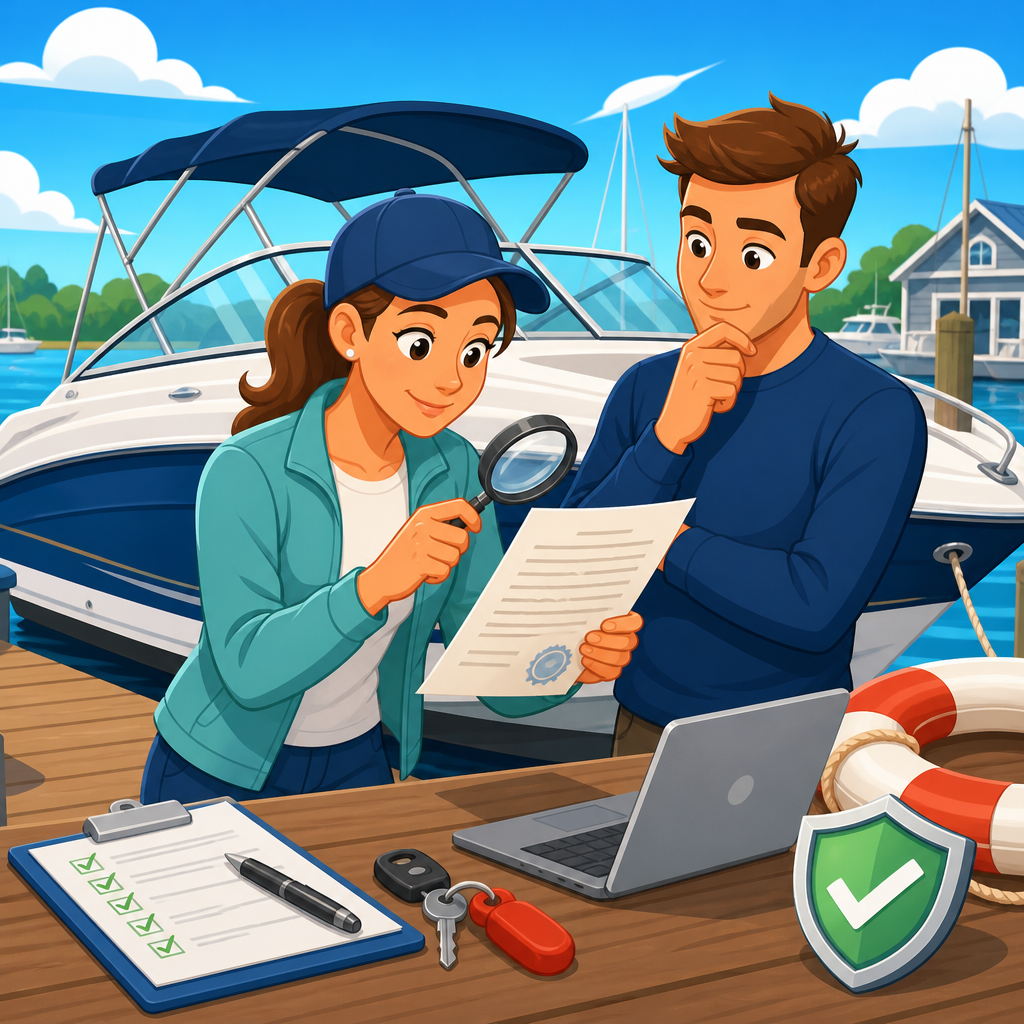

Buying a used boat without checking for liens is one of the fastest ways to turn a good deal into an expensive legal problem. A lien is a creditor’s claim against property used as collateral for a debt, and in the boating world that claim can follow the vessel even after money changes hands. If the seller still owes a marina, a lender, a repair yard, or a tax authority, the buyer may inherit a dispute that can delay registration, block title transfer, or in severe cases lead to repossession. I have seen buyers focus on engine hours, hull condition, and survey results, then get blindsided because they treated paperwork as an afterthought. The safest purchase process starts with understanding how liens, titles, registration, and taxes fit together.
This topic matters because boat ownership records in the United States are fragmented. Some boats carry a state title, some only state registration, and others are federally documented with the U.S. Coast Guard through the National Vessel Documentation Center. Sales tax rules vary by state, and so do registration forms, title brands, and lien filing procedures. That means there is no single universal database that clears every used boat. A careful buyer has to match the search process to the boat’s legal status, confirm the seller’s right to sell, and collect paperwork in a sequence that leaves no gaps. If you want to avoid hidden debt, double taxation, or a title that cannot be transferred, this is the hub article that connects those moving parts.
Three terms drive the process. Title is the legal ownership record issued by a state for titled boats, similar to a car title. Registration is the state-issued operating credential that places numbers on the bow and confirms compliance with local boating laws; it is not always proof of ownership. Documentation is the federal registry for eligible vessels, generally at least five net tons, and it can include a recorded preferred ship mortgage. Tax treatment sits alongside all three because unpaid sales or use tax can interfere with transfer and because a smart buyer verifies the tax consequences before closing. Understanding which system governs the boat tells you where to search for liens and which forms to demand before handing over funds.
Start by identifying whether the boat is titled, registered, documented, or all three
The first practical step is classification. Ask the seller for the current title, registration card, and, if applicable, Certificate of Documentation. Compare the hull identification number, make, model, and length across every document and the physical boat. The hull identification number, or HIN, is the marine equivalent of a VIN and is typically molded into the starboard side of the transom. If the boat is documented, it will also carry an official number affixed permanently in the interior structure. I always reconcile those identifiers before discussing price because mismatches usually signal a paperwork problem that will slow or kill the deal.
State-titled boats are common for powerboats, personal watercraft, and many trailerable sailboats, but thresholds vary. One state may title all motorized boats except very small craft, while another may title only vessels above a certain length or model year. Documented boats often still require state registration decals, and a documented vessel may have been state titled in the past. That overlap is where buyers get confused. The rule is simple: follow the current ownership system. If it is state titled, search state records. If it is federally documented, search federal records for mortgages and ownership history, then separately confirm any state tax or registration obligations.
How to check for boat liens in state title systems and federal documentation records
For a state-titled boat, ask the seller for the original title and inspect the lien section. Many state titles print the lienholder’s name directly on the face of the title. Do not rely on a photocopy alone. Contact the issuing agency, usually the department of motor vehicles, department of natural resources, fish and wildlife agency, or state tax collector, and ask about title status, duplicate title risk, and whether lien information can be confirmed by HIN. Some states provide online title verification, while others require a formal records request. Because procedures vary, the most reliable approach is to call the issuing office and ask exactly what a buyer can verify before purchase.
For a documented vessel, order an abstract of title from the National Vessel Documentation Center. This is one of the most important documents in a used-boat transaction because it shows the chain of title, notices of claim of lien that have been recorded, and any preferred ship mortgage. A preferred ship mortgage is a serious secured interest recognized under federal maritime law. If the abstract shows an open mortgage, closing should not occur until you receive a satisfacted mortgage or a lender payoff process that results in immediate release. In practice, I prefer lender-to-lender or escrow closings when a documented boat has debt attached, because direct cash-to-seller closings create unnecessary risk.
Not every valid maritime lien appears in a database. Under U.S. maritime law, certain liens can arise by operation of law for necessaries such as repairs, towage, storage, and dockage, even if they are never recorded. That is why record searches are necessary but not sufficient. Ask for paid invoices from recent yards, storage facilities, and marinas, especially if the boat has been laid up or repaired extensively. Request a written seller affidavit stating that the vessel is free of undisclosed liens and encumbrances. It will not prevent every dispute, but it creates a clear representation you can rely on if a claim emerges later.
What documents prove ownership, payoff, and tax status before closing
A safe closing file is built from originals, not assumptions. At minimum, gather the signed title or federal bill of sale, current registration, HIN verification, government identification from the seller, and any lender payoff statement. If the boat is documented, the Coast Guard bill of sale should match the seller shown in the abstract. If there is a lien, require a formal payoff letter on lender letterhead stating the exact amount due through a specific date and the release process after funds are received. For state titles, you want the lien release in the state’s accepted format, which may be a separate notarized release or a completed section on the title.
Taxes deserve equal attention because they affect total cost and can delay registration. Sales tax is generally imposed by the state where the transaction or titling occurs, while use tax often applies when a boat is brought into a different state for storage or use. Some states credit tax paid elsewhere; some cap tax on boat purchases; some offer occasional exemptions for private-party transactions, inherited vessels, or casual sales. Do not guess. Before closing, confirm the exact tax rate, credit rules, and filing deadline with the state agency that will issue title or registration. I have watched buyers overpay tax by thousands because they accepted outdated advice from a seller or broker.
| Document | Why it matters | What to verify |
|---|---|---|
| State title or Certificate of Documentation | Shows legal ownership system | Name matches seller, HIN or official number matches vessel |
| Registration card | Confirms current state operating status | Expiration date, registration number, owner name |
| Abstract of title or state lien record | Reveals recorded liens and ownership history | Open mortgage, notices of claim, transfer gaps |
| Payoff letter and lien release | Clears secured debt | Exact payoff amount, release timing, lender contact |
| Bill of sale | Documents transaction terms | Purchase price, date, HIN, trailer and equipment included |
| Tax receipt or filing instructions | Prevents registration delays and double payment | State rate, exemptions, deadlines, credit for prior tax |
Common lien risks buyers miss, including marina bills, repair claims, and trailer debt
The biggest mistake buyers make is assuming that a clear conversation with the seller equals clear title. It does not. Marinas and boatyards may assert claims for unpaid storage, launch fees, winterization, or repair work. A seller under financial pressure may also be behind on insurance-financed premiums, tax obligations, or personal loans secured informally by the boat. While not every claim will survive against a buyer, each one can create leverage, delay, and legal cost. I ask where the boat is stored, who performed the last major service, and whether any work orders remain unpaid. A seller who hesitates on simple operational history needs closer scrutiny.
Another overlooked issue is the trailer. In many states, the boat trailer has its own title, registration, and lien status entirely separate from the boat. Buyers who think they are purchasing a complete package sometimes leave with a clean boat transaction and a trailer that cannot legally be transferred. Verify the trailer VIN, title, plate, tax treatment, and any lien release independently. If electronics, tenders, or outboard motors are included, list them on the bill of sale by serial number. Accessories can become ownership disputes later, especially when repossessions or divorce settlements are involved.
Hull identification inconsistencies also create hidden risk. A transom repair, stolen-boat history, clerical error, or homemade replacement plate can produce records that do not line up. If the HIN looks altered, stop and investigate before spending money on a survey or sea trial. Many state marine theft units and law enforcement agencies can advise on suspicious markings. The National Insurance Crime Bureau offers VIN-related tools for some assets, but boats often require direct law-enforcement verification. A title search cannot cure a bad identity problem. First establish that the vessel is exactly the vessel described in the paperwork.
Best practices for closing the deal without inheriting someone else’s problem
The cleanest used-boat purchases follow a disciplined closing sequence. First, make the offer contingent on satisfactory survey, sea trial, title review, lien search, and document verification. Second, collect copies of title, registration, documentation, identification, and payoff information early. Third, conduct the lien search appropriate to the vessel’s status and verify taxes with the destination state. Fourth, if debt exists, use escrow, a documentation service, closing attorney, or reputable yacht broker with written escrow procedures. The point is not bureaucracy for its own sake. The point is ensuring that the seller gets net proceeds only after the lienholder is paid and the release is in motion.
At closing, sign a detailed bill of sale that lists the boat, trailer, engines, and included equipment. Record the purchase price accurately; underreporting can create tax penalties and title complications. Exchange funds in a traceable way, ideally wire transfer through escrow or directly to the lender for the payoff amount with any remainder to the seller. Obtain originals before the boat leaves the marina. For documented vessels, file transfer documents promptly with the National Vessel Documentation Center. For state-titled boats, submit title and registration applications within the state deadline, because some agencies impose penalties or interest if tax is paid late.
If anything feels rushed, pause. The strongest leverage a buyer has is the ability to walk away before funds are sent. Legitimate sellers understand requests for title evidence, payoff letters, and tax clarification because they want a transaction that closes once, not one that unravels after launch day. When I help buyers review deals, the best transactions are rarely the fastest. They are the ones with complete paper trails, clear lender communication, and no ambiguity about who owns the boat, who must be paid, and which agency will issue the next ownership document.
Checking for liens before buying a used boat is not a side task; it is the core legal step that protects your ownership. Start by determining whether the vessel is state titled, merely registered, federally documented, or some combination of those systems. Then search the right records, inspect original documents, and remember that some maritime liens may exist even when no database shows them. A complete purchase review includes the HIN, chain of title, lender payoff, marina and yard history, trailer status, and tax obligations in the state where you will title or use the boat.
Understanding boat titles, registration, and taxes makes every other buying decision safer. The survey tells you condition, but the paperwork tells you whether you can keep what you buy. When you confirm ownership records, tax rules, and lien releases before closing, you reduce the chance of repossession claims, registration delays, and surprise costs. Use this article as your hub for the paperwork side of boat buying, and build your closing checklist before you shop. A careful title and lien review costs far less than fixing a bad transfer after the fact.
Frequently Asked Questions
What is a boat lien, and why does it matter so much when buying a used boat?
A boat lien is a legal claim against a vessel for an unpaid debt. In practical terms, it means someone other than the seller may have a financial interest in the boat. That creditor could be a bank that financed the purchase, a marina owed storage fees, a repair yard with unpaid invoices, or even a tax authority. The reason this matters is simple: a lien can stay attached to the boat itself, not just to the person selling it. So even if you pay the seller in full and take possession, you may still end up dealing with the creditor’s claim.
For a buyer, that can create serious problems. A hidden lien may delay or prevent registration, interfere with title transfer, and complicate insurance or financing. In more severe cases, the lienholder may be able to enforce its rights against the vessel, including repossession or legal action. That is why lien checks are not just a formality. They are a core part of due diligence before you agree to buy any used boat, especially one with a title, documented status, or a history of marina storage, repairs, or financing.
How do I check for liens on a used boat before I buy it?
Start by gathering the boat’s identifying information, including the Hull Identification Number (HIN), registration number, title number if available, and for documented vessels, the official documentation number. Then ask the seller for copies of the current title, registration, bill of sale history, loan payoff information if there was financing, and any lien release documents. If a seller hesitates to provide basic ownership paperwork, treat that as a warning sign.
Next, search the records that apply to the boat. For state-titled boats, contact the state agency that handles boat titles and registrations, often the department of motor vehicles, natural resources agency, or similar office. Ask whether there are any recorded liens and whether the title is clear. For federally documented vessels, search the U.S. Coast Guard National Vessel Documentation Center records to review ownership and recorded encumbrances. You should also ask marinas, storage facilities, or repair yards connected to the boat whether any balances remain unpaid, especially if the boat has been sitting in one place for a long time or recently had major work done.
Finally, compare all records carefully. The seller’s name should match the titled or documented owner, and any listed lienholder should either still appear with a current payoff process or have a formal release on file. If anything is unclear, do not rely on verbal promises. Require written proof that the lien has been satisfied and properly released before money changes hands. When the purchase price is significant, many buyers also use a marine title company, documentation service, escrow agent, or maritime attorney to help verify the status of the vessel.
What documents should I ask the seller for to confirm the boat has a clear title and no liens?
At a minimum, ask for the current title or registration, the seller’s government-issued identification, and a draft bill of sale showing the exact boat description, HIN, purchase price, and seller’s legal name. If the boat is federally documented, request the certificate of documentation and any abstract or record showing ownership and encumbrances. These documents help confirm that the person selling the boat is actually the legal owner and has authority to transfer it.
You should also ask for any lien release, loan satisfaction letter, or payoff statement if the boat was ever financed. If the title lists a lender or other secured party, the seller should be able to produce documentation proving that the debt has been paid and that the lien was released. For boats that have spent time in storage, at a marina, or in a repair yard, ask for recent receipts or account statements showing no outstanding charges. It is also smart to request maintenance records and prior bills of sale, because they can reveal ownership gaps or other irregularities that deserve closer review.
The key point is that every major claim should be documented in writing. A seller saying, “The loan is paid off,” is not enough. A clean transfer depends on matching paperwork from the title authority, lienholder, and seller. If the documents do not align, pause the deal until they do.
What are the warning signs that a used boat might have an undisclosed lien or ownership problem?
One of the biggest red flags is a seller who wants to rush the sale, insists on cash only, or avoids paperwork. Another common warning sign is when the seller’s name does not match the title, registration, or documentation records. Missing title documents, vague explanations about a “lost title,” or promises to send paperwork later should all make you slow down. The same goes for boats being sold at a price far below market value without a convincing reason.
Physical and situational clues matter too. If the boat is located at a marina or yard and staff seem unsure whether it can be moved, that may suggest storage or repair charges are owed. Signs of recent major work without invoices, long-term storage, or a boat that appears abandoned can also point to unpaid debts. In some cases, the seller may mention an old loan, a pending probate matter, a divorce, or a business ownership issue. Those details do not automatically kill the deal, but they do increase the need for careful verification.
Pay attention to inconsistencies. If the HIN on the paperwork does not perfectly match the HIN on the boat, or if the registration numbers and descriptions are off, stop immediately until the discrepancy is explained. Many bad purchases happen because buyers ignore small irregularities and focus only on the price. A clean paper trail is every bit as important as the boat’s engine, hull, and electronics.
What should I do if I discover a lien before closing, or worse, after I already bought the boat?
If you discover a lien before closing, do not proceed until the issue is resolved properly. In many cases, the sale can still happen, but the lien must be paid off and formally released. A common approach is to use escrow so that part of the purchase funds goes directly to the lender or claimant, with the remainder going to the seller only after the release is confirmed. Make sure you get written payoff instructions and final lien release documentation, not just a promise that the seller will “take care of it later.”
If you discover a lien after the purchase, act quickly. Gather your bill of sale, title or registration documents, payment records, messages with the seller, and any advertisements or disclosures from the transaction. Then contact the lienholder to confirm the nature of the claim, the amount allegedly owed, and whether the lien was properly recorded. You may also need to contact the state titling agency or the Coast Guard documentation office, depending on how the vessel is registered. In some situations, the problem can be resolved through proof that the lien was already satisfied but never released. In others, you may need legal help to pursue the seller for fraud, breach of contract, or misrepresentation.
The most important lesson is to treat liens as a legal issue, not a minor paperwork problem. The faster you respond, the better your chances of protecting your ownership rights and avoiding further losses. When significant money is involved, it is wise to speak with a maritime attorney or qualified title professional as soon as the lien is discovered.