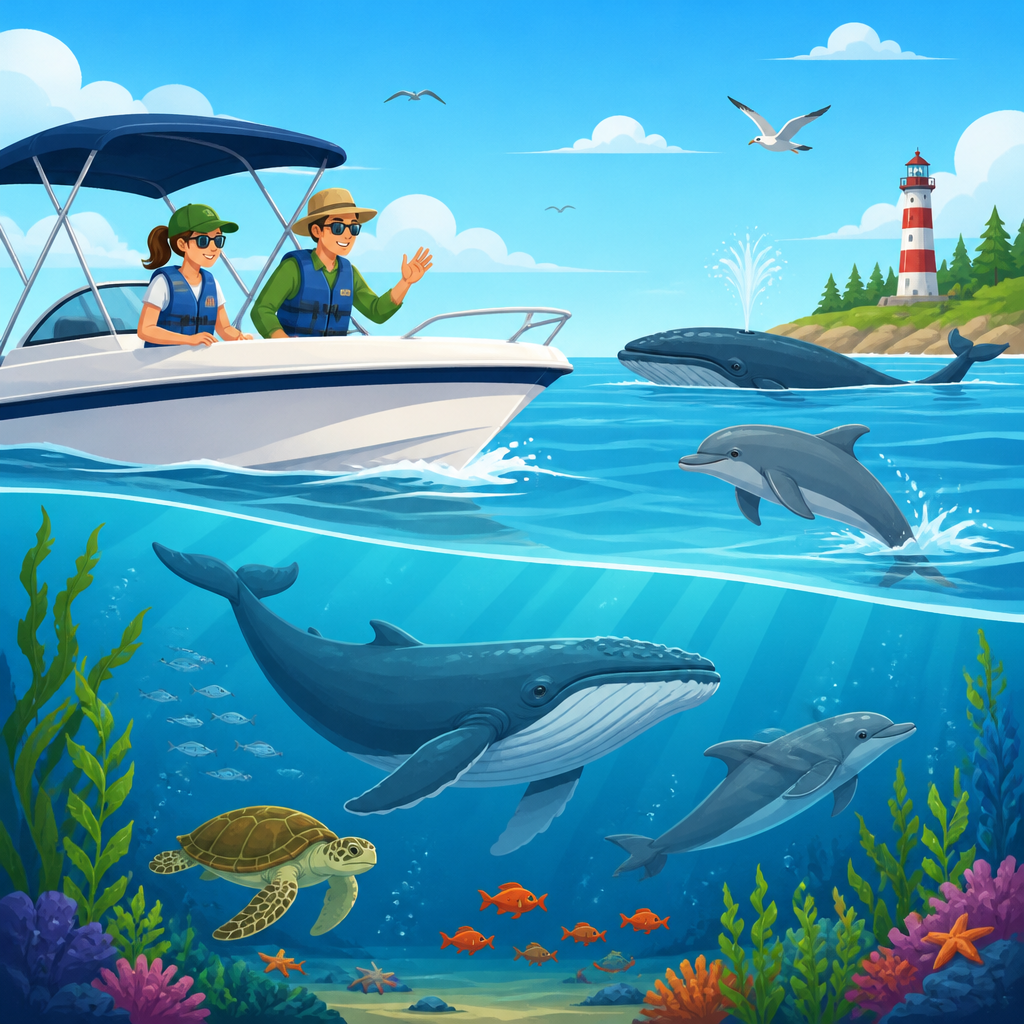
Boating puts people in direct contact with some of the planet’s most fragile habitats, and that access creates both opportunity and risk. A single afternoon on the water can expose boaters to seagrass meadows, mangrove shorelines, oyster reefs, salt marshes, coral communities, mudflats, tidal creeks, and open-water feeding grounds used by fish, birds, turtles, and marine mammals. When handled responsibly, recreational boating can coexist with these places. When handled carelessly, it can scar habitat, displace wildlife, spread pollution, and weaken ecosystems that already face pressure from warming waters, coastal development, and heavy traffic.
To identify and avoid disturbing sensitive ecosystems, boaters need to recognize what those ecosystems are, understand why they are vulnerable, and adjust speed, route, anchoring, waste handling, and wildlife interactions accordingly. Sensitive ecosystems are natural areas where plants, animals, and physical conditions are easily damaged or slow to recover. In marine and coastal settings, that usually means shallow habitats, breeding and nursery areas, migratory stopovers, and places where minor disturbance causes outsized harm. A propeller trench through seagrass may take years to heal. Repeated wakes near marsh edges can accelerate erosion. One anchor dropped on living coral can break decades of growth in seconds.
I have spent enough time around marinas, launch ramps, marked channels, and restoration sites to know that most boaters do not intend to cause damage; they simply miss the signs. Charts are ignored, seasonal closures are misunderstood, and wildlife buffers are guessed rather than measured. This hub article explains how boaters can help protect marine life in practical terms. It covers what to watch for before departure, which habitats deserve extra caution, how to operate around wildlife, what gear and habits reduce impact, and where responsible decisions matter most. If you want a clear framework for eco-friendly and sustainable boating, start with habitat awareness and build every on-water choice from there.
Recognize the ecosystems most often damaged by recreational boating
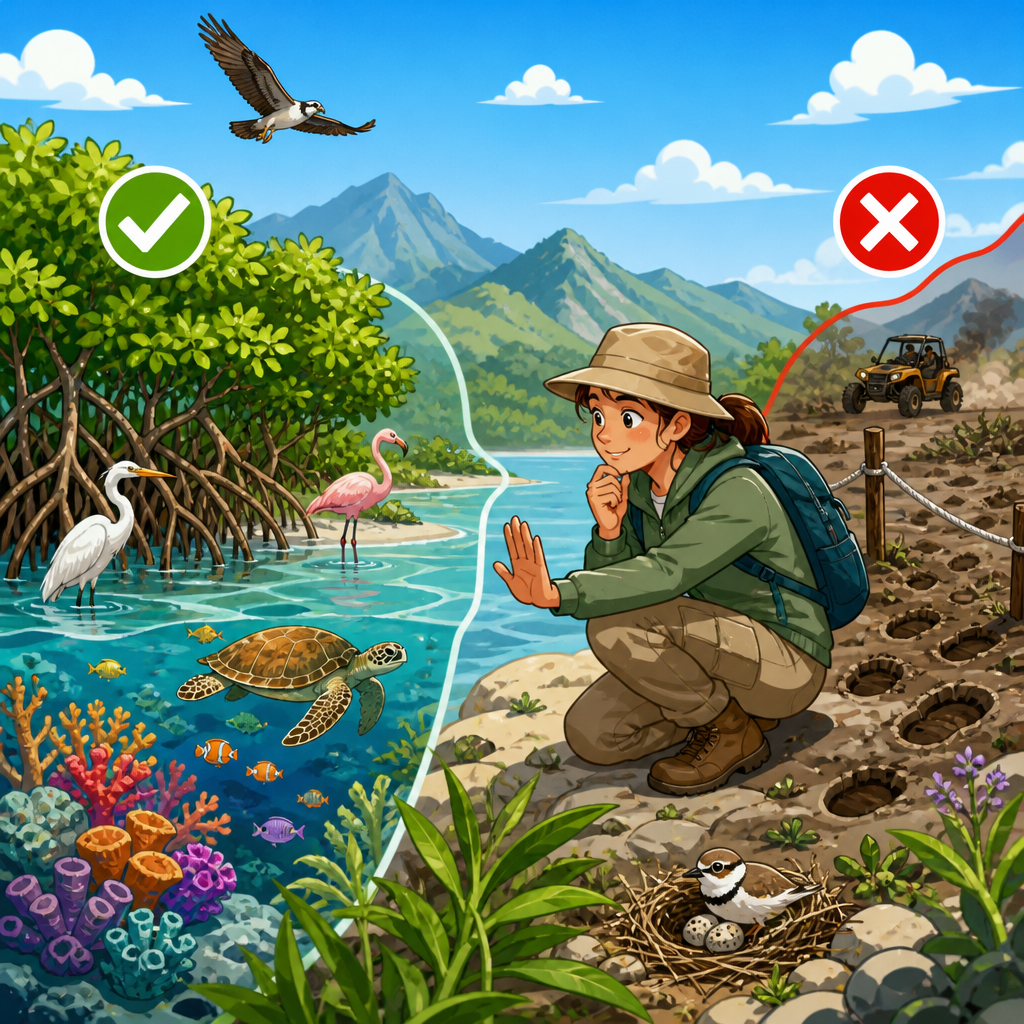
The first step is learning which habitats are commonly affected by boats and how damage happens. Seagrass beds are among the most important and most overlooked. They stabilize sediment, improve water clarity, store carbon, and provide nursery habitat for species such as scallops, red drum, snook, and juvenile reef fish. Yet they are easily cut by propellers in shallow water. In Florida, state agencies and local estuary programs routinely document prop scars that remain visible for years, especially in turtle grass and shoal grass systems. If you see clear, shallow water with dark grassy patches beneath the surface, assume the area is vulnerable and stay in marked channels or pole, paddle, or use a trolling motor where allowed.
Mangroves and salt marshes deserve the same caution. These shorelines protect coasts from erosion, filter runoff, and shelter crabs, shrimp, baitfish, and nesting birds. Boat wakes can undercut marsh banks and stress root systems. Running too close can also flush birds from nests during breeding season. Oyster reefs are another high-value habitat that boaters often mistake for simple obstructions. In reality, they improve water quality by filtering large volumes of water and create structure for fish and invertebrates. Grounding on reefs crushes living shell and can injure hulls, while prop wash increases sedimentation around them.
Coral reefs, hardbottom communities, tidal flats, and river mouths round out the list of places needing special care. Coral colonies are living animals with calcium carbonate skeletons that break under anchor chains, careless mooring, or diver contact. Tidal flats and mudflats feed shorebirds and rays and often support shellfish beds; a boat passing repeatedly across extremely shallow flats can fragment benthic habitat and strand animals. River mouths and estuary inlets may look busy and resilient, but they concentrate life. Juvenile fish use brackish shallows as nurseries, and marine mammals often forage there because prey is abundant. If an area is shallow, vegetated, reef-like, bird-rich, or seasonally restricted, treat it as sensitive until proven otherwise.
Use charts, notices, and local knowledge before leaving the dock
Most ecosystem damage is preventable with better trip planning. Before departure, review official navigation charts from NOAA or your national hydrographic authority, paying close attention to depth contours, marked channels, shoals, seagrass caution zones, no-motor areas, marine protected areas, and seasonal wildlife closures. Modern chartplotters make this easier, but they are only as useful as the layers you enable and the updates you install. I regularly see skippers relying on outdated basemaps that do not reflect recent markers, habitat protection zones, or changed depths after storms. Update electronics, then cross-check with local marina staff, park rangers, harbor masters, and current notices to mariners.
Timing matters as much as route selection. Low tide exposes risks hidden at high tide, especially in back bays and tidal creeks where a boat may have enough water to enter but not enough to turn without prop scarring habitat. Wind direction also affects wake energy along marsh edges and mangrove shorelines. In clear tropical water, visual navigation helps, but glare can conceal coral heads and grass beds. Polarized sunglasses, a lookout on the bow, and slower speed improve hazard detection dramatically.
| Planning task | Why it protects ecosystems | Practical example |
|---|---|---|
| Check updated charts | Prevents entry into shallow habitat and protected zones | Avoiding a seagrass flat outside a marked channel |
| Review local restrictions | Reduces disturbance during nesting or migration seasons | Obeying a temporary bird closure on a spoil island |
| Plan around tides | Limits prop scars, groundings, and emergency maneuvers | Waiting for rising water before crossing a bay flat |
| Use current mooring guidance | Avoids anchor damage on coral or eelgrass | Choosing a public mooring buoy instead of anchoring |
| Ask local experts | Captures hazards not obvious on charts | Learning where manatees feed near a marina entrance |
Trip planning also creates internal discipline. When you decide in advance where to idle, where to anchor, and which coves to avoid, you reduce impulsive choices once people onboard start requesting a beach stop or a closer wildlife view. Sustainable boating is rarely about one heroic action; it is about dozens of small decisions made early enough to prevent damage.
Operate your boat to minimize wake, wash, noise, and bottom contact
How a boat moves through the water often matters more than the boat itself. In sensitive ecosystems, slow speed is not just a courtesy or legal requirement; it is a conservation tool. Wake energy erodes marsh edges, destabilizes mangrove banks, and batters small craft in narrow creeks where wildlife tends to concentrate. Excessive prop wash in shallow water resuspends sediment, reducing light penetration needed by seagrasses and increasing turbidity that stresses filter feeders. In places with manatees, dugongs, or sea turtles, lower speed also gives both the animal and the operator more time to react.
Trim and draft awareness are essential. Outboards and sterndrives trimmed improperly in shallow areas can dig deeper than operators expect. Jet drives are not harmless either; although they reduce exposed propeller risk, they can still disturb bottom sediments and harm animals through intake or thrust in very shallow water. If you are uncertain about depth, stop, raise the drive if safe, and drift or back out rather than powering through. The worst decision is often the panicked throttle burst used to escape a grounding, because that is what carves trenches through vegetation and blows sediment across habitat.
Noise is another underappreciated issue. Numerous studies on dolphins, whales, and fish show that vessel noise can mask communication, alter feeding behavior, and increase stress. Recreational boats rarely match the chronic low-frequency impact of commercial shipping, but they can still disturb animals in confined bays and channels. Avoid circling wildlife, repeated high-rev passes, and unnecessary idling in congregating areas. Smooth, predictable operation reduces ecological disturbance and usually makes for better seamanship.
Anchor, moor, and go ashore without damaging habitat
Anchoring is one of the most direct ways boaters damage marine habitat, particularly in coral, seagrass, and shellfish areas. The best practice is simple: use established mooring buoys whenever available. Properly installed moorings keep chains off the bottom and concentrate use in spots designed to handle it. Many marine parks, reef sites, and busy coves now rely on mooring systems for exactly this reason. If no mooring exists, choose sandy bottom away from visible vegetation, reef structure, and shell beds. Approach slowly, confirm bottom type visually or with electronics, and account for swing radius so the boat does not drag across habitat as wind or tide shifts.
Anchor retrieval deserves as much care as anchor placement. Dragging an anchor across bottom to break it free can uproot plants or strike coral heads. Instead, motor gently toward the anchor to bring the rode vertical, then lift steadily. For beach landings, avoid repeated bow-on runs into vegetated shallows. Use designated landings, public docks, or beaches approved for access. In dune systems and nesting bird areas, staying within marked access corridors prevents trampling eggs, chicks, and stabilizing vegetation.
Small craft users should not assume they have zero impact. Kayaks, paddleboards, tenders, and personal watercraft can all disturb roosting birds, resting seals, and shallow nursery habitat if they approach too closely. Quiet craft often get nearer before animals detect them, which means paddlers need just as much judgment as powerboaters. The rule is not merely “can I get there,” but “should I enter at all?”
Respect wildlife distance, seasons, and behavior cues
Protecting marine life requires more than avoiding collisions. Wildlife disturbance happens whenever a boat changes an animal’s normal behavior: stopping feeding, abandoning a nest, separating a mother from young, forcing repeated dives, or pushing a resting animal into the water. Regulations vary by species and region, but the principle is universal: observe from a distance that causes no response. In U.S. waters, the Marine Mammal Protection Act and Endangered Species Act provide legal backstops, and NOAA guidance for whales, dolphins, seals, and sea turtles sets widely recognized expectations for responsible viewing.
Behavior cues matter because not every harmful interaction looks dramatic. Birds lifting their heads repeatedly, calling sharply, or moving away from chicks are warning signs. Dolphins changing direction, sea turtles diving abruptly, or manatees lingering near the surface with little room to maneuver all indicate you are too close or moving unpredictably. During nesting and migration seasons, buffers should increase, not shrink. Colonial waterbirds on islands, for example, may abandon nests after repeated disturbance from boats landing “just for a minute.” That loss affects an entire breeding attempt, not just one encounter.
Never feed wildlife from a boat. Feeding conditions animals to approach vessels, increases strike risk, and disrupts natural foraging. Likewise, avoid chasing bait balls, bird working flocks, or marine mammals for photos. Ethical viewing means slow approach from the side if allowed, neutral gear when nearby, and immediate withdrawal if the animal changes behavior. Good wildlife etiquette protects both the species and the boating community’s access, because repeated abuse often leads to tighter restrictions for everyone.
Prevent pollution, invasive species, and cumulative damage
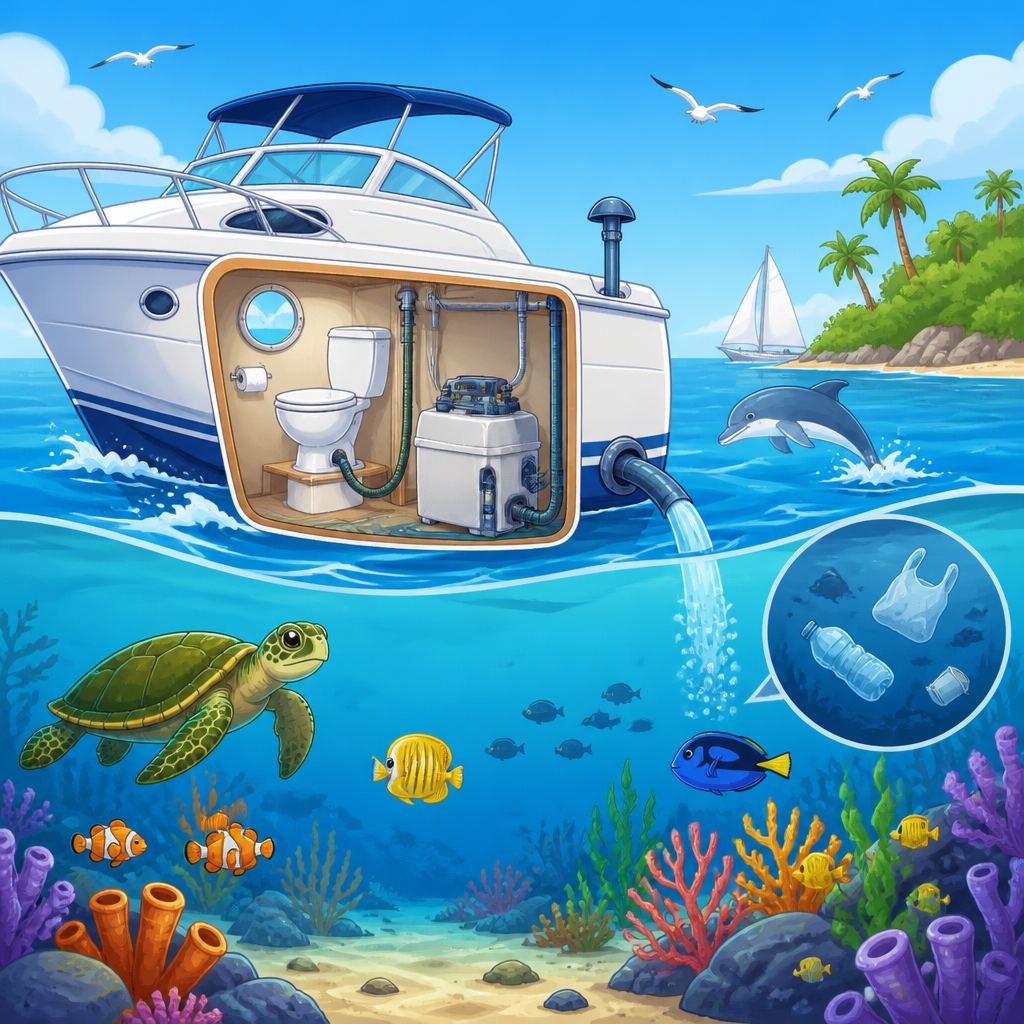
Habitat protection is not only about where you drive. Fuel spills, sewage discharge, litter, greywater, cleaning chemicals, fishing line, and invasive organisms can undermine an ecosystem long after a boat leaves. Even small fuel drips at the marina add up, especially in enclosed basins with limited flushing. Use absorbent pads during fueling, top off carefully, and inspect hoses, vents, and fittings routinely. Follow no-discharge rules, maintain marine sanitation devices properly, and use pump-out stations. Untreated waste contributes nutrients and pathogens that degrade shellfish waters and swimming areas.
Cleaning practices matter too. Harsh detergents and bleach-based washdowns running overboard can affect water quality in tight harbors and coves. Choose phosphate-free, biodegradable products approved for marine use, and use them sparingly. Secure trash before departure, cut monofilament for disposal in dedicated bins, and retrieve every piece of gear possible if something goes overboard. Lost fishing line entangles birds, turtles, and mammals with grim regularity.
Invasive species spread easily between waterways on hulls, trailers, bilges, ballast, bait wells, anchors, and dive gear. The standard protocol is inspect, clean, drain, and dry before moving between water bodies. Zebra mussels, Eurasian watermilfoil, and certain tunicates demonstrate how quickly transported organisms can alter habitat, clog infrastructure, and outcompete native species. Cumulative damage works the same way. One shortcut across a flat, one plastic bag, one close pass at nesting birds may seem trivial. Repeated across a season and multiplied by hundreds of vessels, those actions become a measurable ecological burden.
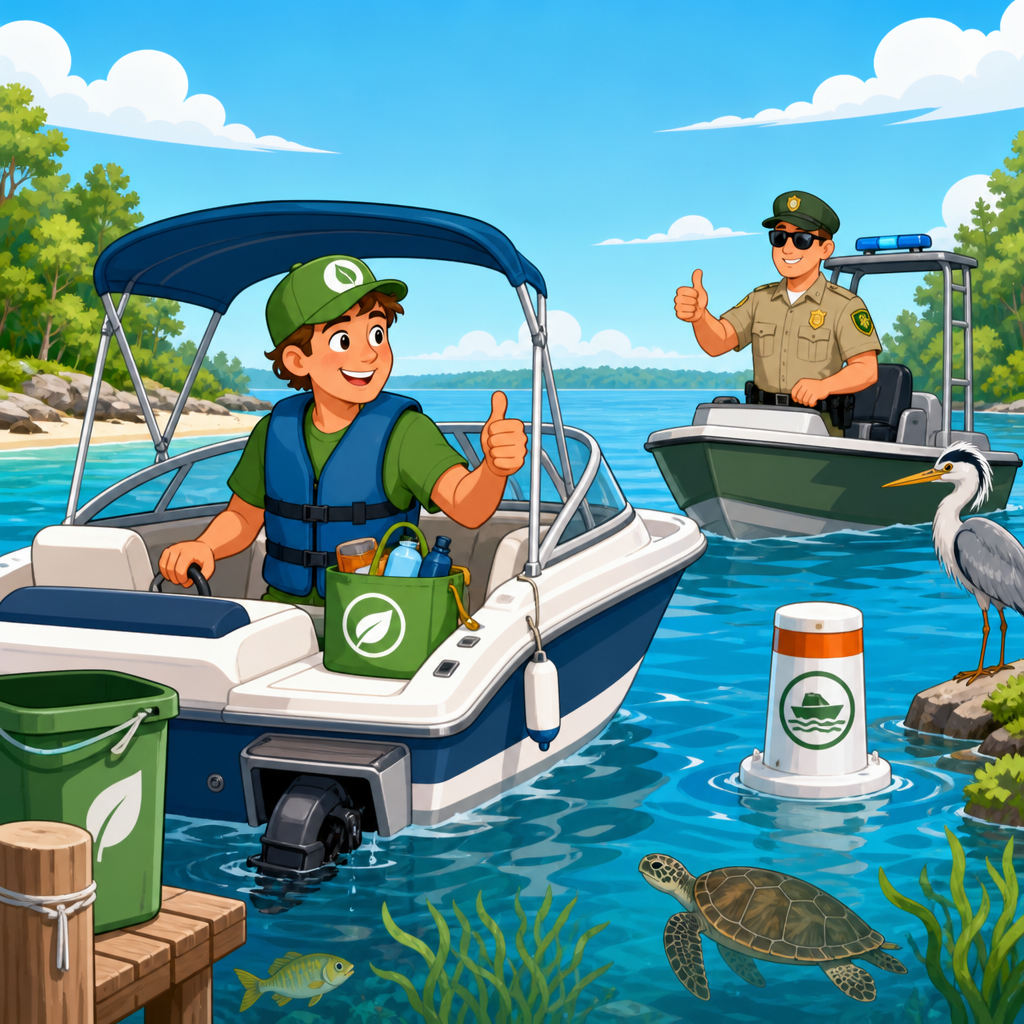
Responsible boaters protect marine life by combining awareness with routine: learn the habitat, plan the route, run slow in sensitive water, anchor only where the bottom can handle it, keep distance from wildlife, and leave no pollution behind. The payoff is larger than compliance. Healthy seagrass supports fisheries, intact marshes buffer storms, clean water improves recreation, and undisturbed wildlife keeps coastal places worth visiting. If this article is your hub for eco-friendly and sustainable boating, use it as a checklist before every trip and share it with everyone who steps aboard. The best way to avoid disturbing sensitive ecosystems is to make protection part of normal seamanship, not an afterthought.
Frequently Asked Questions
1. What are the most common sensitive ecosystems boaters are likely to encounter?
Boaters regularly pass through or near several fragile habitats, even on short recreational trips. Some of the most common include seagrass meadows, mangrove shorelines, oyster reefs, salt marshes, mudflats, tidal creeks, coral communities, and open-water feeding or nesting areas used by fish, birds, sea turtles, and marine mammals. These ecosystems are considered sensitive because they are biologically productive, easily damaged by propellers, wakes, anchors, noise, or pollution, and often slow to recover once disturbed. For example, seagrass beds may look like simple underwater vegetation, but they stabilize sediment, improve water quality, store carbon, and provide nursery habitat for juvenile fish and crustaceans. A prop scar through seagrass can remain visible for years.
Mangroves and salt marshes are equally important. They buffer shorelines from erosion, filter runoff, shelter wildlife, and support entire food webs. Oyster reefs are natural water filters and habitat builders, but they can be crushed by hulls or damaged by careless anchoring. Mudflats and shallow tidal areas may appear empty at first glance, yet they often support shellfish, crabs, migratory birds, and juvenile fish feeding during low tide. Coral communities, where present, are especially vulnerable because even light contact from an anchor, hull, or trampling foot can break living structures that took decades to grow. Learning to recognize these habitats is one of the most effective ways to avoid harming them. In practice, that means studying local charts, understanding depth and tide conditions, watching for habitat markers or no-entry signs, and slowing down whenever you enter shallow, narrow, or visibly active ecological areas.
2. How can I tell when I’m entering or boating near a sensitive ecosystem?
Identifying a sensitive ecosystem starts with observation before and during your trip. Chartplotters, navigation apps, paper charts, local boating guides, and marine sanctuary maps often show seagrass zones, oyster bars, reef areas, wildlife closures, no-wake zones, and seasonal protection areas. Reviewing those resources before departure helps you know where extra caution is needed. On the water, visual clues matter just as much. Shallow, clear water with visible underwater grass usually signals seagrass habitat. Dense shoreline vegetation with exposed roots often indicates mangroves. Low grassy edges along sheltered coasts may be salt marshes. Birds feeding in clusters, dolphins repeatedly surfacing in one corridor, turtles resting near the surface, or schools of fish breaking water can all suggest active feeding grounds or migration pathways.
You should also pay attention to depth changes, water color, and bottom texture. Lighter patches may indicate shallow sand or grass, while irregular raised areas can signal oyster reefs or rocky habitat. In tidal creeks and backwater channels, narrow passages, soft banks, and changing depths often mean less room for wake, prop wash, or sudden course corrections. Posted signs are another major indicator. Manatee zones, seabird nesting closures, idle-speed areas, no-motor zones, and habitat restoration markers are all clear warnings that the area requires careful operation. If you are uncertain, the safest response is to slow down, trim up if appropriate, avoid sharp turns, and maintain a wider buffer. In general, if an area looks shallow, sheltered, vegetated, crowded with wildlife, or officially marked for protection, it should be treated as sensitive until you know otherwise.
3. What boating behaviors cause the most damage to fragile marine and coastal habitats?
The most harmful boating behaviors are often the most preventable. Running aground in seagrass, cutting across shallow flats, powering through tidal creeks at speed, dropping anchor carelessly, and creating excessive wake near shorelines are among the biggest sources of damage. Propellers can gouge seagrass beds, stir up sediment, and injure fish or turtles. Excess sediment in the water can block sunlight needed by seagrass and corals, while also smothering nearby organisms. Groundings on oyster reefs or coral can physically crush living habitat, and repeated impacts may permanently alter a productive area. Even when a boat never makes direct contact, large wakes can erode marsh edges, undercut mangrove banks, and disrupt birds and other wildlife using shoreline habitat.
Another common problem is poor wildlife etiquette. Chasing dolphins, approaching nesting birds too closely, crowding turtles, or repeatedly circling around animals for photos can interrupt feeding, resting, breeding, and migration behavior. Noise and repeated vessel traffic can increase stress and push wildlife out of important habitat. Improper waste handling is also a major issue. Fuel spills, oil sheen, trash, discarded fishing line, sewage discharge where prohibited, and food waste all degrade water quality and create hazards for marine life. In some locations, even walking through shallow habitat, dragging kayaks across marsh edges, or beaching a boat on vegetated shoreline can cause long-lasting damage. Responsible boating means thinking beyond direct collisions. The wake you make, the route you choose, the way you anchor, and how closely you approach wildlife all shape whether your trip leaves the ecosystem intact or disturbed.
4. What are the best ways to avoid disturbing sensitive ecosystems while boating?
The best approach is a combination of planning, awareness, and low-impact boat handling. Start by researching your route ahead of time using updated charts, local regulations, tide tables, and area-specific habitat maps. Knowing where shallow flats, reef structures, restoration areas, no-wake zones, and wildlife closures are located helps you avoid reactive decisions on the water. Once underway, obey posted speed zones and reduce speed early when entering narrow channels, shallow bays, marsh creeks, or wildlife-rich shorelines. Slower speeds reduce wake, improve reaction time, and make it easier to spot underwater vegetation, shoals, birds, and surfacing animals.
Use marked channels whenever possible, especially in unfamiliar or shallow areas. Avoid shortcutting across flats or trying to plane off in skinny water, since that is one of the fastest ways to scar habitat. If you need to stop, anchor only in appropriate bottom types and away from seagrass, coral, or oyster habitat. In areas with mooring buoys, use them instead of dropping anchor. If you encounter wildlife, maintain a respectful distance, avoid sudden turns or throttle changes, and never pursue animals for a better view. Good stewardship also includes securing trash, preventing fuel spills during refueling, maintaining your engine to reduce leaks, and following pump-out and sewage regulations. If you do run aground, avoid powering off if that would dig deeper into the habitat; instead, stop the engine if needed, assess conditions, and use the least damaging method to get free. Small, intentional decisions like trimming your motor in shallow water, minimizing wake near vegetated shorelines, and choosing established access points can make a major difference in protecting fragile ecosystems.
5. Why does avoiding disturbance matter so much, and can these ecosystems really recover if damaged?
Avoiding disturbance matters because sensitive ecosystems support far more life and shoreline stability than many people realize. Seagrass meadows serve as nurseries for fish, shrimp, and crabs. Mangroves and marshes protect coasts from erosion and storm damage while filtering pollutants from the water. Oyster reefs improve water clarity and create structure for countless organisms. Coral communities support biodiversity and fisheries, and tidal flats and feeding grounds sustain migratory birds and marine animals that may travel thousands of miles. When boaters damage these habitats, the effects ripple outward. A scar in seagrass is not just a mark on the bottom; it can fragment nursery habitat, destabilize sediment, reduce food availability, and degrade local water quality. Disturbed nesting or feeding behavior can reduce survival and reproductive success for wildlife over time.
Recovery is possible in some cases, but it is often slow, uneven, and dependent on the type and severity of damage. Seagrass can take years to regrow, especially if scars are deep or repeated. Marsh and mangrove shorelines may continue eroding once their root systems are compromised. Oyster reefs and corals are particularly vulnerable because their structural complexity is hard to replace quickly. In some places, active restoration projects can help, but restoration is expensive and rarely as effective as preventing damage in the first place. That is why responsible boating is so important. Every boater has direct influence over whether these habitats remain healthy for fishing, wildlife viewing, clean water, and future recreation. Protecting them is not about avoiding the water; it is about using the water with enough knowledge and care that your presence does not leave lasting harm.