Choosing the best personal watercraft (PWC) for your needs can be a thrilling yet daunting task. Personal watercraft, commonly known as jet skis or wave runners, offer adrenaline-pumping adventures on the water. Whether your goal is to enjoy leisurely rides on a lake, engage in high-speed adventures, or explore scenic coastlines, the right PWC can enhance your outdoor experiences. However, given the variety of models, features, and price ranges available, selecting the ideal watercraft can be more complex than one might initially assume. This article will address key considerations and factors to help you make the best decision when purchasing a personal watercraft tailored to your specific needs and circumstances. From understanding different PWC types and engine capacities to factoring in budget and storage constraints, there are numerous aspects to contemplate. Furthermore, we will examine crucial safety measures and the importance of maintenance for optimal performance. By understanding these essential elements, you can ensure not only a wise investment but also an enjoyable, safe, and enduring experience on the water.
Selecting the correct PWC isn’t just about opting for the most popular brand or the latest model. It’s about finding a watercraft that synchronizes with your lifestyle, skill level, and intended use. Furthermore, considerations such as the type of water conditions you’ll encounter, the typical number of passengers, fuel efficiency, and ease of maintenance all warrant careful thought during the purchasing process. The increasing array of options in the PWC market can sometimes lead to confusion rather than clarity, especially for first-time buyers. This guide is here to alleviate that confusion by providing comprehensive insights into critical aspects determinant in picking the best-matched PWC for you. As we explore each consideration in detail, you’ll move closer to finding the best water adventure companion that meets every requirement on your checklist, from riding efficiency to comfort. Let’s delve into the steps and tips necessary to align your watercraft choice perfectly with your personal and recreational objectives.
Understanding PWC Types
The first step to choosing the best PWC for your needs is understanding the different types available. Primarily, PWCs are categorized into three main types: recreational, performance, and sport fishing. Recreational PWCs are the most common, designed to accommodate families and casual riders who are interested in more relaxed and stable rides. They typically seat two to three people and are ideal for day trips or exploring calm waters. With ample storage space and excellent fuel economy, they cater to users prioritizing comfort and capacity.
In contrast, performance PWCs are crafted for speed enthusiasts. They boast more powerful engines and sophisticated hull designs to offer thrilling rides and impressive agility. These watercraft are built to perform high-speed maneuvers, making them suitable for experienced riders looking to indulge in fast-paced water sports and explore challenging water conditions.
Sport fishing PWCs offer a tailored experience for anglers. They often include additional storage for gear, fishing rod holders, and GPS systems. These specialized features ensure a practical and efficient fishing experience, allowing users to travel quickly to remote fishing spots inaccessible by larger boats. When selecting a PWC type, consider your intended use, skill level, and the typical nature of your water activities. Whichever type you choose, ensuring it aligns with your requirements is crucial for maximizing your enjoyment and safety.
Engine Power and Performance
The engine power and performance capabilities of a PWC are crucial factors when choosing the right model. Watercraft engines range in horsepower, often between 60 HP and over 300 HP. Lower horsepower models are suitable for beginners and those focusing on leisure activities, offering a balanced mix of stability and manageable speed. They provide sufficient power for smooth rides without the intimidation of high-performance speeds, making them ideal for learning and family-friendly activities.
On the other hand, high-powered engines suit adrenaline-seekers and seasoned riders desiring exhilarating speed. These models offer quicker acceleration and refined performance for executing complex maneuvers and navigating rough waters. However, they require more advanced handling skills and understanding of safety measures to use effectively.
Fuel efficiency is another consideration tied to engine performance. Careful consideration of the trade-off between speed and fuel consumption is vital, as high-powered engines often consume more fuel. Evaluate your needs critically, contemplating whether the additional cost and fuel expenditure of a high-performance engine are justified by your usage patterns and adventure preferences. Your choice should balance fun and practicality, ensuring your PWC meets performance expectations without sacrificing efficiency or safety.
Budget Considerations
Budgeting is a fundamental aspect of selecting a PWC. Prices vary widely, typically ranging from several thousand to over fifteen thousand dollars. Establish a budget and explore the array of options within that range, paying attention to both upfront costs and long-term expenses such as maintenance, insurance, and storage.
New PWCs generally come with the latest features and warranties, while used models provide a budget-friendly alternative. When interested in a used PWC, thorough research and inspection are crucial. Assess conditions carefully, particularly the engine and hull, and inquire about the maintenance and history of past use. Test drive, if possible, to ensure it performs to your satisfaction. Moreover, consider warranty and service options to potentially reduce future repair costs.
Cash purchases avoid financing costs but require a more substantial initial outlay, while financing may allow you to purchase a higher-priced model in installments. Compare offers from different dealers and negotiate terms where possible. Assess all costs comprehensively, keeping in mind that a PWC is a substantial investment whose value depends on proper use and care, thereby affecting long-term ownership satisfaction and value retention.
Safety Features and Accessories
Safety is paramount when operating personal watercraft. Modern PWCs come equipped with safety features designed to protect you and enhance your riding experience. Investigate onboard safety elements such as reinforced hulls, stability controls, and intelligent braking systems. These tools contribute significantly to safe maneuvering, especially in high-traffic water zones.
Invest in quality safety gear like life jackets, which are mandatory in many jurisdictions, regardless of swimming ability. Familiarize yourself with basic watercraft safety protocols and ensure all passengers understand and adhere to them. Many PWCs offer add-on accessories that enhance both safety and convenience. Installing mirrors for better visibility, as well as communication devices for emergencies, may prove beneficial. Consider attachments such as tow ropes, bumpers, and additional storage for food, water, and emergency kits.
Research beyond basic features to assess any model-specific innovations contributing to a safer riding experience. Factors such as ease of boarding from water due to a reboarding step and enhanced grip features during acceleration or deceleration should not be overlooked. These features collectively assure a safer, more efficient, and enjoyable water adventure.
Maintenance and Storage
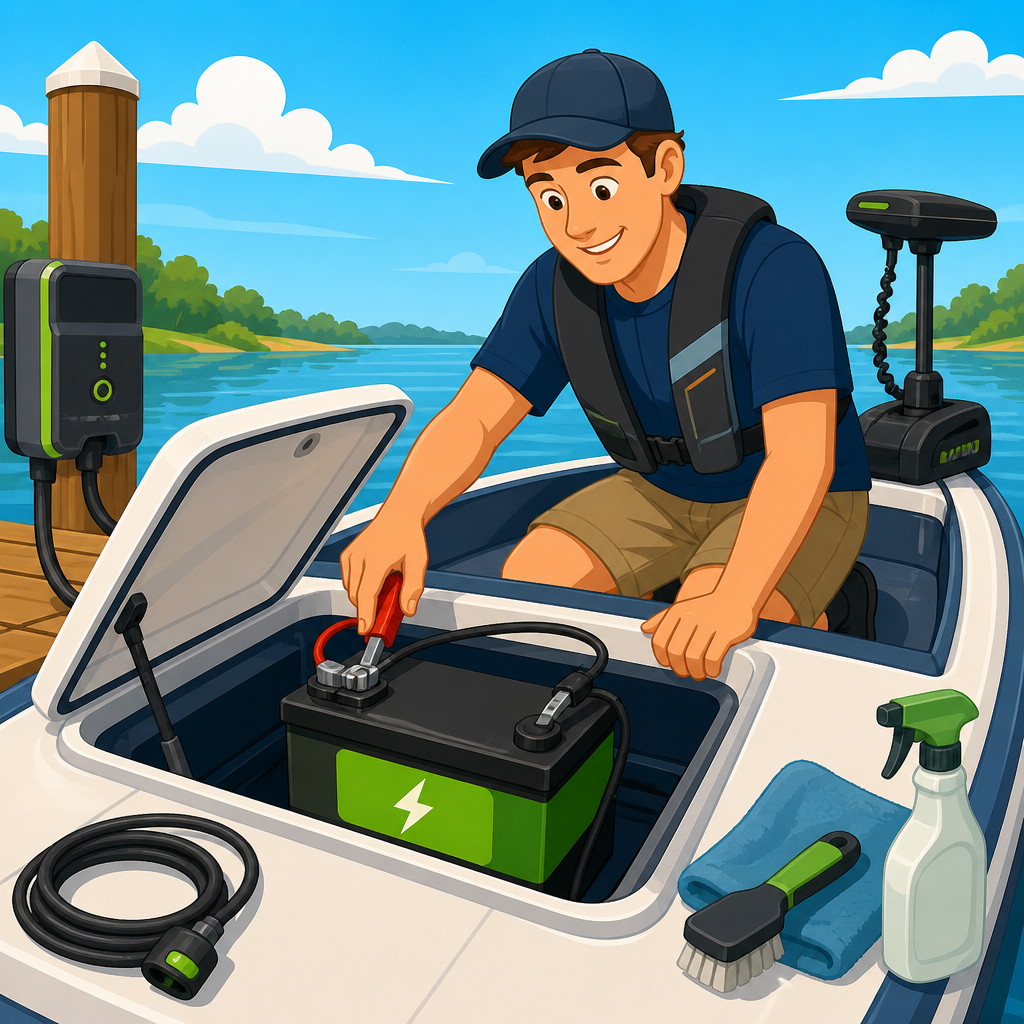
A long-lasting PWC depends heavily on consistent maintenance and appropriate storage. Regular cleaning and inspections post-ride prevent issues related to saltwater corrosion, engine blockages, and exterior damage. Consult your user manual for model-specific maintenance guidelines or schedule regular services with professionals.
Proper off-season storage ensures your PWC is in prime condition when the riding season returns. Whether utilizing indoor storage spaces or weather-resistant covers, your choice should safeguard the watercraft against environmental factors. The availability of storage options may also influence your PWC choice, particularly if adequate space is a concern.
Moreover, consider trailer availability if you plan on regularly transporting your PWC to different locations. A secure, compatible trailer enhances easy logistical management, convenience, and protection during transport. Taking these factors into account all contribute to the smooth ownership and operation of your PWC, minimizing downtime and extending its lifespan.
Environment and Usage Locale
The environment in which you plan to use your PWC significantly influences your choice. Consider whether you will primarily explore lakes, rivers, or oceans, as each setting presents different challenges and advantages. For example, lake adventures often favor stable, recreational models for leisurely rides or towing activities, while ocean rides might require more robust models with high power to cope with waves and currents.
Consider the typical weather conditions and the prevailing water characteristics in your chosen area. If you plan on riding in colder climates or during varying seasons, ensure your PWC can handle such conditions comfortably and safely. Seasonal weather changes can affect water conditions, necessitating a versatile model that balances agility, power, and stability.
Additionally, research local regulations and restrictions regarding PWC use in your area. Some regions have specific laws dictating where and how PWCs can operate, often concerning speed limits, noise levels, and ecological considerations. Being aware of these guidelines can influence your choice, focusing on models that comply with regional waterways’ regulatory frameworks and local standards.
Conclusion
Choosing the best personal watercraft for your needs involves evaluating various factors, from identifying the type of PWC that aligns with your intended use to ensuring it falls within your budget and meets your safety standards. Delve deeper into the technical aspects of engine performance, storage, and maintenance requirements, all while considering the environment and usage locale. This thorough, multifaceted analysis will guide you toward a choice that guarantees an exhilarating and enjoyable watercraft experience.
By thoughtfully examining your priorities, you ensure that your selected watercraft complements not only your budget and recreational activities but also your lifestyle and environmental considerations. With an optimized watercraft, you can indulge in the thrill of speed or the serenity of gentle cruising, knowing you have made a coherent, well-reasoned decision. Ultimately, the time and effort invested in selecting the right PWC will translate into years of satisfaction and unforgettable water adventures.
Embrace the opportunity to explore the diverse options available, test different models, and immerse yourself in research. The ideal personal watercraft is an extension of your aquatic aspirations, elevating every outing into a sophisticated blend of adventure and relaxation. Equip yourself with comprehensive knowledge and insights presented in this article, and you will embark on your PWC journey confidently and eagerly, poised to navigate the waves of watercraft ownership with skill, safety, and unmatched enjoyment.
Frequently Asked Questions
1. What factors should I consider when choosing a personal watercraft?
When choosing the best personal watercraft (PWC) for your needs, there are several factors you should consider to ensure it matches your intended use and personal preferences. First, determine your primary purpose for the PWC – is it for recreational riding, racing, touring, or fishing? The type of activities you plan to engage in will significantly influence your choice. For instance, if you’re into high-speed thrills and racing, you’ll want something speedy with powerful engines and sharp handling capabilities; whereas, for leisurely rides, stability and comfort may be more important.
Second, think about the seating capacity. Some models are designed for solo riders, while others can accommodate two or three passengers, which can be great for family outings or group adventures. Additionally, consider the storage capacity, especially if you plan to take gear or picnicking essentials with you.
Finally, evaluate features such as brakes and reverse systems, which are crucial for safety and maneuverability. Modern PWCs come with a range of innovative features designed for enhanced performance and user convenience, like intelligent brake and reverse systems (iBR), which can be a game-changer for beginners and experienced riders alike.
2. What’s the difference between a stand-up and a sit-down personal watercraft?
Stand-up and sit-down personal watercrafts cater to different types of users and experiences. Stand-up PWCs are generally lighter and more agile, making them ideal for those who are looking for a challenging and athletic ride. They require a good deal of balance and coordination, often preferred by those who enjoy performing tricks or racing.
Sit-down PWCs, on the other hand, are more popular among general consumers. They are typically larger, provide more stability, and can carry more passengers and gear. This makes them an excellent choice for family outings, relaxed cruising, and longer tours. Sit-down models often include more storage options and amenities such as sound systems and even fishing accessories, making them versatile for various activities.
3. How important is the engine size in a PWC, and what should I look for?
The engine size of a personal watercraft is a critical factor that dictates its performance capabilities, speed, and fuel efficiency. If speed is your primary concern and you love the thrill of riding fast over water, then a larger engine with more horsepower is what you should look for. However, bear in mind that larger engines consume more fuel, which might increase operational costs over time.
For casual users who enjoy relaxed cruising, a PWC with a moderate engine size might offer a good balance between power and fuel efficiency. It’s also wise to consider the environmental regulations concerning engine emissions and choose an eco-friendly option if this aligns with your values.
Ultimately, the key is to match the engine size with your intended use and riding style. For beginners, starting with a smaller engine might be advisable while gaining skills and confidence before upgrading to a more powerful PWC.
4. How does the hull design affect the PWC’s performance?
The hull design of a personal watercraft plays a significant role in determining its performance and handling characteristics. In general, there are two primary types of hull designs: flat hulls and deep-V hulls. A flat hull provides greater stability and is more suitable for calm waters or recreational use, making it easier for beginners to control.
Deep-V hulls, conversely, are designed for cutting through rough waters, offering superior handling and a smooth ride even at high speeds. This makes them perfect for ocean use or racing enthusiasts who wish to navigate choppy conditions efficiently.
If you plan to ride predominantly on lakes and rivers, a PWC with a flatter hull might be a better fit due to ease of handling and control at slow speeds. If you’re geared towards offshore adventures, a deeper hull with robust construction would likely serve your needs better.
5. Are there any maintenance considerations to keep in mind?
Absolutely! Maintenance is a crucial aspect of owning a personal watercraft, ensuring it remains in optimal condition and prolongs its lifespan. Regular maintenance tasks include flushing the engine with fresh water after each use to remove salt and debris, especially if you’ve been riding in the ocean. It’s also important to regularly check and change the oil and filters, as well as inspect the hull and deck for any signs of wear or damage.
Don’t forget to winterize your PWC if you live in an area with harsh winters, which involves tasks like draining water from the engine and adding fuel stabilizer to prevent damage from freezing temperatures. Keeping the battery charged and storing the PWC in a dry, covered place can also help maintain its condition.
Engaging in consistent, routine maintenance not only ensures the longevity of your PWC but also keeps it running safely and efficiently, ready for your next waterborne adventure.