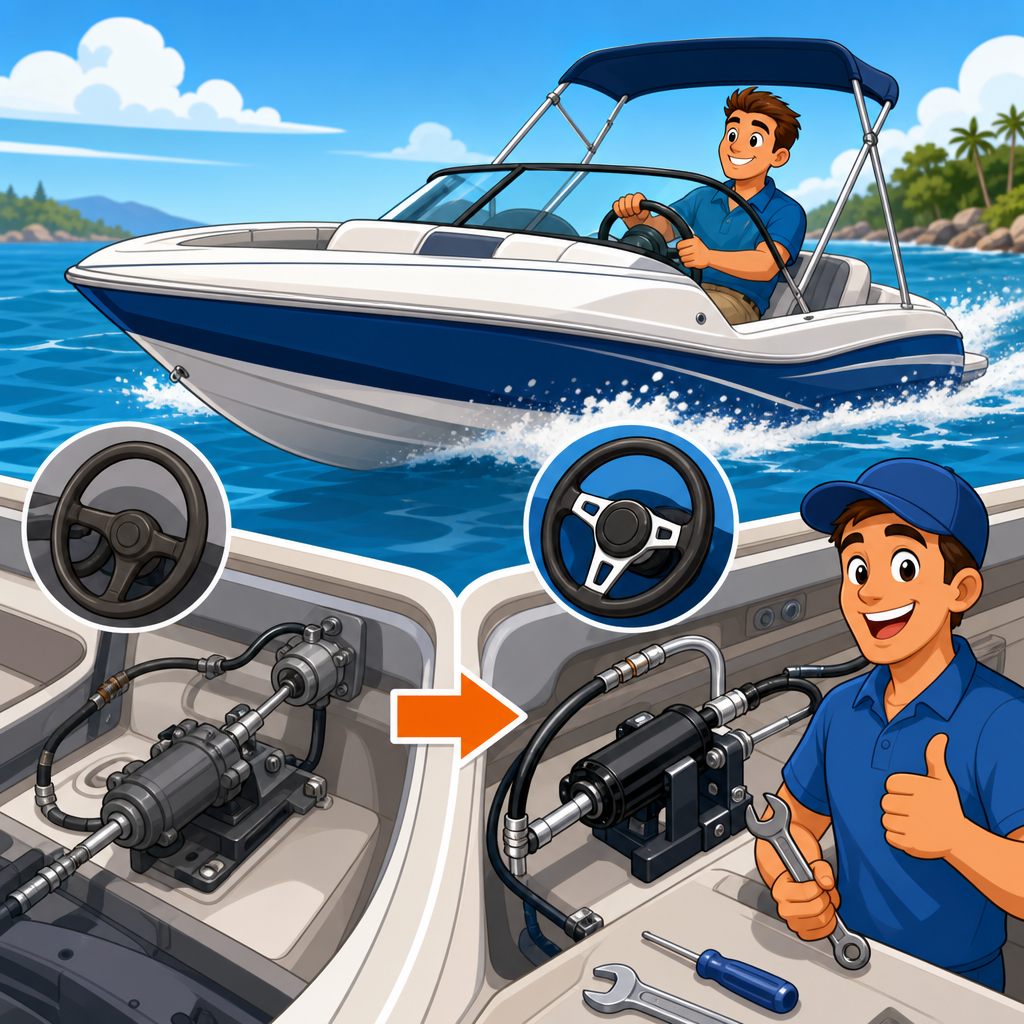
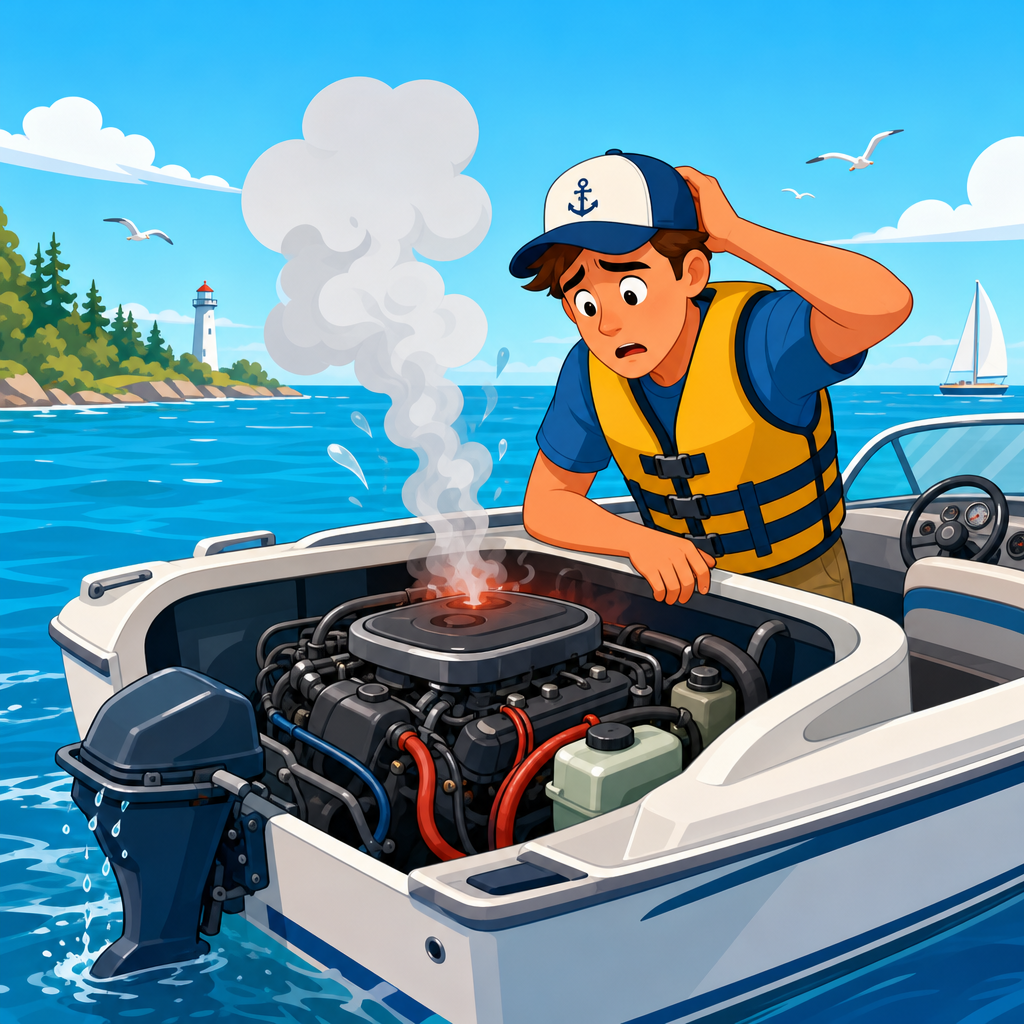
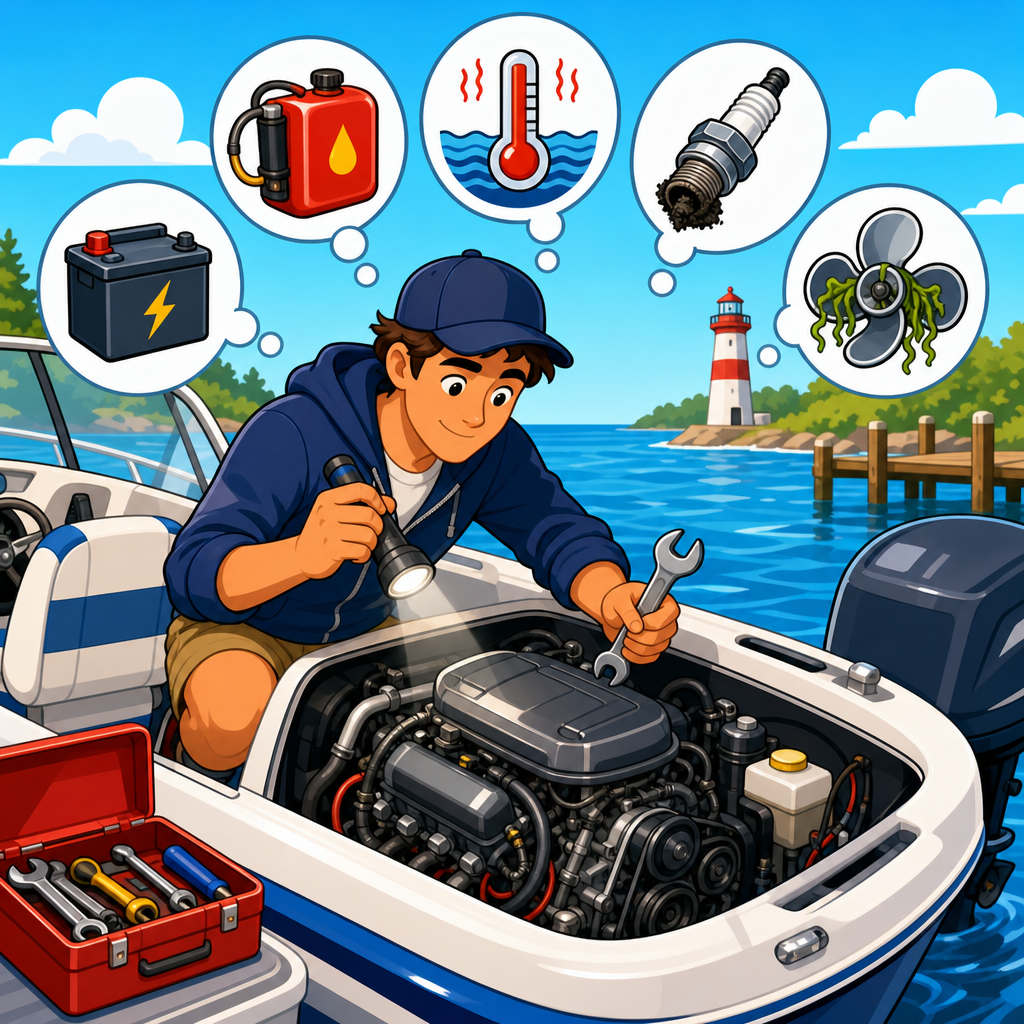
A stuck throttle or jammed gear shift on a boat is more than an inconvenience; it is a control failure that can quickly become a safety emergency. In practical terms, the throttle regulates engine speed, while the gear shift engages forward, neutral, and reverse through a mechanical or electronic linkage. When either control binds, slips, refuses to move, or stays locked in position, the boat may surge unexpectedly, lose maneuverability at a dock, or become difficult to stop in current or wind. I have dealt with this on outboards, sterndrives, and inboard control systems, and the pattern is usually the same: corrosion, cable wear, dried lubricant, a misadjusted linkage, or internal damage in the control box starts as a minor stiffness problem and eventually turns into a full jam.
This guide covers DIY solutions for fixing a stuck throttle or gear shift as part of a broader emergency boat repairs and quick fixes approach. The goal is not to replace a full service manual or ignore manufacturer procedures; the goal is to help you diagnose the failure safely, restore temporary control when possible, and decide when the repair is no longer a dockside job. For boat owners, understanding this system matters because control problems rarely happen at a convenient time. They show up when leaving a ramp, approaching a fuel dock, crossing a busy channel, or trying to trailer the boat before weather turns. A prepared owner can often isolate the issue in minutes, avoid making it worse, and get home safely. Just as important, this article serves as a hub for emergency boat repairs and quick fixes by showing how throttle and shift problems intersect with battery issues, steering failures, fuel delivery interruptions, and kill switch operation during a real on-water incident.
The most important principle is simple: never force a stuck marine control. Excessive force can kink a cable, break a lever, damage a shift actuator, or leave the engine stuck in gear. Start with symptom-based diagnosis. If the handle will not move at all, the bind is often in the control head or cable. If the handle moves but the engine does not respond correctly, the problem is often at the engine linkage, cable end, or shift interrupt mechanism. If throttle movement feels normal in neutral but becomes stiff only when shifting, suspect cable routing, linkage corrosion, or a lower-unit shifting issue. These distinctions save time and reduce unnecessary disassembly.
Immediate safety steps before any throttle or shift repair
Before touching a control cable or opening a binnacle, stabilize the situation. Shut the engine down if you can do so safely. If you are approaching a dock or hazard and the engine is stuck at elevated throttle, use the emergency stop switch, turn the key off, and warn everyone onboard. Deploy fenders early, prepare lines, and use a paddle, boat hook, anchor, or trolling motor if available to control drift. On twin-engine boats, use the unaffected engine at idle only and keep turns wide. I have seen owners focus so hard on the mechanical fault that they ignore boat position, and that is how a minor repair becomes hull damage.
Once immediate collision risk is under control, check the basics. Confirm the helm is in neutral if possible, verify the kill switch lanyard is attached, and make sure no loose gear is interfering with the control handle. On side-mount controls, a dropped dock line, coiled washdown hose, or life jacket strap can wedge behind the lever and mimic a mechanical jam. If the control became stiff after rain or washdown, water intrusion and corrosion inside the control box are likely. If the stiffness appeared suddenly after maintenance, suspect misrouted cables, over-tightened clamps, or an incorrectly installed cable end.
A safe emergency response kit helps here. Keep screwdrivers, nut drivers, marine grease, corrosion inhibitor, cable ties, spare cotter pins, snap clips, a headlamp, nitrile gloves, and the engine service manual onboard. A small mirror and telescoping magnet are also useful when working in cramped outboard splashwells or under dash panels. These tools support many emergency boat repairs and quick fixes, not just throttle control problems, and they pay for themselves the first time you need to secure a disconnected linkage before calling for a tow.
How to diagnose where the throttle or gear shift is sticking
The fastest reliable method is to isolate the system into three parts: the helm control, the cable, and the engine or transmission linkage. Start at the engine end with the engine off. Remove the cowling on an outboard or open the engine hatch on an inboard or sterndrive. Locate the shift cable and throttle cable where they attach to the engine linkage. Many systems use clip-retained cable ends and a threaded adjustment barrel. Disconnect one cable at a time, noting orientation and hardware order. Now move the helm handle gently. If the control becomes free when the cable is detached, the engine-side linkage is the source. If it still binds, the cable or helm control is at fault.
Next, move the disconnected cable manually. A healthy cable slides smoothly with steady resistance. A bad cable feels gritty, notchy, heavy, or frozen in one section of travel. In the field, I treat any cable with inconsistent drag as suspect even if it still moves, because internal corrosion tends to progress quickly once moisture enters the jacket. If the cable feels smooth but the engine linkage is stiff, inspect pivot points, bell cranks, shift levers, and return springs for salt buildup, rust staining, bent components, or missing bushings. Mercury, Yamaha, Honda, Suzuki, Volvo Penta, and MerCruiser all have slightly different layouts, but the diagnostic logic is the same.
Finally, inspect the helm control itself. Remove the cover carefully and look for hardened grease, white aluminum corrosion, cracked plastic bushings, loose fasteners, and worn detent parts. Many stuck control complaints come from old grease turning waxy inside the throttle and shift cam mechanism. Teleflex SeaStar, Uflex, and OEM binnacle controls can all develop this issue after seasons of heat and moisture. Clean only what you can access without disturbing synchronization settings or neutral safety switch alignment. If internal parts are visibly broken, stop the DIY attempt and plan replacement rather than improvising a critical control mechanism.
| Symptom | Most Likely Cause | Best Quick Check | Temporary Action |
|---|---|---|---|
| Handle will not move at all | Frozen cable or seized control head | Disconnect cable at engine and retest handle | Lubricate exposed pivots; do not force lever |
| Handle moves, engine stays in gear | Detached or broken shift linkage | Inspect cable end clips and shift arm | Reconnect clip or secure linkage if intact |
| Throttle stiff only in one direction | Kinked cable or corroded throttle pivot | Move cable by hand through full travel | Reroute cable gently; lubricate pivot |
| Can shift, but throttle will not increase | Throttle cam obstruction or cable slip | Watch linkage while advancing control | Tighten loose cable anchor if hardware is sound |
| Control works at dock, binds underway | Cable routing under load or engine movement | Check bends, clamps, and splashwell clearance | Relieve sharp bend and secure cable run |
DIY fixes for a stuck throttle cable or binding control handle
If diagnosis points to the throttle cable or helm mechanism, begin with the least invasive fix. Clean exposed pivots and moving joints with a marine-safe cleaner, wipe away old residue, and apply a light marine grease to pivot pins and cam surfaces. Avoid flooding enclosed control cables with random aerosol lubricant. On older boats, people often spray penetrating oil into the cable jacket, and while that can free movement briefly, it also attracts debris, washes out designed lubrication, and rarely lasts. A cable that is internally corroded should be replaced, not revived. The American Boat and Yacht Council guidance on control systems emphasizes secure attachment, full travel, and reliable neutral engagement; a cable that only works after repeated spraying does not meet the standard of dependable operation.
For a control handle that sticks because the control box is dirty or dry, remove corrosion carefully with a nylon brush or fine abrasive pad, then re-grease contact surfaces. Check friction adjustment screws if your control has them. An over-tightened friction screw can make a healthy throttle feel seized, especially on single-lever controls where throttle and shift share the same housing. Back the screw off incrementally and retest. Also verify the neutral warm-up button or throttle-only release is returning fully. If that mechanism hangs partially engaged, the lever can behave erratically and confuse diagnosis.
If the problem is cable routing, look for sharp bends tighter than the cable manufacturer recommends. Cables routed through cramped rigging tubes, under battery trays, or around fuel tanks often develop crushing points. Straightening a severe bend on the spot may restore function enough to get back to the ramp at idle. Secure the corrected route with cable ties or cushioned clamps so engine movement does not recreate the bind. On outboards, pay special attention to full steering lock on both sides. A cable can feel fine with the motor centered yet jam when the engine turns hard to port or starboard because the loop in the splashwell is too short.
When replacement is clearly needed, measure the existing cable accurately before ordering. Most marine control cables are marked near the jacket end with a length and series designation, such as 3300 or 33C style. Matching stroke length and end fitting is essential. During installation, I always compare old and new cables side by side, transfer bends gradually, and verify full travel at the engine before securing clamps. That approach prevents many repeat failures and supports other emergency boat repairs and quick fixes because a properly routed control cable reduces strain on steering hoses, rigging boots, and electrical harnesses sharing the same path.
DIY fixes for a stuck gear shift and engine-side linkage problems
A stuck gear shift often originates at the engine, not the helm. On outboards, inspect the shift linkage under the cowling and the shift shaft area for salt crystals, rust, missing clips, or evidence that the lower unit was recently serviced. A misadjusted shift rod after water pump or gearcase work can leave the boat hard to shift into gear or unable to return to neutral cleanly. On sterndrives, check the shift plate, cable barrel, and interrupt switch. MerCruiser systems in particular are sensitive to cable condition and adjustment; when the lower shift cable drags, the interrupt system can chatter or shifting can become harsh. On inboards with mechanical transmissions, inspect the transmission lever and cable anchor for looseness and verify the lever reaches the detent positions fully.
For emergency correction, reconnect any obviously disconnected cable end using the proper clip, washer, and cotter pin if available. If a clip is missing, a temporary retainer can be fashioned from stainless seizing wire only to idle back to port, but it must be treated as a temporary measure and replaced immediately. Lubricate corroded pivot points lightly, then cycle the linkage by hand with the engine off. If it frees up and returns positively, reconnect the cable and retest. If the linkage remains stiff, do not force the helm. Continuing can damage shift dogs, cable ends, or control internals.
Some boat owners ask whether they can shift manually at the engine to get home. In limited cases, yes. With the engine off, you can place the transmission or outboard linkage in neutral or, if conditions demand, in forward gear for a slow return. This should be done only if you fully understand the linkage position, can start safely in that configuration, and have a clear route without docking complexity. Starting in gear may bypass normal safety expectations and can be dangerous. In real use, I reserve manual engine-side shifting for calm conditions, open water, and a direct run to the nearest safe haul-out.
When a quick fix is enough, and when to stop and call for service
The right threshold is reliability, not mere movement. A control that moves once after lubrication but still feels rough, inconsistent, or partially obstructed is not fixed. It is warning you that a cable, bushing, or internal control component is failing. A quick fix is acceptable when the root cause is obvious and limited: a loose cable clamp, a missing retaining clip you can properly replace, a friction screw set too tight, or surface corrosion on an exposed pivot that frees completely after cleaning. In those cases, test repeatedly at the dock with the engine off, then with the engine idling and the boat secured, before trusting the system under way.
Stop and call for professional service when the control jams repeatedly, the cable jacket is cracked, the linkage is bent, the lower unit may be misadjusted, or the helm control housing shows broken internal parts. The same applies if the boat will not hold neutral, surges in RPM, or shifts with grinding. Those symptoms suggest wear or adjustment problems deeper than a dockside repair should address. A marine technician will use service-manual travel specifications, shift cable preload procedures, and model-specific neutral safety switch checks that most owners should not guess at.
The larger lesson for emergency boat repairs and quick fixes is preparedness. Inspect throttle and shift systems at the start of the season, move the controls through full travel before every trip, replace aging cables before they fail, and keep manufacturer diagrams onboard or downloaded offline. If you want your boat maintenance and repairs routine to prevent real emergencies, start with the controls that determine whether the boat accelerates, stops, and docks safely. A twenty-minute inspection can prevent a dangerous loss of control, an expensive tow, or impact damage at the marina. Make control-system checks part of your standard maintenance plan, and address stiffness early instead of waiting for a true stuck throttle or gear shift on the water.
Frequently Asked Questions
What are the most common reasons a boat throttle or gear shift gets stuck?
A stuck throttle or jammed gear shift is usually caused by a problem somewhere along the control path, not just at the handle itself. On many boats, the most common culprit is a binding or corroded control cable. These cables run from the helm control box to the engine or transmission linkage, and over time they can collect moisture, salt, dirt, and internal rust. Once that happens, the cable may become stiff, sticky, or completely frozen in one position. Another frequent cause is lack of lubrication at pivot points, linkage arms, or the control mechanism inside the throttle/shift box. If a moving part dries out or corrodes, it can resist motion and make the control feel unusually hard to move.
There are also mechanical causes at the engine side. Shift linkages can become misaligned, bent, or obstructed by worn hardware, debris, or damaged brackets. In some cases, the throttle friction adjustment may be set too tight, making the lever feel seized when it is really over-tensioned. Boats with older single-lever controls can also develop internal wear in the control head, including broken springs, worn detents, or corrosion inside the housing. On electronic throttle and shift systems, the issue may involve a faulty actuator, power interruption, or a control module error rather than a physical cable. Identifying whether the resistance is coming from the helm, the cable, or the engine/transmission end is the key first step before attempting any DIY fix.
How can I safely diagnose whether the problem is in the control handle, the cable, or the engine linkage?
Start with safety first. Shut the engine off, remove the ignition key, and make sure the boat is secure at the dock or on the trailer before touching any controls. If the boat is in the water, confirm there is no chance it could drift or move unexpectedly while you are testing components. Once the engine is off, move the throttle or shift lever gently and pay attention to how it feels. A lever that is completely locked may indicate severe cable seizure or a jam inside the control box, while one that moves partway and then binds may point to linkage interference or cable damage.
The most effective DIY diagnostic method is isolation. Access the engine-side throttle and shift linkage and disconnect the suspect cable from the engine or transmission lever, following your manufacturer’s procedure. After disconnecting it, test the helm control again. If the handle moves freely once the cable is detached, the problem is likely at the engine linkage or transmission arm. If the handle is still stiff, the issue is probably in the cable or inside the control head. Next, move the detached cable manually by pushing and pulling the cable end. A healthy cable should move smoothly with steady resistance. If it feels gritty, uneven, or stuck, the cable is failing internally and usually needs replacement rather than lubrication. Then manually move the engine or shift lever by hand. If that linkage is difficult to move on its own, inspect for corrosion, bent parts, seized pivots, or an engine/transmission issue requiring service. This step-by-step separation prevents guessing and helps you avoid replacing the wrong part.
Are there any DIY fixes that actually work, or does a stuck throttle or gear shift always mean replacement?
There are several DIY fixes that can work, but it depends on what has actually failed. If the problem is external corrosion, dried grease, or a dirty pivot point, cleaning and lubricating the mechanism may restore normal movement. Start by inspecting the helm control assembly, exposed linkage joints, and engine-side pivot arms. Remove grime, salt residue, and corrosion with appropriate marine-safe cleaners, then apply a corrosion-resistant marine lubricant to the moving joints and pivots. If the control box has a friction adjustment, check whether it is set too tight and back it off slightly according to the manufacturer’s instructions. On some systems, a simple adjustment to cable routing can also help if the cable has developed too sharp a bend or is being pinched behind panels.
That said, not every stiff control should be “freed up” and put back into service. If the cable is seized internally, frayed, kinked, or swollen from water intrusion, replacement is the correct repair. Spraying lubricant into a failing cable may provide temporary improvement, but it does not solve internal corrosion and can create a false sense of security. Likewise, if the control head has cracked internal parts, damaged detents, or significant corrosion inside the housing, rebuilding or replacing the unit is usually the safer option. A good rule is this: if the issue is surface contamination, mild corrosion, or adjustment-related, DIY cleaning and lubrication may help; if the issue is internal cable failure, broken hardware, or recurring sticking, replacement is the reliable long-term fix.
What tools and supplies should I have before trying to fix a stuck throttle or jammed gear shift myself?
For a practical DIY inspection and repair, you do not need a full machine shop, but you do need the right marine-focused basics. Start with hand tools such as screwdrivers, a socket set, open-end wrenches, pliers, and needle-nose pliers for cotter pins or cable clips. A flashlight or headlamp is essential because throttle and shift components are often hidden in dark bilge or engine-compartment spaces. Keep a small inspection mirror handy to see behind linkages and inside the control box area. If you plan to remove access panels, a trim tool or multi-bit driver can also save time and prevent cosmetic damage.
For cleaning and restoration, have marine-safe degreaser, clean rags, a nylon brush, fine abrasive pads for light surface corrosion, and a marine corrosion inhibitor or waterproof lubricant designed for exposed linkages and pivots. Replacement cotter pins, retaining clips, cable ties, and stainless fasteners are also useful because small hardware often gets damaged or lost during disassembly. If you suspect the cable is the issue, have the exact replacement cable specifications ready before removing the old one, including length, end fittings, and compatibility with your control system. Most importantly, keep the engine and control manufacturer’s service manual nearby if possible. The manual helps with correct adjustment procedures, neutral safety considerations, and any system-specific warnings that can prevent a simple repair from turning into a dangerous misadjustment.
When should I stop the DIY repair and call a marine mechanic instead?
You should stop and bring in a professional whenever the problem moves beyond basic cleaning, lubrication, inspection, or straightforward cable replacement. If the boat has electronic throttle and shift controls, diagnostic faults, or actuator problems, those systems usually require specialized tools and manufacturer-specific procedures. The same applies if you find signs of transmission issues, such as the shift linkage moving normally while the gear engagement still fails, or if the throttle linkage works mechanically but engine speed does not respond correctly. Those symptoms may indicate internal engine or transmission problems rather than a simple control issue.
You should also call a marine mechanic if the control continues to stick after cleaning and adjustment, if the cable route is difficult to access, or if you are not fully confident in reassembling and adjusting the system. Incorrect throttle or shift adjustment can create serious safety hazards, including unintended acceleration, inability to reach neutral, poor reverse engagement, or gear grinding. Professional help is especially important if the boat is used in strong current, crowded marinas, or offshore conditions where precise control matters. A stuck throttle or jammed shifter is not just an annoyance—it is a control system failure. DIY work is appropriate when you can clearly isolate and correct the fault, but if there is any doubt about safe operation after the repair, the smartest move is to have the system inspected and tested by a qualified marine technician before getting back on the water.