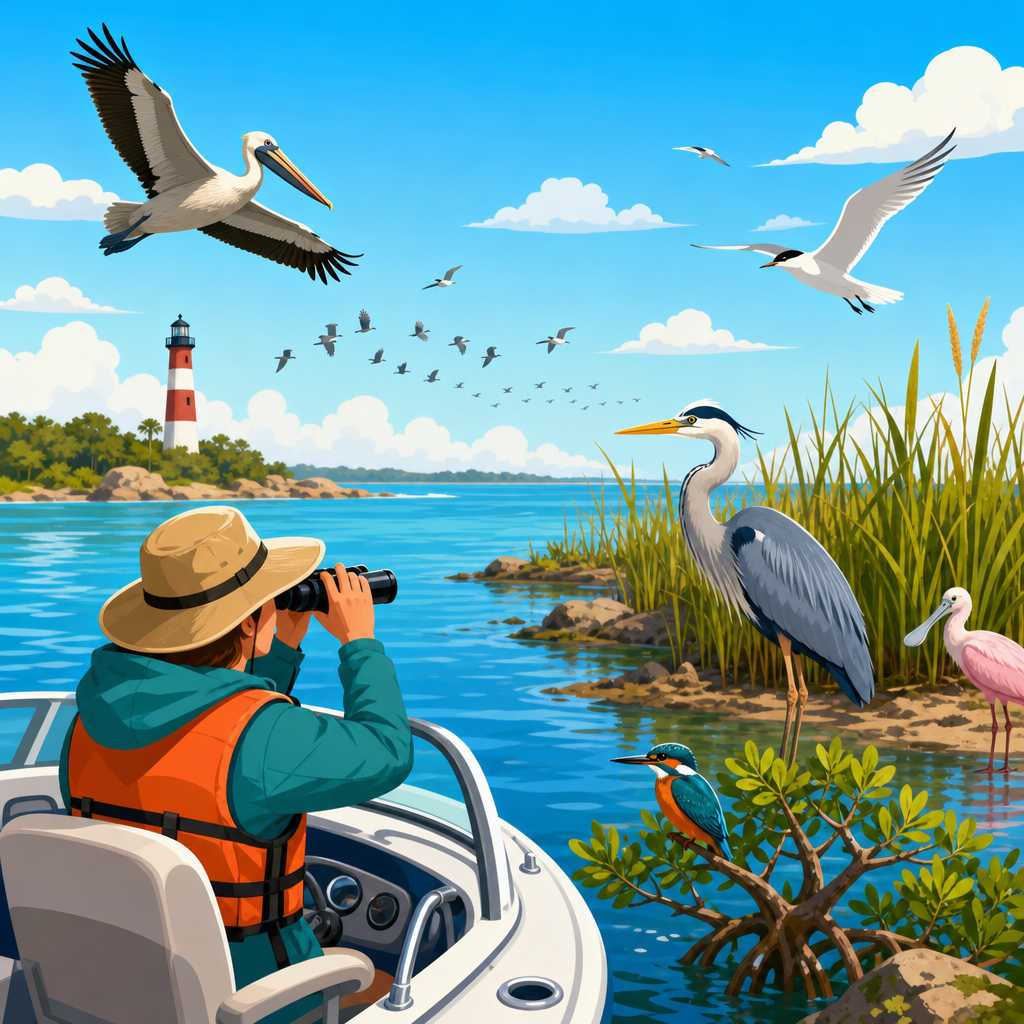
Best boating destinations for birdwatchers combine navigable water, healthy habitat, predictable seasonal movement, and practical access for small craft. For travelers who care as much about warblers, herons, albatrosses, or flamingos as they do about anchorages and launch ramps, the right destination is not just scenic. It is a place where wind, tides, wetlands, pelagic waters, and conservation rules align to create outstanding wildlife encounters from a boat. In years of planning wildlife-focused cruising itineraries, I have learned that the most rewarding trips start with one question: what birds are using this waterway, and why are they here now?
Birdwatching by boat differs from birding on foot because water gives access to rookeries, mudflats, estuaries, offshore feeding zones, and reed-lined backwaters that are difficult or impossible to reach from land. It also changes how you evaluate a destination. A birder in a kayak may want sheltered marsh channels with quiet paddling and close-range views. A sailor might prioritize coastal passages where seabirds follow updrafts along headlands. An angler with a center console may seek tidal bays where ospreys, pelicans, and terns hunt baitfish over the same structure. This makes boating for adventure and wildlife watching a distinct travel category, with its own logistics, ethics, and destination planning.
The best birdwatching boating destinations matter because they deliver more than a checklist. They reveal ecological relationships in real time. On Florida Bay, roseate spoonbills track changing salinity and prey availability. In Alaska’s Kenai Fjords, puffins, kittiwakes, and murres concentrate where cold nutrient-rich water drives marine productivity. In Costa Rica’s canals, kingfishers, jacanas, and boat-billed herons share habitat edges shaped by flooding cycles. Understanding these patterns improves trip timing, increases sightings, and helps boaters avoid disturbing sensitive nesting or feeding behavior.
This hub article covers the leading regions, trip styles, timing windows, boat choices, and planning factors that define excellent birdwatching on the water. It also serves as a guide to the broader boating for adventure and wildlife watching category. If you are building a travel list for family cruising, expedition chartering, kayak touring, or trailer-boat exploration, use these destinations as starting points and compare them against bird diversity, sea conditions, regulations, and access. The goal is simple: choose waterways where boating adds real wildlife value, then travel in a way that protects the birds you came to see.
What Makes a Boating Destination Great for Birdwatchers
A great birdwatching boating destination has four essentials: habitat diversity, seasonal reliability, safe water access, and clear wildlife management rules. Habitat diversity matters because birds partition space. Mangroves support roosting egrets and night herons, mudflats hold shorebirds, seagrass beds attract waders and feeding ducks, and offshore banks draw pelagic species. Seasonal reliability matters because migration, breeding, and wintering cycles determine abundance. A destination with excellent summer nesting colonies may be quiet in winter, while an estuary famous for spring shorebird migration may not deliver the same spectacle in fall.
Safe access is equally important. I rate destinations highly when launch sites, mooring options, weather windows, and charted channels make wildlife viewing feasible without expert-only seamanship. Places like the Norfolk Broads in England or the Gulf Islands of British Columbia reward cautious recreational boaters, while outer-coast routes near South Georgia or the Aleutians are extraordinary but demand expedition-grade planning. Rules matter because the best birding areas are often protected. No-wake zones, seasonal closures, setback distances from colonies, and restrictions on landing protect breeding success and reduce stress responses in birds.
Serious birders should also assess visibility and pace. Quiet electric boats, kayaks, and shallow-draft skiffs are ideal in marshes and lagoons because they minimize noise and prop wash. Offshore trips often need a more seaworthy vessel with stable drift characteristics for scanning shearwaters, storm-petrels, or gannets. Optical tools matter on the water more than many travelers expect. A 7x or 8x binocular with good low-light performance is easier to stabilize aboard than a 10x model, and waterproof field guides or offline bird apps are essential where mobile coverage is weak.
Top Boating Destinations for Birdwatchers Worldwide
Florida Everglades National Park ranks among the best boating destinations for birdwatchers because it combines mangrove creeks, open bays, freshwater marsh, and remote coastal islands in one navigable system. Boaters regularly encounter wood storks, white pelicans, reddish egrets, mangrove cuckoos, ospreys, and spoonbills. The park’s Wilderness Waterway and backcountry camps create multi-day routes, while guided skiff and kayak trips suit shorter visits. Winter and early spring usually provide the strongest concentration of wading birds as water levels fall and prey becomes easier to catch.
Alaska’s Inside Passage and Kenai Fjords offer a different experience: cold-water seabird spectacle. Horned and tufted puffins, marbled murrelets, black-legged kittiwakes, common murres, bald eagles, and pelagic cormorants are routine in season. Glacial fjords concentrate forage fish, and sheer cliffs create major nesting ledges. These waters are unforgettable, but they require respect for cold exposure, tides, and fast-changing weather. For many travelers, the best format is a small-ship expedition cruise, though experienced private boaters and sea kayakers can bird productively in calmer inlets and protected passages.
Costa Rica’s Tortuguero and Palo Verde regions are outstanding for tropical boat birding. Tortuguero’s canals deliver close views of green ibises, tiger herons, northern jacanas, toucans moving between river-edge trees, and occasional raptors over the forest. In Guanacaste, boat access through wetlands near Palo Verde can produce jabiru, boat-billed heron, roseate spoonbill, and masses of migratory waterfowl. These trips work especially well for travelers who want high species counts in short time blocks, because the habitat is concentrated and local guides know exact feeding and roosting areas.
Europe has several exceptional options. Spain’s Doñana wetlands support flamingos, glossy ibis, marsh harriers, and huge numbers of migratory shorebirds in connected estuarine habitats near the Guadalquivir. The Camargue in southern France offers lagoon boating with flamingos, terns, herons, and seasonal duck concentrations. In the United Kingdom, the Norfolk Broads are less dramatic visually than a tropical mangrove coast, but they are remarkably accessible for family boating and produce marsh harrier, bittern, bearded tit, avocet, and winter wildfowl across a well-managed wetland landscape.
For offshore specialists, New Zealand’s Hauraki Gulf, Monterey Bay in California, and parts of South Africa’s Western Cape stand out. These destinations support organized pelagic trips where birders can target shearwaters, petrels, albatrosses, skuas, and storm-petrels using current lines, submarine canyons, and productive upwelling zones. The skill set here is different from estuary birding. You spend more time reading sea state, slicks, mixed feeding flocks, and marine mammal activity, because tuna, dolphins, or whales often signal concentrated prey and therefore concentrated seabirds.
| Destination | Best For | Signature Birds | Ideal Season |
|---|---|---|---|
| Everglades, USA | Mangroves and backcountry skiff routes | Roseate spoonbill, reddish egret, osprey | Winter to early spring |
| Kenai Fjords, USA | Seabird cliffs and fjord cruising | Puffins, murres, kittiwakes | Late spring to summer |
| Tortuguero, Costa Rica | Tropical canal birding | Tiger heron, jacana, kingfisher | Dry to shoulder season |
| Doñana, Spain | Estuary and migration staging areas | Flamingo, glossy ibis, shorebirds | Spring and autumn |
| Hauraki Gulf, New Zealand | Pelagic bird excursions | Albatrosses, petrels, shearwaters | Varies by target species |
Choosing the Right Boat and Trip Style
The right boat depends on habitat, distance, and how quietly you need to move. Kayaks and canoes are the best choice in narrow marsh creeks, oxbow lakes, and protected lagoons where birds tolerate slow low-profile approaches. They are especially effective for rails, bitterns, gallinules, and kingfishers because you can drift, stop instantly, and avoid engine noise. The tradeoff is range, exposure, and storage. If your destination has strong tides, afternoon winds, or long crossings, a paddle craft may turn a birding outing into a safety problem.
Small skiffs, electric boats, and shallow-draft center consoles are ideal general-purpose platforms for estuaries, mangrove bays, and river deltas. They cover water efficiently, can hold optics and cameras, and still access shallows where waders feed. For family groups, pontoon-style boats work well on inland reservoirs and slow rivers, though they are less suitable in chop or narrow creeks. Sailboats can be excellent in archipelagos and coastal passages because they offer quiet movement under sail, but they are not always practical for close-in marsh exploration or tight birding maneuvers.
For seabirds, stability and weather capability matter more than stealth. A pilothouse boat, expedition yacht, or regulated commercial pelagic vessel allows birders to remain on station offshore, where exposure and swell quickly reduce concentration. On many of my pelagic trips, the key difference between a successful day and a disappointing one was not the destination itself but whether the skipper understood drift presentation, chum protocols where legal, and how to position the vessel relative to wind and sun so observers could see field marks clearly.
When to Go: Migration, Breeding, and Local Conditions
Timing is the single biggest factor in birdwatching success. Migration creates peak diversity, breeding season creates predictable colony behavior, and winter often concentrates birds into smaller feeding areas. In temperate estuaries, spring and autumn can produce spectacular shorebird passage. In subtropical wetlands, the dry season often improves visibility because receding water concentrates fish and invertebrates, drawing herons, storks, and spoonbills into accessible channels. Offshore, timing depends on oceanography as much as calendar date. Upwelling periods, spawning baitfish, and current edges can dramatically change what species are present.
Weather affects birds and boaters simultaneously. Strong winds may push seabirds closer to shore, helping land-based observers, but they can ruin a small-boat outing. Overcast conditions often soften glare and improve viewing on water, while high noon can flatten detail on white birds and make identification harder. Tide stage matters in estuaries because mudflats are productive at low water, but roost flights often occur on rising tides. Smart trip planning means matching your target species to these conditions rather than choosing dates only by airfare or holiday schedules.
Local knowledge pays off. eBird bar charts, regional bird observatory reports, and protected area advisories reveal week-by-week patterns far better than generic travel guides. In North America, Audubon resources and refuge websites often publish seasonal bird lists and closure notices. In the United Kingdom, the RSPB and local wildlife trusts provide current habitat and access updates. These sources help you answer practical questions fast: Are spoonbills nesting now? Are channels navigable at current water levels? Is a colony closed for breeding? That is the information that turns a pleasant boat ride into a purposeful birding trip.
Ethical Wildlife Watching and Conservation Rules
Birdwatching from a boat only works long term if boaters protect the birds and habitats that make the experience possible. The core rule is distance. If birds stop feeding, call repeatedly, flush from nests, or orient toward you in alarm, you are too close. Many managed areas publish setback guidelines, and those distances should be treated as minimums, not targets. In breeding season, repeated disturbance can expose eggs and chicks to heat, cold, predation, or trampling by adults returning in panic.
Wake is another overlooked issue. In shallow marshes and mangrove creeks, excessive wake erodes banks, damages vegetation, and swamps nests near the waterline. Propeller scarring in seagrass beds degrades fish habitat that supports pelicans, terns, cormorants, and wading birds. I always recommend slow travel in bird-rich zones, engine neutral when drifting into a viewing position, and complete avoidance of playback calls around nesting or territorial birds. Photography ethics also matter. A stronger image is never worth forcing a flush or blocking a bird’s path back to its nest.
Choose operators and destinations that support conservation directly. Certified local guides, national park concessionaires, and community-run wetland tours often provide the best interpretation because they work within management plans and know species-sensitive zones. Entrance fees and permit systems are not obstacles; they are often what funds habitat restoration, invasive species control, and ranger oversight. If you want these birdwatching boating destinations to remain world class, responsible boating is not optional. It is part of the trip.
How to Build a Birdwatching Boating Itinerary
The most effective itineraries combine one flagship destination with one or two supporting habitats. For example, a South Florida trip might pair Everglades backcountry boating with a day on Florida Bay and another in the Ten Thousand Islands. A California wildlife itinerary could combine Elkhorn Slough for marsh birds with Monterey Bay for pelagics. This hub approach gives you taxonomic variety and weather flexibility. If offshore conditions cancel one day, an estuary or river plan can still produce excellent birding.
Pack for marine conditions first and birding second. Dry bags, layered clothing, polarized sunglasses, sun protection, and a simple waterproof notebook matter as much as optics. Bring binoculars with a floating strap if you will be in open boats or kayaks. Download navigation charts and bird apps in advance. Most important, leave margin in the schedule. The best sightings often come from waiting quietly through a tide change, circling back to a feeding flock, or taking a guide’s advice to shift launch points based on wind. Start with one destination from this list, research seasonal timing, and book a boating trip that puts birds at the center of the route.
Birdwatching by boat rewards travelers who plan with precision and observe with patience. The best destinations share common traits: rich habitat, predictable bird movement, practical water access, and conservation rules that keep wildlife first. Whether you choose mangrove mazes in the Everglades, seabird cliffs in Alaska, tropical canals in Costa Rica, Mediterranean wetlands, or pelagic waters rich with albatrosses and shearwaters, boating opens perspectives that land-based birding cannot match.
As a hub for boating for adventure and wildlife watching, this guide highlights the core decisions that shape every successful trip: destination, season, vessel, ethics, and itinerary design. Use it to narrow your shortlist, then go deeper into local route planning, bird calendars, and operator quality before booking. The payoff is substantial: closer access to productive habitat, more species in less time, and a stronger understanding of how birds use water landscapes. Choose a region, match it to the right season, and start building a birdwatching boating trip that is memorable for the right reasons.
Frequently Asked Questions
What makes a boating destination especially good for birdwatching?
The best boating destinations for birdwatchers usually bring together four essential factors: rich habitat, reliable bird activity, safe and practical boating access, and rules that protect wildlife without making the trip unworkable. From a birding perspective, productive destinations often include estuaries, marshes, mangrove shorelines, tidal flats, island chains, sheltered bays, and nearshore pelagic waters. These environments concentrate food and shelter, which means boaters have a much better chance of seeing a wide range of species, from wading birds and waterfowl to seabirds and migrants. A place with healthy habitat almost always outperforms one that is simply scenic.
Seasonality matters just as much as scenery. A destination may be outstanding during spring migration, peak breeding season, fall movement, or winter refuge months, but relatively quiet at other times of year. Strong birdwatching destinations are those where seasonal patterns are predictable enough that boaters can plan around them. For example, one area may be known for warblers moving through sheltered coastal forests, while another is better for herons, spoonbills, or flamingos in shallow lagoons. Offshore waters can be excellent for shearwaters, petrels, terns, or even albatrosses when currents, baitfish, and weather patterns line up. The more predictable the seasonal movement, the more valuable the destination becomes for wildlife-focused boaters.
Practical boating access is another major advantage. A top destination should offer usable launch ramps, marinas, fuel, charts, tide information, weather forecasting, and enough protected water for safe observation. Small-craft boaters, kayakers, and skiff operators often do best in places where they can move quietly through shallow water without heavy boat traffic. At the same time, access needs to be balanced with conservation. Destinations with clearly marked no-wake areas, buffer zones around nesting colonies, and guidance on approach distances tend to provide better birding in the long run because the birds remain less stressed and more likely to behave naturally.
When is the best time of year to go boating for birdwatching?
The best time depends on what species you want to see and what type of boating you plan to do, but in general, migration and breeding seasons are the most rewarding periods. Spring is often the top choice because birds are moving north, songbirds can be active along coastal stopover habitat, and many waterbirds begin courtship or nesting behavior. Fall can be equally productive, especially in estuaries and along major flyways, because migrants funnel through feeding areas and juvenile birds add to species totals. Winter, meanwhile, can be excellent in warmer coastal regions where ducks, geese, shorebirds, raptors, and waders gather in large numbers.
For boat-based birding specifically, tides and local water conditions can matter almost as much as the calendar. Low tide may expose mudflats full of shorebirds, while rising water can push birds into channels and marsh edges where they are easier to observe from a boat. Early morning is usually best for both bird activity and calmer boating conditions, though some seabird trips are timed around offshore wind patterns or current changes rather than sunrise alone. In tropical and subtropical destinations, wet and dry seasons can strongly influence water levels, salinity, prey concentrations, and therefore bird distribution.
It is also important to match your timing to the destination’s signature species. If your goal is to see flamingos, roseate spoonbills, puffins, pelagic shearwaters, or colonial nesting herons, the ideal window may be fairly narrow. Checking recent local reports, refuge updates, eBird sightings, and regional birding calendars can dramatically improve your success. Experienced birdwatching boaters rarely choose dates based only on vacation convenience; they choose dates based on migration timing, breeding cycles, tidal phases, and weather patterns that affect both birds and boating safety.
What are the best types of boats for birdwatching trips?
The best boat for birdwatching is usually the one that lets you move safely, quietly, and with minimal disturbance through the habitat you want to explore. In marshes, backwaters, lagoons, and mangrove creeks, kayaks, canoes, and shallow-draft skiffs are often ideal because they can reach productive areas that larger boats cannot access. These smaller craft also allow birders to stop, drift, and listen without engine noise overwhelming the experience. They are especially useful for spotting rails, herons, egrets, kingfishers, and other species that stay close to shoreline vegetation.
For larger bays, island passages, and mixed coastal routes, center consoles, small pilothouse boats, and stable open skiffs can be strong choices, particularly when birders need to cover more distance between hotspots. A boat with good visibility, secure standing space, and predictable handling in light chop can make a major difference during long observation sessions. If pelagic birding is part of the plan, seaworthy offshore vessels with experienced operators are essential. Species such as shearwaters, storm-petrels, gannets, jaegers, and albatrosses often require travel into open water, where comfort and safety become far more important than stealth alone.
Whatever the platform, birdwatchers should prioritize stability, quiet operation, and responsible maneuvering. Electric trolling motors, push poles, and controlled drifting are especially valuable in sensitive areas. Boats loaded with loud stereos, aggressive wakes, or frequent high-speed course changes are poor tools for birding and can disrupt feeding or nesting birds. A well-set-up birdwatching boat also benefits from practical details such as shaded seating, dry storage for optics, easy boarding for photographers, and enough deck organization to keep binoculars, field guides, cameras, and safety gear accessible without clutter.
How can boaters watch birds responsibly without disturbing them?
Responsible birdwatching from a boat starts with distance, patience, and reading behavior. If birds stop feeding, stand upright in alert posture, call repeatedly, flush, or begin moving away from shorelines or nests, the boat is too close. Good birdwatchers never measure success by how near they can get. They measure success by how naturally the birds continue to behave while being observed. In practice, that means slowing down well before entering a productive area, avoiding direct approaches, using binoculars or spotting scopes instead of closing the gap, and letting the boat drift or idle quietly whenever possible.
Nesting colonies deserve extra caution. Herons, terns, gulls, skimmers, pelicans, cormorants, and many island-nesting species are vulnerable to disturbance, especially during incubation and chick-rearing periods. A single close pass can cause adults to leave nests exposed to heat, weather, or predators. That is why many top birdwatching destinations have seasonal closures, marked exclusion zones, no-landing rules, and no-wake boundaries. Boaters should respect these rules fully, even if birds appear calm from a distance. Regulations are often based on long-term monitoring and are there to protect nesting success, not to reduce visitor enjoyment.
Responsible practice also includes wake control, route planning, and ethical photography. Avoid cutting through flocks on open water, crossing shallow flats at speed, or anchoring too close to roosts. Keep voices low, never use recorded calls where they may stress birds, and do not pressure wildlife for a better photo. If marine mammals are present as well, follow species-specific approach laws because bird-rich waters often overlap with other protected wildlife habitat. The most respected birdwatching boaters combine strong field skills with a conservation mindset, understanding that the quality of future encounters depends on today’s restraint.
What should I pack and prepare for a successful birdwatching boating trip?
A successful birdwatching boating trip depends on combining standard boating preparation with field-ready birding gear. At a minimum, pack quality binoculars, polarized sunglasses, layered sun-protective clothing, a hat, reef-safe sunscreen, drinking water, and a fully charged phone or VHF radio depending on the trip. If you plan to identify distant species, a camera with a telephoto lens or a spotting scope can be helpful, although spotting scopes are less practical on small boats unless conditions are very calm. A waterproof dry bag for optics and electronics is highly recommended, especially in saltwater environments.
Preparation should also include route research and wildlife intelligence. Study charts, tide tables, weather forecasts, local boating restrictions, refuge maps, and recent bird reports before launch. Knowing where shallow bars, oyster beds, mudflats, no-entry zones, and current lines are located can save time and reduce disturbance. It also helps to make a target list based on habitat and season. If the destination is known for marsh birds, seabirds, wintering ducks, or migration fallout, plan your route around those habitats rather than cruising aimlessly. Experienced boat-birders often build trips around a combination of launch efficiency, tidal stage, sun angle for viewing, and the timing of expected bird movement.
Finally, do not overlook comfort and safety. Motion sickness remedies, insect protection, a first-aid kit, extra batteries, a field guide or birding app, and snacks are small additions that can make a long day far more productive. If you are joining a guided outing or exploring a new destination, ask ahead about local hazards, ideal clothing,