Protecting marine life is no longer a niche concern for scientists, regulators, or large yacht operators; it is a practical responsibility for every boater who launches into coastal waters, inland lakes, rivers, or offshore passages. Global boating sustainability initiatives are organized efforts that reduce the environmental impact of recreational and commercial boating through cleaner propulsion, responsible wildlife interaction, waste reduction, habitat protection, citizen science, and compliance with international and local standards. When boaters ask how they can help protect marine life, the answer is not a single action but a system of choices made before departure, underway, at anchor, and back at the dock. I have worked with marina managers, sailing clubs, and cruising crews on sustainability planning, and the pattern is consistent: the most effective boaters treat conservation as part of seamanship, not an optional add-on.
This matters because marine ecosystems are under pressure from vessel strikes, noise, fuel spills, sewage discharge, abandoned fishing gear, shoreline erosion, invasive species, and the cumulative effects of climate change. According to the International Maritime Organization, biofouling and ballast-related transfer contribute to invasive species spread, while the International Union for Conservation of Nature has documented the vulnerability of whales, turtles, corals, and seagrass habitats to disturbance and pollution. Recreational boating may seem small compared with industrial shipping, yet concentrated local traffic can have outsized effects in nurseries, estuaries, marine protected areas, and popular anchorages. A single careless day can scar seagrass for years, stress nesting birds during breeding season, or introduce contaminants into waters used by fish, shellfish, and swimmers.
As a hub for eco-friendly and sustainable boating, this guide explains how to participate in global boating sustainability initiatives by translating broad goals into actions boaters can actually take. It covers standards, operating practices, habitat protection, wildlife-safe navigation, cleaner equipment choices, and ways to contribute data and advocacy. It also serves as a practical starting point for deeper topics such as sustainable anchoring, marine sanitation devices, green marina programs, low-emission propulsion, and responsible whale watching. If you own, charter, crew, or simply borrow a boat, you have leverage. Small operational changes repeated across thousands of boaters produce measurable environmental gains.
Understand the Global Initiatives That Shape Local Boating Practices
The first step is understanding that global boating sustainability initiatives are not abstract policy statements; they show up in marina rules, no-discharge zones, wildlife approach distances, clean fueling procedures, and protected area maps. Key institutions include the International Maritime Organization, which sets international conventions affecting pollution prevention and vessel operations; the United Nations Environment Programme, which supports marine conservation goals; and regional bodies that oversee protected habitats and fisheries. In many countries, these frameworks are translated into boating guidance through coast guards, environmental agencies, harbor authorities, and nonprofit certification programs.
For recreational boaters, the most relevant initiatives usually fall into six categories: pollution prevention, habitat protection, wildlife-safe navigation, invasive species control, emissions reduction, and community stewardship. Programs such as Clean Marina certification, Blue Flag marina standards, and local “pumpout first” campaigns convert broad sustainability principles into clear operating rules. I have seen the best adoption rates when clubs and marinas explain not just what the rule is, but why it protects marine life. For example, a mandatory pumpout policy is not simply a paperwork requirement; it reduces nutrient loading and pathogens that can trigger harmful algal blooms and shellfish bed closures.
Boaters should also understand the legal difference between recommended best practice and enforceable regulation. Speed reductions near manatee zones, mandatory reporting of marine mammal strikes, discharge restrictions, and protected area access rules may carry penalties. Other actions, such as switching to biodegradable cleaning products or participating in ghost gear retrieval, may be voluntary but still highly valuable. Read your national boating authority guidance, marina environmental handbook, and local notices to mariners at the start of every season. Sustainable boating begins with knowing the operating environment.
Reduce Pollution at the Source Before You Leave the Dock
The most reliable way to protect marine life is to stop pollution before it reaches the water. Fuel, oil, detergents, antifouling residues, plastics, graywater, sewage, and battery waste all affect aquatic organisms differently, but prevention is cheaper and more effective than cleanup. Start with a maintenance plan. Inspect fuel lines, hose clamps, tanks, and vents. Keep absorbent pads under engines and near fuel fills. Use a funnel or automatic shutoff nozzle when fueling, and never top off to the brim because thermal expansion can force fuel overboard. Even a small sheen can harm fish larvae and seabirds.
Wastewater management is equally important. If your vessel has a marine sanitation device, know exactly how it operates and where discharge is prohibited. Use pumpout facilities consistently. If your boat lacks onboard sanitation, plan shore access before departure rather than improvising. In crowded anchorages, untreated sewage can elevate bacteria, increase nitrogen and phosphorus levels, and degrade eelgrass and shellfish habitat. Graywater from sinks and galleys also matters. Choose phosphate-free soaps and avoid discharging food scraps, grease, or harsh cleaners that can alter water quality or attract wildlife to unsafe areas.
Routine cleaning choices have long-term ecological consequences. Copper-based antifouling paints remain common, but in enclosed marinas they can contribute to elevated metal concentrations in sediments. Depending on your hull material, operating area, and maintenance schedule, alternatives such as hard coatings, silicone foul-release systems, or regular in-water cleaning by approved divers may reduce biocide release. Match the solution to your boat and local fouling pressure; there is no universal answer. The key principle is simple: every chemical put on a hull or deck eventually interacts with the surrounding ecosystem.
Navigate in Ways That Protect Wildlife and Sensitive Habitat
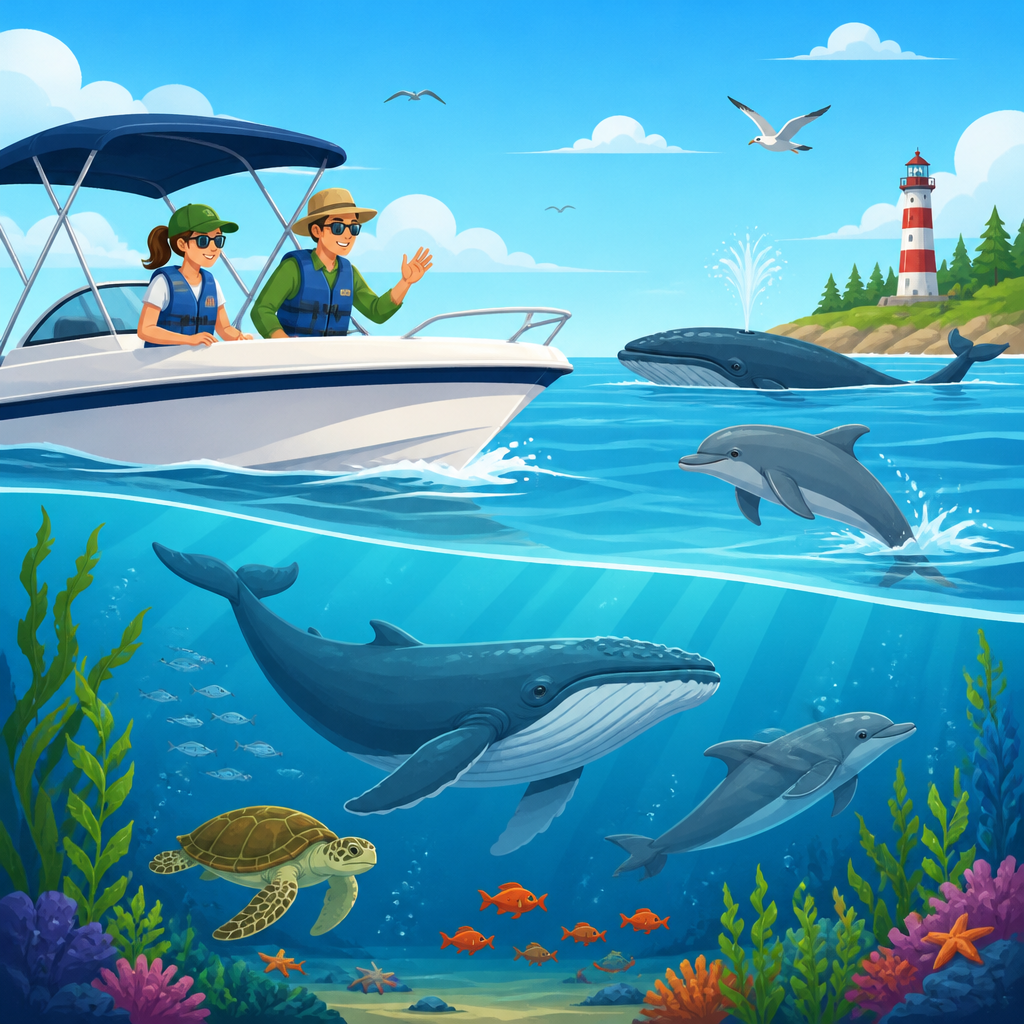
How you drive matters as much as what your boat is made of. Wildlife-safe navigation reduces collisions, minimizes noise stress, and protects underwater habitat from wake and propeller damage. In manatee habitat, idle-speed zones are designed because blunt trauma from vessel strikes is a major mortality factor. In whale migration corridors, voluntary or mandatory slowdowns lower both strike risk and underwater noise. I advise crews to treat posted speed restrictions as conservation tools, not obstacles to the day’s itinerary.
Approach distances are another core practice. Dolphins, whales, seals, turtles, nesting birds, and resting seabirds all need space. Chasing animals for photographs, cutting across travel paths, circling repeatedly, or separating mothers from young can alter feeding and breeding behavior. Many jurisdictions set explicit minimum distances, and responsible wildlife tour operators often exceed them. If an animal changes direction, dives repeatedly, tail slaps, or appears vigilant because of your presence, you are already too close. Neutral gear, reduced RPM, and a wider berth are the correct response.
Habitat awareness is just as important. Seagrass meadows stabilize sediment, store carbon, and shelter juvenile fish, yet they are easily scarred by propellers and anchors. Coral reefs can be damaged by grounding, chain drag, sunscreen runoff at crowded sites, and careless snorkeling access from tenders. Shallow flats, oyster beds, and salt marsh edges are similarly vulnerable. Use updated charts, depth sounders, marked channels, and designated moorings whenever available. If you are unsure whether a bottom is sensitive, assume it is and choose a lower-impact option.
| Boating action | Marine life benefit | Best tool or practice |
|---|---|---|
| Use pumpout facilities | Reduces pathogens and nutrient pollution | Marina pumpout map and holding tank log |
| Slow down in wildlife zones | Lowers strike risk and underwater noise | Chartplotter alerts and local notices |
| Anchor outside seagrass or coral | Prevents habitat scarring and breakage | Designated moorings and satellite mapping |
| Clean gear and hull responsibly | Limits invasive species transfer | Haul-out inspection and approved washdown |
| Report sightings and entanglements | Improves conservation response and data quality | Citizen science apps and hotline numbers |
Prevent Invasive Species Spread Through Better Maintenance and Trip Planning
Invasive species are one of the least visible but most consequential boating impacts. Organisms hitchhike on hulls, propellers, anchors, trailers, bilges, live wells, and recreational gear, then establish in new waters where they can outcompete native species. Zebra mussels, quagga mussels, and certain invasive seaweeds have changed ecosystems and increased maintenance costs across multiple regions. Prevention depends on disciplined routines: clean, drain, dry, and inspect after every trip, especially when moving between watersheds or from saltwater to freshwater systems.
Hull fouling deserves special attention because even small colonies can transport nonnative species over long distances. A boat that sits idle for weeks in warm nutrient-rich water can develop significant growth, increasing drag and fuel burn while raising transfer risk. Schedule haul-outs based on actual fouling rates rather than arbitrary intervals. Work with yards that capture washwater and paint debris properly. If in-water cleaning is permitted, use providers who follow local containment standards, because aggressive scraping can release invasive fragments and toxic coatings.
Anchors, chains, fenders, paddleboards, dive gear, and fishing equipment also move organisms. I have seen crews meticulously service engines while ignoring wet dock lines and anchor lockers that carry mud, seeds, and larvae between estuaries. Make decontamination visible and habitual. Keep a freshwater rinse setup at home or in the marina, inspect intakes and trailer bunks, and dry equipment thoroughly before entering a new water body. This is one of the simplest ways boaters can help protect marine life at ecosystem scale.
Choose Cleaner Propulsion, Power, and Equipment Without Greenwashing
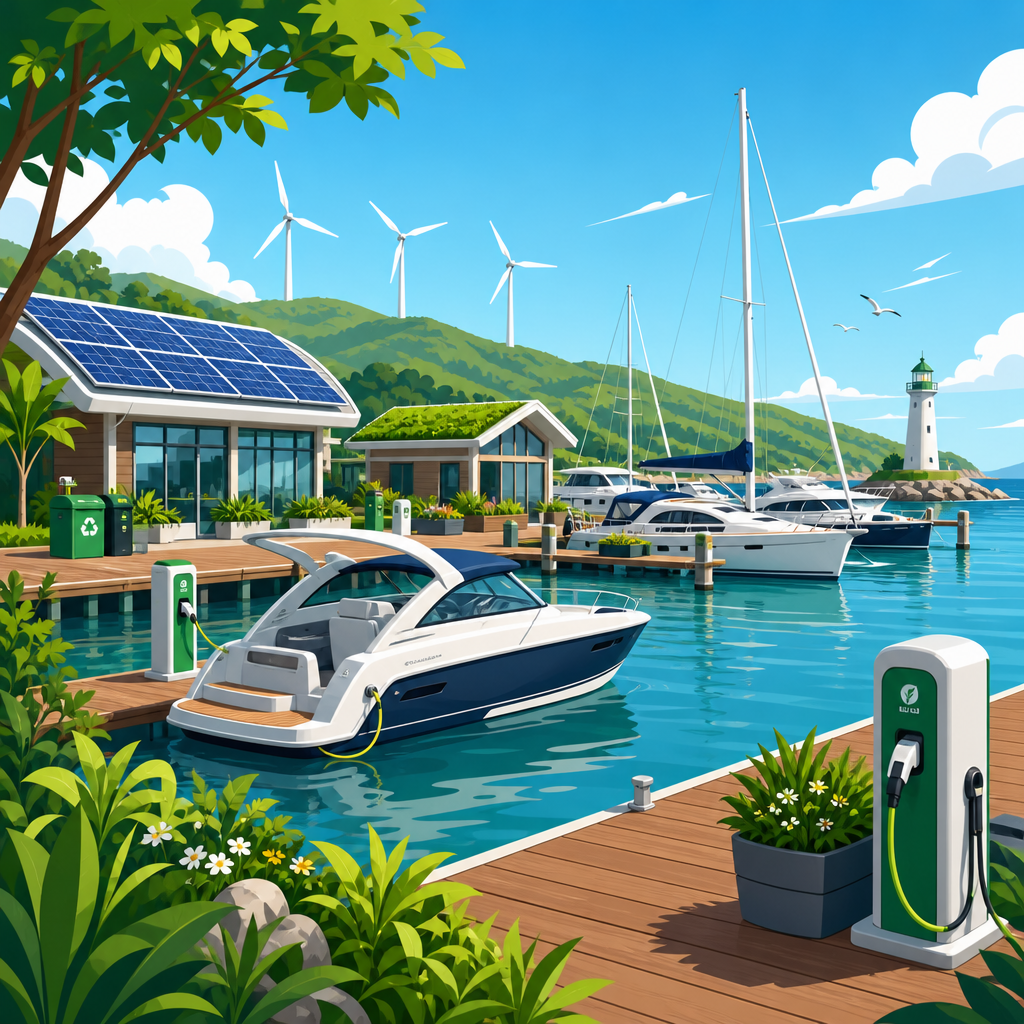
Sustainable boating is not limited to replacing an engine, but propulsion choices do influence marine life through emissions, noise, fuel handling, and maintenance demands. Modern four-stroke outboards and newer direct-injection two-stroke systems are generally cleaner and more fuel-efficient than older carbureted two-stroke engines. Electric propulsion eliminates exhaust at the point of use and is particularly effective for tenders, lake boats, and short-range day sailing support craft. Hybrid systems are expanding, especially where quiet operation in harbors and protected areas is valued. The tradeoff is energy density, charging infrastructure, and battery cost.
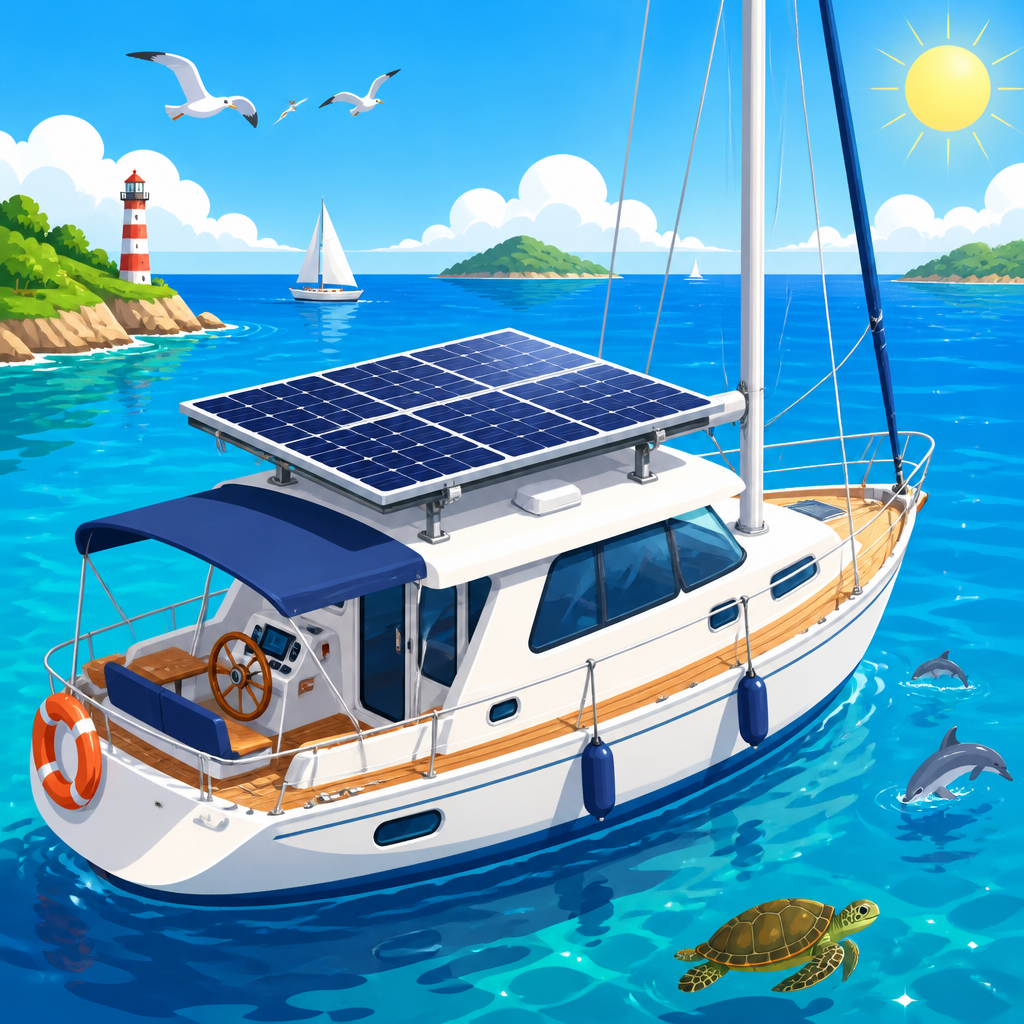
Efficiency upgrades often deliver faster environmental returns than major repowers. A clean hull, correct propeller pitch, balanced loading, sensible cruising speed, and well-tuned engine reduce fuel consumption immediately. On sailing vessels, using sail power strategically rather than motoring by default cuts emissions and noise while extending range. On powerboats, reducing speed even modestly can sharply lower fuel burn because hydrodynamic resistance rises quickly. Real sustainability is operational, not cosmetic. Solar panels, lithium batteries, and electric auxiliaries help, but only when they are matched to realistic usage patterns and safe installation standards such as ABYC guidance.
Be skeptical of vague environmental claims. “Eco” deck cleaners, biodegradable bags, and low-toxicity products vary widely in actual performance and aquatic safety. Read safety data sheets, verify third-party certifications where available, and consider the full use case. A weaker cleaner that requires triple the volume may not reduce impact. A battery upgrade that lacks thermal management or proper disposal planning is not inherently sustainable. The best equipment choices are durable, repairable, efficient, and supported by established service networks.
Join Citizen Science, Conservation Programs, and Local Advocacy
Participation becomes meaningful when boaters contribute beyond their own vessel. Citizen science programs allow crews to submit whale sightings, harmful algal bloom observations, water clarity readings, sea turtle nesting activity, seabird counts, and debris locations. These reports support migration mapping, habitat management, and enforcement. Tools vary by region, but many conservation agencies and universities now offer mobile apps with geotagged submissions. Data quality improves when boaters include time, location, weather, photographs, and behavior notes rather than vague anecdotes.
Ghost gear recovery and shoreline cleanup programs are another direct way to help protect marine life. Lost nets and lines continue trapping fish, turtles, birds, and marine mammals long after they are abandoned. Organized removals are safest because entangled gear may be under tension or located in sensitive habitat. Marinas, yacht clubs, and fishing associations can host collection points for monofilament recycling, used flares, batteries, oil filters, and expired safety equipment. These programs work best when they are routine, visible, and supported by clear disposal logistics.
Advocacy also matters. Boaters are credible voices in public consultations about mooring fields, pumpout funding, sewage rules, wake management, and marine protected area design because they understand on-water realities. In my experience, conservation policy improves when practical boat handling knowledge is present at the table. Support measures that protect habitat while preserving reasonable access, and push back on symbolic actions that look green but do little. Effective stewardship combines compliance, evidence, and constructive civic participation.
Build Sustainable Habits Through Marina Culture and Trip Planning
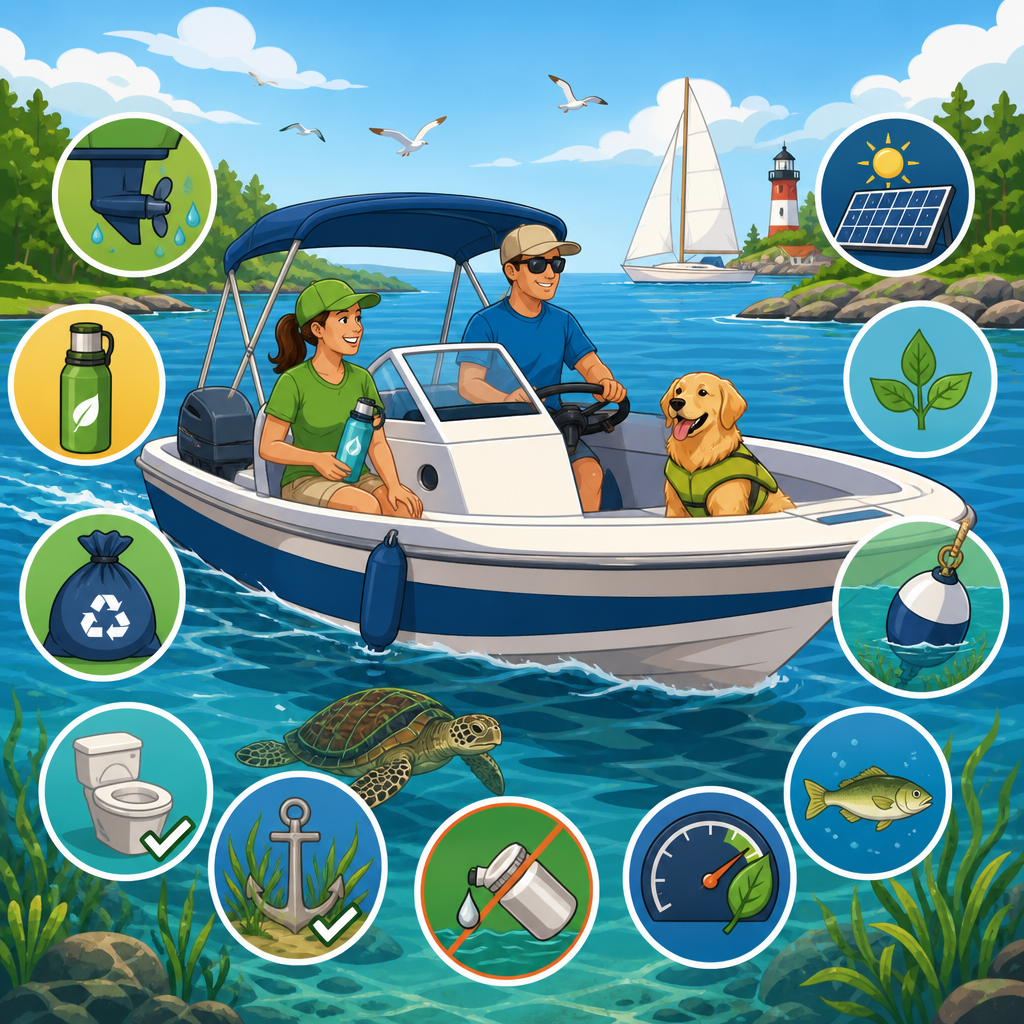
Lasting change happens when sustainability is embedded in routine decisions. Start each trip with an environmental checklist: pumpout status, spill kit onboard, wildlife zones reviewed, mooring plan confirmed, trash storage secured, and cleaning products stowed. Brief guests on no-litter expectations, wildlife distance, and why nothing goes overboard. At the dock, choose marinas with pumpout access, recycling, spill response equipment, shore power management, and published environmental policies. Good marina culture shapes boater behavior more effectively than signs alone.
Training is a force multiplier. Captains, sailing instructors, rental operators, and club volunteers should teach habitat-friendly anchoring, fueling discipline, line handling that avoids prop entanglement, and respectful wildlife viewing as standard seamanship. Children who learn these habits early carry them forward. Charter companies and peer-to-peer rental platforms should include local environmental rules in checkouts, not bury them in paperwork. If your boating community lacks guidance, create it. A one-page checklist distributed at launch ramps can prevent dozens of avoidable impacts over a season.
Global boating sustainability initiatives succeed when individual actions scale through marinas, clubs, fleets, and regions. The practical path is clear: prevent pollution, slow down near wildlife, avoid damaging habitat, stop invasive species transfer, choose efficient equipment, and contribute to conservation data and policy. Boaters can help protect marine life every time they prepare carefully and operate with intention. Review your current practices, adopt one new safeguard before your next outing, and encourage your crew and marina to do the same. Sustainable boating is simply good boating, practiced consistently.
Frequently Asked Questions
What are global boating sustainability initiatives, and why should individual boaters participate?
Global boating sustainability initiatives are coordinated programs, standards, campaigns, and community efforts designed to reduce the environmental impact of boating across oceans, coastal waterways, lakes, and rivers. These initiatives can include clean marina certifications, emissions-reduction programs, no-discharge campaigns, marine debris prevention, sustainable fueling practices, wildlife-safe navigation guidelines, habitat restoration efforts, and citizen science projects that collect valuable data on water quality, species sightings, and ecosystem health. While some initiatives are led by governments and international organizations, many are also driven by marinas, yacht clubs, nonprofits, conservation groups, and boating associations that want to make practical environmental stewardship part of everyday boating culture.
Individual boaters play a critical role because cumulative impact matters. A single vessel may seem small compared with large commercial traffic, but thousands or millions of recreational trips can contribute significantly to fuel emissions, shoreline erosion, litter, sewage discharge, invasive species spread, and wildlife disturbance. Participating in sustainability initiatives helps boaters reduce these impacts through clear best practices and measurable actions. It also strengthens the boating community’s reputation as a partner in marine conservation rather than a source of avoidable harm. In practical terms, participating can save fuel, reduce maintenance waste, improve compliance with local and international regulations, and protect the waterways boaters depend on for recreation, fishing, tourism, and long-term access.
How can I get started with boating sustainability if I am new to environmental programs?
The best way to begin is by focusing on a few high-impact habits and then connecting those habits to established sustainability programs. Start with the basics: use the correct waste disposal facilities, avoid overfilling fuel tanks, maintain your engine to reduce emissions and leaks, use non-toxic or less-toxic cleaning products when possible, and follow local guidance for sewage, graywater, and recycling. If your boat is trailered, clean, drain, and dry it after each trip to prevent invasive species from spreading between waterways. If you operate in coastal or offshore areas, learn wildlife-safe distances, speed restrictions in sensitive habitats, and local seasonal closures. These foundational steps immediately reduce your footprint and prepare you to participate more fully in broader initiatives.
Next, look for formal ways to engage. Ask your marina whether it participates in clean marina, pump-out, recycling, spill-prevention, or habitat protection programs. Join a local boating or sailing club with environmental policies, or volunteer with a shoreline cleanup, seagrass restoration, or water monitoring event. Many organizations also offer practical checklists, online courses, and vessel-specific guidance for sailboats, motorboats, fishing boats, and charter operations. A smart approach is to treat sustainability as part of standard seamanship: plan efficient routes, minimize wake in sensitive areas, store hazardous materials properly, and document improvements you make over time. Starting small is completely acceptable, but consistency is what turns good intentions into meaningful participation.
What boating practices have the biggest impact on marine life and water quality?
Several routine boating behaviors have an outsized effect on marine ecosystems. Fuel spills and engine leaks can quickly degrade water quality, even when they seem minor, so careful fueling, regular inspections, and prompt maintenance are essential. Improper sewage disposal introduces nutrients and pathogens that harm both human health and aquatic habitats, making legal and responsible use of pump-out systems one of the most important sustainability actions a boater can take. Trash, fishing line, plastic packaging, and cigarette butts also remain major threats because they can entangle wildlife, break down into persistent pollution, and damage shorelines and seabeds over time.
Wildlife disturbance is another major concern. Excessive speed in manatee, dolphin, whale, turtle, and bird habitats can cause collisions, stress, nesting disruption, and feeding interference. Anchoring in coral, seagrass, or other sensitive bottom habitats can destroy ecosystems that take years to recover. Even wake can contribute to erosion and habitat loss in narrow channels, marsh edges, and riverbanks. To reduce these impacts, boaters should observe marked no-wake and wildlife zones, use mooring buoys where provided, anchor only in suitable substrate, and keep a respectful distance from animals rather than chasing or crowding them for photos. These are not symbolic gestures; they are among the most effective day-to-day choices a boater can make to support healthy waterways.
Are there specific technologies or equipment upgrades that support sustainable boating?
Yes, and many of the most useful upgrades are practical as well as environmentally beneficial. Modern low-emission outboards, electric propulsion systems, hybrid setups, and improved battery technologies can significantly reduce fuel consumption, exhaust pollution, and noise. Even if a full propulsion upgrade is not realistic, smaller improvements such as better propeller matching, hull cleaning, trim optimization, and engine tuning can improve efficiency and lower operating costs. Bilge pads, spill-prevention devices, reusable oil-absorbent materials, and secure storage for chemicals and maintenance supplies also help prevent pollutants from entering the water.
Onboard systems matter too. Holding tanks in good working order, water-saving fixtures, LED lighting, solar charging, and durable reusable galley supplies all reduce resource use and waste. Environmentally preferable bottom paints, when allowed and appropriate for your region, can lower toxic runoff compared with older formulations, though local regulations and hull conditions should always guide product choice. Navigation technology can support sustainability as well by helping boaters avoid shallow habitats, restricted zones, and inefficient routing. The key is to think beyond a single “green” purchase and instead build a system of smarter boating decisions. A well-maintained boat operated efficiently is often substantially more sustainable than a poorly maintained vessel with only a few eco-friendly add-ons.
How can boaters contribute to global sustainability efforts beyond their own vessel?
One of the most effective ways to contribute beyond your own boat is to participate in collective programs that generate environmental benefits at scale. Citizen science projects are a strong example. Boaters are often on the water more regularly than researchers and can report wildlife sightings, invasive species, algal blooms, floating debris, water clarity, and unusual conditions through established apps and monitoring networks. This kind of data can directly inform conservation policy, habitat management, and emergency response. Joining cleanup days, restoration projects, and advocacy campaigns also helps turn individual concern into visible, organized action that local authorities and marine organizations can build on.
Boaters can also influence sustainability through leadership and purchasing choices. Encourage your marina, yacht club, charter company, or boating group to adopt recycling stations, spill-response plans, pump-out access, wildlife-safe education, and sustainable procurement policies. Support operators, destinations, and marine service providers that demonstrate responsible environmental practices. If you participate in races, cruising groups, or fishing tournaments, advocate for event rules that reduce single-use plastics, protect sensitive habitats, and promote proper waste handling. Finally, stay informed about evolving regulations and international best practices, because compliance is a major part of sustainability. When more boaters model responsible behavior, share knowledge with newcomers, and support higher standards across the industry, global boating sustainability initiatives become far more effective and durable.