Best boats with low maintenance costs appeal to first-time buyers, budget-minded families, anglers, and retirees because ownership expenses often matter more than sticker price. A boat that is cheap to buy but expensive to store, fuel, service, and repair can drain enthusiasm fast. In my experience helping buyers compare entry-level rigs and practical runabouts, the smartest purchases usually come from matching the hull, engine, and intended use to a realistic annual budget. That is why this guide to the most affordable boats focuses on total cost of ownership, not just the number on the sales contract.
Low maintenance cost means a boat requires fewer repairs, uses simpler systems, and can be cleaned, winterized, and stored without specialized labor. Affordable boats are not necessarily the smallest boats, but they usually share a few traits: outboard power instead of complex inboard systems, durable construction, minimal electronics, and layouts that avoid unnecessary pumps, plumbing, and powered accessories. Aluminum fishing boats, basic pontoon boats, compact center consoles, and straightforward bowriders often outperform more luxurious models when you compare yearly bills. For many owners, the best affordable boats are the ones that stay on the water instead of sitting in a shop.
This hub article covers the major low-cost categories, the real expenses buyers overlook, and the tradeoffs that separate a bargain from a money pit. It also serves as a roadmap for deeper reviews across the broader Best Boats & Reviews topic, so readers can move from general budgeting questions to the right boat type for fishing, family cruising, lake use, or coastal day trips. If you are asking which boat is cheapest to maintain, which used boats hold up best, or what style gives the most value for the money, the answer starts with simplicity, build quality, and honest expectations about how you will use it.
What Makes a Boat Affordable to Own
The most affordable boats keep recurring costs predictable. Purchase price matters, but annual ownership costs usually include engine service, trailer upkeep, registration, insurance, storage, cleaning supplies, fuel, batteries, and periodic replacement of wear items such as bilge pumps, tires, bunk carpet, and propellers. Simpler boats reduce those variables. A 16-foot aluminum tiller with a modest four-stroke outboard can be maintained with basic tools and seasonal service. A 28-foot cruiser with twin engines, air conditioning, a head, freshwater system, and shore power introduces many more failure points and far higher labor rates.
Construction material changes costs too. Welded or riveted aluminum is usually the easiest material to live with in freshwater because it resists impact damage, avoids gelcoat oxidation, and can be stored on a trailer without much drama. Fiberglass can also be affordable when the layout is simple, but it needs more cosmetic care, especially if left outside or in saltwater. Inflatable rigid-hull boats can be inexpensive to run, yet tube material and seam condition must be monitored closely. For buyers shopping used inventory, condition matters more than brand slogans. A well-kept basic boat almost always beats a neglected premium model.
Engine choice is the single biggest affordability decision. Modern four-stroke outboards from Yamaha, Honda, Suzuki, Mercury, and Tohatsu are popular because they are fuel efficient, widely serviceable, and easier to repower than sterndrives or inboards. Horsepower should fit the hull and the mission. Overpowering a small runabout increases fuel burn, insurance cost, and stress on transoms and trailers. Underpowering can also be expensive because the engine works harder at higher throttle settings. The sweet spot is a conservative package that planes efficiently with your normal passenger load and uses common service parts available at local dealers.
Best Low-Maintenance Boat Types for Budget Buyers
Aluminum fishing boats sit at the top of most affordable-ownership lists for a reason. They are light, trailer easily with mid-size vehicles, and tolerate docks, stumps, and beaching better than most fiberglass boats. A 14- to 18-foot aluminum utility boat, jon boat, or side-console fishing rig with a small to midrange outboard can serve families, anglers, and hunters for years with modest upkeep. Brands such as Lund, Tracker, Lowe, Alumacraft, and Crestliner built their reputations on practical layouts and broad dealer networks. These boats are especially cost-effective in freshwater lakes and rivers where corrosion risk is lower.
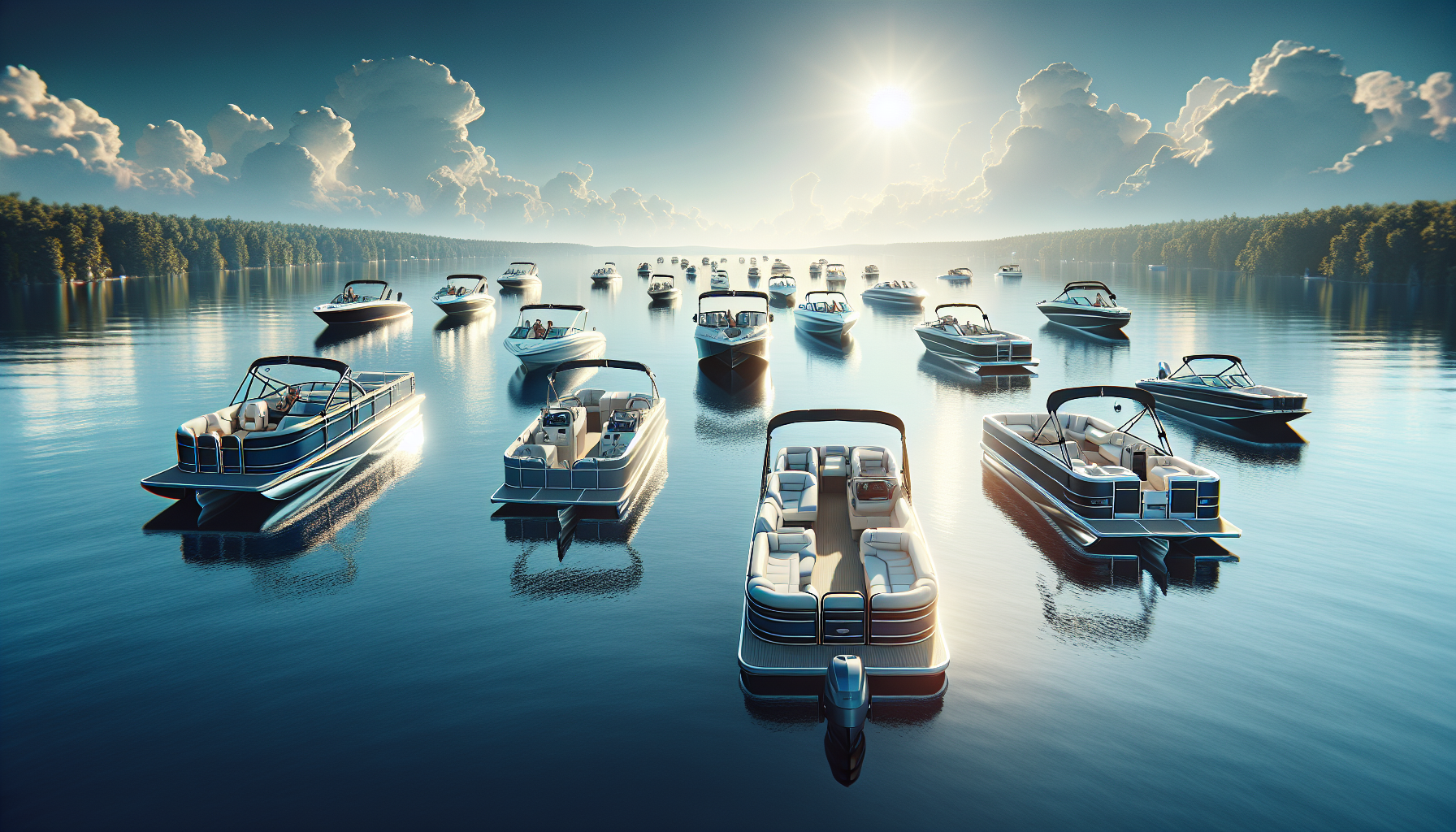
Basic pontoon boats are another strong value, especially for families who prioritize space and relaxed cruising over speed. A two-log pontoon with an uncomplicated deck layout, manual bimini, portable toilet option, and a reliable outboard is often less expensive to maintain than buyers expect. Upholstery care and trailer storage matter, but the systems are straightforward. Bennington, Sun Tracker, Harris, and Avalon all offer trim levels that range from simple and affordable to premium. For lake communities, a used pontoon with service records can be one of the least stressful ways to get many people on the water at once.
Small center consoles deserve more attention in affordability discussions. A 17- to 20-foot center console with self-bailing deck, uncomplicated wiring, and a single four-stroke outboard offers excellent access for fishing, sandbar trips, and coastal day boating. Compared with cabin boats, there is far less enclosed space to leak, mildew, and refit. Brands like Boston Whaler, Carolina Skiff, Key West, and Mako have long offered straightforward models that hold value. Inshore owners appreciate that washdown and cleanup are quick, which lowers the temptation to defer maintenance that later becomes expensive.
Entry-level bowriders can also be affordable if buyers avoid overequipped packages. A compact fiberglass bowrider with outboard power is generally a safer budget choice than an older sterndrive runabout, because transom assemblies, bellows, and complex driveline repairs can become costly. Bayliner, Stingray, Tahoe, and Sea Ray have all sold simple family runabouts in large numbers, which helps parts availability in the used market. For tow sports and short lake outings, these boats deliver good versatility, but owners should budget for upholstery preservation because sun damage is common and reupholstery is not cheap.
| Boat type | Why maintenance stays low | Best use case | Main caution |
|---|---|---|---|
| Aluminum fishing boat | Simple hull, light weight, easy trailering, modest outboard service | Freshwater fishing, hunting, utility boating | Ride can be rough in chop |
| Basic pontoon boat | Simple systems, durable layout, easy engine access | Family lake cruising, entertaining | Upholstery and cover condition matter |
| Small center console | Open layout, self-bailing deck, single outboard | Inshore fishing, coastal day trips | Less weather protection |
| Outboard bowrider | Common parts, versatile layout, easier drivetrain than sterndrive | Family day boating, watersports | Fiberglass cosmetics require care |
Most Affordable Boats by Use Case
The cheapest boat to own depends on where and how you boat. For freshwater anglers, a welded aluminum jon boat or side-console fishing boat is usually the winner. It can live on a trailer, fit in a standard garage, and launch at basic ramps. I have seen owners run these boats for seasons with little more than oil changes, lower-unit service, battery care, and occasional trailer bearing work. If your priorities are crappie, bass, duck hunting, or simple lake exploring, there is no reason to pay for marine plumbing, enclosed cabins, or oversized horsepower.
For families on calm inland lakes, a value-oriented pontoon often gives the most utility per dollar. The deck is easy for children and older passengers, and the boat works for swimming, sunset cruises, and casual towing with enough horsepower. Because the layout is open, owners can inspect seats, wiring, gates, and flooring easily. The main cost traps are waterlogged furniture bases, neglected covers, and bargain trailers. A clean, dry pontoon stored under cover will age far better than one left exposed year-round. If buying used, inspect the logs carefully for dents, leaks, and poor repairs.
For saltwater or mixed-use boating, a small center console is often the most affordable serious option. It handles chop better than flat-bottom utility boats, offers safer deck drainage, and can be hosed down quickly after use. Saltwater increases maintenance demands on any boat, but simplicity still wins. Fewer cushions, fewer enclosed compartments, and fewer electrical accessories mean fewer corrosion-related failures. Buyers should favor tinned marine wiring, stainless hardware in good condition, and an engine with documented flushing and annual service. In this category, the cheapest neglected boat can become far more expensive than a higher-priced boat with records.
If you want a boat for occasional watersports, beach visits, and all-purpose day use, a small outboard bowrider offers a useful middle ground. It is comfortable for guests yet still simple enough to trailer and store at home. Owners who avoid wake-specific ballast systems and premium electronics usually keep costs manageable. In real ownership terms, these boats become affordable when they are washed, covered, and mechanically exercised regularly. Sitting unused causes more trouble than many buyers realize: stale fuel, dead batteries, stuck pumps, cracked vinyl, and seized trailer brakes all come from neglect, not just age.
New vs. Used: Which Affordable Boat Is the Better Buy
Used boats usually win on pure value, but only when inspection is disciplined. A five- to ten-year-old boat from a mainstream brand can deliver a better ownership equation than a brand-new model because depreciation has already done much of its work. The best used boats with low maintenance costs have complete service records, compression results or engine diagnostics when applicable, clean titles, and evidence of indoor or covered storage. I advise buyers to pay close attention to the trailer, because deferred trailer maintenance is common and quickly adds up through tires, hubs, brakes, wiring, jacks, and winches.
New boats provide warranty coverage, cleaner financing, and fewer inherited problems, but buyers must resist feature creep. Many affordable boat packages become less affordable when upgraded with oversized engines, multiple chartplotters, power poles, premium stereos, underwater lights, and complicated battery systems. Those accessories are enjoyable, yet they add installation points, parasitic battery drain, and eventual replacement cost. A new, basic package often beats a heavily optioned package for long-term value. If your boating season is short and your usage is modest, choosing standard equipment can save thousands up front and reduce future repair complexity.
Whether buying new or used, a marine survey can be worthwhile on larger purchases, while an engine diagnostic scan and moisture inspection are smart on many smaller fiberglass boats. For aluminum boats, inspect welds, rivet lines, transom integrity, and signs of hard impact. For pontoons, check deck softness, cross-member corrosion, and evidence of water intrusion around furniture fasteners. For any outboard, verify hour count, service intervals, prop condition, and the state of the lower unit. Affordable ownership starts before purchase; the inspection phase is where most expensive mistakes can still be avoided.
How to Keep Boat Maintenance Costs Low Year After Year
Low-cost ownership is mostly a habits game. Flush the outboard after saltwater use, change engine and gear oil on schedule, grease trailer bearings, charge batteries properly, and keep the boat covered and dry. Use ethanol treatment if local fuel quality is inconsistent, replace water-separating fuel filters regularly, and inspect bilge pumps and navigation lights before each season. These are small tasks, but they prevent bigger failures. The National Marine Manufacturers Association and ABYC standards influence how quality boats are built; owners protect that value by following the engine maker’s maintenance schedule rather than improvising.
Storage decisions have a major effect on yearly cost. Trailering and home storage are usually cheapest if local regulations allow it, and they also make cleaning and inspection easier. Wet slips are convenient but accelerate bottom growth, corrosion, and cosmetic wear, especially in warm or brackish water. Dry-stack storage can reduce some exposure, though fees vary widely by market. In northern climates, proper winterization is nonnegotiable. A skipped winterization may save a few hundred dollars once and cost thousands later in cracked blocks, damaged plumbing, or ruined batteries. Preventive maintenance is always cheaper than emergency repair.
Finally, buy for your real boating life, not for rare scenarios. Many owners overspend on size and features they use twice a year, then absorb higher fuel burn, storage fees, and maintenance complexity every month. The best boat with low maintenance costs is the smallest, simplest boat that safely handles your normal crew, water conditions, and activities. For many readers exploring the most affordable boats, that means an aluminum fishing boat, a modest pontoon, a small center console, or an outboard bowrider with proven power and a good trailer. Start with simplicity, inspect carefully, and compare total ownership cost before you buy. Then continue through the Best Boats & Reviews hub to narrow the right model for your budget, your water, and your next season afloat.
Frequently Asked Questions
What types of boats usually have the lowest maintenance costs?
In most cases, the boats with the lowest maintenance costs are simple, smaller models with fewer systems to break, inspect, or replace. Aluminum fishing boats, basic center consoles, small skiffs, jon boats, and modest pontoon boats often rank near the top for affordability because they are straightforward to own and easy to service. They typically have uncomplicated layouts, durable materials, and fewer onboard components such as plumbing, generators, multiple batteries, sophisticated electronics, or cabin systems that can drive up repair bills.
Another major factor is propulsion. Boats powered by a single, reliable outboard engine are usually cheaper to maintain than boats with sterndrives, inboards, or twin-engine setups. Outboards are easier to access for routine service, winterization is simpler in many cases, and labor time at the shop is often lower. Hull material matters too. Aluminum boats generally cost less to maintain cosmetically than fiberglass because owners do not have to worry as much about gelcoat oxidation, spider cracking, or extensive finish care. That said, a well-kept fiberglass skiff can still be very affordable if it is stored properly and used within its design limits.
The broad rule is simple: the fewer systems a boat has, the lower the ownership burden tends to be. Buyers who want low annual costs should prioritize boats built for practical day use, not luxury features. A clean, well-supported model from a reputable brand with a common engine package will usually be a smarter long-term value than a larger, feature-heavy boat that looks like a bargain upfront.
Is an aluminum boat cheaper to maintain than a fiberglass boat?
Often, yes. Aluminum boats are widely considered among the most budget-friendly boats to maintain because they are tough, light, and relatively forgiving in everyday use. They do not require gelcoat care, they are less likely to show minor dock rash in a way that demands cosmetic repair, and they are generally easier to clean after a day on the water. For first-time buyers, anglers, and families who want a practical boat without a lot of upkeep, aluminum is a strong option.
That said, “cheaper to maintain” does not mean “maintenance-free.” Aluminum hulls still need washing, inspection, and proper storage. Corrosion can become an issue if the boat is used in saltwater and not rinsed thoroughly, especially around fittings, fasteners, trailers, and electrical connections. Owners also need to pay attention to galvanic corrosion risks, bottom conditions, and any signs of damage from impact. In contrast, fiberglass boats can offer a smoother ride and often feel more refined, but they usually demand more cosmetic attention over time, including waxing, oxidation removal, and repair of chips or cracks.
The better choice depends on how and where the boat will be used. If the priority is simple ownership, easy cleanup, and low-cost utility, aluminum frequently comes out ahead. If comfort, appearance, and ride quality matter more, a small fiberglass boat can still be economical, but the owner should expect a bit more effort and occasional expense to keep it looking and performing its best.
How much should I budget each year for boat maintenance if I want to keep costs low?
A realistic annual maintenance budget depends on the size of the boat, engine type, storage method, and how often you use it, but for a basic low-maintenance boat, many owners should still plan for regular recurring expenses even in a “good” year. For a small, trailerable boat with a single outboard, annual routine costs may include engine service, lower unit service, impeller checks or replacement when due, battery care, trailer maintenance, registration, safety gear updates, cleaning supplies, and occasional minor repairs. Even a very simple boat benefits from a reserve fund for unexpected issues such as a failed bilge pump, trailer tire replacement, or electronics problems.
As a practical rule, budget-minded buyers are wise to think beyond the purchase price and set aside an annual amount that covers both scheduled maintenance and a cushion for surprises. Storage and fuel can easily exceed basic service costs depending on your location and usage habits. If the boat is kept on a trailer at home and used moderately, total ownership costs can stay manageable. If it is slipped at a marina, used in saltwater, or run heavily throughout the season, yearly expenses can rise quickly even for a relatively simple model.
The smartest approach is to build a realistic ownership plan before buying. Ask what the engine service interval is, whether the trailer needs brakes or bearing service, what the boat costs to insure, and where it will be stored in the off-season. Buyers who do that homework usually avoid the common mistake of underestimating ownership expenses and ending up with a boat that feels far more expensive than expected.
Are outboard boats really less expensive to maintain than inboard or sterndrive boats?
In many situations, yes. Outboard-powered boats are often the most economical choice for owners focused on keeping maintenance costs under control. The biggest reason is accessibility. Routine service is generally easier because the engine is mounted externally, making inspections and common maintenance tasks more straightforward for both mechanics and capable owners. Outboards also eliminate some of the complexity associated with engine compartments, couplers, bellows, and other components commonly found in sterndrive setups.
Sterndrives and inboards can be excellent choices for certain applications, but they often introduce more systems, more labor, and more potential trouble spots. Sterndrive boats, for example, may require closer attention to gimbal bearings, bellows, corrosion concerns, and driveline components. Inboards can be durable, but they usually make the most sense in larger boats or specialized use cases where buyers already understand the service demands. For someone shopping for the best boats with low maintenance costs, a single outboard remains the most consistently practical answer.
That does not mean every outboard boat is automatically cheap to own. Engine age, neglected service history, saltwater use, and poor storage can make any boat expensive. The key is to choose a proven outboard brand, avoid overpowered or highly stressed setups, and look for a boat with a clean maintenance record. A simple boat with one well-maintained outboard is often the sweet spot for low long-term ownership costs.
What should first-time buyers look for if they want a boat that stays affordable over time?
First-time buyers should focus on simplicity, condition, and fit-for-purpose design. A boat stays affordable over time when it matches the owner’s actual needs instead of their occasional wish list. That means choosing a size that is easy to tow, store, launch, fuel, and clean, rather than buying more boat than necessary. A smaller trailerable model with a single outboard, minimal accessories, and a reputation for reliability will usually be much easier on the budget than a larger, more complex boat with extra seating, enclosed cabins, multiple pumps, and high-end electronics.
Condition is just as important as boat type. A well-cared-for used boat is often a better buy than a neglected bargain. Buyers should inspect the hull, transom, wiring, trailer, upholstery, flooring, and service records carefully. Compression checks, maintenance documentation, and signs of corrosion or water intrusion matter far more than shiny cosmetics alone. If possible, a marine survey or professional inspection can save a buyer from expensive mistakes, especially when purchasing from a private seller.
It also helps to think in terms of total cost of ownership. Ask about fuel burn, insurance, parts availability, local service support, winterization, trailer upkeep, and resale demand. Boats from common, trusted brands with widely available parts are often less stressful and less expensive to own. The best low-maintenance boat is rarely the one with the lowest sticker price. It is the one that fits your lifestyle, has been maintained properly, and can be enjoyed regularly without turning every season into a repair project.