Boating presents enthusiasts with an endless array of opportunities and experiences that vary remarkably across different seasons. Each time of the year offers unique beauty, yet comes with specific challenges and considerations that demand careful attention. Whether you’re a seasoned sailor or a novice eager to explore the open waters, understanding how different seasons impact boating activities is pivotal for ensuring safety, optimizing enjoyment, and achieving the best possible experience on water.
While boating enthusiasts eagerly anticipate the summer months, when warm temperatures and extended daylight hours allow for leisurely explorations and fun-filled adventures, the allure of spring’s freshness, autumn’s stunning foliage, and winter’s serene solitude also beckon. In navigating these diverse conditions, it’s important to be equipped with the appropriate knowledge and preparation to handle what each season brings. From temperature fluctuations and visibility concerns to wildlife interactions and required gear, this comprehensive guide explores what you need to know about boating through the seasons to make each journey as rewarding as possible.
This article aims to delve deep into the intricacies involved in boating across the four primary seasons, focusing on how seasonal changes affect boating safety, comfort, and enjoyment. By exploring the nuances unique to spring, summer, fall, and winter, it empowers boaters to tailor their approach accordingly. Whether your passion is fishing, sailing, or leisurely cruising, knowing the specific impacts and requirements of each season can enhance your time on the water, avoid potential risks, and make every outing a memorable adventure.
Boating in Spring
As the chill of winter recedes and nature awakens, spring ushers in a sense of renewal and opportunity for boaters eager to shake off seasonal cobwebs. However, this transitional time requires particular preparation as fluctuating weather patterns create highly variable conditions. Although spring is often synonymous with rejuvenation, the residual winter chill can linger, necessitating clothing that is easy to layer and provides insulation against cold snaps.
Rivers, lakes, and coastal waters may still be cold, even as ambient temperatures rise. Hypothermia remains a persistent risk, particularly when unexpected immersion happens. It’s crucial to have life vests readily available and worn by every passenger. Cold-water safety kits, including waterproof matches and thermal blankets, should be part of your onboard inventory.
Visibility in spring may be hampered by fog, rain, or early morning mist. It’s essential to ensure your boat’s navigational lights and fog horns are operational. Spring rain showers are common; thus, investing in a reliable bilge pump and ensuring proper drainage is advised. Monitor weather forecasts diligently as storm conditions can develop unpredictably, demanding swift adjustments.
Springtime ecosystems burst into action, and with it, boating often offers riveting encounters with wildlife. Migratory birds return, and fish become more active. For fishing enthusiasts, knowing local species’ behaviors could significantly enhance fishing success. Regulatory updates on fishing limitations are often refreshed after winter, necessitating awareness of conservation rules and permits.
Boating in Summer
The quintessential season for boating, summer, promises endless sun-drenched adventures on the water. Longer daylight hours mean more time for cruising, water sports, and social gatherings aboard your vessel. However, with these benefits come challenges that demand careful planning to ensure safety and enjoyment.
Heat avoidance methods become crucial, as exposure to the sun for extended periods can result in heat exhaustion or sunstroke. Protective measures such as high-SPF sunscreen, hats, sunglasses, and clothing with UV protection are indispensable. Hydration remains a top priority; onboard coolers stocked with water and electrolyte drinks help prevent dehydration.
Storms in summer, although less frequent, can be markedly intense. Familiarity with weather patterns in your boating locale is beneficial, enabling rapid response should a squall or thunderstorm approach. Modern technology offers accessible apps providing real-time weather updates, a boon for managing storm risks efficiently.
Crowdspeak and congestion appear frequently in popular boating areas during summer. This influx demands heightened vigilance to avoid collisions and maintain safe distances from other vessels. Awareness of navigational rules and maritime laws guiding boating activities is crucial. Early trip planning can also secure less congested water routes, offering a more serene experience.
Boating opens avenues for varied summer activities including swimming, diving, and jet skiing. With these come additional safety provisions. Inflatable vests or wearable flotation devices for all onboard are non-negotiable, especially for children and weak swimmers. Man overboard drills and safety briefings are recommended, imparting essential knowledge to passengers should emergencies arise.
Boating in Autumn
Autumn, with its fiery palettes and temperate days, invites boaters with promises of tranquil and scenic voyages. Yet, this season also introduces complexities akin to spring, often marked by rapidly shifting temperatures and weather conditions. Precise preparation is key to maximizing encounters with autumn waterway splendor.
One significant challenge during this time is observing shorter daylight spans. It becomes imperative to plan for earlier returns to dock or harbor to avoid nighttime navigation, particularly in poorly lit or unmarked pathways. Having a reliable GPS system and updated maps is vital for navigation under low-light scenarios.
Temperature variances define autumn boating. Transitioning from warm afternoons to chilly evenings can be abrupt, demanding appropriate attire and convenient garment switches. Bring along outerwear with windproof and water-resistant properties to combat unexpected weather changes.
Autumn presents a cornucopia of wildlife viewing opportunities not experienced at other times of the year. For marine biologists and nature enthusiasts, migratory patterns offer captivating spectacles. However, these can also pose navigation challenges, as some species may converge in boating paths. Active awareness and adjustments in speed and route can prevent unintended wildlife encounters aiding in preservation efforts.
Boating infrastructure such as ramps and docks may undergo maintenance or reduced service during the offseason. It’s prudent to verify operating statuses and potential closures ahead of time to prevent disruptions to your plans. Evaluated pre-trip, this consideration will be instrumental in avoiding inconvenient surprises.
Boating in Winter
Winter boating, often dismissed by the uninitiated, reveals a world of stark beauty and solitude for those willing to embrace its rigorous demands. While the season covers waters in a cold elegance few dare to explore, it includes critical considerations that emphasize safety and equipment adequacy.
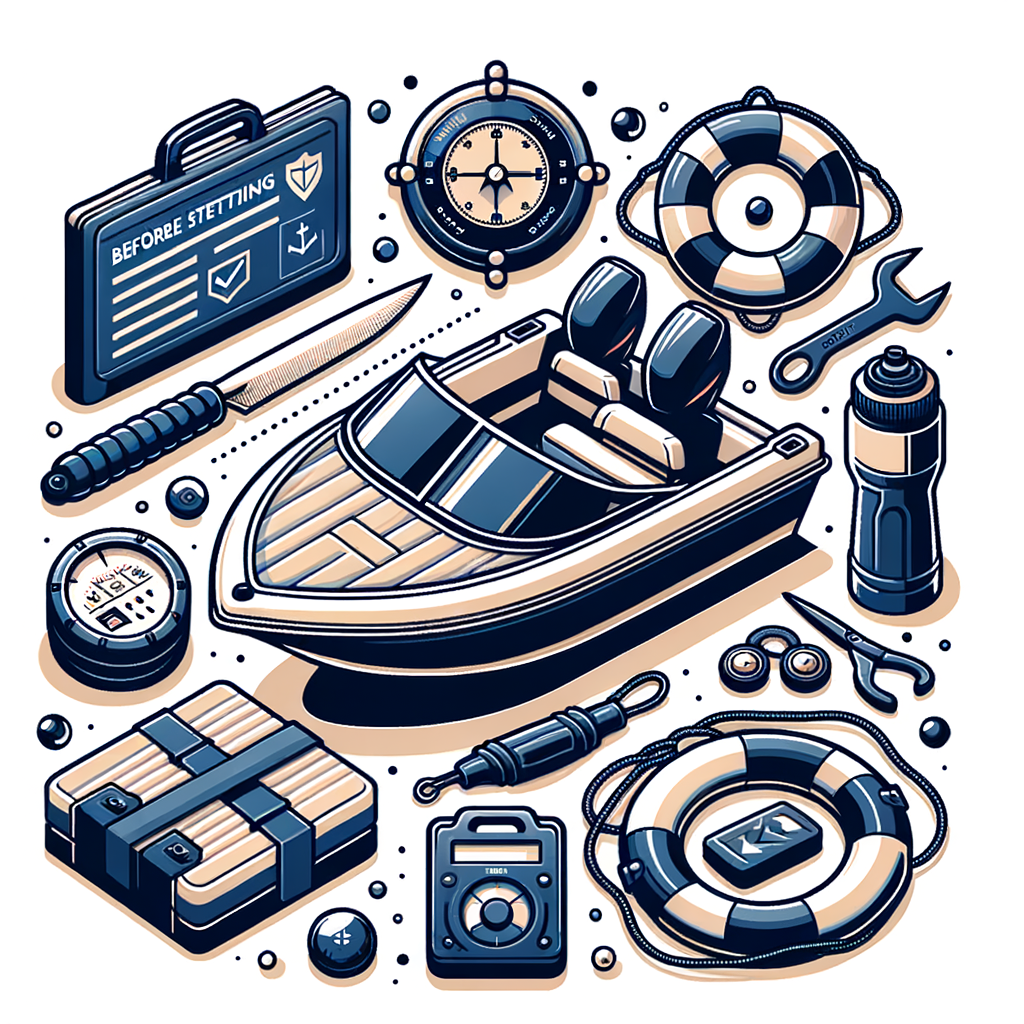
Preparation is paramount, particularly in ensuring vessels are equipped for harsher elements. Essential survival gear including thermal blankets, a compass, and emergency flares become vital inclusions in your onboard kit. Winterizing your engine and systems to ensure they function efficiently against the temperatures is important to avert mechanical failures.
Engines require initial warm-ups before operation, and regular checks prevent ice blockages in vital components. Ensuring fuel lines and tanks remain free from water contamination and icing can significantly affect performance and reliability.
The reduced boat traffic winter invokes equates to pronounced tranquility, but this isolation heightens alertness requirements. It’s advisable to navigate designated waterways and communicate with coast guards or local mariners about your passages. Signal devices such as whistles or VHF radios must be operational to ensure help can be summoned if needed.
Visibility factors are exacerbated in winter, as shorter days and potential snow or rain compromise clarity. High-visibility gear and lighting guarantees visibility to others, while navigational aids such as GPS and radar offer additional-guidance amid disorienting weather.
Wildlife interactions could become limited, as many species migrate or hibernate. However, this results in quieter environments which offer an immersive experience for those seeking solitude. Additionally, icy landscapes present picturesque scenes, rewarding winter ventures with rare visual delights.
Conclusion
Navigating the complex tapestry of seasonal variances is essential for maximizing the joys and rewards of boating, laying the groundwork for memorable experiences regardless of the time of year. Each season presents its allure, encouraging boaters to venture into the water with consciousness and appreciation for the natural transformations witnessed. Preparedness, vigilance, and respect for Mother Nature are guiding principles that underscore successful boating across all seasonal spectrums.
While summer captivates with its carefree allure, spring and autumn entice through contrasts of awakening and rest, requiring adaptive strategies that help leverage their distinctive offerings. Winter may challenge with its chill, yet for those prepared with the right equipment and mindset, it opens an unparalleled dimension of serenity and visual grandeur.
To summarize, the transition from learning to loving how each season integrates into your boating routine will expand boundaries and refine your aquatic adventures. By embracing the right knowledge, enhancing practical skills, and equipping vessels according to seasonal nuances, your journey upon the water can be as diverse and engaging as the seasons themselves. Boaters who rise to meet these changes will find the water’s allure an unwavering entity, continually inviting exploration in its countless forms through all transformations of the seasons.
Frequently Asked Questions
1. What precautions should I take when boating in the winter?
Boating in the winter can be a truly mesmerizing experience, with the serenity of nearly empty waterways and stunningly clear skies. However, it requires careful preparation and consideration to ensure a safe and enjoyable outing. First and foremost, dressing appropriately for the cold is essential. Layering is key—start with moisture-wicking base layers, add insulating layers like fleece, and top it off with a waterproof outer layer. Remember, toes and fingers are particularly susceptible to the cold, so invest in quality thermal socks and gloves. Secondly, ensure your boat is winter-ready. This means checking that your heating system is functioning correctly, your electrical systems are in top shape, and your fuel lines are free from ice blockages. Make use of antifreeze in any water systems onboard. Communication is crucial; radio signals can be harder to transmit in winter conditions, so ensure you have updated equipment. Consider carrying flares or other signaling devices, and always inform someone of your route and expected return time. Lastly, keep an eye on the weather forecasts. Winter conditions can be unpredictable, with rapid changes on the horizon. Knowing what to expect can help you stay one step ahead and make informed decisions about when to venture out and when it’s safer to stay ashore.
2. How does spring impact boating, and what should I be aware of?
Springtime boating is often associated with renewal and excitement as the waters come alive with activity after the dormancy of winter. As thrilling as this is, there are several factors to keep in mind. One of the most important considerations is the water temperature. Despite air temperatures warming, water temperatures can still be dangerously low from the thaw. Cold shock can be a real threat if you go overboard, so wearing a personal flotation device (PFD) is non-negotiable. Run through a thorough inspection of your boat—after a long period parked during winter, mechanical systems may need checking to prevent malfunctions or breakdowns. Algae blooms and other debris can increase during spring, potentially clogging intakes and causing engine issues. Familiarize yourself with local waterway regulations as they may change seasonally. Spring is also breeding season for much wildlife, so be mindful of potential restrictions on specific areas to protect habitats. Lastly, the weather is notoriously unpredictable in spring, with sudden showers and gusts posing challenges. Always have a contingency plan in case conditions take a turn.
3. What are the main challenges of boating in the summer?
Summer is synonymous with boating for many enthusiasts—long days, warm temperatures, and sunny skies make for perfect conditions on the water. However, the season comes with its own set of challenges. First and foremost, sun protection is vital. Ensure everyone on board uses sunscreen, wears hats, and invests in quality polarized sunglasses to protect against harmful UV rays and glare from the water. Hydration can also become an issue; the heat and sun can quickly lead to dehydration, so always pack an ample supply of water. Crowding on popular waterways is a significant factor to consider during summer months. New and experienced boaters alike flock to the water, which can lead to congestion and potentially increase the risk of accidents. Be vigilant, maintain a lookout, and adhere to right-of-way regulations to ensure safety. Heat can affect both people and equipment—be mindful of engine overheating, electronic devices that can malfunction in high temperatures, and even provisions that may spoil. Moreover, summer storms can develop quickly and unexpectedly, so staying informed about weather changes is crucial. Always have a plan to return to shore or seek shelter if the sky begins to turn. Finally, while enjoying water sports or swimming, ensure that you follow safety guidelines and keep track of everyone on board to prevent accidents.
4. What should I know about boating in the fall?
Autumn is a beautiful time for boating, with stunning foliage creating picturesque landscapes and a quiet, less crowded atmosphere. Still, there are several factors to consider for a successful fall boating experience. First, the days start shortening significantly, which means less daylight and potentially navigating in the dark. Ensure your boat’s lighting system is functioning perfectly, and consider carrying extra flashlights or lanterns. With temperatures noticeably dropping, dressing in layers to accommodate changing conditions throughout the day can help you stay comfortable. Environmental changes such as stronger currents and wind patterns may arise, and while these conditions can be refreshing, they demand higher skills and awareness to handle. Equipment maintenance is another critical factor. Running through a checklist to ensure everything from batteries to navigational aids are operational can prevent unexpected disruptions. The risk of hypothermia becomes more of a concern in fall as water temperatures decrease, so wearing appropriate gear and PFDs, topped by emergency preparation, becomes crucial. Lastly, as with any boating endeavor, staying informed about the weather can save you from getting caught in unexpected storms or rapid temperature drops.
5. How should I prepare my boat for the off-season when not in use?
Preparing your boat for the off-season, typically during the harsh winter months or whenever you’re taking a break from regular activity, is crucial for maintaining its longevity and performance. Start with a comprehensive cleaning of your boat to remove any grime, salt, or residue accumulated during the active months. This not only preserves its aesthetic appeal but also prevents damage to the hull and engine components. Consider waxing and applying a protective layer to shield against harsh elements when in storage. Drain any water from the engine, tanks, and plumbing systems to prevent freezing and subsequent damage. Flush the engine with fresh water to remove any salt or contaminants, and add antifreeze where applicable. Fuel stabilizer should be added to prevent the fuel from degrading, a common issue when boats sit idle for extended periods. Ensure all onboard electronics are turned off, disconnected, and stored safely. Cover your boat, whether it be with a tarp or specialized cover, to protect it from snow, rain, and debris. It’s also wise to check your insurance policy to ensure coverage during the storage period. Finally, running periodic checks during the off-season, such as checking for leaks or moisture accumulation, can help you address issues before they worsen, ensuring your boat is ready to hit the waters as soon as the season allows.