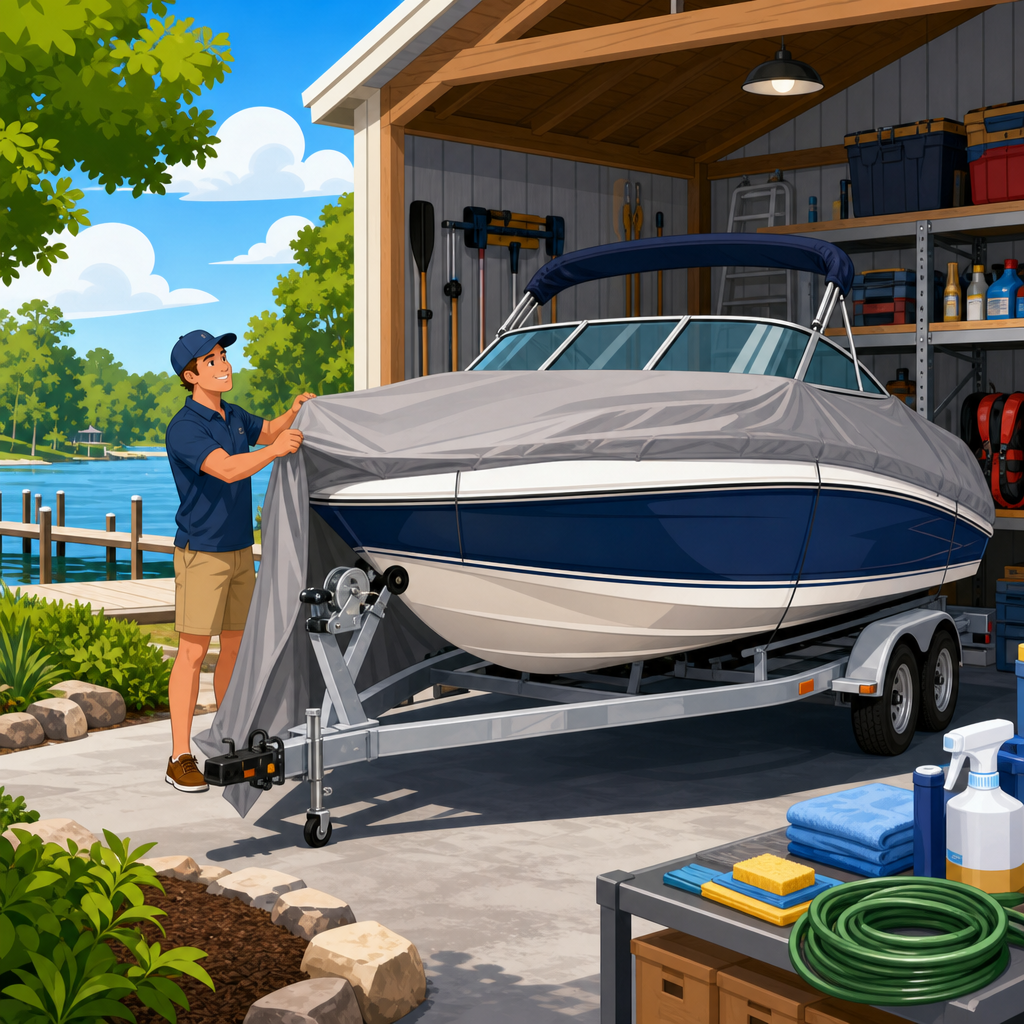
Proper boat storage is one of the most effective ways to extend hull life, protect onboard systems, and preserve resale value. In my experience working with seasonal boat owners, the difference between a boat that lasts decades and one that ages early usually comes down to how it is covered, ventilated, supported, and maintained during downtime. Boat storage is not just parking a vessel and throwing on a tarp. It is a structured protection plan that shields fiberglass, gelcoat, upholstery, electronics, wiring, fuel systems, and hardware from moisture, ultraviolet exposure, freeze damage, pests, and corrosion.
For most owners, “storing a boat” means preparing it for days, weeks, or an entire off-season when it will not be used. “Boat covers and protection” refers to the materials and methods used to defend the boat during that period: fitted mooring covers, trailerable covers, shrink wrap, support poles, vent systems, chafe guards, dehumidifiers, desiccants, fender covers, and protective coatings. Storage methods vary by climate and vessel type, but the goal is always the same: keep water out, allow harmful moisture to escape, reduce sun and debris exposure, and prevent structural stress.
This matters because marine environments are harsh even when a boat is out of the water. UV rays break down vinyl stitching, oxidize gelcoat, and dry rubber seals. Trapped moisture leads to mildew, corrosion, swollen wood cores, and electrical problems. Snow loads can deform frames and covers. Poor trailer support can stress the hull. Rodents can destroy insulation and wiring in a single winter. A strong storage routine lowers repair costs, improves reliability at launch, and helps every protective product on the boat perform better. If you want your boat cover, canvas, and storage setup to do their job, every detail from fit to ventilation needs to be intentional.
Choose the Right Boat Storage Method for Your Climate and Boat Type
The best boat storage method depends on where the boat lives, how long it will sit, and what kind of boat you own. Indoor dry storage offers the highest level of protection because it reduces UV exposure, precipitation, and wind-driven abrasion. It is ideal for wake boats, center consoles, pontoons, and premium fiberglass boats with upholstery and electronics that degrade quickly in weather. The tradeoff is cost and access. In many markets, indoor storage costs significantly more than outdoor lot storage, but owners often recover part of that cost through lower cleaning, canvas replacement, and gelcoat restoration expenses.
Outdoor storage is common and can work well when paired with a properly fitted cover and strong support system. A trailer-stored runabout with a vented custom cover, tires protected from sun, and the bow slightly elevated can come through winter in excellent shape. By contrast, I have seen boats suffer major interior mildew because owners used flat tarps tied tightly over cleats without any frame beneath them. Water pooled, seeped around the windshield, and remained trapped for months. The result was mold in seat foam, rusty hinges, and stained headliners. Storage success depends less on whether the boat is indoors or outdoors than on whether the setup manages water, airflow, and load correctly.
Boats stored in coastal regions need extra attention to salt residue and corrosion prevention. Freshwater owners deal more with freeze cycles, leaf debris, and spring pollen, while southern owners often fight heat, humidity, and intense UV year-round. Pontoon boats need broad cover support across large flat deck areas. Fishing boats with electronics mounts and trolling gear require careful abrasion control. Sailboats and larger cruisers may need professional shrink wrapping, jack stand inspection, and deck hardware padding. Start with the environment and the vessel’s weak points, then choose storage protection that addresses both directly.
Select Boat Covers That Match the Storage Job
Not all boat covers are interchangeable. A mooring cover designed for temporary dockside use is different from a winter storage cover built to handle months of weather. The right choice starts with fit. Custom boat covers are usually the best long-term option because they match windshield shape, towers, rails, cleats, and seating layouts. That close fit reduces flapping, a major cause of seam failure and gelcoat scuffing. Semi-custom covers can work for common hull designs if measurements are accurate. Universal covers are the least expensive, but they often require more tie-down adjustment and are more likely to trap water or wear at contact points.
Material matters as much as fit. Solution-dyed marine fabrics such as Sunbrella are well known for UV resistance and breathability, making them suitable for long-term protection in hot climates. Polyester fabrics with polyurethane or acrylic coatings can offer excellent water resistance and trailer performance, but some are less breathable than woven marine canvas. For winter storage, shrink wrap creates a tight weather barrier and is popular in northern markets because it sheds snow effectively when installed over a proper frame. Its downside is that it is usually single-season, requires vents to prevent condensation, and creates recurring annual cost. For many trailer boats, a quality fabric storage cover with reinforcement panels and vents is more economical over time.
Hardware and construction details tell you whether a cover will last. Look for double-stitched seams, rot-resistant thread, reinforced stress points, integrated vents, adjustable straps, and hem systems that distribute tension evenly. If a cover touches sharp windshield corners, trolling motor brackets, or Bimini hardware, add wear patches or support accessories. A good cover should be snug, elevated, and secure without overstressing snaps or grommets. If you can answer three questions clearly—will it shed water, will it breathe, and will it resist abrasion—you are close to the right cover choice.
Prevent Water Pooling, Condensation, and Mildew
Water is the main storage enemy, but trapped humidity is close behind. The first rule is simple: never let a cover rest flat across open cockpit areas. Use support poles, web support systems, or a frame so water runs off immediately. On larger boats, especially pontoons and dual consoles, one pole is rarely enough. Create multiple high points so the cover forms a stable pitch. If snow is expected, support height and spacing become even more important because sagging sections can collect weight rapidly.
Condensation is harder to notice but just as destructive. When daytime temperatures rise and nights cool off, moisture forms under non-breathable covers and on interior surfaces. That is why vented shrink wrap and breathable fabric covers are so effective when installed correctly. Passive vents, solar vents, desiccant buckets, and compact marine dehumidifiers can all help depending on whether shore power is available. I recommend owners remove cushions when practical, stand them on edge in a dry place, and open lockers slightly to improve airflow. Leave refrigerators, livewells, and storage compartments clean and cracked open. Mildew grows fast on organic residue, so even a few crumbs or a damp life jacket can start a problem.
Cleaning before storage is part of moisture control. Wash the hull and topsides to remove dirt and salt. Dry bilges thoroughly. Treat vinyl with a marine-safe protectant. Clean canvas and let it dry fully before reinstalling. If the boat has carpet, make sure it is completely dry before covering. This is one of the most common mistakes I see in fall layup. Owners wash the boat, cover it the same afternoon, and trap residual moisture inside for months. The result is avoidable odor, mold spotting, and corrosion on metal fittings.
| Protection issue | Best prevention method | Why it works |
|---|---|---|
| Water pooling on cover | Support poles or frame with steep pitch | Moves rain and snow off quickly, reducing leaks and fabric strain |
| Condensation under cover | Breathable fabric or shrink-wrap vents | Allows moist air to escape before it settles on surfaces |
| Mildew in compartments | Dry interior, open lockers, use desiccants | Lowers humidity and removes stagnant air pockets |
| Interior odor after storage | Deep clean upholstery and bilge before layup | Eliminates organic material that feeds mold and bacteria |
Protect the Hull, Interior, and Systems During Long-Term Storage
Boat covers are central, but complete storage protection goes beyond the cover itself. Start with the hull. If the boat is stored on a trailer, verify bunk alignment and tire pressure so weight is distributed properly. A bow-high attitude helps drainage, but avoid extreme angles that shift unnecessary load to transom areas. If the boat stays on stands, support placement must follow the manufacturer’s guidance. Improper blocking can damage hull shape over time, especially on heavier fiberglass boats. Before storage, apply wax or a sealant to gelcoat if appropriate. This creates a sacrificial barrier against dust, runoff staining, and oxidation.
Inside the boat, remove valuables, electronics that detach easily, paper charts, and anything that can absorb moisture. Batteries should be disconnected at minimum; ideally they should be maintained with a smart marine charger if the storage environment allows it. Fuel should be stabilized according to engine manufacturer guidance, and outboards or sterndrives should be serviced before layup. Engines are not the focus of this hub, but cover protection is tied to system protection because a sealed, dry, well-ventilated boat helps preserve controls, displays, connectors, and switch panels. Corrosion on electrical contacts often begins during damp storage periods, not active use.
Do not overlook small protective details. Use chafe protection anywhere straps or fabric touch rub rails, tower legs, rod holders, or sharp hardware. Cover tires if the trailer sits outside in sun. Lubricate latches and hinges with marine-grade products. Close seacocks where applicable and confirm drain plugs are removed or managed according to the storage setup. Label removed gear and fasteners so spring commissioning is easier. The best storage plans are systematic. They reduce the chance that one overlooked weak point turns into a large repair bill by launch season.
Maintain Boat Covers and Protective Gear So They Keep Working
A boat cover is only protective if it remains clean, intact, and correctly tensioned. Inspect covers several times during storage, especially after wind, heavy rain, or snow. Look for loose straps, standing water, torn seams, pulled stitching, and abrasion points that have shifted. Brush off debris such as leaves and acorns before they hold moisture against fabric. In snowy climates, remove excess accumulation before weight stretches seams or bends support poles. This inspection habit is one of the simplest ways to extend both the cover’s life and the boat’s life.
Canvas care should follow fabric maker instructions. Many marine fabrics can be cleaned with mild soap and water, while harsher cleaners may damage water-repellent finishes. Reproofing products are available for some materials, but they should match the fabric type. Zippers, snaps, and ratchets benefit from periodic cleaning and lubrication. If stitching begins to fail, repair it early. Small seam issues spread quickly under wind load. I have seen owners replace an entire cover because they ignored a six-inch worn area that could have been patched during the previous season.
This subtopic also includes accessories that support the main cover system: support poles, vent caps, reinforcement pads, motor covers, console covers, seat covers, prop covers, and fender covers. These items are worth using when they address a specific risk. A center console cover can protect screens and acrylic from sun under a larger T-top cover. A separate outboard cover can reduce cowl fading in storage. Reinforcement pads are cheap insurance where antennas, cleats, or windshield corners create friction. Good protection is layered, with each piece solving a known problem rather than adding clutter.
Common Boat Storage Mistakes and How to Avoid Them
The most common mistake is using the wrong cover for the wrong job. Blue tarps and hardware-store ropes may seem economical, but they usually fail under UV, flap in wind, and trap water. Another frequent error is covering a dirty or damp boat. That decision almost guarantees mildew, odor, and surface staining. Owners also underestimate how much damage comes from movement. A loose cover can rub through gelcoat at contact points over a single season. The solution is simple: precise fit, secure tension, and padding where needed.
Skipping ventilation is another major problem. Some owners believe a fully sealed boat stays cleaner, but in practice it often stays wetter inside. Dry storage requires controlled airflow. The same logic applies to storing gear inside the boat. Wet dock lines, life jackets, and canvas curtains release moisture for weeks. Remove them or dry them thoroughly first. Finally, many people treat storage as a one-day task instead of an ongoing process. Good boat protection includes mid-storage checks, post-storm inspections, and spring assessment of the cover itself. A hub page on boat covers and protection should make one point clear: lifespan is extended not by one product, but by a complete storage system maintained with discipline.
Properly storing your boat to extend its lifespan means combining the right storage location, the right cover, reliable support, effective ventilation, and regular inspections. When those elements work together, they protect the hull from oxidation, the interior from mildew, and onboard systems from corrosion and moisture damage. The practical payoff is lower maintenance cost, fewer launch-day surprises, and stronger long-term value. Boat covers and protection are not accessories to think about last; they are central tools in preserving the boat you already invested in.
If you are building or upgrading your storage setup, begin with the basics: choose a cover designed for your exact boat and storage duration, create enough pitch to shed water, keep the interior completely dry before covering, and check the system throughout the off-season. From there, add targeted protection such as vents, reinforcement patches, and component covers where your boat needs them most. A careful storage routine is one of the few maintenance habits that benefits every part of the vessel. Start refining yours now, and your boat will look better, perform better, and last longer.
Frequently Asked Questions
1. What are the most important steps to properly store a boat for the off-season?
The most important thing to understand is that proper boat storage is a system, not a single task. Start by thoroughly cleaning the boat inside and out. Wash away salt, algae, grime, and any organic residue on the hull, deck, bilge, and hardware because those contaminants can stain surfaces, hold moisture, and accelerate corrosion over time. Inside the boat, remove food, damp textiles, and personal items that can trap mildew or attract pests. Once the boat is clean, dry it completely before covering it.
Next, stabilize and protect the major systems. Fuel should typically be treated with a marine-grade stabilizer, and the engine should be prepared according to manufacturer recommendations, which may include flushing, fogging, changing oil, and inspecting cooling components. Batteries should be disconnected or maintained on an appropriate charger, depending on the storage setup and battery type. Water systems should be drained to prevent freezing, and any onboard electronics should be powered down and protected from moisture exposure.
Support and covering are equally critical. The boat should rest on a properly fitted trailer or blocking system that evenly distributes weight and does not create pressure points on the hull. A high-quality fitted cover or professionally shrink-wrapped enclosure should keep water, UV exposure, and debris out while still allowing ventilation. Good airflow is essential because trapped condensation can damage upholstery, wiring, wood trim, and metal fittings. When boat owners skip one of these steps, they often see oxidation, mold, dead batteries, cracked fittings, or hull stress by the time the next season arrives.
2. Is it better to store a boat indoors or outdoors?
Indoor storage is usually the best option if your budget and local availability allow for it. A boat kept indoors is shielded from UV damage, rain, snow, wind, falling debris, and wide temperature swings. That level of protection can significantly reduce fading, gelcoat oxidation, moisture intrusion, canvas deterioration, and wear on exposed hardware. Indoor storage is especially valuable for boats with sensitive electronics, premium upholstery, teak finishes, or older gelcoat that is more vulnerable to environmental stress.
That said, outdoor storage can still work very well if it is done correctly. The key is using a proper support structure and a quality cover designed specifically for the boat. A loose tarp is not enough. In fact, poorly secured tarps often trap water, flap in the wind, rub against gelcoat, and create mildew problems underneath. Outdoor-stored boats need careful attention to drainage, ventilation, and snow-load management in colder climates. The cover should shed water efficiently, avoid low spots, and allow air to circulate so moisture does not build up inside.
For many owners, the right choice comes down to balancing cost, climate, and vessel value. If the boat is a long-term investment and you want to minimize aging, indoor storage generally offers the strongest protection. If outdoor storage is the practical option, it can still preserve the boat very effectively when done with the same seriousness you would bring to any major maintenance task. The biggest mistakes happen when owners assume that simply parking the boat outside and covering it loosely is sufficient.
3. Why is ventilation so important when storing a boat?
Ventilation matters because moisture is one of the most damaging forces a stored boat faces. Even if the boat appears dry when you put it away, trapped humidity can build up under a cover through condensation, temperature changes, residual bilge moisture, damp cushions, or water left in compartments. Without airflow, that moisture has nowhere to go. The result is often mildew on vinyl and fabric, musty odors in cabins and storage lockers, corrosion on electrical connections, and damage to wood, adhesives, and interior finishes.
This is especially important for boats stored outside or shrink-wrapped for winter. A completely sealed boat may look protected, but if it cannot breathe, the interior can become a humid microclimate. That is why vents, breathable covers, and moisture control strategies are essential. Remove wet life jackets, towels, and gear before storage. Prop open compartments where appropriate, and make sure the bilge is clean and dry. In some setups, marine dehumidifiers or moisture absorbers can add another layer of protection, especially in humid regions.
In practical terms, good ventilation helps preserve both appearance and reliability. It keeps upholstery from breaking down early, helps wiring and terminals stay cleaner, and reduces the hidden deterioration that lowers resale value. Many storage-related problems are not caused by dramatic leaks but by months of trapped damp air. Owners who prioritize ventilation tend to open their boats in spring to find a clean, fresh interior instead of a long list of mildew and electrical issues.
4. How should a boat be supported during storage to avoid hull damage?
Proper support is essential because the hull was designed to be supported in specific ways, and incorrect storage can create stress cracks, warping, or pressure damage over time. If the boat is stored on a trailer, the trailer should be correctly fitted to the hull, with bunks or rollers aligned to support the boat evenly according to the manufacturer’s intended load points. Too much weight concentrated in the wrong area can distort the hull, especially over a long off-season. Trailer tires, wheel bearings, and the tongue position should also be checked so the boat sits level enough for drainage while remaining structurally secure.
If the boat is stored on land using stands or blocks, setup becomes even more important. The keel should carry the primary load, while side stands should stabilize the boat rather than bear excessive weight. Stands need to be placed carefully and checked periodically, especially after storms, freeze-thaw cycles, or ground settling. Boats should never be left unsupported in a way that allows the hull to sag between points or shift under wind loads. For larger vessels, professional blocking is usually the safest choice because improper placement can lead to expensive structural issues that are not always visible right away.
Good support also affects how well covers fit and how effectively water drains from the deck and cockpit. A well-supported boat is less likely to collect standing water, less likely to suffer cover chafe from movement, and better protected overall during long storage periods. In short, hull support is not just about keeping the boat upright. It is a major part of preserving structural integrity and preventing storage-related damage that can shorten the vessel’s lifespan.
5. What maintenance checks should be done while a boat is in storage?
One of the most overlooked parts of boat storage is follow-up inspection. Even if the boat was prepared properly at the start of the off-season, it should still be checked periodically. Covers can loosen, vents can clog, rodents can find entry points, and water can accumulate from snowmelt, heavy rain, or condensation. A quick visual inspection every few weeks can prevent a minor issue from turning into mold, corrosion, battery damage, or freeze-related repairs. Look for sagging cover sections, standing water, signs of pest activity, shifting support stands, and any evidence that moisture is getting inside.
It is also smart to monitor the interior and key systems. Check that the bilge remains dry, batteries are holding the proper charge if they are being maintained, and moisture control products have not become saturated. Inspect metal hardware and electrical connections for early signs of corrosion, especially in coastal environments. If the boat is stored on a trailer, verify tire pressure and make sure the trailer remains stable. If it is shrink-wrapped, inspect vents and seams to ensure airflow is still adequate and the wrap has not been compromised by wind or debris.
These in-storage checks do more than protect the boat physically. They help preserve resale value by reducing the kind of gradual, hidden deterioration that buyers and surveyors notice later. A boat that has been clean, dry, stable, and monitored during storage typically shows far less aging in its upholstery, gelcoat, wiring, and systems. That is why experienced owners treat storage as an active preservation plan rather than a set-it-and-forget-it process.