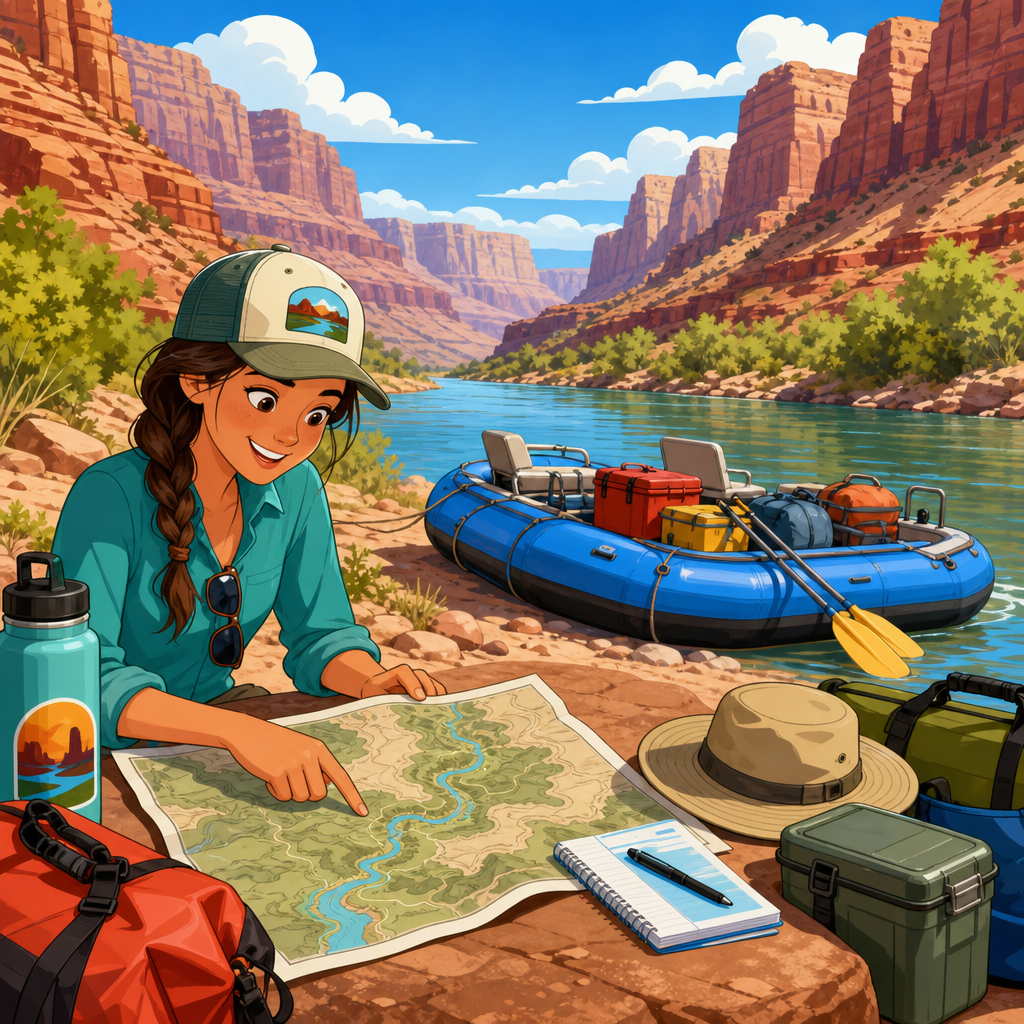
Planning a multi-day boating trip on the Colorado River starts with understanding that this is not one destination but a connected system of reservoirs, canyons, marinas, regulated reaches, and remote stretches that demand different skills, permits, and gear. For boaters researching the best boating lakes and rivers in the U.S., the Colorado River deserves hub status because it combines houseboating, fishing, wake boating, scenic cruising, wilderness camping, and expedition travel in one watershed. I have planned trips on both reservoir sections and moving-water segments, and the biggest mistake I see is treating the river like a simple point-to-point cruise. Successful itineraries match your boat type, launch access, fuel range, weather window, and overnight strategy to a specific section.
The Colorado River begins in the Rocky Mountains of Colorado and flows through Utah, Arizona, Nevada, California, and Mexico, feeding famous boating destinations including Lake Powell, Lake Mead, and Havasu. In practical trip-planning terms, many people use “Colorado River” to include both the main river channel and the reservoir systems created by major dams. That distinction matters. A deep-V runabout set up for open water on Lake Mead is different from a raft or shallow-draft fishing boat needed for moving-water canyons. Water levels, current, marina services, campsite rules, and navigation hazards change dramatically between sections.
Why does careful planning matter so much here? Because the Colorado River rewards preparation and punishes assumptions. Summer heat can be extreme, afternoon winds can turn broad reservoir reaches rough, and remote side canyons may offer no fuel, no cell service, and no easy rescue. Federal land managers, including the National Park Service, Bureau of Reclamation, and other agencies, regulate access in many stretches. Some areas require advance permits, invasive-species inspections, or strict human-waste protocols. A strong plan protects your crew, your equipment, and the places you came to enjoy.
This guide serves as a hub for the wider topic of the best boating lakes and rivers in the U.S. by using the Colorado River as a model for destination research. If you can learn to evaluate this river correctly, you can apply the same framework to places like Lake Cumberland, the Columbia River, Table Rock Lake, the Mississippi, or the Tennessee River system. The key questions are consistent: What section fits your boat? What season gives you the safest and most enjoyable conditions? Where will you launch, refuel, and sleep? What legal requirements apply? And what backup plans will you use if weather, mechanical trouble, or changing water conditions force adjustments?
Choose the Right Colorado River Section for Your Boat and Goals
The first step is selecting the right section, because “Colorado River boating” can mean very different trips. Lake Powell, spanning Utah and Arizona, is ideal for multi-day cruising, houseboating, and exploring side canyons. Its sandstone walls, long distances, and marina network make it one of the most iconic boating destinations in America. Lake Mead, near Las Vegas, offers large-water recreation with easier metro access, though low-water conditions have changed launch and navigation patterns in recent years. Lake Havasu supports high-energy recreational boating, marina hopping, and warm-weather trips with plenty of services. Upstream and downstream moving-water sections are better suited to experienced river runners, anglers, or guided expeditions.
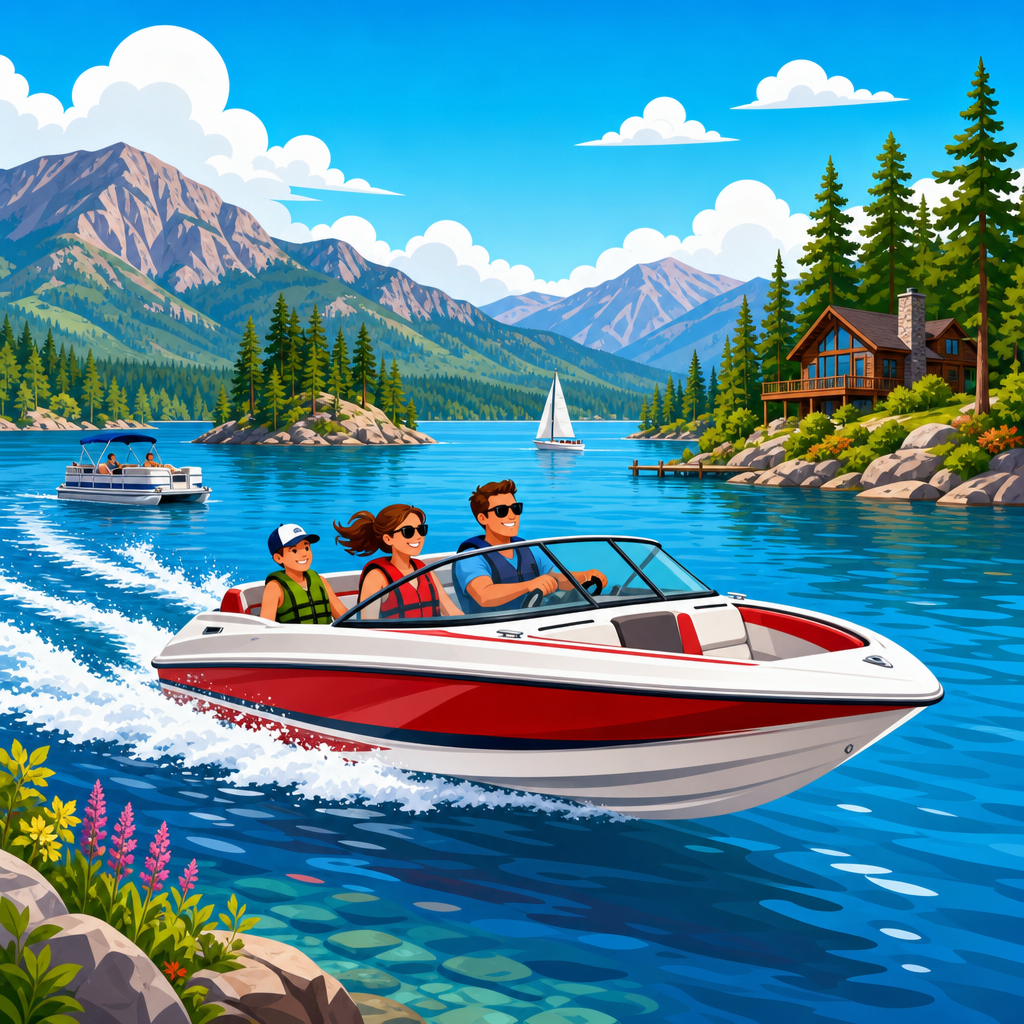
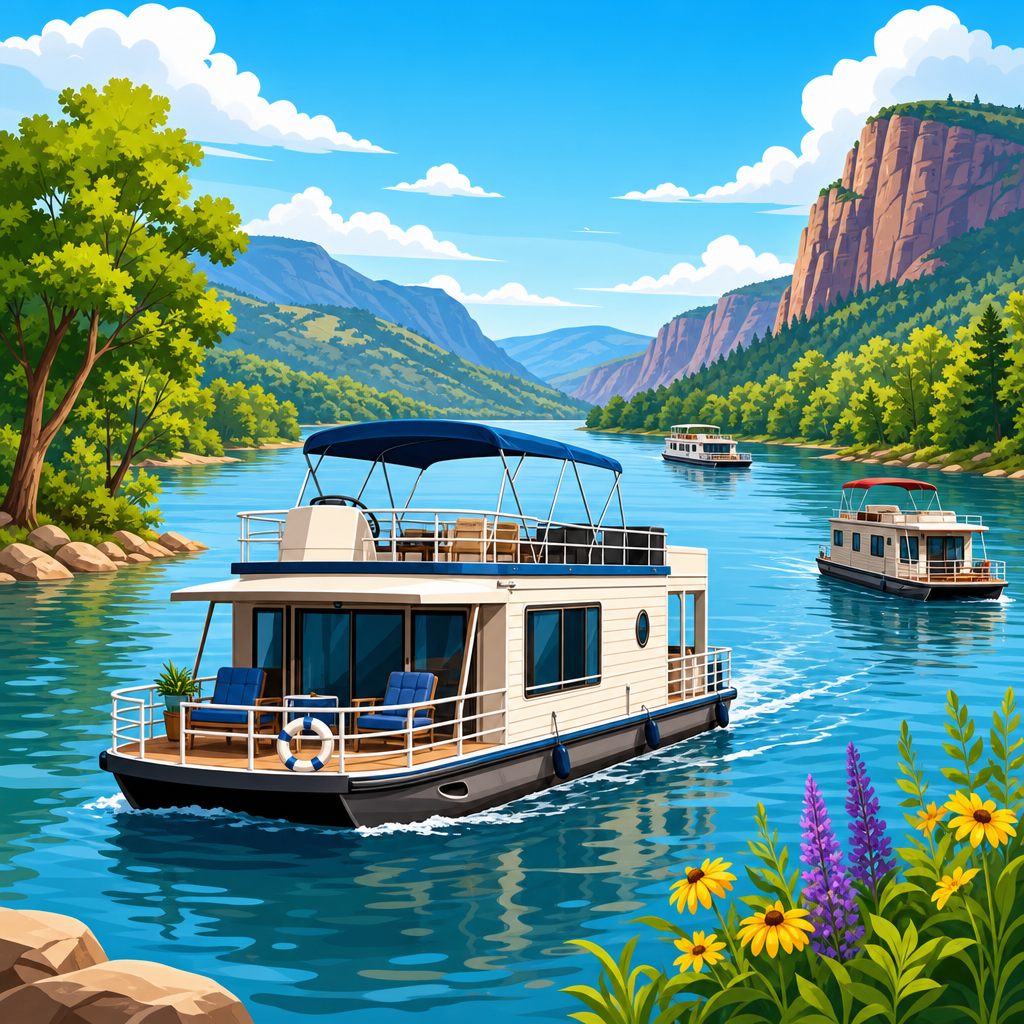
Match the section to your boat type. Houseboats excel on Lake Powell and parts of Lake Mead because they provide sleeping quarters, galley space, shade, and freshwater capacity. Bowriders, pontoons, and cabin cruisers work well for reservoir itineraries if they have enough fuel range and overnight support. Bass boats and multispecies fishing boats fit calmer stretches and reservoir coves but may be less comfortable in large open water during wind events. Jet boats and rafts are often preferred on shallow, current-driven river reaches where submerged hazards or sandbars are concerns. If your boat needs premium fuel, check availability in advance; not every marina carries every grade.
Trip goals should narrow the map further. Families often prioritize easy marina access, swimmable coves, and shorter runs between fuel stops. Anglers may focus on striped bass and smallmouth opportunities at Powell, largemouth around Havasu, or trout in tailwater sections where permitted. Photographers usually want shoulder-season light, calmer mornings, and dramatic canyon camp settings. If you want solitude, avoid assuming the biggest water means the fewest people. Some famous bays can be crowded in peak season, while less publicized reaches may feel much more remote.
| Section | Best For | Typical Boat Types | Main Planning Concern |
|---|---|---|---|
| Lake Powell | Houseboating, canyon exploration, multi-day cruising | Houseboats, runabouts, cruisers, fishing boats | Long distances, fuel logistics, changing water levels |
| Lake Mead | Large-lake recreation, weekend cruising, fishing | Pontoons, bowriders, cruisers, fishing boats | Wind exposure, launch availability, heat |
| Lake Havasu | Social boating, warm-weather trips, marina access | Runabouts, pontoons, wake boats, personal watercraft support boats | Traffic, peak-season congestion, heat management |
| Canyon river sections | Expedition travel, guided trips, technical boating | Rafts, drift boats, jet boats in suitable reaches | Permits, current, rapids, specialized safety needs |
Build a Realistic Itinerary Around Distance, Fuel, and Overnight Stops
Multi-day boating trips fail when daily mileage looks reasonable on a map but unrealistic on the water. On the Colorado River system, distance is shaped by no-wake zones, marina lines, side trips into canyons, afternoon chop, and the simple reality that docking, beaching, and securing overnight camps take time. I plan reservoir days by conservative cruising hours rather than optimistic miles. On a trip with mixed experience levels, two to four hours of actual transit per day is often enough, especially when you add swimming, fishing, and shoreline exploration.
Fuel planning deserves a hard-number approach. Start with your boat’s real-world burn rate at cruising speed, not the manufacturer’s best-case brochure estimate. Then add reserve fuel for weather detours, idling, and searching for campsites. Many prudent boaters use a version of the one-third rule: one-third of fuel for the outbound run, one-third for the return or onward transit, and one-third held in reserve. On very remote sections, that may still not be enough unless your route includes confirmed fuel docks. Call marinas directly a few days before departure to confirm operating hours, fuel type, pump status, and water-level impacts on access.
Overnight strategy changes the whole trip. On a houseboat, your anchoring and beaching plan becomes central; evaluate prevailing wind direction, shoreline angle, and swing room. On smaller boats, you may base from marinas, lakeside lodges, or designated campgrounds. Primitive shoreline camping can be magical, but only if regulations allow it and your crew can manage sanitation, food storage, and nighttime weather. In the desert, exposed camps that feel perfect at sunset can become miserable after midnight if wind shifts. I always identify a primary overnight location and at least one alternate before leaving the launch ramp.
Time the Trip for Water Conditions, Weather, and Crowd Levels
The best season depends on where you are going and what kind of boating experience you want. Late spring and early fall are generally the strongest choices for multi-day Colorado River boating because daytime temperatures are more manageable, crowds are lighter than peak summer, and water remains usable for swimming and recreation in the major reservoirs. Summer offers the fullest marina operations and school-break convenience, but it also brings intense desert heat, more boat traffic, and afternoon winds that can build quickly across open reaches. Winter can be beautiful and uncrowded on lower river sections, though cold nights and shorter daylight reduce flexibility.
Water levels and flows are not background details; they shape route safety. Reservoir elevation affects launch ramps, marina accessibility, shoreline camping options, and exposure of hazards. River releases downstream of dams can alter current speed and boating conditions. Before departure, review current reservoir data from the Bureau of Reclamation, local marina notices, and park service alerts. For moving-water segments, study gauge information, flow forecasts, and any known hazard reports. If you are unfamiliar with reading hydrographs, learn before you go; they can explain whether a stretch will be forgiving, pushy, shallow, or simply inappropriate for your boat.
Crowd timing also matters. Holiday weekends can turn popular sections of Havasu, Mead, and Powell into high-traffic environments with longer launch waits, busier fuel docks, and fewer protected overnight spots. Midweek departures often produce a far better experience. Wind should be treated as a planning variable, not a surprise. Broad reservoirs behave differently from narrow channels, and fetch can create steep chop that is uncomfortable or dangerous for smaller craft. I tell crews to plan travel early, explore by midday, and be anchored or tied off before the strongest afternoon conditions arrive.
Handle Permits, Inspections, Navigation, and Safety Systems Before Launch
Administrative details are easy to postpone and expensive to ignore. Depending on the section, you may need entrance fees, backcountry permits, camping reservations, or special river permits. Grand Canyon trips, for example, operate under tightly controlled permit systems and often involve years of lead time or commercial outfitters. Reservoir trips are usually simpler, but that does not mean casual. Aquatic invasive species programs can require inspection, decontamination, or proof of a clean, drained, dry boat. Western states take mussel prevention seriously, and boaters should expect questions about recent launches in infested waters.
Navigation prep should combine digital and analog tools. Chartplotters with updated maps are valuable, but they do not replace situational awareness in fluctuating water conditions. I carry paper maps for broad route reference, especially in maze-like reservoir canyons where batteries, screens, or signals can fail. Mark launch ramps, fuel docks, pump-out stations, emergency take-outs, and known hazard zones before departure. Download maps for offline use in apps such as Navionics, onX Backcountry, or Gaia GPS if your itinerary includes shore excursions. A handheld VHF can still be useful where marina traffic or other vessels monitor channels, though cell coverage remains inconsistent.
Safety systems must be built for heat, remoteness, and mechanical delay. Coast Guard-required equipment is only the starting point. Pack extra drinking water beyond your daily estimate, a robust first-aid kit, sun shelters, spare prop hardware where relevant, engine oil, belts, fuses, and a repair toolkit matched to your motor. For remote travel, a satellite communicator such as a Garmin inReach or ZOLEO is a serious upgrade in emergency capability. File a float plan with someone who understands your route, launch point, and return deadline. On the Colorado River, rescue can take time, and self-sufficiency is part of responsible boating.
Pack for Desert Boating Comfort, Camps, and Leave-No-Trace Travel
Packing for a multi-day Colorado River trip is about environmental control as much as recreation. Sun exposure is relentless, reflected heat off rock can be intense, and dry air masks dehydration until people are already behind. Every person should have high-SPF sunscreen, polarized sunglasses with retainers, a wide-brim hat, lightweight long sleeves, and reliable footwear for hot sand, rock scrambles, and slick ramps. Cooling towels and shade canopies make a larger difference than many new boaters expect. I also recommend electrolyte replacement, because crews often drink water all day but still fade from salt loss.
Food and storage planning should fit the trip’s remoteness. Use marine coolers or 12-volt refrigeration if available, pre-portion meals, and separate quick-access snacks from main food storage. On houseboats, galley systems simplify cooking, but propane, freshwater, and gray-water limitations still require discipline. On smaller boats, compact stove systems and no-mess meals reduce effort and risk. For desert camps, secure everything against wind. Lightweight items vanish fast, and a poorly tied tarp can become a hazard. Dry bags are worth using even on reservoir trips because beach landings, spray, and sudden weather can soak gear.
Responsible boating keeps these destinations open and enjoyable. Pack out trash completely, use approved waste systems where required, respect no-wake areas near marinas and other camps, and avoid damaging fragile shorelines with careless beaching. Many shoreline environments around the Colorado River recover slowly. Human waste rules vary by area, but where carry-out systems are required, comply fully. Fires may be restricted seasonally, and invasive-species cleaning requirements apply when you leave as well as when you arrive. Good boaters think beyond their own itinerary and treat the river corridor as a shared resource.
A well-planned multi-day boating trip on the Colorado River is one of the most rewarding ways to experience the American West. The river system works as a standout example within the best boating lakes and rivers in the U.S. because it offers nearly every style of boating, from marina-supported family cruising to remote expedition travel. The difference between a stressful trip and a memorable one usually comes down to section selection, realistic mileage, fuel discipline, weather timing, and compliance with permits and inspections. When those pieces are handled early, the experience opens up: quiet coves at sunrise, canyon walls glowing at dusk, and days that feel adventurous without feeling improvised.
The main benefit of planning carefully is freedom on the water. You are no longer guessing where to launch, whether fuel will be available, or whether your overnight spot will work if the wind shifts. Instead, you can focus on the reasons people return to the Colorado River again and again: dramatic scenery, varied recreation, and the rare sense that a boating trip can still feel genuinely exploratory. Use this article as your hub framework for researching other major U.S. boating destinations too, because the same planning logic applies almost everywhere.
Start by choosing one Colorado River section, mapping one conservative itinerary, and confirming the operational details with local marinas or land managers before you go. That simple step turns a broad dream trip into a safe, practical plan you can actually launch.
Frequently Asked Questions
What is the first step in planning a multi-day boating trip on the Colorado River?
The first step is choosing the exact section of the Colorado River you want to boat, because the river is not one uniform destination. It includes large reservoirs such as Lake Powell and Lake Mead, developed recreation zones with marinas and launch ramps, regulated river corridors with flow-dependent conditions, and remote canyon stretches that function more like true expeditions. Your route determines almost everything else: what type of boat is appropriate, whether you need permits or campsite reservations, how much fuel and water you must carry, what navigation challenges to expect, and how self-sufficient your group needs to be.
Start by matching the trip to your boating style and experience level. If your group wants comfort, easy resupply, and protected coves for overnight stays, a reservoir-based trip may make the most sense. If you want a scenic point-to-point adventure with primitive camps and fewer services, a river segment may be better. Also look at season, water levels, anticipated weather, and the ages and skill levels of everyone on board. A family houseboating trip, a fishing-focused outing, and a wilderness expedition all require very different planning. Once you define the specific stretch of river and the kind of experience you want, the rest of the logistics become much easier to organize.
Do I need permits or reservations for a multi-day Colorado River boating trip?
In many cases, yes. Permit and reservation requirements vary widely depending on where you are going. Some sections operate more like traditional recreation lakes, where you mainly need launch access, marina reservations, slip rentals, or houseboat bookings. Other stretches, especially those in protected canyons or high-demand recreation areas, may require advance permits for boating, overnight camping, backcountry use, or specific launch dates. There can also be special rules tied to group size, sanitation systems, fire pans, campsite selection, and invasive species inspections.
The best approach is to verify requirements with the managing agency for your exact route well before your trip. That may include the National Park Service, Bureau of Reclamation, state park agencies, tribal authorities, or local marina operators. Do not assume that rules are the same across the entire Colorado River system. A boater can move from a highly serviced reservoir into an area with strict camping controls or from a straightforward launch area into a permit-managed corridor with detailed compliance requirements. If you are planning travel during peak season, reserve early. Popular marinas, houseboats, campsites, and launch windows can fill quickly, especially around holidays and prime weather periods.
What kind of boat and gear are best for a multi-day trip on the Colorado River?
The right boat depends entirely on the section you are running and the style of trip you are planning. On reservoir sections, many boaters use houseboats, pontoons, fishing boats, cruisers, ski boats, or runabouts, often paired with support craft such as dinghies or personal watercraft where allowed. On more remote or current-dependent river stretches, the better option may be a raft, drift boat, jet boat, or specialized expedition craft. The main goal is to choose a boat suited to the water conditions, distance between services, fuel demands, overnight capacity, and cargo needs of your itinerary.
Your gear list should go beyond standard day-boating equipment. For multi-day travel, think in terms of self-sufficiency and redundancy. Every trip should include properly fitted life jackets for each passenger, navigation tools, updated charts or digital mapping, first aid supplies, emergency signaling devices, repair kits, lighting, extra lines, anchors appropriate for the bottom conditions, spare batteries or charging systems, and enough food and drinking water for the full trip plus a safety margin. Overnight trips also require shelter planning, sleeping systems, sanitation supplies, cooking gear, weather layers, sun protection, and secure dry storage.
Fuel planning is especially important on the Colorado River because service intervals can be long, weather can increase consumption, and side excursions add mileage quickly. If you are boating in remote country, assume that help may be delayed and equip accordingly. Bring spare parts for common issues, know your vessel’s range under load, and secure all cargo for rough water and wake exposure. On more primitive sections, waste management and leave-no-trace compliance are just as important as navigation and safety gear.
How do I plan campsites, marinas, and overnight stops along the route?
Overnight planning should be built around realistic daily mileage, available services, and changing conditions on the water. On reservoir trips, many boaters structure each day around marina access, fuel docks, protected coves, and popular beaches or anchoring areas. On river trips, overnight stops may depend on designated camps, gravel bars, legal shoreline access, or permit-assigned campsites. In either case, your daily plan should include both a preferred stop and one or two backup options in case wind, boat traffic, water levels, weather, or crowding change your timeline.
When choosing overnight locations, prioritize protection and practicality. Look for areas with shelter from prevailing wind, manageable wake exposure, safe approach depths, and enough room to secure the boat properly. Consider shoreline type, nighttime weather shifts, and how easy it will be to depart the next morning. If you are anchoring or beaching the boat, make sure your method fits the bottom conditions and expected overnight fluctuations in water level. If you are using marinas, confirm operating hours, fuel availability, pump-out services, overnight fees, and whether reservations are required.
It also helps to think through camp routines in advance. Decide where and how you will cook, store food, handle trash, manage portable toilets if required, and keep gear organized. Good overnight planning reduces stress, saves fuel, and lowers the chance of arriving late to an exposed or full location. On a multi-day Colorado River trip, a well-planned stop is not just about comfort; it is a core part of safety and trip efficiency.
What safety issues should I pay the most attention to on a multi-day Colorado River boating trip?
The biggest safety mistake is underestimating how quickly conditions can change from one section of the Colorado River to another. A calm reservoir morning can become a rough, wind-driven crossing by afternoon. A scenic canyon reach can involve cold water, limited communication, strong current, debris, or long distances between ramps and services. Remote stretches can feel forgiving until mechanical trouble, weather, or a navigation error turns a simple problem into a serious one. That is why trip planning should include both boating safety and expedition-style contingency planning.
Pay close attention to weather forecasts, wind patterns, water temperatures, and expected water releases where applicable. Cold-water exposure can be dangerous even in warm weather, and desert heat creates a different set of risks including dehydration, sun fatigue, and poor decision-making. File a float plan with someone reliable, carry communication devices that make sense for the area, and make sure everyone knows basic emergency procedures. Assign roles for docking, anchoring, launching, camp setup, and man-overboard response so your crew can work efficiently if conditions deteriorate.
Navigation deserves special focus. The Colorado River system includes narrow channels, submerged hazards, shifting shorelines, wakes from larger craft, marina congestion, and areas where low water or changing levels affect safe passage. Do not rely on one app or one screen. Use multiple navigation references and slow down in unfamiliar water. Finally, be honest about skill level. Some parts of the Colorado River are ideal for relaxed family boating, while others require advanced judgment, permit preparation, and strong self-rescue capability. The safest trip is the one planned for the actual conditions, not the one imagined from photos or travel guides.