Introduction to Right of Way Rules for Boaters
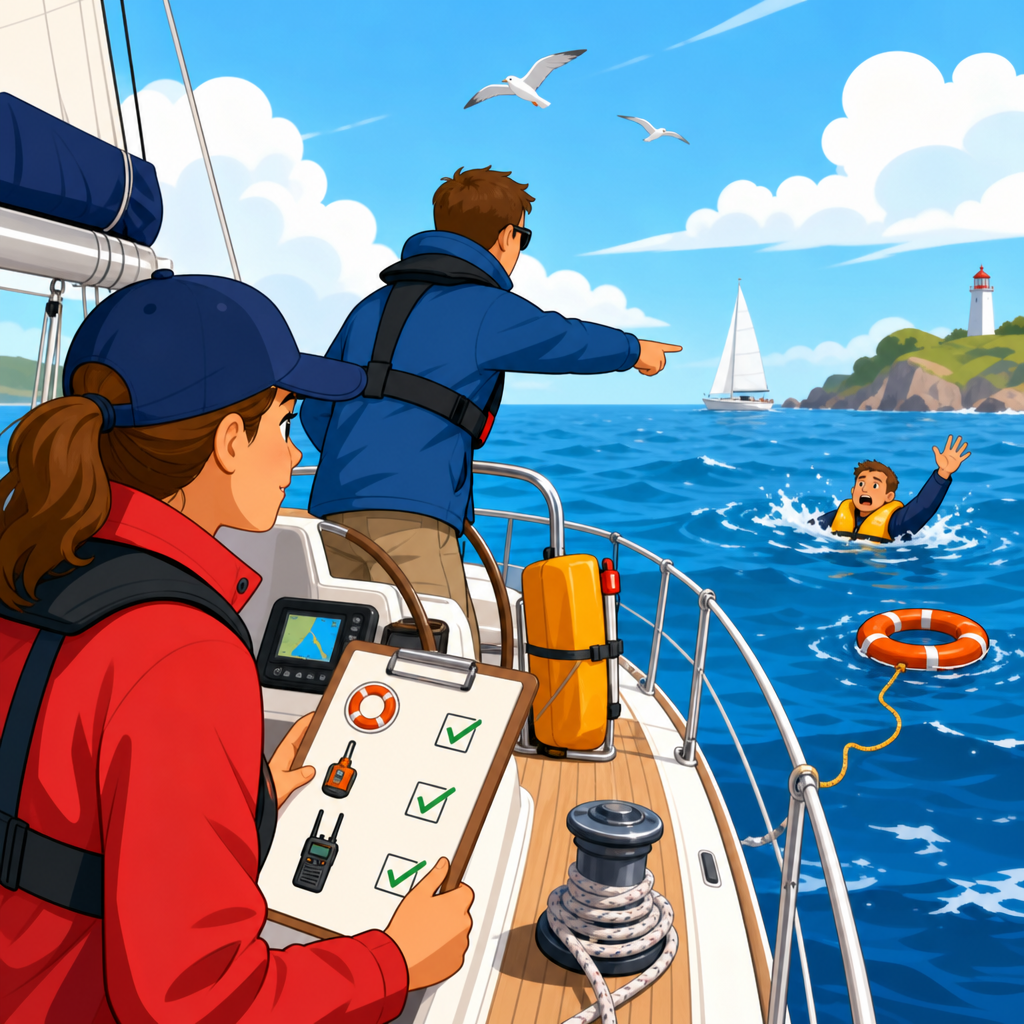
Navigating the open waters can be one of the most exhilarating experiences, offering freedom and a direct connection to the vastness of nature. However, like roads on land, waterways have rules and regulations designed to prevent accidents and ensure harmony among boaters. These rules are often referred to as “right of way” or navigation rules. Understanding and adhering to these rules is crucial for both seasoned mariners and new sailors alike. In this insightful guide, we will uncover the principles governing right of way, why these rules are essential, and how they significantly impact safety and maritime order. Our exploration into the intricacies of right of way rules for boaters will shed light on international conventions, common scenarios involving different types of vessels, and the obligations they impose. By mastering these rules, boaters not only enhance their navigation skills but also contribute to the cooperative spirit necessary for shared enjoyment of aquatic adventures.
Let us delve into the foundational aspects of right of way rules, which were established to manage reasonable expectations and responsibilities between boats under various circumstances. Predominantly based on the International Regulations for Preventing Collisions at Sea, often abbreviated as COLREGs, these rules serve as the marine equivalent of traffic laws. They aim to mitigate risks and foster coordination between diverse vessels, whether they’re power-driven, sailboats, or even human-powered crafts like kayaks. Each vessel has particular obligations contingent upon its classification, interaction with other vessels, and prevailing environmental conditions. As we begin our journey into understanding these rules, we will explore the necessity of situational awareness, discernment of signals, and the insightful application of theoretical knowledge to real-world scenarios. By the end of this discussion, boaters should feel confident in their competence to navigate with safety and courtesy, steering clear of common pitfalls while respecting the hierarchy of maritime navigation.
Unpacking the Specific Right of Way Rules
The foundation of right of way rules lies in recognizing and correctly interpreting the various situations and classes of vessels encountered on the water. The primary categories include powerboats, sailboats, vessels engaged in fishing, and vessels restricted in their ability to maneuver. For any skipper, recognizing which vessels have priority can prevent accidents and facilitate smooth operation in crowded or busy waterways.
Power-driven vessels usually lack precedence over sailboats when the latter are under sail. This general rule changes if the sailboat utilizes machinery for propulsion, categorically transforming it into a power-driven craft. In terms of hierarchy, several specific scenarios dictate right of way, demanding a deeper understanding of their implications. Across maritime regulations, vessels engaged in fishing, often with restricted maneuverability due to operational gear like nets or lines, usually enjoy priority over other powered or sailing vessels. Furthermore, vessels restricted in their ability to maneuver due to their nature or operation take precedence over those more freely capable of changing course or speed.
Before exploring specific interactions, it’s crucial to interpret navigational contexts using correct terminology. Terms like “stand-on” and “give-way” are pivotal in navigation discourse. A stand-on vessel holds its course and speed steady, expecting the give-way vessel to accommodate its path by altering its navigation. This principle especially demands judicious assessment when multiple vessels converge at crossing paths or head-on approaches. When vessels approach each other head-on or nearly head-on, both are required to alter their course to starboard, passing at a safe distance. Yet, if two sailing vessels intersect, sail handling becomes tricky. Typically, the vessel with wind on its port side must yield unless circumstances dictate uniqueness, such as when overtaking.
Another layer to these rules involves overtaken vessels. A vessel overtaking another assumes the mantle of the give-way vessel, tasked with navigating around the slower or steadier craft. It’s imperative that overtaking boats signal intent, ideally through sound signals, and execute their maneuver without startling or inconveniencing the overtaken vessel. Visual signals like lights or designated shapes form an essential aspect of nighttime navigation, ensuring all parties comprehend their responsibilities and potential course of action. Thus, mastering these nuanced interactions ensures each vessel’s safety and affirms each mariner’s competency.
Practical Application and Exceptions in Right of Way
While these fundamental rules provide guidance, boaters should always apply them conscientiously under varying conditions. Real-world scenarios will often present exceptions or call for adaptation due to environmental factors like weather, visibility, tides, and geographical constraints. These complexities place a premium on developing a keen sense of judgment and awareness for the immediate surroundings.
A notable exception within right of way rules is the condition of overtaking vessels. In any overtaking situation, irrespective of the relationship between vessels, the overtaking vessel must keep clear of the overtaken. This rule underscores the responsibility of more maneuverable vessels and discourages complacency by reiterating the responsibility to facilitate safe navigation. Additionally, when two sailboats are involved and neither holds a starboard tack, the windward vessel should generally give way to the leeward.
In practical terms, it’s vital to recognize that right of way does not negate the universal obligation of all mariners to prevent collisions. Even if one craft has priority, all vessels must take precautionary actions to avoid hazards. Neglecting to bestow due attention on shifting conditions or failing to respect informal maritime courtesy can lead to preventable incidents. For instance, smaller vessels may often be required by courtesy, not necessity, to yield a path to larger vessels that suffer from sizeable blind spots and a higher inertia.
Safety and signal communication are indispensable during reduced visibility. Propelled by technology, mariners should adequately deploy radar equipment, if available, and listen attentively to VHF radio channels assigned for collision avoidance. Communication using standardized sound signals, such as five short blasts indicating danger, serves as a last-ditch effort to avert catastrophes when visibility challenges interpretation. Moreover, lights and shapes, such as colored lanterns or day shapes, are instrumental in signalling respective roles and intent under diversified conditions and during zero visibility.
Thus, skillfully balancing the adherence to right of way rules with adaptive navigation, backed by communication proficiency and cautious anticipation, empowers mariners to confidently maneuver through complicated nautical scenarios. Such prudence ensures delightful nautical passages, emphasizing cooperative enjoyment and maximization of maritime savoir-faire.
Conclusion: Navigating with Confidence and Respect
Successful maritime navigation extends beyond the mechanical application of right of way rules; it involves a cultural respect fostered among those who venture into shared waters. As we conclude our examination of these navigational principles, it’s imperative to emphasize that understanding and practicing right of way is emblematic of competent seamanship. Boating incidents often stem from human error, miscommunication, or outright disregard for rules, which robust knowledge and disciplined practice can mitigate.
Education and experience serve as keystones in fortifying the boater’s capacity to employ right of way rules effectively. Continuous learning, participation in maritime safety courses, and interactive engagement with navigation aids augment a boater’s acuity. Moreover, promoting collective cooperation among the boating community garners mutual respect, paving the way for safer waterways where responsibility is harmoniously shared.
Equally important is the understanding that flexibility and vigilance remain paramount. Maritime conditions can change swiftly, demanding that even seasoned boaters adapt to unforeseen developments. Embracing commonsense safety measures, appreciating environmental constraints, and observing international norms enrich the boater’s journey, ensuring it remains both pleasurable and secure.
Ultimately, every boater has a role in nurturing a conductive waterway culture. This entails cognizance of personal limitations, respecting the rights of others to navigate safely, and willingly yielding when circumstances necessitate. As we navigate the splendour and challenges of open waters, let these guidelines guide conscientious navigators, fostering a legacy of responsibility and beneficence that transcends generations. Thus, preserving the sanctity and serenity intrinsic to our cherished aquatic landscapes.
Frequently Asked Questions
1. What is the purpose of right of way rules for boaters?
Right of way rules for boaters, often called navigation rules, are essential for maintaining order and safety on the water. Just like traffic laws on the road, these rules are designed to prevent collisions and ensure seamless interactions between all types of vessels, whether they are sailboats, powerboats, or kayaks. Essentially, knowing and understanding these rules allows boaters to predict the behavior of other vessels, making navigation smooth and incident-free. They also foster a sense of respect and responsibility, ensuring that everyone’s experience on the water is both enjoyable and safe. By adhering to these guidelines, boaters demonstrate good seamanship and a commitment to maintaining a secure environment for themselves and others. Whether you’re a veteran sailor or a rookie, these rules serve as a universal language of the sea.
2. How do I know if I am the “stand-on” or “give-way” vessel?
Determining whether you are the “stand-on” or “give-way” vessel is a fundamental aspect of navigation rules. The “stand-on” vessel is the one that maintains its current course and speed, while the “give-way” vessel must take action to avoid a collision by either stopping, slowing down, or altering its course. Generally, the rules state that power-driven vessels must give way to sailing vessels, larger vessels with restricted ability to maneuver, and vessels not under command. When two power-driven vessels are crossing paths, the vessel that sees the other on its starboard side (the right side) is the “give-way” vessel. In cases where two sailboats are approaching one another, the vessel with the wind on its port side must give way. By learning the specific scenarios outlined in maritime navigation rules, you can accurately determine your role, whether to maintain course or take evasive action.
3. What are the rules for overtaking another vessel?
Overtaking rules on the water are relatively straightforward yet crucial for preventing collisions and ensuring safe passage. If you are overtaking another vessel, it is your responsibility to keep clear and navigate in a way that avoids collisions. An overtaking vessel must do so with caution, at a safe distance, and must not impede the progress of the vessel being overtaken. The vessel being overtaken, on the other hand, is considered the “stand-on” vessel and should maintain its course and speed. It’s important to signal your intention to overtake, typically using short horn blasts, to inform the other vessel. This courteous communication helps minimize misunderstandings and ensures that both parties are aware of each other’s actions. By adhering to these guidelines, you contribute to a cooperative and secure boating environment.
4. What should I do in a head-on situation?
In a head-on situation, where two vessels are approaching each other directly or nearly so, both are required to take action to avoid a collision. The standard practice is for each vessel to alter course to starboard (the right), ensuring a safe passing on the port side of each vessel. This maneuver mirrors common road rules and helps establish a predictable and consistent action when encountering another vessel head-on. This convention is critical for maintaining safety on the water, as it allows both boaters to anticipate each other’s moves and take the necessary actions in a timely manner. Whenever possible, it’s also helpful to use sound signals like a single short blast to indicate your intention to pass on the starboard side. Such proactive communication further enhances safety and ensures a smooth navigation experience.
5. Are there different right of way rules for different types of waters?
Yes, different types of waters, such as international waters, inland waters, and specific channels, may have variations in right of way rules, though there are many overarching principles that remain the same. For instance, the International Regulations for Preventing Collisions at Sea (COLREGS) apply to vessels on the high seas and in connected navigable waters, setting the standard for many global right of way rules. However, specific nations or regions may have their own adaptations that apply in inland waters within their jurisdiction. Additionally, local practices might dictate specific right of way practices near congested ports, docks, or narrow channels. It’s important for boaters to be aware of these variations by consulting reliable nautical charts and resources before setting sail. Understanding these localized rules ensures compliance and helps maintain harmony on all types of waterways.