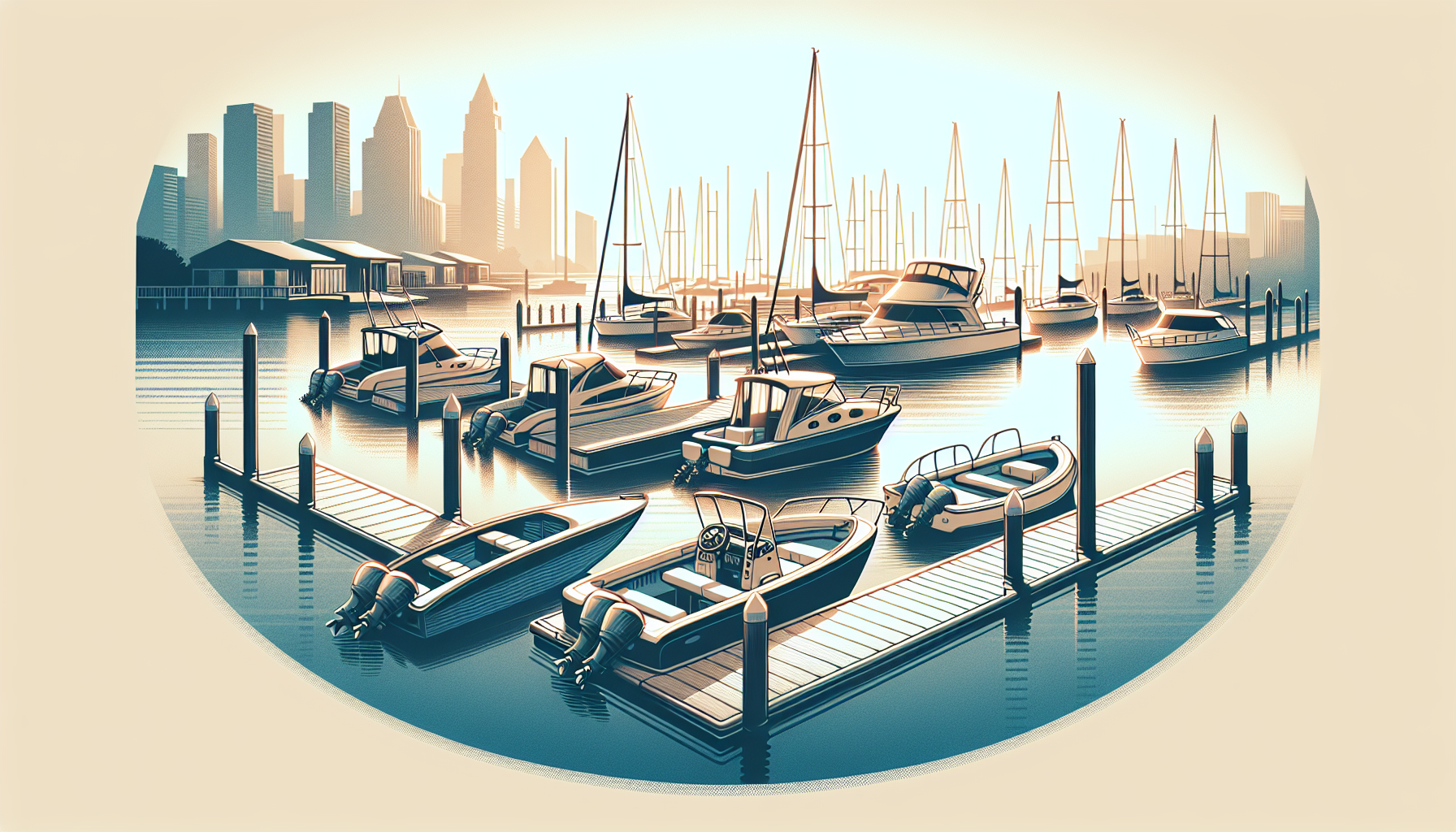
Choosing your first boat is easier when you focus on one question: which models are genuinely simple to handle on the water, at the dock, and on the trailer. In the best boats for beginners category, easy operation matters more than flashy features because new boaters need confidence, predictable handling, and manageable maintenance. After spending years testing entry-level fishing boats, pontoons, runabouts, and small cruisers, I have seen the same pattern repeatedly: first-time owners enjoy boating more when their boat is forgiving, stable, and uncomplicated. This guide to the top 10 easy-to-operate boats for new boaters explains what “easy to operate” really means, which types deliver the smoothest learning curve, and how to choose the right starter boat for your goals.
For beginners, the key terms are straightforward. Easy-to-operate boats usually have simple helm controls, modest power, stable hulls, forgiving low-speed manners, and layouts that make boarding, docking, and line handling less stressful. Beginner boats also tend to be shorter, lighter, and easier to trailer than large offshore or high-performance models. In practical terms, that means a 16-foot aluminum fishing boat, a compact pontoon, or a small bowrider will usually be easier to master than a twin-engine cabin cruiser. That difference matters because most early boating mistakes happen at slow speed near docks, ramps, and crowded marinas, not while running in open water.
This hub article covers the best boats for beginners comprehensively because the right first boat affects safety, insurance costs, maintenance workload, and how quickly you build real skill. It also serves as a starting point for deeper buying research across the broader Best Boats & Reviews topic. If you are comparing family-friendly layouts, looking for low-maintenance ownership, or deciding between outboard and sterndrive power, the categories below will give you a reliable framework. The boats listed here are not ranked only by popularity. They are ranked by the qualities that help new owners succeed: visibility from the helm, predictable handling, comfortable seating, accessible systems, and a low penalty for minor mistakes.
What makes a boat beginner-friendly
A beginner-friendly boat is one that reduces complexity without limiting useful capability. In my experience, four characteristics matter most. First is stability. Wider beams, flatter sections, and pontoon platforms inspire confidence when passengers move around. Second is control. Responsive but not overly aggressive steering helps new operators learn throttle and wheel inputs smoothly. Third is simplicity. Single-engine setups, outboard power, basic electronics, and open layouts are easier to understand, troubleshoot, and maintain. Fourth is versatility. A starter boat should support the way you will actually use it, whether that means quiet lake cruising, casual fishing, towing kids on a tube, or short coastal day trips in fair weather.
There are also practical ownership factors many first-time buyers underestimate. Trailering is one. A boat that is easy on the water but difficult at the ramp can still create a miserable ownership experience. Storage is another. A 24-foot boat may seem reasonable at the dealership, but it becomes more demanding when you price marina slips, winterization, and tow-vehicle requirements. Fuel burn, insurance premiums, service access, and local water conditions should also shape your decision. The best boats for beginners are not always the cheapest boats. They are the boats that are easiest to use correctly and afford consistently.
Top 10 easy-to-operate boats for new boaters
The ten categories below consistently give first-time owners the smoothest entry into boating. Each one solves a different need, but all share beginner-friendly handling and manageable ownership demands.
| Boat type | Why it is easy to operate | Best use |
|---|---|---|
| 1. Pontoon boat | Very stable platform, simple controls, roomy deck | Family cruising and entertaining |
| 2. Aluminum fishing boat | Lightweight, durable, easy to trailer and launch | Lakes, rivers, casual fishing |
| 3. Small bowrider | Predictable handling, versatile seating, easy day use | Family recreation and watersports |
| 4. Center console under 20 feet | Excellent visibility, uncluttered deck, simple outboard power | Inshore fishing and bay cruising |
| 5. Deck boat | Wide footprint, social layout, stable ride at low speed | Groups and mixed recreation |
| 6. Jet boat | No exposed propeller, intuitive throttle response, shallow draft | Protected waters and family fun |
| 7. Small cuddy cabin | Basic overnight capability without full cruiser complexity | Day trips and short overnights |
| 8. Skiff | Simple layout, low operating cost, easy maintenance | Back bays, creeks, nearshore use |
| 9. Bass boat with modest power | Purpose-built layout and modern trolling systems | Freshwater fishing |
| 10. Electric boat | Quiet, low maintenance, very simple propulsion systems | Calm lakes and short leisure trips |
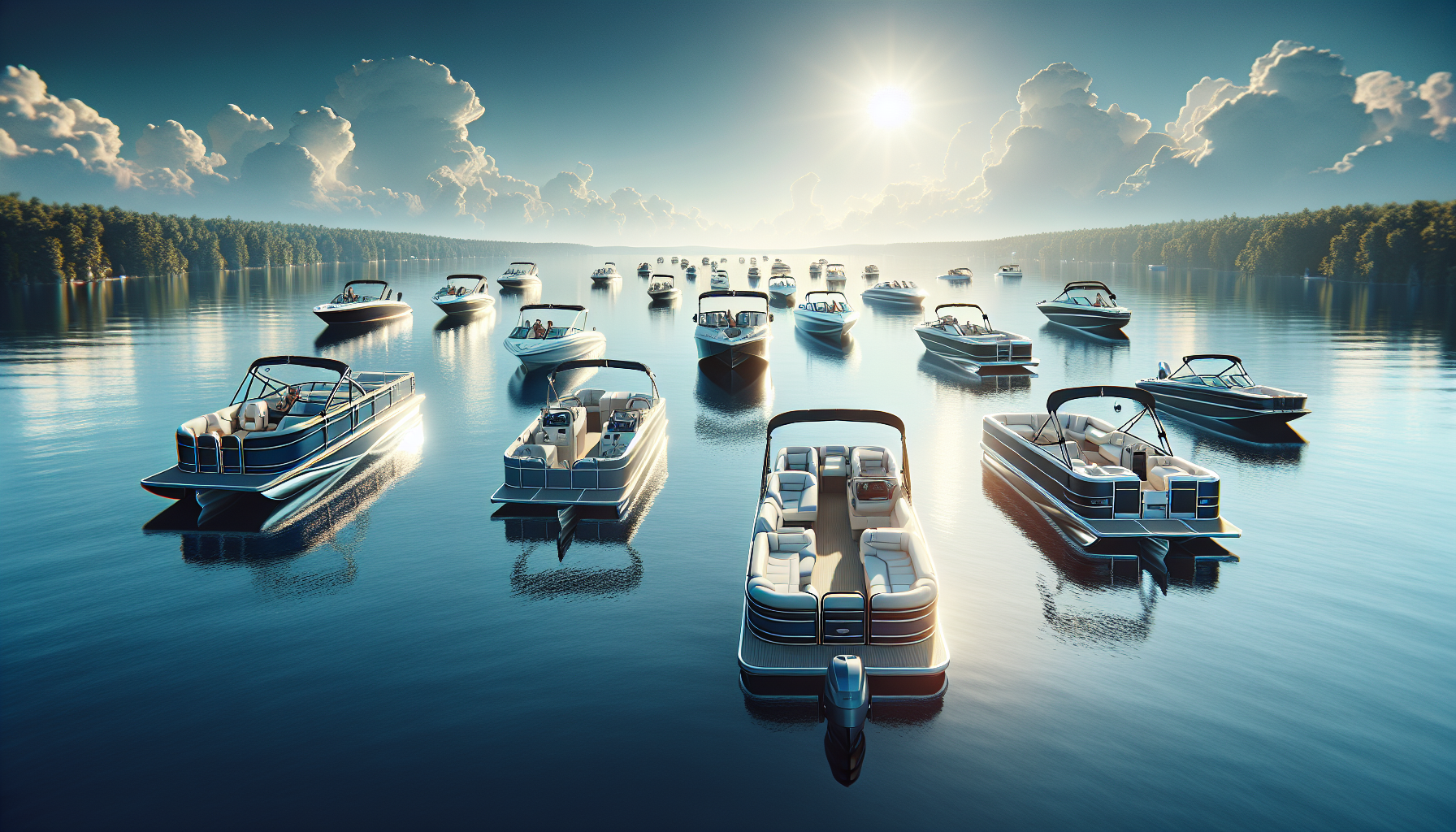
Pontoon boats are often the easiest recommendation for true beginners. Their multi-tube design creates outstanding static stability, which means the deck feels secure when passengers stand, board, or move to one side. Modern pontoons from brands like Bennington, Sun Tracker, and Harris also use straightforward outboard setups and intuitive helm layouts. Docking still requires practice because high sides can catch wind, but the broad platform and family-friendly seating make pontoons ideal for calm lakes and slow cruising. For buyers who prioritize comfort over speed, they remain one of the best boats for beginners.
Aluminum fishing boats are another standout. A 16- to 18-foot tiller or side-console model from Lund, Tracker, or Crestliner is light, durable, and forgiving to own. They trailer easily, launch with less drama than heavier fiberglass boats, and tolerate the bumps and scrapes that come with learning. Small bowriders from Bayliner, Tahoe, or Stingray are excellent for mixed family use because they offer predictable handling and enough seating for day trips without the systems complexity of larger cruisers. If you want a little more fishing focus with clear all-around visibility, a sub-20-foot center console is hard to beat for inshore waters. Simple skiffs, deck boats, and modestly powered bass boats round out the list because they combine accessible controls with highly specific use cases. Electric boats deserve mention too; on lakes that allow them, they are among the simplest and quietest platforms a new owner can buy.
How to match the boat to your boating style
The biggest beginner mistake is buying for an imagined lifestyle instead of actual use. I usually tell first-time buyers to write down three things: where they will boat, who will come along, and what they will do 80 percent of the time. If the answers are “small inland lake, spouse and kids, slow cruising and swimming,” a pontoon or deck boat is the obvious fit. If the answers are “early morning freshwater fishing, one or two people, easy towing,” an aluminum fishing boat makes far more sense than a bowrider.
Water conditions are the deciding factor. On protected lakes and gentle rivers, almost any of these beginner boats can work. In coastal bays with chop, tide, and current, hull design and freeboard matter more. A center console or skiff with an outboard is usually a better entry point than a pontoon. For narrow ramps and frequent solo launching, lighter boats provide a major advantage. Families who want tubing, coving, and occasional watersports should lean toward a small bowrider, deck boat, or jet boat. Anglers should be honest about storage, trolling motor needs, livewells, and casting space before choosing a general-purpose platform.
Features that make operation easier and safer
Specific features can dramatically improve the learning curve. Outboard engines are the simplest propulsion choice for most beginners because they are easier to service, easier to winterize, and free up interior space. Hydraulic steering reduces fatigue. Clear multifunction displays from Garmin, Simrad, or Humminbird help with speed, depth, and navigation, but overly complex electronics packages can distract new captains. A basic chartplotter, depth sounder, and engine data screen are usually enough at first.
Look closely at helm ergonomics. New operators need a clean sightline over the bow while seated and standing. Toggle switches should be labeled clearly. Throttle friction should feel smooth, not loose. Boarding ladders, grab handles, non-skid flooring, and wide walk-throughs matter because people get hurt during boarding and docking more often than while cruising. If you boat with children, secure gates and high rails are worth prioritizing. For tow sports, a proper tow point and reboarding ladder are essential. Safety gear should meet U.S. Coast Guard carriage requirements, and many states require boater education certificates for operators born after certain dates. Completing a NASBLA-approved course is one of the smartest first steps any owner can take.
Costs, maintenance, and ownership tradeoffs
The best boats for beginners should be easy to operate financially as well as physically. Entry-level ownership costs vary widely. Small aluminum boats and skiffs are typically the cheapest to insure, fuel, and store. Pontoons can cost more upfront because of size and trailer demands, but their systems are usually simple. Bowriders and deck boats may offer more speed and style, yet sterndrive versions often require more maintenance than comparable outboard models. That is why I routinely steer first-time buyers toward outboards unless they have a specific reason to choose otherwise.
Maintenance complexity rises fast with size. More batteries, pumps, plumbing, upholstery, and enclosed cabins all add tasks and cost. Used boats can be excellent values, but beginners should pay for a marine survey on anything substantial and should insist on a water test. Check transoms, floors, trailer tires, wheel bearings, bilge pumps, steering play, and service records. An inexpensive boat that needs carburetor work, trailer brakes, electronics replacement, and new canvas is not a bargain. Reliable starter ownership comes from buying a boat with straightforward systems, then keeping up with routine service, battery care, and off-season storage.
Buying tips for first-time boaters
Start smaller than your ambition suggests. Most new boaters gain skill fastest in boats under 20 feet with single-engine power and open layouts. Buy from a dealer or seller who will walk you through launch procedures, switching, fueling, and basic troubleshooting. Practice docking in calm conditions before taking guests. Learn how wind pushes your hull, how long it takes to stop, and how the boat pivots in reverse. Those fundamentals matter more than top speed or upholstery quality.
Finally, think of this article as the hub for your next research steps in the Best Boats & Reviews section. From here, compare the best boats for beginners by activity, propulsion type, and budget tier. Study towing capacity, read model-specific reviews, and shortlist only boats that fit your real waterways and storage situation. The top 10 easy-to-operate boats for new boaters all succeed for the same reason: they make boating approachable, safe, and enjoyable from day one. Choose the one that matches your routine, prioritize simplicity over bragging rights, and get proper instruction before your first busy weekend on the water. That approach will save money, reduce stress, and help you become a competent boater much faster. Start with the easiest platform for your needs, then build experience one confident outing at a time.
Frequently Asked Questions
What makes a boat easy for a beginner to operate?
An easy-to-operate boat usually combines predictable handling, simple controls, good visibility, and forgiving performance. For most first-time owners, that means a boat that responds smoothly at low speeds, feels stable when passengers move around, and does not require constant corrections at the helm. Size also matters. In many cases, smaller to mid-size boats are easier to launch, dock, trailer, and store than larger models, especially for someone still learning how wind, current, and momentum affect movement on the water.
Hull design plays a major role as well. Pontoon boats are often beginner-friendly because they are stable and straightforward to maneuver in calm water. Small center consoles and aluminum fishing boats can also be easy to manage because they are lighter and simpler in layout. Runabouts with modest horsepower are popular for new boaters because they offer familiar steering, clear sightlines, and enough power for fun without feeling overwhelming. Beyond handling, beginners should also look for boats with reliable outboard engines, uncluttered dashboards, and basic systems that are easy to understand and maintain. In short, the best first boats are not just fun to use—they help new owners build confidence every time they leave the dock.
Are pontoon boats the easiest boats for new boaters?
Pontoon boats are often among the easiest options for beginners, and for good reason. They are known for excellent stability, wide decks, and a relaxed driving experience that feels less intimidating than many V-hull boats. When passengers shift positions, a pontoon generally stays level and predictable, which helps new operators feel more in control. That steady platform also makes common first-time boating tasks easier, including boarding, anchoring, and moving around the boat safely.
That said, “easiest” depends on how and where you plan to boat. Pontoons are especially well suited to lakes, slow rivers, and family cruising. They are ideal for beginners who want simple handling, comfortable seating, and low-stress days on the water. However, they can be more affected by wind because of their large profile, which may make docking trickier in breezy conditions until the operator gains experience. They are also not always the best choice for rough offshore water or highly technical boating situations. For many new owners, though, a well-powered pontoon with modern controls, a practical layout, and moderate length is one of the most forgiving and confidence-building boats available.
What size boat is best for a first-time owner?
For many first-time boaters, the sweet spot is often somewhere in the small to mid-size range, typically around 16 to 22 feet depending on the style of boat. A boat in this range is usually large enough to feel stable and useful, but still manageable when it comes to docking, trailering, towing, launching, and storage. New owners often assume a bigger boat will be safer or easier because it feels more substantial, but larger boats bring more weight, more systems, and more momentum, all of which increase the learning curve.
The best size also depends on your boating goals. If you plan to fish on small lakes, a compact aluminum fishing boat or modest center console may be ideal. If your priority is family cruising and entertaining, an 18- to 22-foot pontoon or runabout may be a better fit. Just as important as length is beam, engine size, and overall layout. A well-designed 19-foot boat with clear walkways and balanced power can feel much easier to operate than a poorly matched boat that is too heavy, underpowered, or cluttered. First-time owners usually do best with a boat that gives them room to learn without creating unnecessary complexity.
Is an outboard-powered boat better than an inboard for beginners?
In many situations, yes—outboard-powered boats are often a better choice for beginners. Outboards are generally simpler to own, easier to service, and more straightforward to winterize and maintain than many inboard setups. They also free up interior space and are common on many of the most beginner-friendly boat types, including pontoons, small fishing boats, center consoles, and entry-level runabouts. For a new boater, that simplicity can make ownership far less intimidating.
From an operational standpoint, modern outboards are reliable, efficient, and easy to use. They typically offer clean throttle response, intuitive controls, and strong low-speed maneuverability, especially on lighter boats. Maintenance access is another big advantage. With an outboard, many routine checks are easier to perform, and engine-related issues are often simpler to diagnose than with more enclosed inboard systems. That does not mean inboards are a poor option across the board. Some sterndrive runabouts and small cruisers can still work well for beginners, especially when properly matched to the owner’s needs. But if your main goal is to reduce complexity, simplify maintenance, and learn on a boat that is easy to operate in everyday conditions, an outboard-powered model is often the more beginner-friendly path.
How can a new boater choose the right first boat without regretting it later?
The smartest approach is to prioritize ease of use over image, speed, or extra features. New boaters are much more likely to enjoy ownership when the boat fits their real habits instead of an idealized version of boating. Start by thinking honestly about where you will use the boat, how many people will usually be onboard, whether you will trailer it often, and what activities matter most—fishing, cruising, watersports, or casual family outings. Those practical answers will narrow the field quickly and help you avoid buying too much boat or the wrong type of boat.
It is also wise to pay close attention to the ownership side of the decision. Consider storage, tow vehicle capacity, maintenance demands, fuel usage, and how easy the boat will be to launch and retrieve. If possible, inspect several models in person and take test rides to compare visibility, helm comfort, low-speed handling, and deck layout. Many first-time buyers regret choosing a boat with excessive power, too many electronic systems, or a layout that looks impressive but is awkward in everyday use. The right first boat should feel manageable at the ramp, easy at the dock, predictable underway, and simple to maintain between outings. If a boat helps you feel calm and capable rather than overwhelmed, you are usually on the right track.