Finding the best boat dealerships for new and used boats in 2026 starts with understanding what separates a reliable marine retailer from a flashy showroom. A boat dealership is more than a place to compare prices on center consoles, pontoons, fishing boats, wake boats, cruisers, and personal watercraft. It is your gateway to financing, warranty support, certified service, insurance guidance, trade-in value, registration paperwork, and long-term ownership costs. After working with buyers, brokers, and service departments across multiple U.S. boating markets, I have seen the same pattern repeatedly: the best dealerships are not always the biggest, but they are usually the most transparent, best staffed, and strongest after the sale.
In 2026, this matters more than ever because the market for new and used boats remains highly segmented. Supply chains have improved since the severe disruptions of the early 2020s, yet inventory quality varies sharply by region and brand. New boat buyers care about engine packages, electronics integration, factory warranties, and dealer prep standards. Used boat buyers focus on service records, hours, hull condition, corrosion history, and whether the dealership stands behind a pre-owned vessel with inspection reports or limited guarantees. At the same time, digital shopping has changed consumer expectations. Serious buyers now expect online listings with clear photos, engine hours, maintenance notes, financing calculators, and actual availability rather than vague “call for details” pages.
The phrase best boat dealerships can mean different things depending on your goal. For some, it means access to premium brands such as Boston Whaler, Sea Ray, Grady-White, MasterCraft, Bennington, Malibu, or Pursuit. For others, it means the strongest used inventory, marine-certified technicians, fair trade offers, or dependable winterization and storage. The right choice depends on whether you prioritize price, selection, service, location, or expertise in a specific category such as offshore fishing, freshwater family boating, tow sports, or coastal cruising. The most important point is straightforward: a dealership should reduce risk, not add uncertainty.
This guide explains how to evaluate the best boat dealerships for new and used boats in 2026, what warning signs to avoid, and which dealership groups consistently stand out in the U.S. market. It also answers the practical questions buyers ask most: Where can I find a trustworthy used boat dealership? Are large multi-location dealers better than independents? What should a reputable dealer disclose before sale? By the end, you will know how to compare dealers with the same discipline experienced buyers use before committing to a major marine purchase.
What Makes a Boat Dealership the Best in 2026
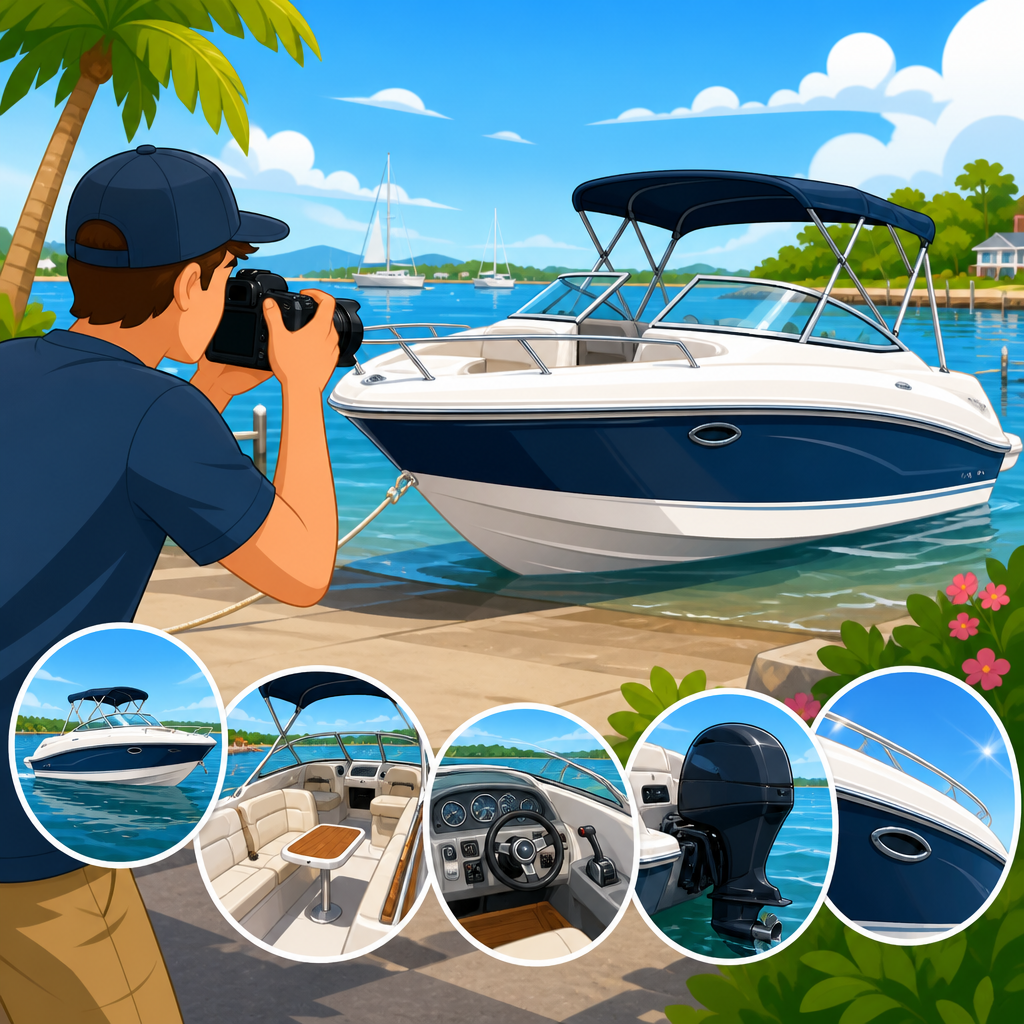
The best boat dealerships in 2026 share five traits: transparent inventory practices, strong brand alignment, verifiable service capability, competitive financing options, and post-sale support. Transparent inventory means listings include model year, exact engine type, hours, notable options, trailer details when applicable, and clear disclosures about cosmetic or mechanical issues on used inventory. When I audit dealership listings, this is the first filter I use. If the listing omits engine hours on a used outboard boat or avoids showing upholstery wear, buyers should assume the dealer is controlling information rather than helping comparison shopping.
Brand alignment is equally important. A dealership that specializes in offshore fishing boats usually understands trailer setup, electronics packages, jack plates, trolling motor integration, and saltwater corrosion prevention. A pontoon-focused dealership should know lifting strakes, tube configurations, horsepower matching, and family-use accessories. Expertise becomes obvious during the first conversation. Strong dealers ask where you boat, how many people you carry, whether your water is shallow, if you need tow-sport performance, and how you will store the boat. Weak dealers jump straight to monthly payments.
Service capability is one of the clearest markers of long-term value. Reputable dealers maintain factory-trained technicians, use service management systems, and can explain turnaround times during peak season. They also have established processes for pre-delivery inspection, software updates for multifunction displays, engine diagnostics, and warranty claim handling. The best stores do not treat service as an afterthought. They know a sale without service support becomes a reputation problem within one boating season.
Financing and ownership support round out the picture. Strong marine dealers work with lenders familiar with longer boat terms, seasonal use, and insurance requirements. They help buyers understand total cost, including storage, maintenance, taxes, and fuel burn. In practical terms, the best dealership is the one that still answers your calls after launch day.
Top Boat Dealership Groups Buyers Should Know
Several dealership groups consistently perform well because they combine scale with recognizable service systems. MarineMax remains one of the most visible names in the U.S. market, with broad geographic coverage and access to major brands across recreational categories. Its strength is selection, financing infrastructure, and nationwide visibility. For buyers who want a late-model premium boat with broad support, that network can be useful. The tradeoff is that experience can vary by location, so buyers should still evaluate the specific store’s service reputation and delivery standards.
OneWater Marine is another major player worth tracking in 2026. Through a portfolio of regional dealers, it offers access to fishing boats, pontoons, cruisers, and tow boats in many boating-heavy states. Buyers often benefit from the group’s inventory reach, especially when looking for specific outboard setups or lightly used trade-ins. In my experience, larger groups like OneWater can be especially helpful when transferring inventory between stores, which matters when local stock is limited.
Sundance Marine, Hall Marine, and SkipperBud’s are also prominent names depending on region and boating style. SkipperBud’s has long been relevant in Midwestern and Great Lakes markets, where service, winter storage, and freshwater-specific expertise matter. Hall Marine has built a strong reputation in the Southeast, especially with family and fishing segments. Sundance Marine remains well known for premium center consoles and larger recreational models in coastal markets. These groups are not interchangeable; each is strongest in certain segments and geographies, which is why buyers should match the dealership to their actual use case rather than brand familiarity alone.
| Dealership Group | Best For | Notable Strength | Buyer Watchpoint |
|---|---|---|---|
| MarineMax | Premium new boats, broad selection | Large network, financing, brand access | Location-level service quality varies |
| OneWater Marine | Fishing and family boat variety | Regional reach, inventory transfer options | Compare fees across stores |
| SkipperBud’s | Great Lakes and freshwater boating | Storage, service, seasonal expertise | Peak-season service scheduling can tighten |
| Hall Marine | Southeast family and fishing buyers | Strong regional market knowledge | Brand availability depends on location |
| Sundance Marine | Coastal premium boat buyers | High-end inventory and delivery support | Used inventory moves quickly |
Independent dealerships should not be overlooked. Some of the best buying experiences I have seen came from family-run stores with deep local reputations, experienced rigging teams, and loyal service customers. A strong independent often beats a large chain on accountability because the owner’s name is directly tied to every delivery and repair outcome.
How to Evaluate New Boat Dealerships
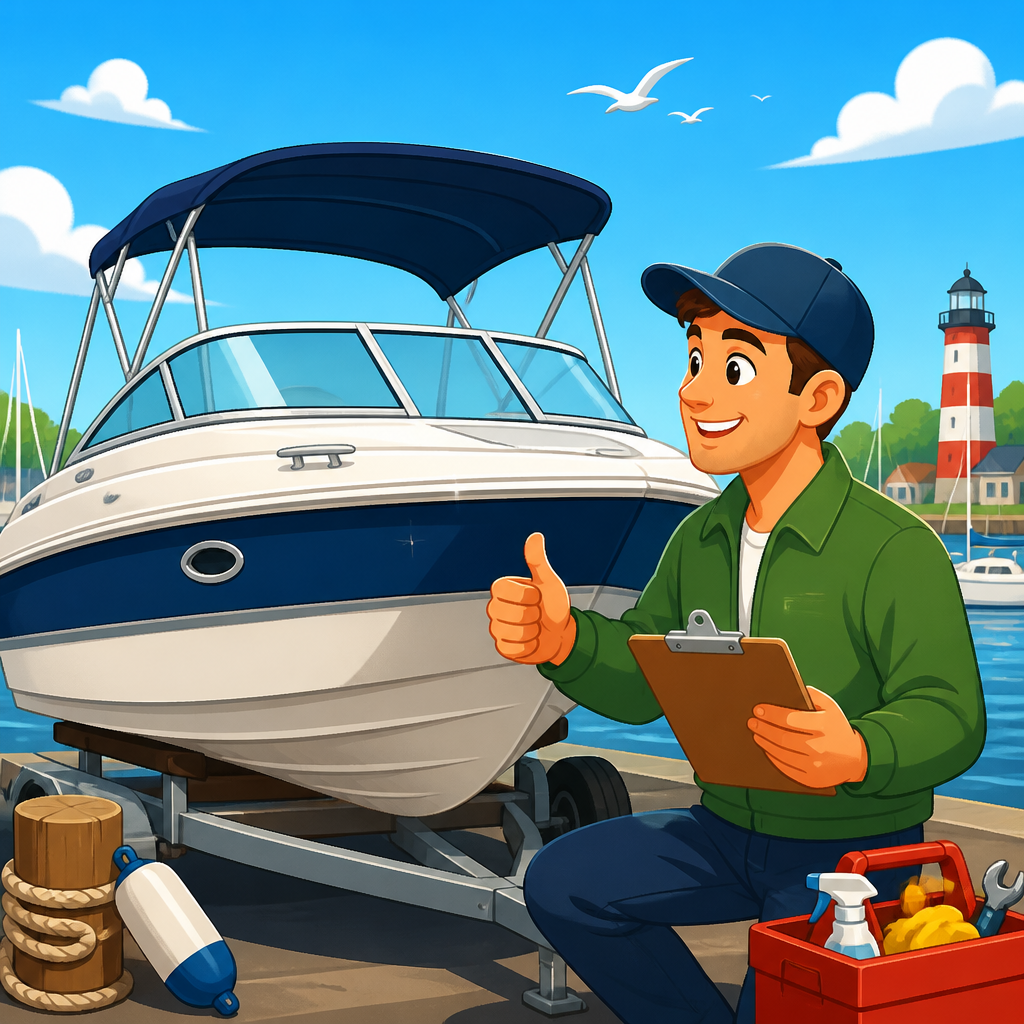
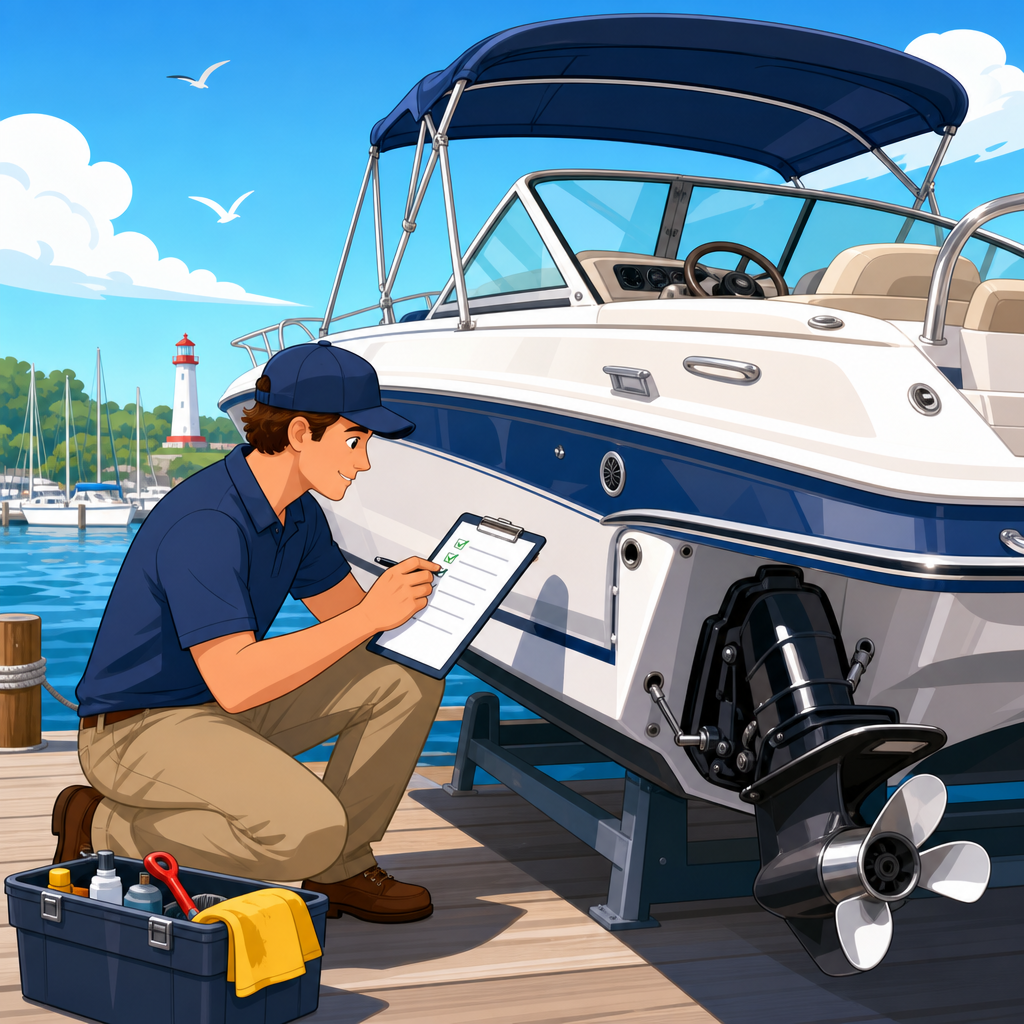
When buying a new boat, the dealership’s setup process matters nearly as much as the manufacturer. New does not automatically mean flawless. I have inspected brand-new boats with undercharged batteries, poorly routed wiring, uncalibrated electronics, trailer setup issues, and missing engine break-in guidance. The best new boat dealerships use formal pre-delivery inspection checklists covering fuel systems, battery charging, bilge pumps, navigation lights, steering response, software updates, trailer torque checks, and water testing where appropriate.
Ask direct questions. Is the boat lake-tested or sea-trialed before delivery? Are electronics installed in-house or outsourced? Who handles warranty claims for the hull, engine, and accessories? Does the dealership register the warranty immediately? Can they explain the service schedule for the engine brand, whether Mercury, Yamaha, Suzuki, Honda, Volvo Penta, or Ilmor? Strong dealers answer clearly and in sequence. Vague responses usually predict weak ownership support.
Brand specialization is another advantage. A dealer that sells many boats from one manufacturer typically knows option combinations that preserve resale value. For example, on a family bowrider, they may steer you toward the engine package that balances fuel economy with full-load performance. On a bay boat, they may recommend hydraulic steering, a 36-volt trolling system, and shallow-water anchors because those features are expected in the resale market. That advice saves money later.
Also look at delivery quality. The best dealerships conduct hands-on orientation, not a rushed signature session. Buyers should leave knowing how to operate trim, battery switches, pumps, chartplotters, breakers, anchoring systems, and trailer couplers. In 2026, a dealer that cannot provide a complete delivery walkthrough is not operating at a professional standard.
How to Shop Used Boats Through a Dealership
The best used boat dealerships reduce uncertainty by documenting condition and history. At minimum, a reputable used listing should state engine hours, ownership background when known, inspection status, service work completed, and whether the vessel is sold as-is or with limited coverage. Buyers should ask for compression data on older outboards when relevant, diagnostic printouts for modern engines, and moisture or structural checks on fiberglass hulls if there is any sign of concern. A dealership unwilling to discuss these basics is not a serious steward of used inventory.
Trade-ins often produce excellent value, but only when reconditioning standards are high. Good dealers clean fuel systems, replace failing pumps or batteries, repair safety issues, update impellers when needed, and verify trailer lighting and braking systems. Great dealers separate cosmetic imperfections from mechanical readiness and explain both plainly. I trust used dealers more when they point out flaws before I ask, because that usually means they are selling condition honestly rather than managing objections.
Marine surveys are still valuable, especially for larger cruisers, offshore models, and older premium boats. Even when buying from a dealership, an independent marine surveyor and engine inspection can reveal moisture intrusion, deferred maintenance, poor repairs, or corroded electrical systems. Standards from the American Boat & Yacht Council, commonly called ABYC, and guidance from the National Marine Manufacturers Association shape many best practices in the industry. Dealers who reference these standards tend to operate with more discipline.
One final point on used inventory: speed matters. Well-priced used boats from reputable dealerships move fast in spring and early summer. If the documentation is strong, the sea trial is clean, and financing is ready, decisive buyers often secure the best inventory before it reaches broader listing syndication sites.
Red Flags, Pricing Reality, and Final Selection
Common red flags include missing titles, unclear consignment status, undisclosed engine hours, no service department, excessive documentation fees, and pressure to skip a sea trial. Another warning sign is a dealership that promotes low monthly payments without discussing loan term, down payment, interest rate, insurance, and maintenance. Boats are discretionary assets, and affordability should be evaluated honestly. A fair dealer helps you understand depreciation, not just acquisition.
Pricing in 2026 is more rational than the overheated pandemic-era market, but used values still depend heavily on engine brand, hours, electronics age, trailer condition, and regional demand. Saltwater exposure does not automatically make a boat bad, but it raises the importance of corrosion control, flushing habits, and maintenance records. Freshwater boats often command premiums for exactly that reason. Buyers comparing similar listings should normalize for these variables before assuming one dealer is overpriced.
The best boat dealerships for new and used boats in 2026 are the ones that combine honest listings, proven service, category expertise, and durable after-sale support. Start with dealers that specialize in your boating style, check reviews for service consistency rather than sales charm, and insist on documentation that matches the price. Whether you buy from MarineMax, OneWater, a respected regional group, or a standout independent, the winning move is the same: evaluate the dealership as carefully as the boat. Make a shortlist, ask hard questions, and schedule your sea trial with confidence.
Frequently Asked Questions
What should I look for in a boat dealership when buying a new or used boat in 2026?
The best boat dealerships in 2026 do much more than display inventory. A trustworthy dealership should offer transparent pricing, knowledgeable staff, a strong reputation for customer service, and support that continues long after the sale. When comparing dealers, pay attention to whether they clearly explain fees, financing terms, warranty coverage, and estimated ownership costs. A reliable team should be willing to walk you through differences between new and used models, expected maintenance schedules, insurance considerations, and resale value without pushing you into a quick decision.
It also helps to look at the dealership’s service department, certifications, and brand relationships. Dealers that carry respected manufacturers and employ trained marine technicians typically provide a smoother ownership experience. For used boats, ask whether the inventory has been inspected, reconditioned, water-tested, or sold with any limited warranty. For new boats, confirm what factory support is available and how warranty claims are handled. The strongest dealerships act as long-term marine partners, helping with registration paperwork, accessories, seasonal service, storage referrals, and future trade-ins rather than simply closing a one-time sale.
Is it better to buy a new boat or a used boat from a dealership?
That depends on your budget, boating goals, and how much risk you are comfortable taking on. A new boat usually gives you the latest technology, full factory warranty protection, cleaner maintenance history, and the ability to choose options that fit your lifestyle. If you want updated electronics, modern fuel efficiency, advanced safety features, and predictable service needs, a new boat from a reputable dealership can be a smart long-term investment. Buyers who plan to keep the boat for several years often appreciate the peace of mind that comes with manufacturer-backed coverage and dealer-supported setup.
A used boat, on the other hand, can offer significantly better upfront value, especially if you are moving into a larger class of boat or testing out a boating lifestyle for the first time. The key is buying from a dealership that carefully inspects and documents its used inventory. Ask for service records, engine hours, hull condition details, and any repairs or upgrades that have been completed. A good dealership will explain the tradeoffs honestly, including what future maintenance may be needed and whether the boat is priced according to condition and market demand. In many cases, the best choice is not simply new versus used, but which boat gives you the right mix of reliability, cost control, and long-term enjoyment.
How do boat financing and trade-ins work at top dealerships?
Leading boat dealerships usually simplify financing by working with multiple marine lenders, which gives buyers more flexibility on rates, loan terms, and down payment options. In 2026, many dealers also offer digital prequalification tools that let you estimate monthly payments before visiting the showroom. A good finance department should explain the full picture clearly, including interest rate, loan length, taxes, registration fees, documentation charges, insurance requirements, and optional protection products. The best dealerships focus on helping you understand affordability over time rather than just showing you a low monthly payment.
Trade-ins are also a major advantage of buying through an established dealership. If you already own a boat, the dealer may inspect it and apply its current market value toward your purchase. This can save time compared with selling privately and may reduce some transactional headaches. However, trade-in offers vary based on condition, brand, maintenance history, engine hours, trailer condition, and local market demand. A reputable dealership should explain how they arrived at the valuation and whether reconditioning costs affected the offer. If financing and trade-in are both involved, ask to see each number separately so you can evaluate the true value of the deal with confidence.
Why is the dealership’s service department so important after the sale?
The service department is one of the clearest signs of whether a dealership is truly worth your business. Boats require ongoing maintenance, seasonal preparation, engine service, electronics support, trailer care, and occasional warranty work. Even a great boat can become frustrating to own if the dealership has poor communication, long repair delays, or limited technician experience. That is why experienced buyers often evaluate the service operation as carefully as the showroom itself. Ask whether the technicians are factory trained, how warranty claims are prioritized, what the average turnaround time is during peak season, and whether mobile service or winterization is available.
A strong service department adds real value throughout ownership. It can help preserve performance, protect resale value, and reduce the chance of expensive repairs caused by neglected maintenance. This matters for both new and used boats. For used inventory especially, the quality of dealer inspection and reconditioning can make a major difference in reliability. Dealers with well-run service teams are also usually better at helping customers source parts, install accessories, troubleshoot engine or electrical issues, and maintain service records for future resale or trade-in. In practical terms, buying from a dealership with excellent service support often saves time, money, and stress for years after the purchase.
How can I tell if a boat dealership is reputable before making a purchase?
Start by looking beyond advertising and inventory photos. A reputable boat dealership should have a consistent history of positive customer feedback, clear communication, and professional follow-through. Read reviews closely to see how the dealer handles service appointments, warranty issues, financing questions, delivery preparation, and post-sale support. One glowing review is less important than patterns across many buyer experiences. You should also check how long the dealership has been in business, what brands it represents, whether its staff understands the types of boats you are considering, and whether it provides thorough answers without pressure or evasiveness.
During your visit, pay attention to details. A quality dealership will usually provide organized listings, accurate specifications, realistic pricing, and honest explanations of condition on used boats. They should be comfortable discussing inspections, sea trials, ownership costs, and potential downsides of a particular model. If a dealership avoids questions about title status, service history, warranty limitations, or added fees, consider that a warning sign. The best boat dealerships in 2026 build trust through transparency, expertise, and support across the full ownership journey, from selection and financing to service, trade-in, and resale planning.