Planning the perfect fly fishing boat trip starts long before the first cast. It begins with choosing the right water, understanding how a boat changes presentation, and preparing for the safety, weather, and gear decisions that determine whether a day feels effortless or frustrating. Fly fishing from a boat means targeting fish with fly tackle while using a drift boat, skiff, raft, jon boat, or other watercraft as a fishing platform. That simple definition hides real complexity, because boat position, current speed, wind angle, casting lane, anchor control, and fish behavior all matter at once.
As someone who has planned guided and self-guided boat days on rivers, lakes, and inshore flats, I can say the best trips are rarely accidents. They are built around species, season, and water type. A trout float on a freestone river requires different timing and rigging than a bass day on a reservoir or a redfish session on tidal flats. Even within the same destination, the right launch, shuttle, fly box, and weather window can change outcomes dramatically.
This matters because a boat expands access. It lets anglers cover more water, reach banks and channels that shore anglers cannot, and present flies from cleaner angles. It also introduces constraints: limited storage, moving decks, changing drift speeds, and greater exposure to weather. A well-planned fly fishing boat trip balances efficiency with adaptability. When you do that, you fish more effectively, spend less time solving preventable problems, and create the kind of day that can support beginner learning, serious hunting for trophy fish, or relaxed time on the water with confidence.
Choose the Right Boat and Water for the Species
The first planning question is simple: what fish are you targeting, and on what type of water? The answer determines the boat. Drift boats excel on moving rivers because they track current well, draft relatively shallow, and provide stable casting platforms. Rafts are forgiving in technical rapids and are common on western trout systems, though they usually offer less elevated casting support. Flats skiffs are purpose-built for shallow saltwater sight fishing, where draft and quiet movement matter more than cargo space. Jon boats and bass boats fit lakes, reservoirs, and slower rivers, especially when casting streamers, poppers, or larger warmwater flies.
Matching boat to water is nonnegotiable. A skiff is not a practical answer for a rocky river float, and a drift boat is not ideal for poling a marsh edge. On tailwaters, where release schedules affect current and clarity, check dam operations from the managing agency before committing. On reservoirs, review lake levels, ramp conditions, and prevailing winds. On coastal systems, consult tide charts from NOAA and compare them against seasonal fish movement. Redfish may flood onto grass on higher tides, while striped bass may hold on current seams around bridges during tide changes.
Boat size matters too. A 16-foot drift boat may comfortably handle two anglers and a rower, but adding a third caster often creates crowding and safety compromises. If you plan to carry a cooler, spare rods, rain gear, and camera equipment, be realistic about space. I have seen excellent fishing days become chaotic because too much gear filled footwells and blocked rod movement. A perfect fly fishing boat trip begins with enough room to cast, land fish, and move safely.
Build the Trip Around Season, Conditions, and Timing
Fish behavior is seasonal, and boat planning should reflect that reality. In spring, runoff can swell trout rivers, stain water, and make some launches unsafe. That same period may improve warmwater fishing in protected coves where bass push shallow. Summer often offers early and late low-light feeding windows, stronger afternoon winds, and higher recreational boat traffic. Fall can be ideal for streamer fishing, migrating bait patterns, and aggressive pre-winter feeding. Winter narrows options but can reward anglers with technical tailwater trout fishing or stable saltwater periods in warmer climates.
Weather deserves deeper attention than a quick forecast glance. Use tools such as the National Weather Service, Windy, and local marine forecasts to compare wind speed, gusts, temperature swings, lightning risk, and barometric changes. Wind direction matters as much as velocity. A 12-knot wind hitting broadside on a lake may ruin boat control for fly casting, while the same wind on a sheltered bank can be manageable. On rivers, rising flows can turn a comfortable float into a pushy row. On the coast, tide plus wind can empty or flood a flat faster than many visitors expect.
Timing also includes launch and takeout logistics. If you are floating a river, secure shuttle arrangements in advance and confirm ramp status. Many first-time planners underestimate how long loading, shuttling, and organizing gear takes. For technical sight fishing, start early enough to fish prime light without rushing rigging at the ramp. For evening hex hatches, striper blitzes, or sunset tarpon movement, plan the whole day backward from the expected feeding window. Good timing is not just about being there; it is about being ready when conditions align.
Assemble the Right Fly Tackle, Clothing, and Boat Equipment
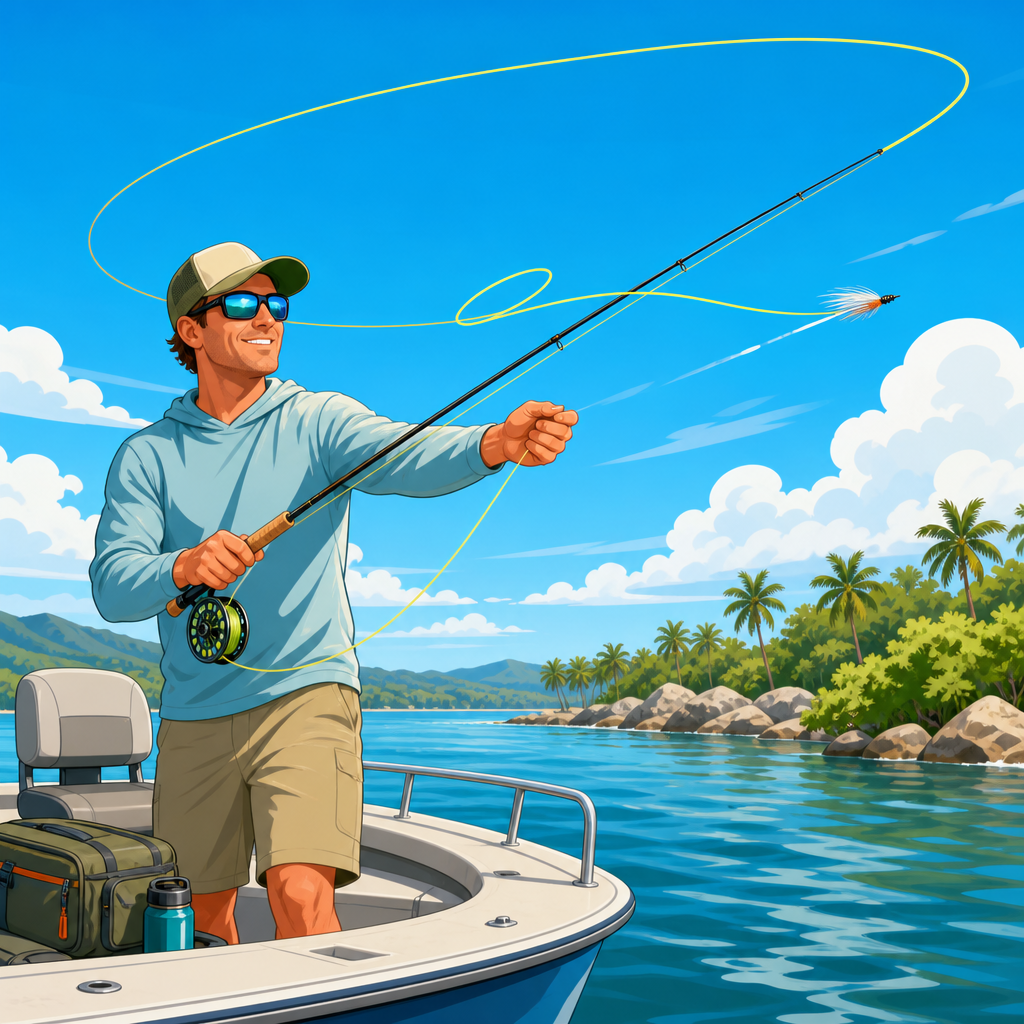
Every boat trip should begin with a species-specific gear list. For trout from a drift boat, that may mean a 9-foot 5-weight for dries and nymphs, a 6-weight with a sink-tip for streamers, floating lines, split shot, indicator options, and leaders from 3X to 6X. For bass, pike, or musky, heavier rods from 7-weight to 10-weight, wire or heavy fluorocarbon bite protection, and large-profile flies are standard. Inshore saltwater often calls for 7-weight to 9-weight rods, tropical lines, abrasion-resistant leaders, and corrosion-resistant reels with sealed drags.
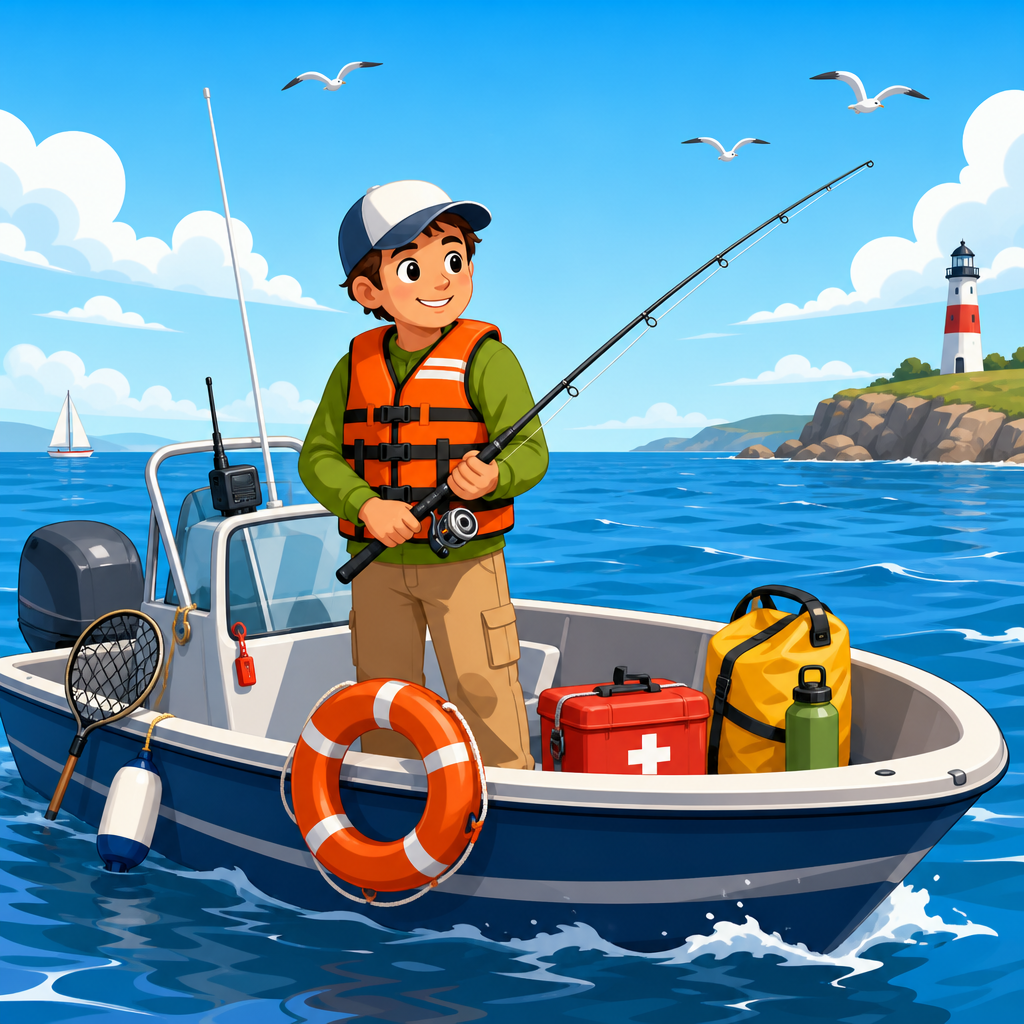
Boat equipment is just as important as fly tackle. Required safety gear generally includes properly fitted personal flotation devices for each passenger, a whistle or sound-producing device, navigation lights when needed, a throwable flotation device on many powered boats, and local registration compliance. Add a first-aid kit, sun protection, dry bags, spare oars or paddle backups where appropriate, anchor systems suited to the boat, and a knife accessible to the rower or operator. Polarized sunglasses are essential, not optional, because they improve fish spotting and protect eyes from errant flies.
Clothing should follow layering principles. Synthetic or merino base layers, insulating mid-layers, waterproof shells, buffs, gloves for cold mornings, and nonmarking deck footwear are practical choices. For summer trips, prioritize UPF-rated shirts, broad-brim hats, and hydration. I recommend packing one complete dry backup layer in a sealed bag even on stable forecasts. Weather changes, spray, rain squalls, and accidental slips happen. The most polished boat plans include not just what helps you catch fish, but what keeps everyone effective after six or eight hours outside.
Use a Practical System for Organization, Positioning, and Boat Control
Boat fishing succeeds when the platform works with the angler. That requires organization. Rig rods before launch when possible, stow fly boxes by technique, keep nets accessible, and assign fixed locations for pliers, tippet, and rain gear. Loose line should have a place to fall cleanly. In skiffs and jon boats, stripping baskets or clear casting decks can prevent line from wrapping around cleats and coolers. In drift boats, remove clutter from standing braces and floorboards. Efficient systems reduce wasted time and missed fish.
Boat positioning is the skill that separates average days from exceptional ones. On rivers, the rower should set downstream or quartering drifts that allow the caster to lead the fly naturally into feeding lanes. On lakes, use wind and electric motor adjustments to hold casting distance along weed edges, points, and drop-offs. On flats, keep the sun and wind in mind so the caster can see targets and deliver the fly without crossing the guide or partner. Good positioning means giving the fly its best chance before the cast starts.
Anchoring and movement decisions should be intentional. Constantly dropping anchor on active drifts can spook fish and create hazards in current. Conversely, refusing to anchor during a concentrated hatch, school, or shoreline feeding pattern can rush productive water. The right call depends on depth, current, bottom composition, and fish location. Quiet matters more than many anglers think. Push poles, controlled rowing strokes, and careful deck movement consistently outfish banging hatches, dropped pliers, and noisy trolling motor corrections.
| Water Type | Best Boat Choice | Primary Tactic | Main Planning Priority |
|---|---|---|---|
| Freestone river | Drift boat or raft | Nymphing, dries, streamers | Flow levels, shuttle, hazard review |
| Tailwater | Drift boat | Technical trout presentations | Dam release schedule, clarity |
| Lake or reservoir | Jon boat or bass boat | Bank structure and drop-offs | Wind forecast, ramp access |
| Saltwater flats | Flats skiff | Sight fishing | Tide timing, sun angle, stealth |
Plan Presentation, Fish Handling, and the Learning Flow of the Day
Because this page serves as a hub for fly fishing from a boat, planning should include presentation strategy. Ask how fish are feeding and how the boat helps you present to them. Trout may hold in seams, soft edges, riffle transitions, and undercut banks, which makes mending and drift angle critical. Smallmouth bass often relate to current breaks, boulders, and shade lines where streamers or crayfish flies can be worked aggressively. Redfish, bonefish, and carp frequently demand accurate shots at moving fish, where lead distance and quiet entry determine success.
Hookup and landing plans matter too. Decide before the first fish who clears line, who runs the net, and whether the rower continues drifting or slows the boat. Fish are lost regularly because anglers improvise under pressure. Barbless hooks simplify releases and reduce injury risk. Rubber nets protect fish slime and fins better than knotted nylon. If you plan photos, set expectations: keep fish in water when possible, lift briefly, support the body, and avoid squeezing gills or hanging heavy fish vertically. Conservation is not a side note; it is part of competent trip planning.
If your party includes less experienced anglers, build the day around manageable progressions. Start with shorter casts, larger targets, and lower-pressure water. Practice boat-specific casting angles before reaching prime lies. On rivers, teach when to recast, mend, and strip. On stillwater, explain retrieve cadence and how wind can create slack. On flats, rehearse clock-face fish calls and quick line management. I have found that a short pre-fishing practice session often saves an hour of frustration later. Learning flows better when conditions, communication, and expectations are designed into the day.
Know When to Hire a Guide and How to Prepare for Guided or DIY Trips
One of the smartest ways to plan the perfect fly fishing boat trip is knowing when expert local help will improve safety and results. A guide is especially valuable on unfamiliar rivers with complex access, dangerous shoals, changing dam releases, or highly technical fisheries. The same is true on saltwater flats where tide timing, navigation, and fish spotting are specialized skills. Good guides do more than put clients on fish. They manage boat angle, teach efficient presentations, monitor weather, and shorten the learning curve dramatically.
Preparing for a guided trip is straightforward but important. Ask what tackle is provided, what license you need, what lunch or drinks are included, whether waders are appropriate, and how physical the day will be. Share honest information about casting ability, target species preferences, and any medical or mobility considerations. This lets the guide choose suitable water and pace. If you are running a DIY trip, be equally disciplined: study maps, satellite imagery, and regulations; identify alternate ramps; carry communication tools; and leave a float plan with someone reliable.
The final step is post-trip review, because the best future boat trips are built on notes from the last one. Record launch times, weather changes, productive flies, leader setups, water temperatures, and successful structure or drift lines. Keep track of what you packed but never used, and what you needed but lacked. Over time, patterns emerge. That personal log becomes more valuable than generic advice because it reflects your fisheries, your boat, and your decision-making. Start planning early, refine the details, and your next fly fishing boat trip will be safer, smoother, and far more productive.
Frequently Asked Questions
What should I consider first when planning a fly fishing boat trip?
The first step is matching the trip to the water, the season, and the kind of fishing experience you actually want. Before thinking about flies or gear, decide whether you are targeting trout on a river, bass on a lake, redfish on the flats, or another species in a specific environment. That choice influences everything else, including what type of boat you need, how you will approach fish, what weather matters most, and how much technical skill is required. A calm float down a trout river demands different planning than poling a skiff across shallow saltwater or anchoring a jon boat near structure on a reservoir.
Once you know the target fishery, study the water in practical terms. Look at access points, launch ramps, seasonal flows, water levels, current speed, navigational hazards, and any restrictions on motors, anchoring, or boating zones. Many anglers focus heavily on fishing reports but forget that boat logistics can make or break the day. A productive river section is less useful if the take-out is difficult, the launch is unsafe at current flows, or the wind on a lake commonly becomes unmanageable by midday. It also helps to understand how fish position relative to depth changes, weed lines, current seams, drop-offs, and shoreline structure so your boat plan supports your fishing strategy rather than working against it.
You should also be realistic about skill level. Fly fishing from a boat adds variables that do not exist on foot, including drift speed, boat positioning, casting angles, line control, communication with a partner, and safety decisions on moving water. If you are new to the fishery or the boat style, a guided trip can shorten the learning curve dramatically and help you understand local patterns, productive water, and effective presentations. Good planning means building the day around conditions and capability, not just around optimism.
How do I choose the right boat for a fly fishing trip?
The best boat is the one that fits the water you plan to fish and the style of fly presentation you need. Drift boats are excellent for floating rivers, covering miles of current, and giving anglers stable casting platforms while a rower manages position. Rafts are highly forgiving and versatile on moving water, especially in shallower or rockier rivers, and they are often a smart option where durability and shallow draft matter more than speed. Skiffs are ideal for shallow coastal fisheries where stealth, sight fishing, and precise boat control are essential. Jon boats and small aluminum utility boats work well on lakes, ponds, and slower rivers, especially when anglers need a simple, practical platform for reaching coves, weed beds, or shoreline structure.
When comparing boats, think beyond transportation and focus on fishability. Stability matters for standing casts, stripping line, fighting fish, and moving around without throwing off your partner. Draft matters if you expect shallow water. Storage matters because fly gear multiplies quickly, and loose line, rods, anchors, rain gear, and personal items can turn into clutter if there is no organized space. Seating and deck layout matter as well. A boat may be technically usable, but if it constantly tangles fly line, crowds casting lanes, or forces awkward movement, the day becomes inefficient and frustrating.
You also need to consider propulsion and control. Oars, push poles, trolling motors, and outboards each solve different problems. On many fly fishing trips, precise positioning is more important than speed. The ability to hold on a seam, slip quietly along a bank, or adjust drift angle can be more valuable than a powerful motor. Finally, think about launch and recovery. Some boats require a trailer, some can be car-topped or inflated on site, and some need more crew and more preparation. The right boat is the one that allows safe access, supports your presentation, and lets you focus on fishing instead of constantly battling the platform.
What gear is essential for a successful and comfortable fly fishing boat trip?
Essential gear starts with a setup matched to the species, water depth, and casting environment. That usually includes the correct fly rod weight, a dependable reel, appropriate fly line, leaders, tippet, and a fly selection built around the food sources and conditions you expect to encounter. On a boat trip, line management becomes especially important, so stripping baskets, clean casting decks, line trays, or simply a disciplined organization system can make a noticeable difference. Boats create more opportunities to cover water, but they also create more opportunities for line to wrap around cleats, bags, handles, and feet if you are careless.
Clothing and comfort gear are just as important as fishing tackle. Dress for changing weather, not just the forecast at launch time. Layering is critical because mornings can be cold, afternoons can be hot, and rain or wind can change the day quickly. Quick-drying clothing, a waterproof shell, polarized sunglasses, a brimmed hat, sunscreen, and boat-friendly footwear all matter. Polarized glasses are especially valuable because they reduce glare, help you read water, spot structure or fish, and navigate more safely. If you are on larger water or exposed water, dry bags for spare clothing, electronics, licenses, and food are worth bringing.
Do not overlook practical items that support efficiency and fish care. A quality landing net, forceps, nippers, hook sharpener, floatant, strike indicators if needed, and spare leaders save time and reduce stress. Pliers, a basic repair kit, extra rope, and a knife can solve boat-related problems quickly. Water, snacks, and a simple first-aid kit should always be onboard. If you plan to photograph fish, have that process organized in advance so fish spend minimal time out of the water. Successful trips are rarely about having the most gear. They are about having the right gear, stored logically, easy to reach, and ready to use without disrupting the rhythm of the day.
How do weather, water conditions, and safety affect fly fishing from a boat?
Weather and water conditions are not background details on a boat trip; they are central planning factors. Wind changes casting mechanics, boat control, drift speed, anchoring safety, and even whether certain water can be fished effectively at all. Rain can alter visibility, comfort, and river flows. Heat affects angler endurance and fish stress. Cold can reduce dexterity and increase risk if someone gets wet. In river systems, changing flows can create hazards around shoals, strainers, sweepers, rapids, and difficult landings. On lakes and coastal water, wind direction and building chop can make a safe morning become a difficult or even dangerous afternoon.
A good plan includes checking multiple forecasts, understanding how the specific fishery reacts to weather, and building decision points into the day. Know what conditions are acceptable, what conditions require caution, and what conditions should cancel the trip. On moving water, always know current flow data and whether the section is appropriate for your rowing or boating experience. On stillwater or tidal fisheries, understand launch conditions, travel distance, fuel needs, tide windows if relevant, and how quickly exposed water can change. Strong anglers sometimes underestimate how tiring and distracting rough conditions become when they are also trying to cast accurately and manage fly line.
Safety equipment should never be treated as optional. Personal flotation devices should be available and worn when appropriate, especially in moving water, big water, cold water, or any conditions with elevated risk. Communication matters too, whether that means carrying a fully charged phone in a waterproof case, a VHF radio in coastal settings, or letting someone know your float plan and expected return time. Every person onboard should know where safety gear is stored and how the day will be managed at launches, anchor points, rapids, crossings, and landings. The safest fly fishing boat trips are not the ones with no challenges; they are the ones where conditions were evaluated honestly and decisions were made early, not after a small issue became a serious one.
What are the best strategies for actually fishing effectively from a boat?
Effective fly fishing from a boat starts with understanding that boat position often matters as much as fly choice. Fish are far easier to catch when the boat creates the right angle, speed, and distance for presentation. On rivers, that may mean slowing the drift, adjusting lateral position, or setting up downstream casts that let flies move naturally through seams, pockets, and bankside structure. On lakes, it may mean using wind intelligently, holding on depth transitions, or working shorelines and structure with controlled drifts. On flats or shallow backwater, it may mean staying far enough away to avoid spooking fish while still putting the fly on a realistic path.
Communication becomes a major advantage when more than one person is onboard. The rower, guide, or person on the motor should communicate clearly about casting targets, timing, hazards, and changes in direction. The angler should be ready to cast quickly and strip efficiently rather than waiting until the boat has already passed the best water. Many missed opportunities happen because anglers are still adjusting line or changing flies while the boat drifts through prime holding water. Staying organized and anticipating the next shot is one of the biggest differences between a casual boat angler and an effective one.
It also pays to simplify presentations. A boat creates movement, so long complicated rigs are not always the most practical choice. Choose methods that suit the pace of the water and the room you have to cast. Keep false