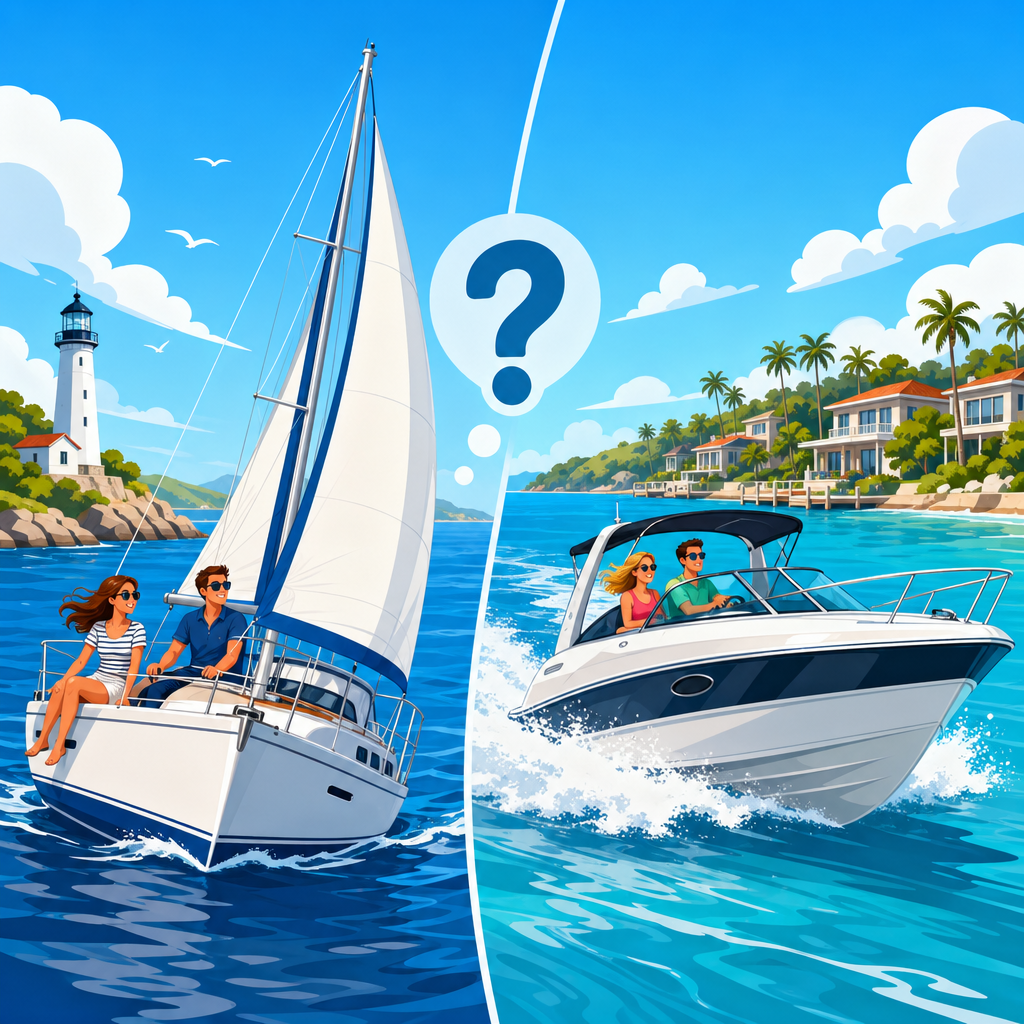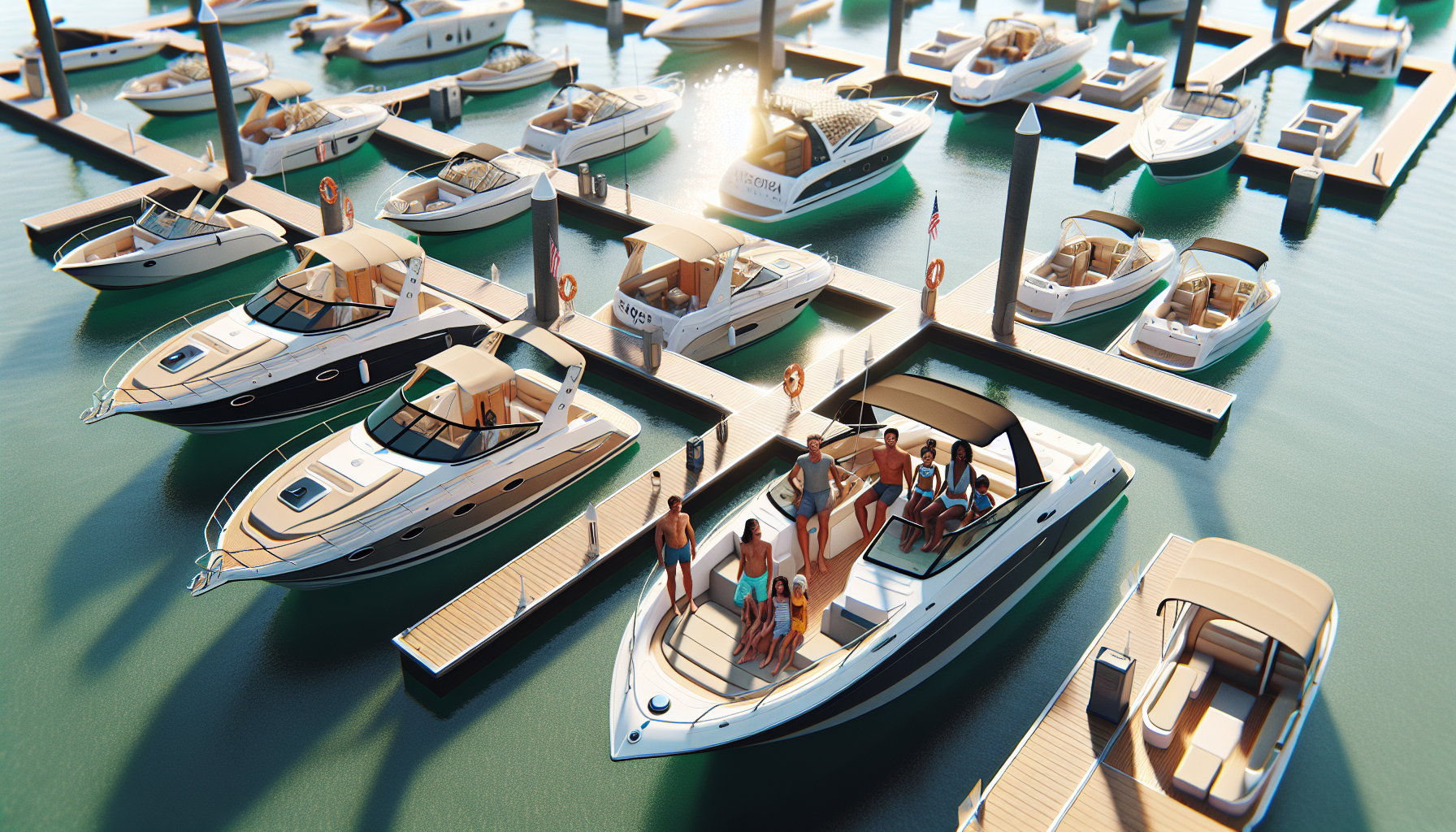
Finding the best family-friendly boats under $50,000 starts with matching your crew’s real habits to the right hull, layout, engine, and ownership costs. “Family-friendly” means more than extra seats. It means safe boarding, predictable handling, easy storage, enough shade, useful swim access, and a layout that works for toddlers, teens, grandparents, and whoever ends up carrying the cooler. In my experience helping buyers narrow options, the wrong boat is usually not too small or too slow; it is the one that makes a simple afternoon feel complicated. The right boat gets used often because setup, launching, cleanup, and trailering are manageable.
The under-$50,000 price point matters because it is where many first-time and move-up buyers can still find new boats with warranties or late-model used boats with strong value. It is also the range where compromises become important. You can often have three of the following four: room, power, premium features, and low hours. Expect to prioritize. For most families, the best choices are practical runabouts, pontoons, compact deck boats, and some versatile center consoles. A few small cabin models fit too, but they usually give up seating or watersports performance.
This hub covers the best boats for families by explaining which types work, what features matter most, which models are worth shortlisting, and how to compare total ownership cost instead of sticker price alone. If your goal is tubing on Saturday, cruising on Sunday, and occasional fishing or sandbar trips in between, you do not need the biggest boat at the marina. You need the one that fits your driveway, your tow vehicle, your local water, and the ages of the people on board.
For context, many new 18- to 22-foot family boats now start in the mid-$30,000s and climb fast with upgraded engines, trailers, touchscreen electronics, and premium upholstery. Meanwhile, the used market can put better-equipped boats from respected brands within reach, but condition matters more than badges. The strongest family value usually sits in simple, proven packages from brands with broad dealer support, common parts, and layouts that have stayed popular for years.
What makes a boat truly family-friendly
The best family-friendly boats under $50,000 share several traits regardless of style. First is safety. Look for high freeboard around seating areas, deep and secure reboarding ladders, grab handles placed where people actually step, non-skid flooring, and walk-throughs that do not force passengers over cushions. Families also benefit from predictable low-speed manners. A boat that docks easily and does not feel twitchy around wakes will get used by more than one confident operator.
Second is layout efficiency. Bow seating sounds great until you realize there is nowhere to stash life jackets, a stroller bag, tow ropes, and a changing tote. I always tell buyers to open every compartment and imagine a real day on the water. There should be dedicated cooler space, dry storage for phones and towels, easy access to the battery switch, and enough seating that nobody is perched on a sun pad while underway. A transom walkthrough saves upholstery from constant foot traffic and reduces slips.
Third is comfort. Bimini tops, removable tables, Bluetooth audio, changing space, and swim platforms sound like extras, but they determine whether children stay happy for two hours or six. Even simple details like cup holder placement, backrest angles, and easy boarding from a dock make a difference. When comparing boats in this price range, comfort features often separate the smart buy from the flashy one.
Best boat types for families under $50,000
Bowriders remain the most balanced option for many households. They plane quickly, tow tubes well, fit on common trailers, and usually seat seven to ten people in 18- to 21-foot lengths. Brands such as Bayliner, Yamaha, Sea Ray, Stingray, and Tahoe have offered strong entry and midmarket bowriders for years. A used Yamaha jet boat can be especially attractive for families because the swim platform is excellent and there is no exposed propeller, though jet pumps require owners to learn debris management and low-speed handling techniques.
Pontoons are the easiest recommendation for relaxed cruising, sandbar days, and multigenerational use. Their gates, flat decks, upright seating, and forgiving ride at modest speeds are ideal for grandparents and young kids. Modern pontoons from Sun Tracker, Bennington, Harris, and Sylvan can tube effectively with the right horsepower, but buyers should be realistic: a 90-hp pontoon and a V-hull runabout create very different watersports experiences. Within $50,000, pontoons often deliver the most space per dollar.
Deck boats split the difference between pontoons and bowriders by maximizing interior volume on a V-hull. Models from Hurricane and Bayliner are common examples. They carry larger crews comfortably and offer broad bow areas that feel less cramped than traditional runabouts. The tradeoff is that some deck boats are not as sporty in chop as deeper-V bowriders and can become pricey once engine upgrades and trailers are added.
Center consoles can work well for families who fish seriously and still want beach and cruising capability. A 19- to 21-foot center console from Mako, Boston Whaler, Robalo, or Key West offers toughness, easy washdown, and open deck space. The compromise is seating comfort. Unless the boat has added bow cushions, foldaway stern seating, and a head in the console, non-anglers may prefer a dual console or deck boat.
| Boat type | Best for | Typical strengths | Main tradeoffs |
|---|---|---|---|
| Bowrider | Watersports and all-around family use | Good performance, flexible seating, easy trailering | Less room than a pontoon, limited shade |
| Pontoon | Cruising, entertaining, sandbar days | Huge space, stable deck, easy boarding | Less sporty handling, speed depends on horsepower |
| Deck boat | Large crews wanting V-hull versatility | Open layout, good swim access, family comfort | Can ride harsher than deeper-V designs |
| Center console | Families who fish often | Durable, simple cleanup, versatile deck | Less plush seating and shade |
Best new and used family boats worth shortlisting
For new boats, the Bayliner VR4 and VR5 consistently deserve attention. They use BeamForward and AftAdvantage design concepts to increase interior room without moving into a larger trailer footprint. In practical terms, they feel bigger inside than many similarly sized runabouts. A sensibly powered VR4 with trailer can sometimes land around the lower end of this budget, while a VR5 may push toward the upper end depending on engine choice and options.
Sun Tracker’s Bass Buggy and Party Barge lines also make sense for families who want straightforward pontoon ownership. These boats are widely available, easy to understand, and packaged for value. If tubing matters, step up in horsepower and consider a tri-toon if budget allows, especially on busy lakes where extra lifting strakes and a center tube improve performance and confidence. For pure seating and simple fun, a two-tube package remains compelling.
Used buyers should look hard at Yamaha AR and SX series jet boats, especially 19- to 21-foot models. I have seen these become family favorites because of the aft lounge, shallow-water friendliness, and low-maintenance appearance of the propulsion system. The caution is that impellers, wear rings, and pump housings need inspection, and owners must keep intake grates clear. A clean survey and compression check matter.
Other strong used candidates include the Sea Ray SPX 190, Stingray 191 DC or similar dual console layouts, Hurricane SS deck boats, Tahoe 500-series runabouts, and late-model Bennington or Harris pontoons. If your family mixes fishing with cruising, a used dual console from Robalo or a family-equipped center console from Key West can stretch this budget well. Prioritize condition, service history, and trailer quality over cosmetic upgrades.
How to evaluate price, ownership cost, and long-term value
A $44,000 boat can cost less to own than a $34,000 boat if the first one includes a trailer, a sought-after engine, fresh maintenance, and stronger resale demand. Families should budget beyond purchase price. Insurance often ranges from a few hundred to over a thousand dollars annually depending on location, hull value, and horsepower. Storage can be the biggest swing factor. Keeping a trailerable 20-foot boat at home may save thousands per year compared with dry stack or marina slip fees.
Fuel burn also varies widely. A modest outboard on a pontoon used for cruising may consume far less than a heavily loaded runabout doing repeated tow-sports runs. Maintenance differs by propulsion type as well. Outboards simplify winterization and service access. Sterndrives can deliver solid value in the used market, but bellows, gimble components, and corrosion risks deserve attention, especially in salt water. Jet boats eliminate propeller concerns but are not maintenance-free.
Resale value usually follows brand reputation, local demand, and engine hours, but layout popularity matters too. Neutral upholstery, common engine packages, tandem-axle trailers on larger models, and broad appeal configurations move faster when it is time to sell. Niche setups can be excellent for the right owner yet harder to exit. If this is your first family boat, buying a mainstream model with broad support is the safest financial decision.
Features families should prioritize before signing
If you want a direct checklist, start with boarding, shade, storage, and horsepower. The boarding ladder should be deep enough for an adult in the water to climb comfortably. The Bimini or tower shade should cover the seats that get used most, not just the stern corners. Storage should swallow life jackets without requiring a game of compartment Tetris. Horsepower should be enough to plane confidently with your normal crew and gear, not just the brochure test load.
Next, inspect seating and traffic flow. Walk from the dock to the cockpit, to the bow, then to the swim platform. Picture a child with wet feet, someone carrying a snack tray, and another person opening a cooler. Boats that look stylish at the showroom can become awkward in motion. Removable carpet, woven vinyl, or SeaDek-style flooring often beats snap-in plush carpet for family use because cleanup is faster and mildew concerns are lower.
Do not overlook the trailer. A quality trailer with brakes on the right axle count, good bunks, a swing tongue if needed, and reliable lights is part of the family experience. If launching is stressful, spontaneous outings disappear. Finally, verify legal capacity, tow vehicle ratings, and whether your local ramps suit the hull. A family boat is only convenient if the whole package works together.
Buying smart: inspection, sea trial, and next steps
For used boats, insist on a cold start, a sea trial, and documentation. Engines should start cleanly, idle steadily, and reach proper operating rpm under load. Electronics, bilge pumps, lights, and gauges should all work. Check for soft deck spots, transom stress cracks, wet storage odors, sun-damaged upholstery seams, and neglected trailers with rusted brakes or old tires. On outboards, confirm service records, compression consistency, and hour reports if available through dealer software. On sterndrives, inspect the bellows and look closely for corrosion. On pontoons, check logs for leaks, dents, and poor repairs.
This hub on the best boats for families is meant to guide your shortlist, not replace hands-on evaluation. Start by choosing the type that matches your real weekends, then compare two or three mainstream models within your budget. If your family wants maximum room and easy cruising, focus on pontoons and deck boats. If tubing and agile handling matter most, start with bowriders and jet boats. If fishing is central, look at family-equipped center consoles or dual consoles. Buy the boat that removes friction from family time, then schedule the test drives that will confirm it.
Frequently Asked Questions
1. What type of boat is usually best for families shopping under $50,000?
For most families, the best boat under $50,000 is not the one with the most horsepower or the flashiest upholstery. It is the one that fits how your crew actually spends a day on the water. In this price range, the strongest family-friendly options are usually pontoon boats, deck boats, compact bowriders, and some smaller center consoles with family-focused seating. Each serves a different kind of boating lifestyle, so the smartest choice depends on whether your weekends look more like cruising, swimming, tubing, fishing, sandbar hopping, or simply relaxing with multiple generations on board.
Pontoons are often the easiest recommendation for families because they prioritize space, comfort, stability, and simple boarding. They are especially appealing for households with young kids, older passengers, or guests who care more about comfort than speed. Wide gates, perimeter seating, easy movement around the deck, and forgiving handling make a pontoon feel less intimidating for first-time owners. If your ideal day includes floating in a cove, picnicking, casual cruising, and frequent swim stops, a pontoon checks a lot of boxes.
Deck boats and bowriders tend to appeal to families who want a more versatile, sporty ride without giving up social seating. They can be excellent for watersports, day cruising, and beaching, and many offer swim platforms, ladders, and layouts that let people face each other rather than sit in straight rows. A bowrider can be a great fit for active families with older kids or teens who want to tube or ski, while still having enough seating for a full day out.
Center consoles can work for families too, especially if fishing is a real priority, but they require more careful layout shopping. Some are very fish-first, with limited comfort features, while others include forward lounge seating, removable cushions, sun shades, and swim ladders that make them much more family-capable. If one person wants to fish and everyone else wants comfort, a hybrid-style center console may be worth a serious look.
The main takeaway is this: choose the style that supports your most common use, not your once-a-year fantasy use. The family that mostly cruises and swims should not buy a cramped fishing layout just because it looks rugged. The family that stores six life jackets, snacks, tow ropes, and beach bags should value storage and traffic flow as much as engine size. In the under-$50,000 category, the best family boat is usually the one with the most practical layout for your real life.
2. Should I buy a new or used family boat if my budget is under $50,000?
For many buyers, a used boat offers the best overall value under $50,000, but that does not automatically make it the best choice. The real question is whether you want lower upfront cost or greater predictability. A new entry-level family boat may come with warranty coverage, updated electronics, clean maintenance history, and the reassurance that no one else has neglected it. That peace of mind matters, especially for first-time owners who do not want their first season disrupted by repair surprises.
That said, the used market can stretch your money much further. In many cases, $50,000 buys a substantially better-equipped used pontoon, bowrider, or deck boat than it will a brand-new one. You may get a larger hull, better engine package, trailer included, upgraded seating, a bimini top, depth finder, stereo, tow arch, or more storage. For families, those practical upgrades often matter more than the smell of a brand-new interior.
The catch is that condition matters far more than age alone. A well-maintained 5- to 8-year-old boat with documented service can be a much safer purchase than a newer boat with spotty records. You want to inspect upholstery, flooring, transom condition, wiring, bilge area, trailer tires, brakes, lights, steering feel, and signs of water intrusion or neglect. The engine deserves special attention. Compression checks, service records, total hours, and a water test can tell you much more than a polished exterior ever will.
Families should also think beyond the sale price. A cheaper used boat that immediately needs trailer work, batteries, canvas, tires, and a major service may not be cheaper at all. On the other hand, a well-kept used package from a careful owner can be one of the best buys in boating. If you are not mechanically experienced, paying for a marine survey or pre-purchase inspection is money well spent. It can save thousands and prevent a frustrating ownership experience.
If your budget is firm at $50,000, the sweet spot is often a lightly used family boat that has already absorbed early depreciation but still has modern features and good reliability. New can make sense if you want warranty protection and simple ownership. Used often makes sense if you want the most boat for the money. The best answer depends on your tolerance for risk, your maintenance knowledge, and how important turnkey convenience is to your family.
3. What features make a boat truly family-friendly, not just big enough for more passengers?
This is one of the most important questions buyers can ask, because “family-friendly” gets overused in boat listings. A boat can have a high passenger rating and still be frustrating, awkward, or even stressful for actual family use. True family-friendly design comes down to safety, flow, comfort, and ease of use. You want a layout that helps people get on and off safely, move around without climbing over each other, access the water easily, and stay comfortable for several hours.
Start with boarding. Families benefit from low-stress entry points, especially if you are dealing with small children, grandparents, or people carrying coolers and gear. Wide boarding gates, stable platforms, grab handles, and a sturdy ladder make a huge difference. Swim access matters too. A useful swim ladder and platform turn quick swim stops into easy, repeatable fun instead of a hassle. If kids will spend half the day jumping in and climbing back aboard, this feature becomes essential.
Shade is another overlooked priority. Boats look great in photos without canvas up, but families often need relief from sun exposure. A solid bimini top, optional extended shade, or hardtop setup can dramatically improve comfort and safety during midday use. Families with toddlers and older passengers especially appreciate having a place to cool off. Comfortable seating with back support also matters more than people expect. A boat that feels fine for a 20-minute demo ride may become uncomfortable after three hours on the water.
Storage is where many family boats succeed or fail. You need places for life jackets, towels, snacks, toys, ropes, anchor gear, and dry items. If every bag ends up on the floor, the boat will feel cluttered and unsafe very quickly. Look for under-seat compartments, dedicated cooler space, tow rope storage, and easy-to-clean surfaces. Cupholders and phone storage may seem minor, but they contribute to how usable the boat feels during a real family outing.
Finally, think about layout flexibility. Can adults talk comfortably while watching kids swim? Is there room to sit without blocking the captain? Can someone fish while others lounge? Can a teen stretch out in the bow while grandparents stay shaded aft? The best family-friendly boats under $50,000 are often the ones that let different ages enjoy the same trip in different ways. That kind of versatility is what makes a boat feel welcoming rather than merely adequate.
4. How much does it really cost to own a family boat under $50,000 each year?
The purchase price is only the starting point. Annual ownership costs can be very manageable or surprisingly expensive depending on the boat type, engine size, storage situation, and how often you use it. For a family shopping under $50,000, it is smart to build a realistic yearly budget before buying so the boat remains enjoyable instead of becoming a financial chore.
Common yearly costs include insurance, registration, fuel, routine engine service, winterization if you live in a cold climate, cleaning supplies, safety gear replacement, and trailer upkeep if the boat is trailerable. If you keep the boat at a marina or dry stack, storage can become one of the biggest recurring expenses. A trailer kept at home usually saves money, but you need a vehicle capable of towing and enough space to store the boat securely.
Fuel costs vary widely. A modest pontoon with a sensible outboard used for cruising may be relatively affordable to run, while a heavier boat with a larger engine and aggressive watersports use can burn significantly more fuel. Service costs also depend on engine type and complexity. Simple, reliable outboards are often easier for many families to budget than older sterndrives or more complex setups, especially if minimizing downtime is a priority.
Then there are the “small” costs that add up: replacing life jackets as kids grow, upgrading dock lines, buying a better anchor, replacing batteries, touching up trailer bearings, renewing flares or fire extinguishers, and dealing with wear items like covers and tires. None of these are shocking individually, but together they can change the ownership picture. It is also wise to keep a repair reserve for the unexpected. Even a good boat may eventually need a pump, sensor, canvas repair, or electrical fix.</p