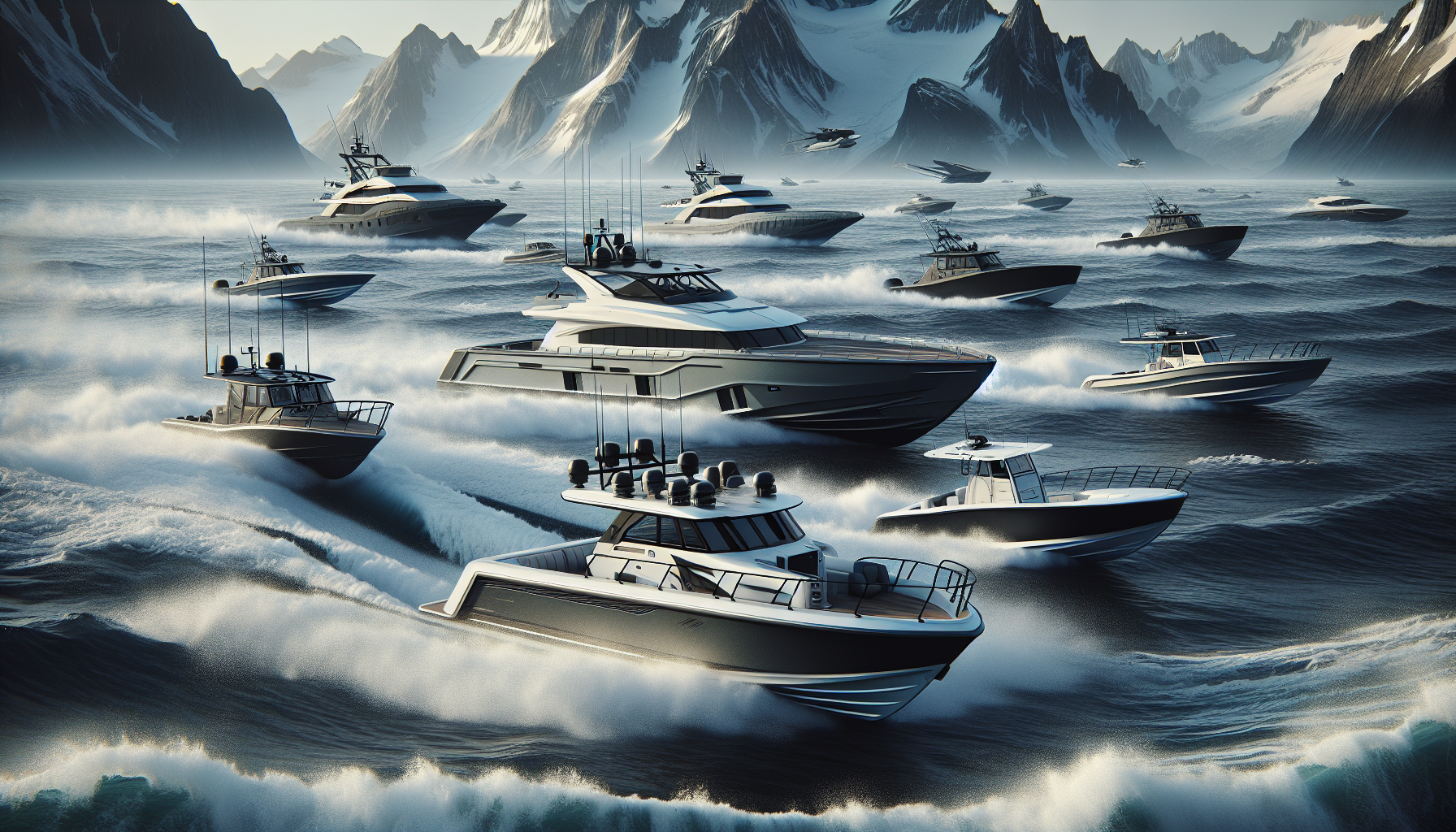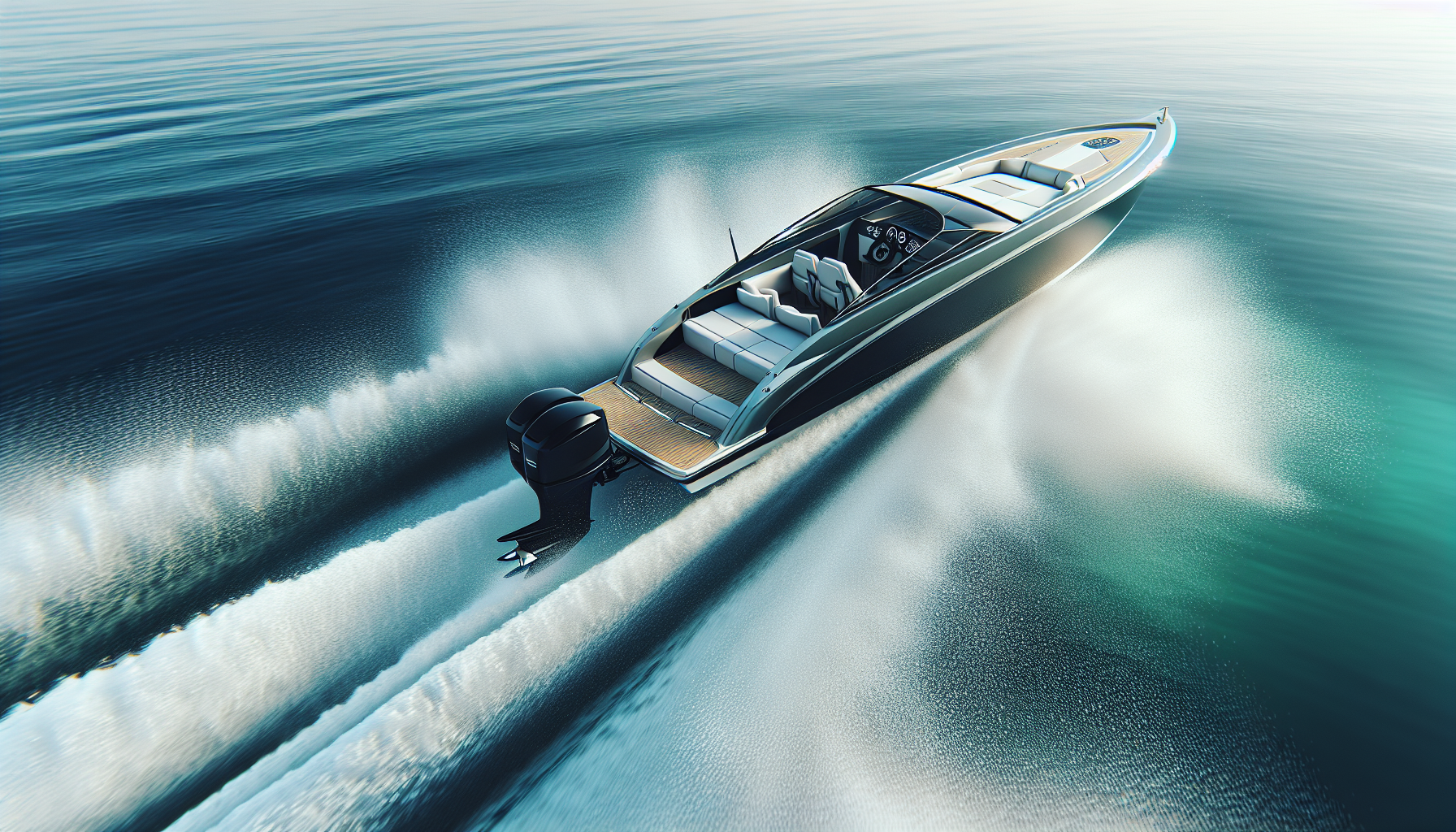
Choosing the best affordable boats for family weekends on the water starts with matching your family’s habits, budget, and storage reality to the right hull. “Affordable” does not mean cheap or flimsy. In boating, it usually means a purchase price, fuel burn, maintenance load, and towing requirement that fit normal household finances without turning every outing into a logistical project. “Family boat” also deserves a clear definition. For most buyers I have advised, it means safe seating for four to eight people, easy boarding, predictable handling, enough shade or storage for day gear, and versatility for swimming, cruising, fishing, or towing a tube. Weekend use adds another filter: the boat should launch quickly, clean up fast, and not demand specialist knowledge every time you start the engine.
This matters because the wrong boat gets used less than expected. I have seen families buy a flashy wake boat, then discover it needs more fuel, deeper water, and more ramp confidence than they really have. I have also seen modest pontoon boats and bowriders become constant-use favorites because they simplify the day. The best boats for families are not always the biggest or newest. They are the ones that fit local waterways, tow vehicle limits, and the ages of the people on board. If your children are small, stable layouts, secure gates, and easy movement matter more than top speed. If your weekends mix fishing at dawn and swimming by noon, deck space and flexible seating matter more than premium upholstery.
As a sub-pillar within Best Boats & Reviews, this guide is the hub for best boats for families, especially buyers focused on affordability. It covers the core boat types, realistic ownership costs, how to compare new versus used models, and what features actually improve family weekends. You will see direct answers to common buying questions, plain-language explanations of hull categories, and examples drawn from mainstream brands such as Sun Tracker, Bayliner, Tahoe, Lund, Bennington, Tracker, Sea-Doo, and Yamaha. If you are comparing entry-level pontoons, runabouts, aluminum fishing boats, and compact deck boats, this article will give you a practical framework before you move into model-specific reviews.
What makes a boat affordable and family-friendly?
An affordable family boat balances five costs, not one: purchase price, financing, insurance, storage, and annual operating expense. Many first-time buyers focus only on sticker price, but the real budget question is total cost of ownership. A used 20-foot bowrider priced at $22,000 may require less monthly cash than a new one at $38,000, yet the older boat could need bellows service, trailer tires, batteries, and upholstery work in the first season. By contrast, a simple aluminum fishing boat with a modern outboard may cost less to run and maintain over five years even if its initial layout seems less luxurious. In practical terms, many families shopping this category land between $15,000 and $45,000, depending on whether they buy used or new and whether they need a trailer included.
Family-friendly design comes down to safety, comfort, and usability. Look for high freeboard for younger children, non-slip flooring, a boarding ladder that actually reaches deep enough into the water, and storage that keeps life jackets, lines, and snacks out of walkways. Good family boats also have straightforward systems. Outboards are popular because they free up interior space and simplify winterization compared with sterndrives. Wide beam designs help children move around without making adults nervous. If grandparents join often, prioritize easy transom access, stable seating, and low effort docking characteristics. These details affect whether a spontaneous Sunday cruise feels easy or exhausting.
Local conditions matter too. Calm inland lakes reward pontoons, deck boats, and runabouts. Tidal rivers, larger reservoirs, and intracoastal areas may call for deeper-V hulls or dual-console layouts that ride better in afternoon chop. A family that trailers every weekend needs manageable tow weight, while one with a marina slip may choose a slightly larger platform. The best affordable boats for family use are therefore context-specific, but certain categories consistently deliver strong value.
Pontoon boats: the easiest all-around choice for many families
If a buyer asks me for the safest first look when shopping best boats for families on a budget, I usually start with pontoons. A pontoon boat offers unmatched deck space per dollar, stable boarding, simple social seating, and low-stress operation for cruising, sandbar days, and casual towing. Entry-level models from Sun Tracker, Lowe, and Berkshire often make sense for families because they prioritize space and practicality over luxury trim. A 20- to 22-foot pontoon can comfortably host six to ten people depending on rating, and the square deck makes it easier to supervise children than in narrower monohulls.
Affordability comes from use efficiency. Pontoons are forgiving at the dock, and many family owners do not need high horsepower. A 90 to 115 hp outboard is enough for cruising, light tubing, and fuel-conscious operation. Maintenance is also relatively straightforward because the layout is simple and there is less molded interior complexity than in some fiberglass runabouts. New buyers should still inspect gate latches, furniture base construction, wiring quality, and trailer fitment. Lower-priced pontoons vary widely in hardware quality, and shortcuts show up in seat hinges, fencing, and corrosion protection.
The tradeoff is ride quality in rough water. Standard two-tube pontoons can pound more than a V-hull when wind rises. If your home lake gets busy chop every afternoon, look at larger diameter tubes, lifting strakes, or tri-toon packages, though those upgrades push pricing upward. For many families, however, the sheer ease of use outweighs the compromise. Pontoons have become weekend platforms for swimming, sunset cruising, picnic lunches, and first-time towing sports because they remove friction from the day.
Bowriders and runabouts: classic family fun at a reasonable price
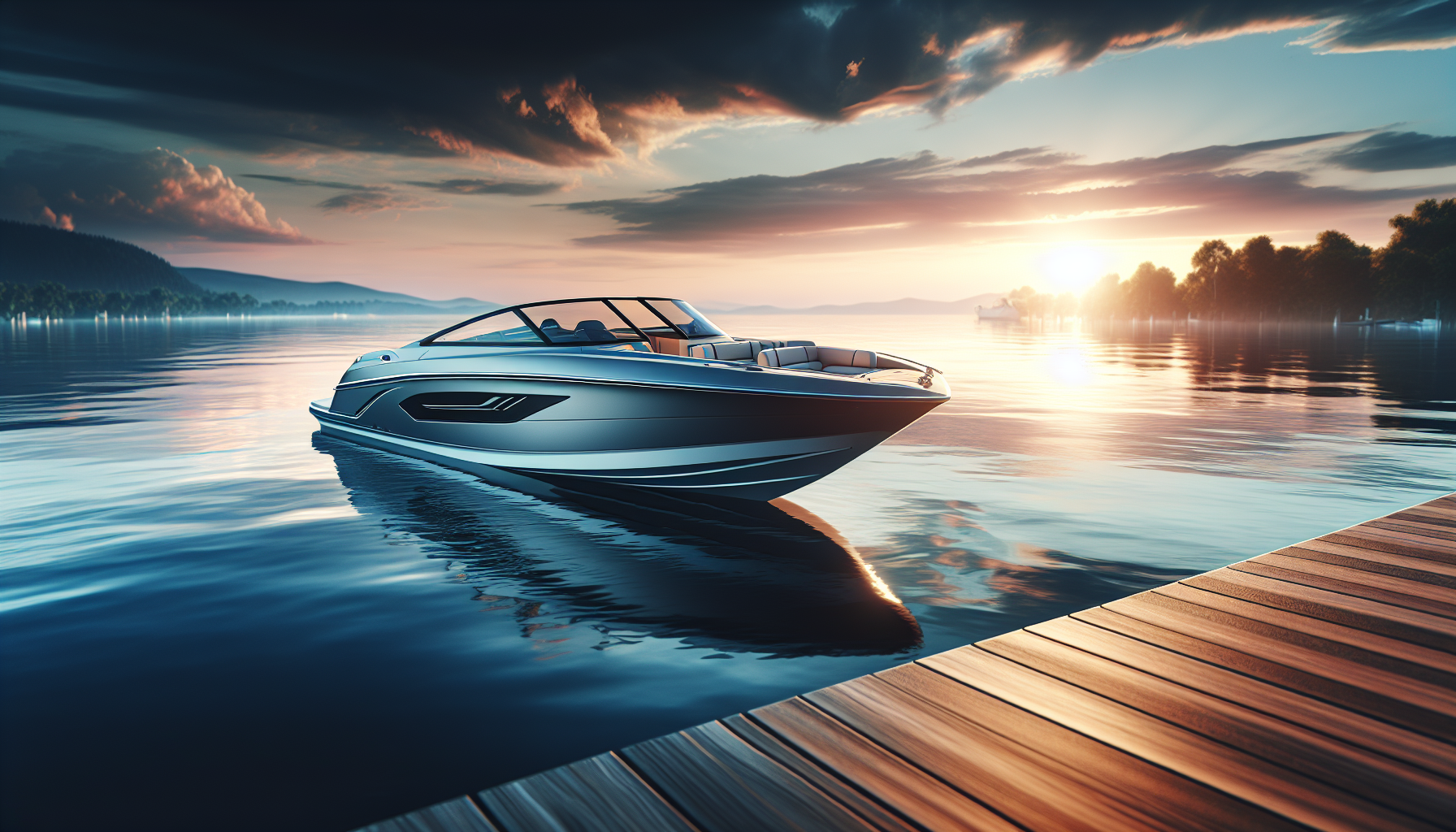
Bowriders remain one of the strongest answers for buyers who want a traditional family boat that can cruise, tow a tube, and still feel sporty. Brands such as Bayliner, Tahoe, Stingray, and Crownline have long sold entry-level to mid-market runabouts that fit this role. In the affordable segment, the sweet spot is often 18 to 21 feet with an outboard or a modest sterndrive. These boats plane quickly, handle more precisely than pontoons, and provide a familiar layout with bow seating, cockpit seating, and a swim platform.
For family weekends, a bowrider works especially well when children are school age and water sports are part of the plan. Storage under seats and in the floor locker keeps ropes and life jackets organized. The swim platform supports repeated reboarding, and towing performance is better than on most low-powered pontoons. Used runabouts can be excellent values, but condition matters more than brand decals. I always tell buyers to inspect the trailer, check service records, test every pump and light, and pay close attention to soft flooring, mildew, and engine-hour realism. A clean freshwater Bayliner with documented maintenance is a better buy than a neglected premium badge boat.
The main caution is interior space efficiency. Bowriders offer less lounge area than pontoons of similar length, and sterndrive versions lose storage to the engine compartment. They also tend to have lower freeboard forward, which some parents dislike with very young children. Still, for versatile fun on lakes and protected rivers, the affordable bowrider is one of the strongest family boat categories available.
Deck boats and dual consoles: versatile hybrids worth considering
Deck boats and dual-console boats appeal to families who want more open space than a runabout without giving up V-hull performance. A deck boat uses a wide beam carried far forward, creating generous seating and room to move while retaining better chop handling than a pontoon. Models from Hurricane and Bayliner have defined this niche for years. Dual consoles, common from brands like Yamaha, Scout, and Sea Fox, add a walk-through windshield and often more all-weather flexibility, making them useful on larger lakes and coastal bays.
These designs are often ideal for mixed-use families. One weekend may involve tubing and swimming, the next a shoreline picnic or light inshore fishing. A compact deck boat with outboard power can check all those boxes while staying trailerable for many SUVs and half-ton trucks. The drawback is that prices can rise quickly once horsepower and comfort features are added. They also have more molded compartments, upholstery, and hardware to maintain than basic aluminum boats.
Yamaha jet boats deserve a mention here because many families consider them cross-shopping options. They offer roomy cockpits, shallow draft, and no exposed propeller at the stern. That can be attractive around swimmers. However, jet propulsion behaves differently at low speed, can be less intuitive for novice docking, and may be less efficient in some use cases than an outboard-powered equivalent. For budget-minded buyers, value depends heavily on local dealer support and how comfortable the family is with the platform.
Aluminum fishing boats and family fish-and-ski models
Not every best boat for families needs plush lounge seating. For practical buyers, aluminum boats can be the smartest long-term value. Deep-V aluminum fishing boats from Lund, Tracker, Crestliner, and Alumacraft often deliver durable construction, low towing weight, and layouts that support both angling and family cruising. Fish-and-ski models add removable fishing seats, rear bench arrangements, and towing capability, creating a useful bridge between dedicated fishing rigs and recreation boats.
These boats shine for families whose weekends revolve around lakes, campgrounds, and easy trailering. Aluminum construction reduces weight, often allowing smaller tow vehicles and simpler storage solutions. Outboards are efficient and accessible for service. Interior cleanup after muddy shoes, wet dogs, and tackle is usually easier than on carpet-heavy older fiberglass boats. In my experience, families who genuinely fish together use these boats far more often than they would use a more glamorous cruiser or wake model.
Tradeoffs are straightforward. The ride can be noisier than fiberglass, seating is more utilitarian, and pure lounging comfort is lower than on a pontoon. But if your family values flexibility, durability, and low ownership stress, an aluminum deep-V is one of the most affordable and underrated family boat choices on the market.
How the main family boat categories compare
Shoppers usually narrow the field faster when they compare boat types by use case, not by brand alone. The table below summarizes how common affordable family categories stack up in the real world.
| Boat type | Best for | Typical affordable size | Main advantages | Main limitations |
|---|---|---|---|---|
| Pontoon | Cruising, swimming, entertaining | 18 to 22 feet | Huge space, stable boarding, easy family layout | Rough-water ride and sporty handling are limited |
| Bowrider/runabout | Tubing, day cruising, general watersports | 18 to 21 feet | Fun handling, strong towing, common used inventory | Less room than a pontoon, storage can be tighter |
| Deck boat/dual console | Mixed recreation, larger lakes, versatile day use | 18 to 22 feet | Open layout with better chop handling than pontoons | Can get expensive quickly with options |
| Aluminum deep-V/fish and ski | Fishing plus family outings | 17 to 20 feet | Low weight, durability, efficient outboards | Less plush seating, more utilitarian finish |
New versus used: where families find the best value
For many buyers, the best affordable boats for family weekends are used boats between three and ten years old. That age range often avoids the steepest early depreciation while still keeping you in modern outboard technology, better seating materials, and safer electrical systems. A well-kept used pontoon or bowrider from a reputable brand can deliver thousands in savings while remaining dependable. The key is inspection discipline. Compression checks, a marine survey for higher-value boats, trailer brake inspection, and a lake test are worth the effort. Ask for engine diagnostics on newer four-stroke outboards when available.
New boats still make sense if warranty support, financing, and predictable maintenance are priorities. Dealers can package trailer, safety gear, and registration support, which lowers first-time buyer risk. But avoid over-equipping. Tower speakers, oversized engines, premium flooring packages, and unnecessary electronics can transform an affordable family boat into an expensive impulse. Buy the power and features you will use weekly, not the extras that look good on the lot.
Features that improve weekends instead of raising costs
The smartest family-boat features are practical. Prioritize a bimini top, boarding ladder, transom walkthrough or easy swim access, abundant cupholders, durable flooring, and storage that keeps gear secure underway. A simple GPS/fishfinder combo from Garmin, Lowrance, or Humminbird can improve navigation and confidence without major expense. Hydraulic steering on higher-horsepower outboards improves control and reduces fatigue. Trailer upgrades such as swing tongues, guide-ons, and good tie-down systems also matter because the day starts and ends at the ramp.
Safety equipment should be considered part of affordability because accidents and breakdowns are expensive. Carry properly sized U.S. Coast Guard-approved life jackets, a throwable device where required, fire extinguisher, horn or whistle, dock lines, fenders, and a charged battery setup. If young children are aboard often, choose higher sidewalls, secure gates, and a calm boarding design. Practical choices make the boat easier to use, and easier use leads directly to more family weekends on the water.
Final thoughts on choosing the best boats for families
The best affordable boats for family weekends on the water are the boats your family will launch often, handle confidently, and maintain without resentment. For pure space and relaxed outings, pontoons lead the category. For tubing and classic lake fun, affordable bowriders remain hard to beat. For mixed-use versatility, deck boats and dual consoles deserve close attention. For durability and true value, aluminum deep-V and fish-and-ski models are stronger family choices than many first-time buyers realize.
Start with your real weekend pattern: how many people go, what water you run, what your vehicle can tow, and how much annual upkeep you can tolerate. Then compare total ownership cost, not just purchase price. If you do that honestly, the right family boat becomes obvious. Use this hub as your starting point, then move into model reviews, used-boat checklists, and brand comparisons to narrow the field and buy with confidence.
Frequently Asked Questions
What type of affordable boat is best for a family that wants easy weekend outings?
For most families, the best affordable weekend boat is the one that keeps planning simple, ownership costs predictable, and time on the water relaxed rather than complicated. In practical terms, that often means looking closely at pontoons, modest bowriders, deck boats, and smaller center consoles, depending on how your family actually spends a Saturday. If your priorities are comfortable seating, easy boarding, cruising, swimming, and casual entertaining, a pontoon is usually one of the strongest values on the market. It offers generous space for the money, stable handling, and a layout that works especially well for kids, grandparents, and guests who care more about comfort than speed.
A bowrider is another excellent choice for family weekends because it blends versatility with manageable ownership. It can tow tubes, handle short cruises, and give everyone a place to sit without feeling oversized or expensive to store and tow. Deck boats serve a similar role, often providing more room forward and easier movement around the cockpit. If your family mixes cruising with fishing, a small center console may be the better fit because it is simple, durable, and efficient, though it usually gives up some lounge comfort compared with a pontoon or bowrider.
The key is to match the boat to your habits, not your daydreams. A family that mostly visits calm lakes for swimming and picnics needs something very different from a family that fishes every weekend or runs in coastal chop. Affordable ownership comes from choosing a boat that fits your real use case, your tow vehicle, your storage options, and your willingness to handle maintenance. The “best” boat is usually not the biggest one you can finance. It is the one you can launch easily, fuel comfortably, maintain without stress, and enjoy often.
How much should a family realistically budget beyond the purchase price of an affordable boat?
This is one of the most important questions because the sticker price is only the beginning. A boat can look affordable on paper and still become expensive if fuel use, insurance, storage, registration, maintenance, and towing needs are not considered up front. Families shopping for weekend boats should think in terms of total annual ownership cost, not just loan payment or sale price. That means building a realistic budget that includes routine engine service, trailer upkeep, safety gear, life jackets, batteries, cleaning supplies, winterization if you live in a cold climate, and occasional repairs that come with any marine product.
Fuel costs vary dramatically by hull type, engine size, load, and boating style. A modest pontoon or smaller bowrider with a sensible outboard or sterndrive can be very manageable for short family outings, while larger or more powerful boats can burn through a weekend budget quickly. Storage is another major line item. If you can keep the boat at home legally and securely, you may save a substantial amount each year. If not, marina slips, dry storage, or indoor winter storage can change the affordability equation fast. Insurance is often reasonable for entry-level family boats, but rates still depend on boat value, location, usage, and operator experience.
The smartest buyers also reserve money for the first round of upgrades and essentials. Many used boats need fresh electronics, trailer tires, a battery, updated fire extinguishers, or replacement covers. None of those items are unusual, but together they matter. A good rule is to leave room in your budget for immediate post-purchase needs and a maintenance cushion for the season. Families that do this tend to enjoy boating more because they are not financially surprised every time the boat needs attention. True affordability means the boat fits normal household finances year after year, not just on the day you buy it.
Is it better to buy a new or used boat for family weekends on the water?
For many families focused on affordability, a used boat often delivers the best value, but only if you buy carefully. A well-kept used pontoon, bowrider, deck boat, or center console can save you a significant amount compared with a new model while still providing years of dependable service. The advantage is not just the lower purchase price. You may also avoid the steepest early depreciation and gain access to a better-equipped boat than you could afford new. That can mean more seating, a stronger trailer, a Bimini top, upgraded upholstery, or electronics already included.
That said, used boats reward discipline. Condition matters far more than age alone. A ten-year-old boat that was covered, serviced regularly, flushed when appropriate, and stored properly may be a much better buy than a newer one that sat neglected. Families should inspect the hull, flooring, upholstery, engine history, trailer, and electrical systems carefully. Soft spots, corrosion, damaged wiring, sun-cracked vinyl, neglected bearings, or signs of water intrusion are all red flags. A marine survey or mechanic inspection is money well spent, especially if you are not experienced.
New boats offer peace of mind, warranty protection, modern layouts, and fewer immediate repairs, which can be appealing for first-time owners who want a straightforward start. However, new pricing can push buyers into larger loans and higher insurance costs, and that may weaken the very affordability they are trying to protect. In most cases, if your goal is family weekend fun at a sensible cost, a clean, properly inspected used boat from a reputable seller is the sweet spot. The ideal outcome is not simply “newer” or “cheaper.” It is buying the most reliable, appropriately sized boat your budget can comfortably support.
What size boat is practical for a family without becoming too expensive or hard to manage?
For many households, the most practical family weekend boats fall roughly in the 18- to 24-foot range, depending on the design. That size window usually offers enough room for parents, children, a few guests, and basic gear without crossing into the cost, storage, and towing demands of larger boats. In a bowrider or deck boat, something around 19 to 22 feet is often a sweet spot. It gives you usable seating, better ride quality than very small runabouts, and enough performance for tubing or relaxed cruising without necessarily requiring a heavy-duty truck or premium slip fees.
With pontoons, many families find that a 20- to 22-foot model provides strong value. It feels spacious, stable, and easy to use, yet remains more manageable than larger tri-toons with bigger engines and higher operating costs. For center consoles, an 18- to 21-foot boat is often enough for light family fishing and day boating while still being towable and relatively simple to maintain. Once you move much larger than that, costs tend to rise in several directions at once: more fuel, more engine, more trailer weight, more storage complexity, and often more cleaning and upkeep than casual weekend owners expect.
The right size also depends on your storage reality and launch routine. A boat that technically fits your family but is difficult to tow, difficult to park, and stressful to launch may not get used nearly as often. Families are generally happier with a slightly smaller, easier boat they can enjoy spontaneously than a larger one that turns every outing into a major operation. Practical sizing is about balancing comfort with simplicity. You want enough room to feel relaxed, but not so much boat that every weekend trip becomes a lesson in logistics, fuel receipts, and maintenance schedules.
What features should families prioritize to get the most value and safety from an affordable boat?
Families should prioritize features that improve safety, comfort, usability, and long-term ownership value rather than flashy extras that look impressive at the dealership. Start with the basics: secure seating, solid handholds, non-slip surfaces, reliable boarding access, adequate shade, and a layout that allows adults to supervise children easily. Deep, secure cockpit seating is especially valuable for younger passengers. A swim ladder that is sturdy and easy to use matters more than many buyers realize, because family boating often revolves around swimming and getting back aboard safely. Shade from a good Bimini top or similar cover can also make a major difference in how long and how comfortably your family can stay out on sunny weekends.
Reliability features are just as important as comfort. A dependable engine with a documented service history, a quality trailer in good condition, functional navigation lights, updated safety gear, and healthy batteries should rank very high on your list. Storage matters too. Boats with organized compartments for life jackets, tow ropes, snacks, and dry bags simply work better for families because clutter creates stress and can become a safety issue. If watersports are part of your plan, a practical tow point and enough power for tubing are useful, but you do not need excessive horsepower to have fun. In fact, overbuying engine size often increases cost without improving your family’s actual weekend experience.
Finally, prioritize ease of ownership. Easy-to-clean flooring, durable upholstery, straightforward mechanical access, and a cover that fits properly can save time and money season after season. The most valuable family boat features are the ones that help you use the boat more often and more safely. When a boat is easy to board, easy to supervise from, easy to maintain, and comfortable for several hours on the water, it stops feeling like a complicated toy and starts functioning as what it should be: a dependable platform for family weekends, simple memories, and repeatable fun.