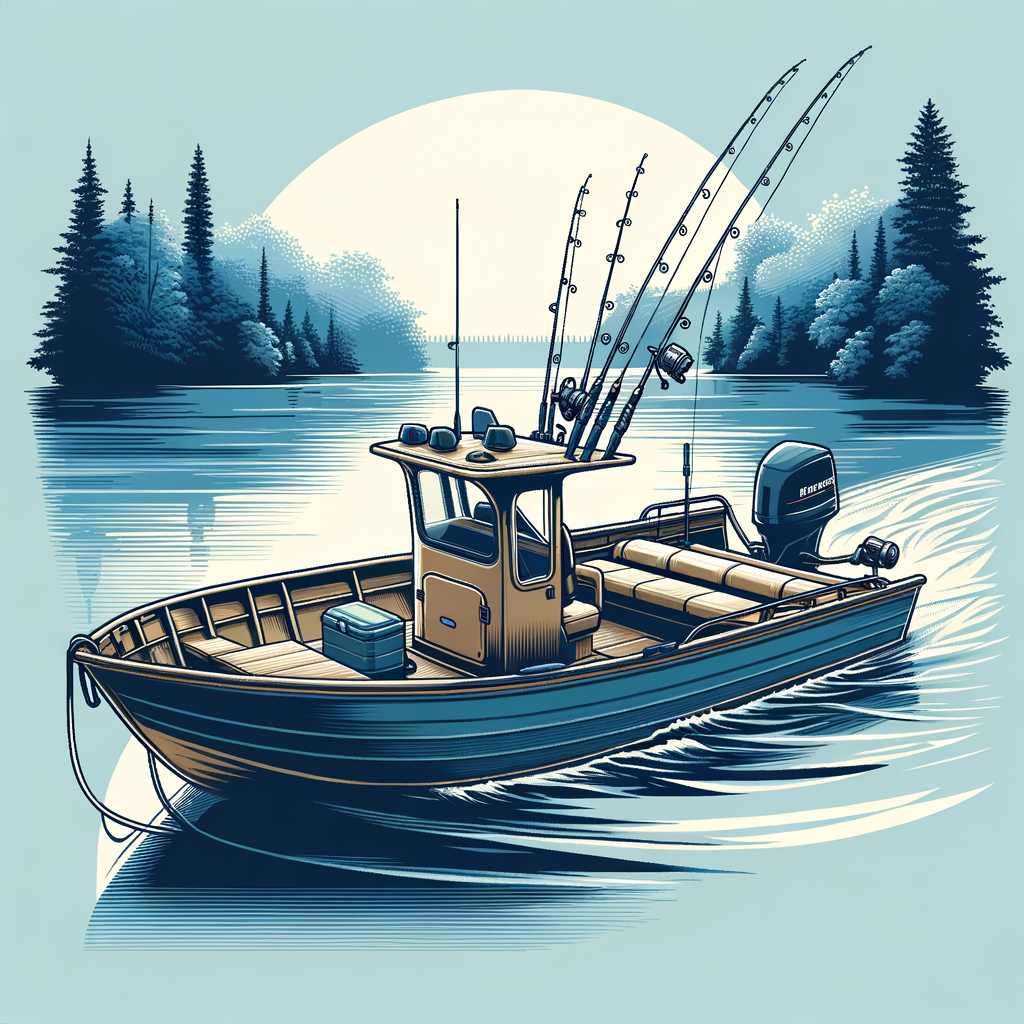
Fishing in shallow water is a pursuit that requires specific considerations when choosing the right craft. The two most popular types of boats often debated among shallow water anglers are the Jon boat and the skiff. Both offer distinct functionalities, benefits, and even limitations that cater to different fishing methods and environments. Understanding the comparative advantages and disadvantages of each vessel type is crucial for anyone committed to optimizing their fishing adventures. Let’s delve into the particulars of the Jon boat and the skiff to establish which might be the better fit for shallow water fishing.
The key to effective shallow water fishing lies in navigating areas where fish congregate without disturbing their habitat, and each boat is uniquely equipped to aid in this endeavor. The draft of a boat, or how much of it is submerged, plays a significant role in determining where it can go without getting stuck. Additionally, comfort, stability, and the ease of maneuvering in tight, often winding paths filled with obstacles must be considered. Both Jon boats and skiffs provide avenues to address these needs, albeit in slightly different fashions, tailored towards what anglers might prioritize more.
This exploration will cover various elements such as material composition, cost, intended use, and maneuverability. Additionally, we will assess how each type of boat aligns with specific fishing styles and the environments they are most adeptly suited for. Whether you are a serious angler looking for your first boat or a seasoned fisherman considering a transition, making an informed choice between a Jon boat and a skiff could significantly enhance your fishing sessions.
Comparing Construction and Design
When exploring the differences between a Jon boat and a skiff, their construction and design offer the first major point of differentiation. Jon boats are traditionally built from aluminum, offering a lightweight, easily maneuverable option in water. They are characterized by their flat-bottom design, which contributes to a minimal draft, making them ideal for extremely shallow waters where other boats might struggle. With a simplistic, open layout, these boats often feature bench seating, allowing broad space for gear or additional passengers.
In comparison, skiffs can be made from a variety of materials, including fiberglass, wood, or aluminum, and they commonly have either a flat or slightly V-shaped hull. The V-shaped hull provides better handling in rougher waters while still maintaining a shallow draft, which can be advantageous in diverse conditions. Skiffs typically have more developed designs, potentially featuring casting decks, storage compartments, and other comfort additions that might be absent in a basic Jon boat.
Choosing between these structural differences largely depends on personal priorities. If simplicity, ease of repair, and low weight are significant concerns, a Jon boat is an astute option. Conversely, if a slightly enhanced onboard comfort and versatile material benefits are preferred, a skiff might fulfill these needs more wholly.
Cost Considerations
Budgetary constraints are often a central factor when deciding on a fishing vessel. Jon boats generally present a cost-effective solution, with their basic aluminum designs leading to minimal initial investment. They are often the preferred choice for entry-level fishermen or those looking for a basic, utilitarian craft that’s inexpensive to maintain.
Skiffs, while having a broader price range due to variability in size, materials, and features, are generally more costly than Jon boats. The price escalates further when additional amenities such as built-in storage, casting platforms, or upgraded seating are considered. However, this additional expense can translate to increased value if those enhancements align with the angler’s core needs, offering increased functionality and potential longevity.
It is essential to assess what is vital for your fishing style and budget. An honest evaluation of how often and under what conditions you plan to fish can provide clarity in balancing cost against utility.
Maneuverability and Handling
In the shallow, often unpredictable landscapes that define the fishing grounds for many anglers, maneuverability and handling take center stage. The Jon boat’s flat-bottom structure allows it to ride high in the water, providing exceptional access to hard-to-reach areas. With a simple outboard motor often attached, they are straightforward to control and can easily navigate through obstacles.
Skiffs, while sometimes featuring more substantial construction, also boast compact designs that enhance their maneuverability. They can handle rougher waters more adeptly than Jon boats, which is beneficial if venturing into areas where waves might be a factor. Moreover, steering systems on skiffs are typically more sophisticated, offering higher precision and control under variable conditions.
If operating in predominantly calm, narrow water, where the only concern is getting up onto the flats, a Jon boat’s simple handling is suitable. For environments that include open waters or slightly rough conditions, skiffs provide handling characteristics that may inspire more confidence and security.
Fishing Functionality
One of the main differentiators when comparing a Jon boat to a skiff is their inherent fishing functionality. Jon boats are longstanding favorites for anglers participating in more traditional setups who prioritize space and simplicity. Their flat deck makes moving around easy, which is advantageous when casting nets or when multiple anglers are onboard.
Skiffs, with their modern takes on design, offer enhancements that cater to a different segment of fishing aficionados. They are often designed with specific fishing tactics in mind, from fly fishing to spinning, and might include elements like live wells, rod holders, or poling platforms that enhance the fishing experience. These specialized aspects can make a substantive difference for those requiring particular features to grasp a competitive edge.
Ultimately, the choice often boils down to how critical specialized fishing features are to your overall experience. Whether adhering to the minimalist approach of the Jon boat or embracing the tailored aspects of a skiff’s fitments, aligning choice with fishing style is influential.
Comfort and Storage
Though both boats functionally serve shallow water fishing admirably, differences become apparent in their approach to comfort and storage. Jon boats typically offer basic seating along benches with little in terms of additional creature comforts. This no-frills approach minimizes distractions, focusing entirely on the act of fishing itself, but can lead to discomfort over extended periods.
Skiffs, however, score higher on the comfort scale as they are often designed with considerations for longer stays and overall user enjoyment. Many feature cushioned seating, easy-to-access compartments for storing important gear and personal belongings, and sometimes even sun protection options.
Storage capacity can also be a deciding factor. The open layout of a Jon boat allows for ample space to stash boxes, coolers, and fishing tackle, whereas skiffs provide structured areas keeping things orderly and potentially better protected from environmental hazards.
Conclusion
Labeling either the Jon boat or skiff outright superior for shallow water fishing doesn’t acknowledge the nuanced preferences and regional differences of individual anglers. The Jon boat thrives because of its accessible entry point, straightforward operation, and shallow water access, making it highly suitable for beginners or those fishing familiar, often confined waters.
Meanwhile, skiffs cater to those looking for a blend of versatility, comfort, and improved handling, particularly across more diverse conditions. Offering more features and tactical enhancements, skiffs match well with anglers pursuing specific fish or aiming for professional levels of engagement.
The best choice fundamentally rests with matching the unique benefits of each boat with personal needs, preferred fishing styles, and the type of environments one most frequently navigates. An informed decision considers not just the boat’s specifications but how those attributes enrich your overall experience on the water. Balancing the pragmatic needs of shallow water fishing with personal desires and financial realities allows you to pick a vessel that is both a tool and a companion, ideally suited to your aquatic pursuits.
Frequently Asked Questions
1. What are the main differences between a Jon boat and a skiff for shallow water fishing?
When it comes to choosing between a Jon boat and a skiff for shallow water fishing, it’s essential to understand their fundamental differences in design and functionality. A Jon boat is traditionally a flat-bottomed vessel known for its stability in calm waters and is typically made of aluminum. Its boxy shape offers a lot of room for gear and movement, making it a popular choice for fishing in lakes, rivers, and marshes. The flat bottom allows it to navigate very shallow waters, often referred to as “skinny” water, making it ideal for getting close to shorelines and tight spots.
On the other hand, a skiff is generally designed with a slightly V-shaped hull, which offers enhanced stability in choppy conditions compared to a Jon boat. This feature makes the skiff versatile for both shallow water and open water fishing where waves might be present. Skiffs can either be of fiberglass or more advanced materials, which offer durability and less maintenance. They often have a sleeker design, potentially enabling quicker speeds and better maneuverability. Depending on the fishing environment and personal preference, these characteristics can be significant when choosing between the two.
2. Which is more affordable: a Jon boat or a skiff?
Cost is a significant factor influencing the decision about which type of boat to purchase. Typically, Jon boats are the more affordable option, as they tend to be simpler in design and construction. They’re often available as basic aluminum structures without frills or additional features, making them budget-friendly for beginners or those not wishing to invest heavily straight away.
Skiffs, while often more expensive, can justify their higher price through additional features, sturdy construction, and enhanced performance capabilities. They often come with advanced hull designs and may include beneficial features such as livewells, better storage solutions, casting decks, and more sophisticated navigation equipment. That said, there are varying levels of skiff customization and quality, so prices can differ significantly. Costs also depend on the size and specific needs or preferences, so while a Jon boat may generally be less expensive, specific requirements may justify investing in a skiff.
3. Which boat offers better durability and maintenance for shallow water fishing?
Both Jon boats and skiffs offer good durability, but their maintenance needs and longevity might differ based on material and usage. Jon boats are known for their ruggedness due to their aluminum construction, which is resistant to rust, dents, and other common deterioration issues. They require relatively low maintenance, making them an attractive option for those who prioritize durability and ease of upkeep.
Skiffs, meanwhile, often feature fiberglass or composite materials, which are very resilient and can last for a long time if properly maintained. They might need more regular maintenance than an aluminum Jon boat, especially concerning gel-coats and potential repairs to the hull in case of impact or scratches. Therefore, maintenance considerations will largely depend on how and where you use the boat. With regular care and attention, both types can offer many years of hassle-free fishing adventures.
4. Which type of boat is safer in shallow water fishing environments?
In terms of safety, both Jon boats and skiffs have their advantages. Jon boats, with their flat-bottom design, provide high stability in calm waters and narrow channels. This makes them safe and predictable for shallow and calm water conditions, where risks of capsizing or losing balance are minimal.
Skiffs, however, offer an advantage in varied water conditions due to their hull design, which allows them to handle waves and choppy water with more stability than Jon boats. This can make them a safer choice for anglers who might venture into areas where shallow water meets open water or during unexpected weather changes. Nonetheless, the overall safety of either vessel type still largely depends on the angler’s experience, understanding of local water conditions, and adherence to safety protocols.
5. What are the advantages of a skiff over a Jon boat when it comes to fishing amenities and customization?
Skiffs tend to shine when it comes to amenities and customization options. They are often built with fishing in mind, thus frequently equipped or able to be equipped with specialized features such as casting platforms, multiple rod holders, live bait wells, dry storage compartments, and mounting spaces for electronics and trolling motors. These amenities make skiffs a preferred choice for serious anglers who seek convenience, organization, and professional-grade features.
While Jon boats can be modified to a degree, their basic design often limits how far you can customize without significant redesign. Anglers using Jon boats might need to engage in aftermarket customization or creativity, adding folding seats or rod holders as needed. Thus, if customization and additional features are a high priority, investing in a skiff might be more worthwhile in the long term.