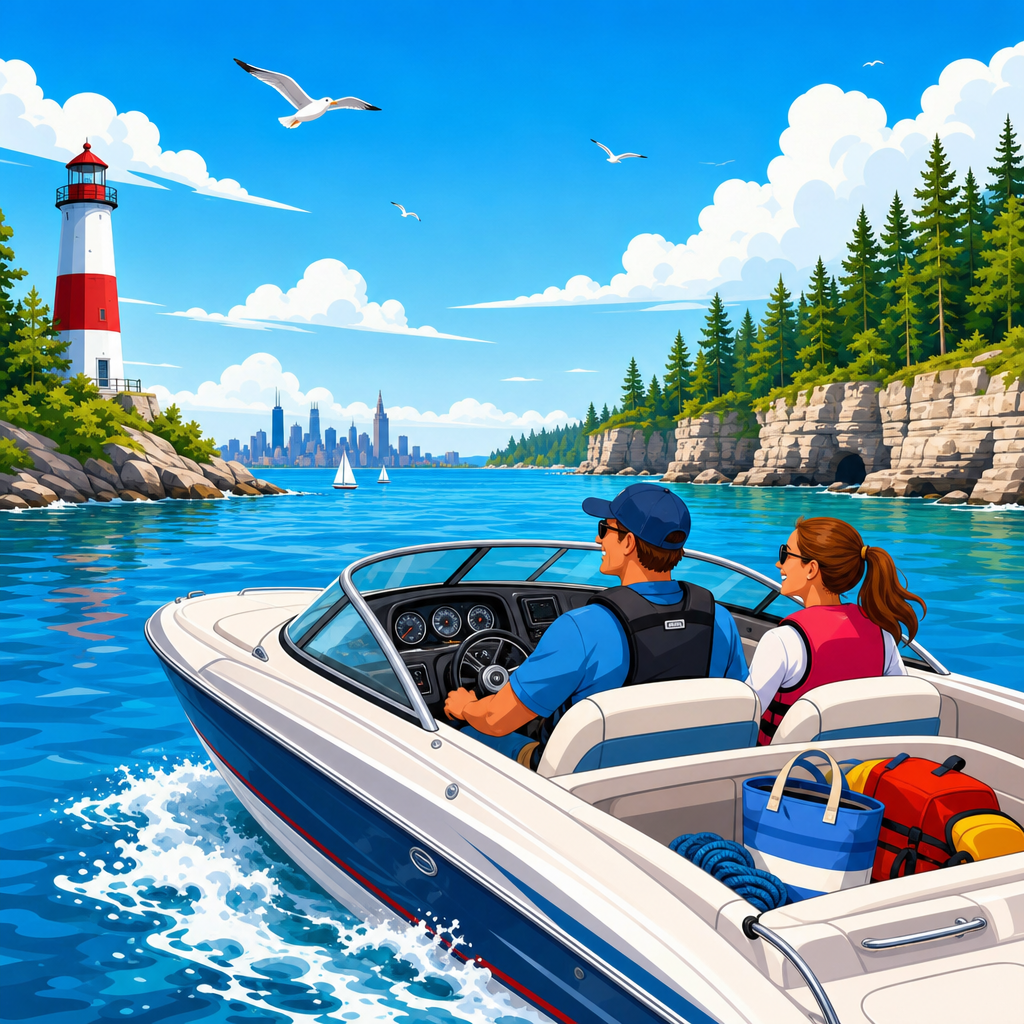
Best houseboating destinations for families and groups combine easy navigation, safe swimming areas, roomy rental fleets, and shore access that keeps every age engaged. Houseboating means using a boat designed or adapted for overnight living, with sleeping cabins, a galley, a bathroom, and often a top deck for dining or sightseeing. In practice, the best trips balance the freedom of a floating vacation home with the planning discipline of any multiday cruise. After helping families compare itineraries, marinas, and charter contracts, I have found that destination choice matters more than décor or horsepower. A great lake, river, or canal can turn first-time renters into repeat travelers, while a poor match creates stress around docking, fuel, weather, and boredom. This guide covers the leading houseboat rentals and liveaboard spots for family reunions, multigenerational vacations, and friend groups, with a focus on navigation conditions, amenities, trip style, and practical fit.
Families usually need protected water, straightforward charts, marina support, and plenty of land-based stops. Groups often prioritize privacy, social deck space, nearby coves, and flexible itineraries. Both want clear rental rules, realistic fuel estimates, and destinations where daily decisions stay simple. The most reliable houseboating hubs deliver marked channels, pump-out access, grocery provisioning, and activities within a short tender ride or dock walk. They also offer fleets with layouts that make sense, such as separate sleeping zones for children and adults, convertible dinettes, and upper helms with good visibility. When evaluating houseboat destinations, I look at six factors first: water conditions, anchoring or mooring options, marina density, shoreline attractions, season length, and emergency support. Those factors determine whether a trip feels restful or complicated, especially for larger groups managing meals, wake times, and mixed comfort levels on the water.
What makes a houseboating destination ideal for families and groups
The best family houseboating destinations share a few nonnegotiable traits. First, the cruising ground must be forgiving. Reservoirs like Lake Powell offer broad open water but require weather awareness and route planning around fuel range. Canal networks such as the Rideau Canal in Canada or the Canal du Midi in France are slower and easier to handle, making them excellent for first-timers who value predictable locks and village stops. Second, shore access matters. Families need beaches, trails, swimming coves, and marinas with ice, potable water, and simple food options. Third, the destination should have enough rental inventory to match group size. In peak summer weeks, the best four- to six-cabin boats are booked months ahead, and limited inventory can force compromises on layout that hurt comfort more than travelers expect.
Liveaboard spots differ slightly from rental-centric destinations. A good liveaboard base supports longer stays through reliable utilities, laundry, public transit, and year-round services. That makes places like Seattle’s Lake Union or parts of Florida’s Intracoastal Waterway attractive for extended floating stays, though they are not always ideal for casual weekly charters. For hub planning, it helps to separate three trip models: stationary liveaboard marinas, point-to-point canal cruising, and roaming lake or coastal houseboat vacations. Each has different skill requirements, costs, and weather constraints. On inland lakes, the main challenge is route efficiency and overnight anchoring. On canals, lock timing and low bridge clearances shape the trip. On tidal coasts, current, wind, and docking complexity increase significantly. Matching your group to the right model is the fastest way to avoid preventable mistakes.
Top houseboating destinations at a glance
| Destination | Best For | Why It Works | Watchouts |
|---|---|---|---|
| Lake Powell, Arizona/Utah | Large groups, adventure-focused families | Huge cruising area, dramatic coves, beach camping feel, major rental fleets | Fuel planning, wind, long distances between services |
| Shasta Lake, California | First-time renters, reunions | Protected arms, warm water, marina support, easy swimming stops | Summer demand, wildfire smoke risk in some seasons |
| Lake Cumberland, Kentucky | Social groups, mixed-skill crews | Extensive shoreline, coves, established houseboat culture, large slips | Busy weekends, wake near popular marinas |
| Kerr Lake, Virginia/North Carolina | Quiet family trips | Gentle cruising, wooded shoreline, fishing, lower crowd pressure | Smaller tourism footprint, fewer marquee attractions |
| Rideau Canal, Ontario | Multigenerational travel, culture-focused groups | Slow speeds, lock towns, heritage route, easy sightseeing | Lock schedules, shorter season |
| Canal du Midi, France | Scenic slow travel, food-focused groups | Village moorings, vineyards, simple piloting, strong charter ecosystem | Summer heat, bridge and beam constraints |
These six destinations consistently perform because they align the practical needs of families and groups with the strengths of houseboat travel. Some excel through scale, others through simplicity. The key is to choose based on group behavior, not just scenery.
Best lake houseboating destinations in the United States
Lake Powell remains the most iconic houseboating destination in North America for good reason. Stretching across Arizona and Utah, it offers hundreds of side canyons, sandy beaches, and a true expedition feel without requiring offshore boating skills. Wahweap and Antelope Point are major starting hubs with large rental fleets, orientation briefings, and support services. For groups, the draw is privacy: you can beach the boat in a canyon and create a camp-like base for paddleboarding, swimming, and stargazing. The tradeoff is logistics. Distances are long, fuel consumption is significant, and afternoon winds can complicate movement. I tell first-time renters to plan conservative mileage, identify backup overnight coves, and treat marina return deadlines seriously. Lake Powell rewards organized crews far more than spontaneous ones.
Shasta Lake in Northern California is often the easier recommendation for families with children or grandparents. Its branched layout creates many protected cruising arms, water temperatures are generally comfortable in season, and marinas are accustomed to introductory renters. The shoreline is wooded rather than desert, which changes the atmosphere entirely: more shade, more floating swim days, and less emphasis on long-range route planning. Houseboat fleets here are typically configured for comfort, with slide-equipped upper decks on some models and layouts designed around communal meals. The main seasonal concern is late-summer demand and, in some years, regional smoke affecting visibility and air quality. When conditions are stable, Shasta is one of the most forgiving houseboating destinations for a first group charter.
Lake Cumberland in Kentucky has a long-established houseboat culture and one of the broadest support networks in the region. The shoreline is extensive, coves are numerous, and marina infrastructure is strong. It works especially well for friend groups who want equal parts relaxation and social energy, because there are quiet anchorages as well as busier pockets near marinas and waterfront venues. Families appreciate the availability of large boats with multiple private cabins, which matter on trips longer than a weekend. On peak holidays, wakes and traffic around popular service areas can be substantial, so cautious route timing helps. Other strong U.S. options include Dale Hollow Lake for calmer, fishing-oriented trips and the Seattle area for liveaboard stays, though Seattle’s urban moorage is better for longer-term floating accommodation than classic roaming houseboat charters.
Best river and canal houseboating routes for slower travel
Not every group wants a big-water lake adventure. For many families, canals and managed river systems are better because speed is low, navigation is visible, and days naturally break into short segments. The Rideau Canal in Ontario is one of the strongest examples. Connecting Ottawa and Kingston through a chain of lakes, rivers, and locks, it offers a heritage-rich route with walkable towns, historic lockstations, and highly manageable piloting. This is where multigenerational groups shine: grandparents can enjoy the scenery and town stops, teens can handle lines under supervision, and younger children can experience lock operations safely from deck. Because travel days are shorter, meals and sightseeing fit more naturally into the rhythm. The season is compact, however, and lock operating hours shape the whole itinerary, so over-ambitious plans usually backfire.
France’s Canal du Midi is one of the world’s best-known self-drive boating routes, and its popularity is justified. Charter companies around bases such as Homps, Carcassonne, and Le Somail provide boats designed for easy inland handling, often with bow thrusters and practical outdoor seating. The route runs through vineyard country, under plane trees and stone bridges, with frequent opportunities to tie up near villages for markets, bakeries, and restaurants. For groups, the appeal is that everyone participates: one person steers, another manages lines, and others cycle or walk ahead along the towpath. It is less about remote anchoring and more about continuous local discovery. Similar benefits apply on the River Thames in England, the Norfolk Broads, and parts of Germany’s Mecklenburg Lake District, each offering low-stress cruising with strong tourism infrastructure and straightforward daily planning.
How to choose the right destination for your crew
Start with group composition, not destination marketing photos. If your crew includes toddlers, older adults with mobility limits, or travelers prone to seasickness, favor stable inland lakes or canal systems with easy boarding and frequent shore access. If the group wants wakeboarding, cliff scenery, and privacy, larger lakes with beachable coves are a better fit. Then assess boating experience honestly. Many houseboat renters are first-timers, which is fine when operators provide orientation, charts, and on-water support. It is less fine on routes where docking is tight, currents are real, or fuel stops are sparse. I recommend assigning roles before departure: helm lead, docking lead, meal planner, and route coordinator. That simple structure reduces friction more than any gadget.
Budget also changes the answer. Lake destinations often involve higher fuel costs but fewer lock or mooring fees. Canal trips may have lower daily fuel use yet more spending ashore on dining, attractions, and overnight moorings. Boat size influences both comfort and maneuverability. Large groups are tempted to maximize berths, but a packed layout can feel cramped by day three. It is often wiser to book one size up or split between two smaller boats if the charter base supports flotilla departures. Finally, check the support ecosystem: weather briefing quality, mechanical response times, marina spacing, and provisioning options. A destination with average scenery and excellent support usually produces a better family vacation than a spectacular route with thin infrastructure. This hub is the foundation for choosing among related topics such as family-friendly marinas, liveaboard packing lists, and seasonal charter planning.
Booking, safety, and trip-planning essentials
The best houseboat rental experience starts months before departure. Book early for school-break weeks, and read the charter agreement line by line. Security deposits, fuel billing, generator hours, pet rules, towing policies, and cleaning fees vary widely by operator. Ask whether linens, cookware, life jackets, paddleboards, and tender boats are included or optional. Confirm sleeping capacity versus comfortable capacity; the two are rarely the same. For liveaboard-oriented stays, verify shore power amperage, pump-out schedule, parking, mail handling, and marina quiet hours. Before committing, request a deck plan and a sample safety briefing. Reputable operators are transparent because they know informed renters cause fewer damages and have better trips.
On the water, keep the operating plan simple. Move in the calmest part of the day when possible, dock with extra fenders out, and brief the crew before every maneuver. Children should have clear life jacket rules, and non-swimmers should wear them near open decks and swim ladders. Weather is the major risk multiplier. Wind that feels minor on shore can make a high-profile houseboat difficult to control, especially when backing into slips. Heat management matters too: generators, air conditioning loads, and freshwater capacity affect comfort more than many new renters expect. Provision with easy meals, backup drinking water, and a paper chart even if the boat has electronics. The strongest trips are the ones planned around limits rather than luck.
For families and groups, the best houseboating destinations are the ones that match the crew’s pace, comfort level, and interests while removing unnecessary operational stress. Lake Powell delivers scale and adventure. Shasta Lake and Lake Cumberland offer approachable U.S. classics with strong rental ecosystems. Kerr Lake and similar quieter reservoirs reward travelers who want simple days and wooded shorelines. The Rideau Canal and Canal du Midi prove that slower routes often create richer shared memories because the journey naturally includes towns, meals, and walkable stops. Across all of them, the pattern is consistent: protected water, clear support, practical boat layouts, and realistic itineraries create better outcomes than chasing the most famous map pin.
Use this hub as your starting point for exploring houseboat rentals and liveaboard spots within the broader world of boating destinations and travel. Narrow your shortlist by trip style, season, and crew needs, then compare operators with the same rigor you would use for any multiday travel booking. The payoff is substantial: one floating base, changing scenery every day, and enough shared space to make a family vacation or group getaway feel connected rather than fragmented. Pick a destination that fits, reserve early, and build an itinerary with room to pause. That is how houseboating becomes easy, memorable, and worth repeating.
Frequently Asked Questions
What makes a houseboating destination especially good for families and larger groups?
The best houseboating destinations for families and groups usually get the fundamentals right before anything else: calm or manageable waterways, straightforward navigation, reliable rental operators, and plenty of places to stop for swimming, sightseeing, and supplies. For family travel, easy handling matters because the trip should feel relaxing rather than stressful. Lakes, wide rivers, and clearly marked inland waterways are often better choices than routes with strong currents, heavy commercial traffic, or complicated lock systems, especially for first-time crews.
Space is another major factor. Larger groups need enough sleeping cabins, usable indoor seating, shaded outdoor areas, and practical kitchen and bathroom layouts. A destination can look beautiful in photos, but if the local rental fleet is made up mostly of smaller boats, it may not work well for multigenerational travel or a friend group sharing one vessel. The strongest destinations usually offer a range of boat sizes, family-friendly layouts, and support services such as trip briefings, route advice, fuel guidance, and on-water assistance.
Shore access also makes a big difference. Families tend to enjoy destinations where you can tie up safely and spend time off the boat at beaches, villages, hiking trails, picnic areas, or casual restaurants. That balance keeps children engaged and gives adults more flexibility. Safe swimming zones, protected coves, and destinations with low-stress mooring options are especially valuable. In short, the ideal houseboating destination combines scenic cruising with practical logistics, so the vacation feels adventurous without becoming difficult to manage.
Are houseboating vacations suitable for beginners traveling with children or a mixed-age group?
Yes, many houseboating vacations are well suited to beginners, provided you choose the right destination and rental company. One reason houseboating appeals to families and groups is that many routes are designed for leisurely travel rather than advanced boating skill. In beginner-friendly areas, rental companies typically provide a full orientation that covers steering, docking, safety procedures, onboard systems, and local navigation rules. In many inland destinations, the boats are intentionally designed to be stable, comfortable, and simple to operate at low speeds.
For families with children or groups that include older adults, the smartest approach is to prioritize easy itineraries over ambitious mileage. Short cruising days, protected waters, and regular stop options create a much better experience than trying to cover too much ground. Look for destinations known for mild conditions, safe swim spots, and attractions close to the water. It also helps to choose a boat with railings, secure side decks, enough life jackets in proper sizes, and sleeping arrangements that let younger children rest comfortably while adults still have usable common space.
That said, suitability depends on planning. Beginners should avoid destinations known for rough water, limited marina infrastructure, or difficult docking conditions. Before booking, ask the rental operator how much prior experience is recommended, what emergency support is available, and whether the route is realistic for your group’s ages and activity level. With those questions answered clearly, first-time houseboaters can have a safe, enjoyable trip that feels both manageable and memorable.
How do you choose the right houseboat and itinerary for a family or group trip?
Choosing the right boat starts with matching the vessel to the way your group will actually travel, not just to the total headcount. A boat may technically sleep eight, for example, but that does not always mean eight people will be comfortable for several days. Families and groups should look closely at cabin privacy, number of bathrooms, storage space, kitchen setup, ventilation or air conditioning, indoor dining capacity, and whether the top deck or outdoor seating is usable for meals and downtime. For multigenerational groups, easy movement around the boat is especially important, including safe steps, handholds, and practical access to sleeping areas.
The itinerary should be built around realistic cruising times and a good mix of activity and rest. A common mistake is packing too many stops into a short trip. The best family and group houseboating routes leave room for swimming, shore excursions, relaxed meals, and unplanned breaks. Consider how often you will need groceries, fuel, freshwater, or marina services, and make sure the route supports those needs without constant pressure to move. If your group includes younger kids, shorter distances and more predictable overnight mooring options can make the trip much smoother.
It is also wise to think seasonally. Some destinations are ideal in shoulder season when temperatures are comfortable and waterways are less crowded, while others are best in peak summer for swimming and longer daylight. Ask the operator for a sample route based on your travel dates, experience level, and group makeup. A well-matched houseboat and itinerary can turn a good destination into a great trip, while a poorly matched plan can make even a beautiful place feel cramped or rushed.
What safety features and trip-planning details should families and groups pay attention to before booking?
Safety should be one of the first filters, not an afterthought. Families and groups should confirm that the boat includes properly sized life jackets for all passengers, working navigation lights, fire extinguishers, first-aid supplies, carbon monoxide and smoke protection where appropriate, and clear instructions for using onboard systems. If children are traveling, ask whether there are gates, railings, enclosed deck areas, or other features that reduce the risk of slips and falls. For older adults, stability, easy boarding, and accessible bathroom arrangements can be just as important as the route itself.
Beyond the boat, destination conditions matter. Ask about water depth, typical weather patterns, boat traffic, swimming advisories, and mooring difficulty. A destination that looks peaceful in promotional photos may have seasonal wind exposure or crowded docking areas that are harder for inexperienced crews. You should also understand the operator’s support structure: whether there is 24/7 assistance, how mechanical issues are handled, what happens in bad weather, and whether route briefings are customized for beginners or family groups.
Good planning also includes the practical details that affect comfort and decision-making on the water. Check what is included in the rental price, how fuel is billed, whether linens and kitchen equipment are supplied, and what grocery provisioning options are available nearby. Review cancellation terms, security deposits, and any age restrictions for the driver. If the article’s theme is finding the best houseboating destinations for families and groups, one of the clearest signs of a strong choice is a destination where safety procedures, route information, and onboard expectations are communicated clearly and professionally from the start.
Which types of destinations tend to offer the best overall houseboating experience for family reunions, friend groups, and multigenerational vacations?
The destinations that consistently work best for shared group travel are those that combine scenic cruising with built-in flexibility. Large recreational lakes, protected reservoir systems, and calm canal or river networks are often ideal because they allow different travel styles within one trip. Some groups want swimming, sunbathing, and quiet coves; others want towns, restaurants, and sightseeing. The strongest destinations can accommodate both, letting the trip feel customizable without requiring complicated navigation or long travel days.
For family reunions, roomy houseboat fleets and easy anchoring or marina access are especially valuable. These trips often involve a wide age range, different sleep schedules, and varying comfort levels with boating. Destinations with predictable conditions, good resupply access, and lots of casual shore activities usually perform best because they reduce friction. Friend groups may prioritize larger social decks, watersports access, and lively waterfront stops, while multigenerational travelers often prefer smoother routes, quieter nights, and destinations with accessible attractions nearby.
In general, the best overall houseboating destinations for families and groups are not necessarily the most remote or dramatic. They are the ones where the boating is enjoyable, the logistics are manageable, and everyone can participate in the experience. A great destination gives you the freedom of a floating vacation home while still supporting the planning needs of a multiday trip. That blend of comfort, safety, scenery, and shore-side variety is what usually turns a houseboating holiday into a trip people want to repeat.