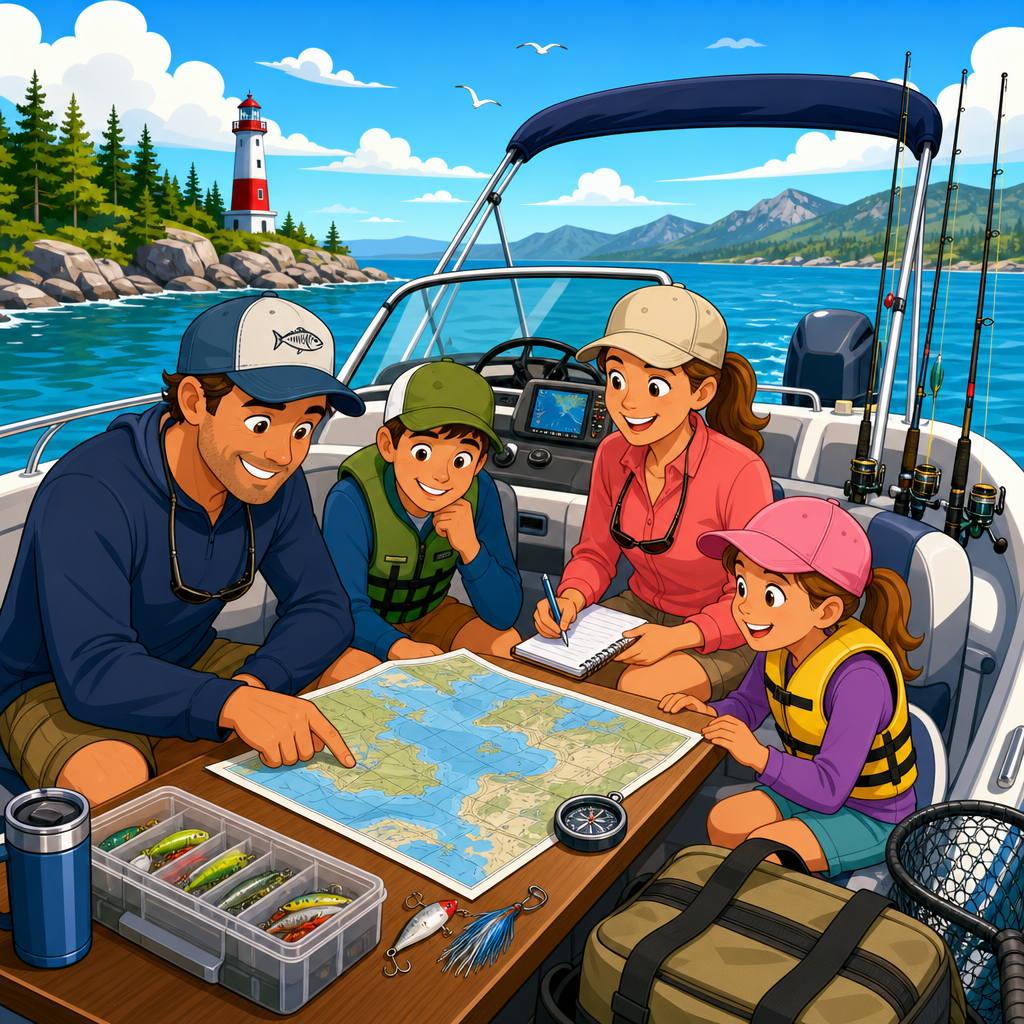
Planning the perfect fishing trip by boat starts with matching the right water, season, vessel, and species so every decision supports safe travel, efficient angling, and a memorable day on the water. In boating travel, a fishing trip is not simply a route from marina to hotspot. It is a coordinated plan involving destination research, weather interpretation, boat readiness, local regulations, fuel range, launch logistics, and realistic expectations about the fishery. The best fishing destinations by boat are places where navigation access, habitat quality, seasonal fish movement, and local services align. I have planned these trips for coastal bays, offshore grounds, reservoirs, and river systems, and the difference between an average outing and an exceptional one usually comes down to preparation, not luck.
For travelers exploring boating destinations, this topic matters because fishing by boat gives access to water and structure that shore anglers cannot reach. Reefs, weed lines, points, channels, flats, creek mouths, and ledges often hold the highest concentrations of fish, but they require smart route planning. A destination may look ideal on a map and still be wrong for your draft, range, or target species. Wind exposure, tide strength, launch congestion, permit requirements, and bait availability can change the entire experience. This hub article explains how to plan around those realities and how to choose among the best fishing destinations by boat, whether you want inshore redfish, offshore tuna, Great Lakes salmon, reservoir bass, or backcountry tarpon.
Key terms are straightforward. A fishing destination by boat is any navigable area chosen primarily for angling access. Inshore generally means protected or near-coastal water such as bays, estuaries, sounds, and flats. Offshore refers to open water beyond the nearshore zone, often requiring larger boats, longer runs, and stricter weather judgment. Freshwater destinations include lakes, reservoirs, rivers, and impoundments. A trip plan combines navigation, timing, target species, weather windows, fueling, launch or marina logistics, and contingency options. If you define those elements clearly before departure, you avoid the two most common failures I see: running too far for conditions and targeting fish that are not seasonally present.
Choose the Right Fishing Destination for Your Boat and Target Species
The best fishing destinations by boat are not universally the farthest, deepest, or most famous. They are the places your boat can reach safely and fish effectively. A 17-foot bay boat is ideal for marsh edges, estuary channels, and nearshore reefs in moderate conditions, but it is not the right platform for a long offshore canyon run. A bass boat excels on reservoirs and big inland lakes yet can become uncomfortable and exposed in steep coastal chop. Before selecting any destination, define your target species, your boat’s fuel capacity and cruising range, the typical sea state or current, and how many anglers you will carry. Those practical limits narrow the field fast and improve results.
Species behavior should drive destination choice. Redfish, speckled trout, snook, and flounder reward anglers who fish tidal movement around grass, oyster bars, bridge shadow lines, and creek mouths. Tuna, mahi, king mackerel, and billfish usually require temperature breaks, bait concentrations, structure, or floating debris farther offshore. Walleye and smallmouth often stack on windblown points, reefs, and drop-offs in large freshwater systems, while largemouth bass gravitate toward vegetation, docks, timber, and contour changes. The mistake many travelers make is choosing a destination for scenery first and fishery second. If your goal is consistent action, start with seasonal fish distribution, then choose the travel experience around it.
Several destinations repeatedly stand out because they combine productive habitat with strong boating infrastructure. Florida’s Gulf Coast offers inshore grass flats, passes, and nearshore reefs with abundant ramps, marinas, and charter services. The Florida Keys provide world-class flats fishing, reef fishing, and offshore access within one region, though weather and current deserve respect. Louisiana’s marshes are exceptional for redfish because the habitat is vast and nutrient rich, but route planning is essential in shallow, maze-like water. The Great Lakes, especially Lake Erie and Lake Michigan, are premier boat fishing destinations for walleye and salmon, supported by established launch facilities and tournament-grade information networks. In freshwater, reservoirs such as Lake Fork, Kentucky Lake, and Lake of the Woods offer dependable structure fishing and well-developed boating services.
Time the Trip Around Season, Weather, Tides, and Fish Movement
Timing is where good plans become excellent ones. Fish are mobile, and the same destination can produce dramatically different results from one month to the next. Spring often brings spawning migrations and aggressive feeding in many freshwater systems. Summer expands access windows in northern waters but adds midday heat and thunderstorm risk in the South. Fall can be the most consistent season because baitfish concentrate and predators feed heavily. Winter favors stable patterns in some fisheries, especially clear reservoirs and certain saltwater regions, but it also reduces daylight and narrows weather windows. The perfect fishing trip by boat is usually built around the fish calendar first and the vacation calendar second.
Weather planning should go beyond a basic app forecast. I check sustained wind, gusts, wave period, frontal timing, lightning probability, water temperature trends, and barometric changes. On large lakes and offshore routes, a short wave period can make a moderate forecast far rougher than the wind speed alone suggests. NOAA marine forecasts, local buoy data, and radar are more reliable than general travel apps for boating decisions. Wind direction matters as much as speed because it determines launch selection, drift control, and whether your return run will be safe or punishing. If the destination only works in one narrow weather pattern, build a backup plan before you leave home.
Tides and current are equally important in coastal destinations. Moving water positions bait and turns feeding windows on. In the Northeast, stripers often stage on rips, inlets, and rocky points during strong current exchanges. Along the Gulf Coast, trout and redfish may feed best around falling tides at marsh drains. In the Keys, current speed can determine whether a reef or wreck is fishable at all. Inland anglers should think similarly about dam generation schedules, river flow gauges, and wind-driven current on big lakes. Planning your boat fishing trip around these windows lets you arrive on location when the fish are active instead of waiting for the bite to develop.
Build the Route, Gear List, and Logistics Before Departure
Once the destination and timing are set, map the trip like an operator, not just an angler. Mark the launch, no-wake zones, fuel docks, channels, likely fishing areas, and safe alternatives on your chartplotter and in a backup app such as Navionics, Garmin ActiveCaptain, or C-MAP. Check bridge clearances, draft restrictions, and local hazards including shoals, stump fields, crab trap lines, and seasonal manatee or wake zones. Many productive fishing destinations by boat are remote enough that a poor launch choice adds an hour of idle time each way. Choosing a marina closer to your target grounds may cost more overnight but save fuel, stress, and daylight.
Gear planning should reflect the species and the environment, not habit. For offshore trolling, you may need heavier conventional tackle, gaffs, a reliable fish box, and extra rigging supplies. For inshore sight fishing, polarized glasses, a push pole, shallow-water anchor, and a quieter deck layout matter more. Freshwater electronics often deserve more attention than anglers give them. Side imaging, down imaging, and forward-facing sonar can turn an unfamiliar reservoir into a readable system quickly, especially when combined with contour mapping. Bring terminal tackle for local forage patterns. If the dominant bait is threadfin shad, scaling your lure profile correctly can matter more than changing colors ten times.
Licenses, permits, bait, ice, and fish-handling rules should be verified in advance. Regulations change by state, species, and even by management zone. Size limits, slot limits, closed seasons, circle-hook requirements, and harvest tags are common and enforceable. If you cross state lines or fish federal water, know exactly which rules apply where. This is also where trip efficiency improves. Ordering bait ahead, reserving a slip, confirming launch fees, and identifying the nearest mechanic or tow service are details many anglers ignore until they become urgent. The perfect trip feels smooth because these small logistics were handled before the trailer hitch was locked.
| Destination type | Best targets | Ideal boat setup | Main planning concern |
|---|---|---|---|
| Inshore bays and marshes | Redfish, trout, snook, flounder | Shallow draft, trolling motor, push pole | Tides, mud flats, changing channels |
| Offshore reefs and bluewater | Tuna, mahi, kingfish, snapper | High fuel capacity, safety gear, reliable electronics | Weather window, fuel range, sea state |
| Large freshwater lakes | Bass, walleye, pike, salmon | Electronics, trolling setup, weather protection | Wind fetch, launch location, structure mapping |
| Rivers and tailwaters | Stripers, catfish, smallmouth, walleye | Current control, anchor system, shallow draft | Flow releases, debris, navigation hazards |
Best Fishing Destinations by Boat: Saltwater and Freshwater Standouts
If you want dependable saltwater variety, few places match the Florida Keys. You can run a flats skiff into backcountry channels for bonefish and permit in the morning, then fish patch reefs or bluewater edges when conditions allow. The tradeoff is exposure to wind and current, especially on longer Atlantic-side runs. For redfish-focused travel, coastal Louisiana remains one of the best fishing destinations by boat because marsh ponds, bayous, and outer bays hold fish year-round. Navigation can be confusing for first-time visitors, so local chart study and updated waypoints are essential. On the Atlantic coast, the Outer Banks provide exceptional nearshore and offshore opportunities, especially for pelagic species, but weather windows there should be treated conservatively.
For anglers who want a balance of scenery, accessibility, and multi-species potential, the Chesapeake Bay is a strong choice. Striped bass, bluefish, cobia, and seasonal red drum create varied opportunities, and the bay’s boating infrastructure is extensive. On the Gulf side, Texas bays such as Galveston, Matagorda, and the Laguna Madre offer productive inshore fishing with broad launch access and a long warm-season calendar. Southern California gives boaters access to calico bass, yellowtail, tuna, and offshore islands, supported by excellent marina systems and a strong live-bait culture. Each region rewards different techniques, but the planning principles remain the same: understand the seasonal bite, match your run length to conditions, and leave room for a backup zone.
Freshwater destinations deserve equal attention because many produce more consistent fishing than coastal trips. Lake Erie is famous for walleye, and in stable summer patterns the bite can be extraordinary, but boaters need real respect for wind because conditions can deteriorate quickly. Lake of the Woods delivers vast structure, muskie potential, and multi-day exploration value. Tennessee River impoundments such as Kentucky Lake and Guntersville are excellent for bass because current, vegetation, and ledges create predictable seasonal patterns. Northern shield lakes and western reservoirs add trout, pike, and kokanee options for boat travelers who prioritize clean launches, cabin access, and repeatable sonar-based fishing patterns.
Safety, Stewardship, and What Makes a Trip Truly Successful
The perfect fishing trip by boat is successful only if everyone returns safely and the resource is treated responsibly. Start with the basics: life jackets sized correctly for every passenger, a working VHF or other communication device, current charts, navigation lights, emergency signaling gear, first-aid supplies, and an engine that has been serviced, not merely assumed reliable. Use the one-third fuel rule as a baseline for longer runs: one-third out, one-third back, one-third reserve. File a float plan with a family member or marina, especially when fishing offshore, large lakes, or remote marsh systems. On trailer trips, inspect tires, hubs, straps, lights, and the spare before departure, not at the ramp.
Responsible fish handling is just as important. Use tackle heavy enough to land fish efficiently, reduce air exposure, wet your hands before handling, and know when venting, descending devices, or immediate release rules apply. In warm water, delayed mortality increases, so long photo sessions are not harmless. Respect seagrass beds, no-motor zones, wake restrictions, and local etiquette at ramps and marinas. These habits protect the destination and preserve access for everyone. They also make you a better traveling boater because local communities notice whether visitors operate competently and respectfully.
The core benefit of planning is simple: it turns uncertain travel into purposeful time on productive water. Choose a destination that fits your boat, time the trip around fish movement and weather, map the route carefully, organize gear for the species, and verify every regulation before you launch. That approach works whether you are running to a Louisiana marsh drain, trolling a Great Lakes contour, or exploring a Florida reef line. Use this hub as your starting point for the best fishing destinations by boat, then build each trip with discipline. Pick your season, shortlist your waters, and start planning your next run today.
Frequently Asked Questions
How do I choose the best location and season for a fishing trip by boat?
Start by matching your target species to the right body of water and time of year. That sounds simple, but it is the foundation of a successful trip. Different fish behave differently based on water temperature, spawning cycles, bait movement, tides, current, and seasonal weather patterns. Before picking a marina or launching ramp, research what species are active in that region during your planned travel window. A lake that produces excellent bass action in spring may fish very differently in midsummer, and a coastal area known for redfish or snapper may depend heavily on tide stage, offshore conditions, or seasonal migration.
Use local fishing reports, state wildlife agency updates, marina staff knowledge, and charter captain reports to narrow down realistic expectations. Pay attention to whether the area is best suited for inshore, nearshore, offshore, freshwater, or river fishing, and confirm that your boat is appropriate for those conditions. In practical terms, “best location” is not just where the fish are biting. It is where the fish, season, weather, water conditions, and your vessel all align. A well-matched destination gives you safer travel, more efficient fishing time, and a much better chance of enjoying the day instead of fighting poor conditions.
What should I check on my boat before leaving for a fishing trip?
A thorough pre-trip boat inspection is one of the most important parts of planning. Start with the engine and fuel system. Make sure the motor is serviced, starts reliably, and has no obvious issues with fuel lines, filters, oil levels, cooling water flow, or battery connections. Confirm that you have enough fuel not only to reach your fishing grounds and return safely, but also to account for idling, searching for fish, changing locations, current, wind, and an emergency reserve. Many experienced boaters follow the one-third rule: one-third of fuel for the run out, one-third for the return, and one-third held in reserve.
Next, check all required safety equipment. That includes properly sized life jackets for every person on board, throwable flotation devices where required, fire extinguishers, visual distress signals, navigation lights, horn or sound-producing device, first-aid kit, anchor and rode, and a charged communication device such as a VHF radio or fully protected mobile phone. Test electronics as well, including GPS, chartplotter, fishfinder, bilge pumps, navigation lights, and battery charge status. Also inspect the hull, drain plug, trailer tires and bearings if trailering, and livewell systems if you plan to keep bait or fish. A fishing trip goes much more smoothly when the boat is launch-ready, legally compliant, and mechanically dependable before you ever leave the driveway or dock.
How do weather, wind, and water conditions affect fishing trip planning by boat?
Weather should shape every part of your plan, from departure time to destination choice to whether you go at all. The most useful approach is to look beyond a simple “chance of rain” forecast and focus on wind speed and direction, wave height, storms, barometric changes, temperature swings, tides, river flow, and visibility. Wind direction can dramatically affect both boat handling and fish location. A light morning breeze may be manageable on open water, while a stronger afternoon wind can make a long return rough, wet, and unsafe. Likewise, calm weather offshore may allow access to productive grounds that would be completely unrealistic in a smaller boat on another day.
Water conditions influence fish behavior as much as boater safety. Tidal movement can turn a slow bite into an active one, water clarity can determine lure selection, and current can affect where fish hold and how your boat drifts or anchors. Smart planning means checking marine forecasts, radar, tide charts, sunrise and sunset times, and any local notices about floating debris, low water, current releases, or restricted areas. It also means building in flexibility. If offshore conditions deteriorate, have an inshore backup plan. If afternoon thunderstorms are likely, launch early and establish a firm turnaround time. The best fishing boaters are not the ones who force the original plan; they are the ones who adapt before conditions become a problem.
What permits, regulations, and local rules should I review before a boat fishing trip?
Never assume the rules are the same from one area to another. Before your trip, confirm that every angler has the correct fishing license for the state, region, or species involved, and check whether any special stamps, permits, or vessel registrations are required. Then review the fishing regulations that apply to your destination. These typically include size limits, bag limits, seasonal closures, protected species rules, gear restrictions, and whether certain reefs, rivers, or conservation zones are closed to harvest or access. In saltwater areas, species-specific rules can change quickly, so official wildlife agency updates are more reliable than old forum posts or secondhand advice.
Local boating rules matter too. Research no-wake zones, marina procedures, launch ramp hours, anchoring restrictions, navigation hazards, and any special rules in wildlife refuges, reservoirs, or port areas. If you are crossing into another state’s waters or fishing near international boundaries, be especially careful to understand jurisdictional rules. It is also wise to know cleaning and transport regulations if you plan to keep fish, particularly in areas with invasive species controls or fish possession rules. Reviewing regulations ahead of time protects you from fines and helps preserve the fishery. More importantly, it makes your trip smoother because you know exactly what is legal, what to keep, where to fish, and how to operate responsibly once you are on the water.
What gear and trip logistics should I plan to make the day more productive and enjoyable?
The most productive fishing trips are planned with both angling efficiency and overall boat travel logistics in mind. Start with a realistic game plan for the species you are targeting. Bring the right rods, reels, tackle, bait, leaders, tools, and landing gear for that fishery rather than overpacking random equipment. If you expect to troll, drift, cast shorelines, jig structure, or bottom fish, organize your setup around those techniques. Pre-rigging leaders, sorting lures by depth or condition, icing coolers properly, and storing essential gear where it is easy to reach can save valuable time once fish are found. It also helps to prepare for comfort and endurance by bringing layered clothing, sun protection, polarized sunglasses, foul-weather gear, drinking water, food, and motion-sickness remedies if anyone on board may need them.
Logistics on land are just as important as gear on the boat. Confirm launch ramp conditions, parking availability, marina fuel access, live bait availability, and the distance from the ramp to your intended fishing areas. Share your float plan with someone on shore, including where you are going and when you expect to return. Build a timeline that includes launching, running time, fishing windows based on tides or peak feeding periods, and enough margin to return safely before dark or before weather worsens. Finally, set realistic expectations. Even well-planned trips can require adjustment, but when the boat is ready, the route is thought through, the gear matches the fishery, and the schedule is built around conditions, you give yourself the best chance at a safe, memorable, and genuinely enjoyable day on the water.