Choosing the most reliable outboard motor brands for 2025 is not just about horsepower or price; it is about minimizing downtime, protecting resale value, and matching a power system to the way a boat is actually used. In the “Best Boats & Reviews” universe, this guide serves as the central resource for boat comparison and buying guides because the outboard often determines the ownership experience more than any other component on the transom. Reliability, in practical terms, means consistent starting, stable fuel delivery, corrosion resistance, parts availability, dealer support, and service intervals that real owners can keep up with. After years around repowers, sea trials, warranty claims, and routine maintenance scheduling, I have learned that the brands with the strongest reputations usually earn them through engineering discipline and support networks rather than marketing alone.
For 2025, the conversation is shaped by four-stroke dominance, integrated digital controls, stricter emissions expectations, and greater consumer focus on total cost of ownership. Buyers are asking better questions: Which outboard brands have the fewest chronic issues? Which ones hold up in saltwater? Which manufacturers have broad dealer coverage for traveling boaters? Which engines are easiest to service or repower? Those are the right questions, and this article answers them directly. It also functions as a hub for broader boat comparison and buying guide decisions by connecting engine reliability to hull type, use case, budget, fuel efficiency, and long-term maintenance planning. If you are shopping for a center console, bay boat, pontoon, aluminum fishing rig, or family runabout, understanding the strengths and tradeoffs of each outboard brand will help you choose more confidently.
What reliability means in outboard motors in 2025
Reliable outboard motors share several traits that can be measured and observed over time. First is mechanical durability: strong metallurgy, proven gearcases, effective cooling passages, and valve train designs that tolerate long hours. Second is electrical reliability, increasingly important because modern outboards rely on ECUs, digital throttles, networked gauges, and charging systems that support trolling motors, live sonar, pumps, and onboard electronics. Third is corrosion control. A reliable engine in freshwater may struggle in a neglected saltwater environment, so coatings, sacrificial anodes, freshwater flush systems, and stainless hardware matter. Fourth is service support. An engine can be well built and still become a poor ownership experience if filters, water pumps, diagnostics, and trained technicians are hard to access.
Reliability also has to be separated from misuse. I have seen excellent engines fail early because owners skipped impeller changes, ran contaminated fuel, ignored software updates, or mounted the propeller incorrectly. Likewise, some “problem brands” were really victims of bad rigging or poor dealer setup. That is why the smartest way to compare outboard motor brands is by combining product reputation with dealer quality and intended application. A 25 hp tiller on a duck boat has different reliability demands than a trio of 300 hp engines on an offshore center console. When buyers understand that context, the rankings become far more useful.
The most reliable outboard motor brands for 2025
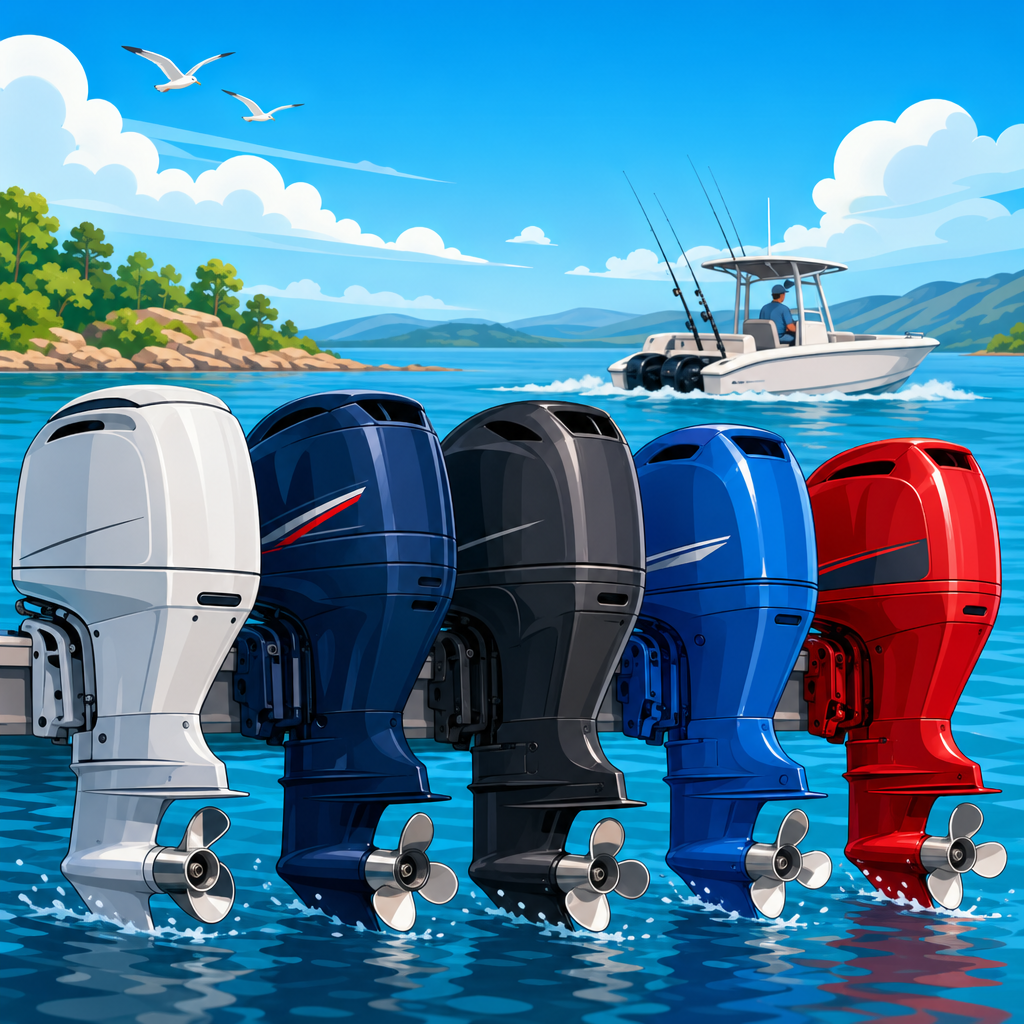
For 2025, the brands most consistently associated with outboard reliability are Yamaha, Suzuki, Honda, Mercury, and Tohatsu. Each has earned its place differently. Yamaha has the broadest reliability reputation across recreational categories and remains the benchmark many buyers use. Suzuki is respected for durable four-stroke platforms, strong corrosion protection, and excellent fuel economy. Honda maintains a loyal following for smooth operation and long service life, especially among owners who prioritize conservative engineering. Mercury combines strong performance with a deep dealer network and increasingly refined digital systems, making it a top choice when service access matters. Tohatsu, often overlooked in larger discussions, delivers excellent dependability in small to midsize horsepower ranges and also manufactures engines sold under other labels in select segments.
| Brand | Best Known For | Typical Strength | Main Tradeoff |
|---|---|---|---|
| Yamaha | Broad reliability reputation | Excellent resale and dealer familiarity | Often priced at a premium |
| Suzuki | Efficient four-strokes | Strong corrosion resistance and torque | Dealer density varies by region |
| Honda | Conservative engineering | Smooth operation and long-term durability | Less dominant in high-horsepower offshore repowers |
| Mercury | Performance and support network | Wide service access and advanced controls | Some buyers still favor rivals for simplicity |
| Tohatsu | Value and small-engine dependability | Strong track record in portable and midsize models | Smaller brand visibility in premium segments |
These brands are not interchangeable, and no manufacturer is perfect across every horsepower band. Yamaha’s F150 remains one of the most trusted single-engine choices in boating because it balances reliability, easy serviceability, and broad technician familiarity. Suzuki’s DF140 and DF300 lines are frequently praised by owners who log serious hours and want strong low-end pull with reasonable fuel burn. Honda’s BF series tends to appeal to buyers who keep boats a long time and value quietness and consistency over aggressive branding. Mercury’s modern FourStroke and Verado families are common on new boats because they offer compelling performance and wide rigging compatibility. Tohatsu stands out for small skiffs, tenders, inflatables, and practical repowers where straightforward dependability matters most.
How Yamaha, Suzuki, Honda, Mercury, and Tohatsu compare in real ownership
Yamaha remains the safest recommendation for buyers who want the fewest surprises. In my experience, Yamaha’s advantage is not that its engines never fail; it is that the brand has decades of field history, excellent parts flow, and widespread familiarity among independent mechanics and dealership service writers. That matters when you need a thermostat housing, fuel filter assembly, software diagnosis, or a lower-unit repair in peak season. Yamaha also tends to preserve resale value exceptionally well, which lowers effective ownership cost.
Suzuki has become one of the strongest value choices in modern outboards. The brand’s offset driveshaft design in many models helps produce compact packaging and useful torque characteristics, while multi-stage corrosion protection has made Suzuki particularly attractive in coastal markets. Owners often cite fuel efficiency as a deciding factor. If there is a limitation, it is regional dealer coverage. In some areas Suzuki service is abundant; in others, it is thin enough to influence the buying decision more than the engine itself.
Honda outboards are often described as understated, and that is fair. They do not dominate every transom conversation, but they are consistently respected for smoothness, low noise, and durable operation. Honda’s engineering culture tends to favor refinement and longevity. Buyers considering pontoons, family cruisers, and utility boats often find Honda especially appealing. The main caveat is market presence. In some high-horsepower saltwater markets, brand momentum favors Yamaha or Mercury, which can affect rigging options and used-market liquidity.
Mercury deserves serious consideration from any buyer evaluating the most reliable outboard motor brands for 2025. Older opinions about Mercury vary depending on era and product line, but current FourStroke and Verado offerings have matured substantially. Mercury’s biggest practical advantage is dealer network depth, especially in North America, plus SmartCraft integration, broad propeller choices, and strong support for multi-engine digital setups. Many tournament anglers and family boaters choose Mercury because service access is part of reliability.
Tohatsu is the quiet achiever. In portable and midrange applications, Tohatsu has built a reputation for robust, simple engines that start reliably and cost less than premium-branded alternatives. For skiff owners, kicker motor buyers, and practical operators who want honest engineering without excess complexity, Tohatsu is easy to recommend. It may not command the same prestige in large offshore applications, but in its core segments it performs very well.
Buying by boat type, horsepower, and use case
The best outboard motor brand depends heavily on the boat and how it will be used. For aluminum fishing boats, tiller setups, and portable skiffs under 60 hp, Tohatsu, Honda, and smaller Mercury engines are often the most sensible choices because they combine easy starting, manageable weight, and straightforward maintenance. For freshwater bass boats and multispecies rigs in the 115 to 250 hp range, Mercury and Yamaha dominate because of performance, dealer presence, and rigging compatibility with modern electronics and hydraulic steering systems. Bay boats and inshore center consoles often pair well with Yamaha or Suzuki, especially for owners balancing saltwater durability with fuel economy.
For offshore center consoles, reliability extends beyond the powerhead. You need confidence in charging output, steering integration, digital throttle and shift, and sustained operation at cruise for long runs. In these applications, Yamaha and Mercury remain common default choices, while Suzuki continues to gain ground among owners who prioritize efficiency and corrosion resistance. Honda can be excellent for single and twin applications where local support is strong. The key is to buy the best-supported brand in your cruising region, not just the brand with the loudest fan base online.
Pontoon and deck boat buyers should also think differently about reliability. These boats often spend long periods idling, towing tubes, and running with heavy family loads. Smoothness, low noise, and easy annual maintenance can matter more than top-end speed. Honda, Mercury, Yamaha, and Suzuki all have suitable offerings here, but matching gear ratio, propeller pitch, and boat weight is essential. A reliable engine that is under-propped or overworked will not stay reliable for long.
What smart buyers should inspect before choosing an outboard brand
Brand reputation is only the starting point. Before you buy, inspect the local dealer’s service department, ask about average turnaround time during summer, confirm that diagnostic equipment is in-house, and verify parts stocking for common maintenance items. Ask whether the warranty claim process is handled directly or outsourced. If you are repowering, check transom weight limits, rigging compatibility, and whether existing controls, gauges, and steering can be reused. I have watched buyers save money on the quote only to lose it immediately through expensive rerigging surprises.
You should also evaluate maintenance accessibility. Can you reach the oil filter cleanly? Is the freshwater flush connection easy to use? How often are valve inspections required on your specific model? What is the recommended fuel octane? Does the engine tolerate ethanol-blended fuel well when paired with proper filtration? Reliable ownership depends on these practical details. Named tools such as NMEA 2000 displays, SmartCraft, and integrated engine monitoring can help you catch voltage, temperature, and fuel-delivery issues before they become failures.
Used-boat buyers need another layer of caution. A reliable brand can still hide a neglected engine. Ask for service records, engine hours, compression data where relevant, and any ECU printout available through dealer software. Inspect corrosion under the cowl, wiring condition, skeg and propeller damage, and signs of water intrusion in the gearcase lubricant. A clean survey and compression check do not guarantee perfection, but they greatly improve your odds.
Maintenance habits that matter more than brand loyalty
The owners who report the fewest outboard problems usually follow boring routines: they change engine oil and gear lube on schedule, replace water pumps proactively, use quality fuel-water separators, stabilize fuel during storage, flush after saltwater use, and address warning codes immediately. Those habits matter more than internet brand wars. Even the most reliable outboard motor brands for 2025 can suffer from injector fouling, overheating, battery-related faults, or lower-unit damage if maintenance is neglected.
There are also real environmental differences. Saltwater use accelerates corrosion and makes flushing, anode inspection, and anti-seize practices far more important. Boats stored in the water face different risks than trailered boats. Northern owners deal with winterization, while southern owners may accumulate high annual hours. Reliability is therefore partly a maintenance system, not just a badge on the cowl. Choose the brand with the support, features, and service access that fit your boating life, then protect that investment with disciplined care.
The most reliable outboard motor brands for 2025 are Yamaha, Suzuki, Honda, Mercury, and Tohatsu because they combine proven engineering, real-world durability, and support structures that keep boats on the water. The right choice depends on your boat type, horsepower needs, local dealer strength, and tolerance for upfront cost versus long-term value. Yamaha is the broad benchmark, Suzuki is a fuel-efficient and corrosion-resistant favorite, Honda is smooth and durable, Mercury excels in support and integration, and Tohatsu offers dependable value in smaller segments.
As the hub for boat comparison and buying guides under “Best Boats & Reviews,” this article should help you narrow the field before you evaluate specific boats, layouts, and repower options. Focus on total ownership, not brochure claims. Compare dealer support, maintenance access, rigging compatibility, and resale prospects as carefully as you compare horsepower. If you are actively shopping, make your next step simple: shortlist two brands that are well supported in your area, sea-trial them on the right hull, and buy the engine you can maintain with confidence for years.
Frequently Asked Questions
What makes an outboard motor brand truly reliable in 2025?
A reliable outboard motor brand in 2025 is defined by much more than a strong spec sheet or a recognizable name. True reliability means consistent starting, smooth performance across a wide RPM range, resistance to corrosion in real-world marine environments, and the ability to deliver season after season of use without frequent unscheduled repairs. It also includes the quality of the brand’s dealer network, the availability of replacement parts, and how easy routine service is for owners and technicians. In practical ownership terms, reliability is about minimizing downtime, preserving confidence on the water, and avoiding the kind of mechanical surprises that can turn a boating day into a towing bill.
For most buyers, the most dependable brands are the ones that have proven four-stroke platforms, strong quality control, and a long track record across multiple horsepower classes. Reliability also depends on how well the motor is matched to the boat and the owner’s usage pattern. An engine that is highly reliable on a center console used for offshore runs may not be the best fit for a lightweight aluminum fishing boat that sees frequent shallow-water launches. That is why the most reliable outboard motor brands for 2025 are usually the ones that combine engineering durability with broad application support, strong service infrastructure, and real-world owner satisfaction over time.
Which outboard motor brands are generally considered the most reliable for 2025?
While individual model history, maintenance, and dealer support all matter, several brands consistently stand out in reliability discussions for 2025. Yamaha remains one of the most frequently cited names because of its long-standing reputation for durable powerheads, dependable starting, and broad dealer support. Honda is also widely respected for smooth, fuel-efficient four-stroke designs and a reputation for long service life, especially among owners who prioritize quiet operation and low-stress cruising. Suzuki continues to earn attention for strong value, efficient performance, and well-regarded midrange and higher-horsepower offerings that have built a loyal following. Mercury remains a major player as well, particularly because of its extensive service network, broad product lineup, and continued refinement of modern four-stroke platforms.
Tohatsu also deserves mention, especially for buyers focused on lightweight portable engines and solid dependability at smaller horsepower levels, though the brand’s reach can vary by market. The most reliable brand for one owner is not always the same for another, because reliability is partly tied to local dealer competence, parts availability, and how the engine is used. That is why the smartest way to interpret brand rankings is not as a universal winner-take-all list, but as a shortlist of manufacturers with proven reputations that should then be evaluated against your boat type, intended use, and local support options.
Is dealer support just as important as the brand itself when choosing a reliable outboard?
Yes, dealer support is often just as important as the badge on the cowling. Even an excellent outboard can become frustrating to own if warranty work is delayed, annual service is difficult to schedule, or replacement parts are backordered through a weak local network. A strong dealer can make ownership dramatically easier by handling software updates, diagnostics, break-in service, maintenance records, rigging questions, and seasonal inspections efficiently. That support directly affects real-world reliability because small issues are more likely to be caught early before they become costly failures.
When comparing the most reliable outboard motor brands for 2025, buyers should look beyond published reputation and ask practical questions. Is there a certified service center nearby? Does that dealer regularly stock common service items and wear parts? Are technicians experienced with the specific horsepower range and control system you are considering? How does the dealer handle emergency repairs during peak boating season? A brand with a slightly less glamorous reputation but excellent local support can deliver a better ownership experience than a top-tier brand with limited service access in your area. In the long run, reliability is not only about how the engine was built, but also about how well it can be maintained, diagnosed, and supported after the sale.
How does maintenance affect the long-term reliability of an outboard motor?
Maintenance plays a central role in long-term outboard reliability, regardless of brand. Even the most highly rated engine can suffer premature wear if oil changes are skipped, cooling systems are ignored, fuel is allowed to degrade, or corrosion prevention is treated as optional. Modern outboards are highly advanced machines, and while many are impressively dependable, they still rely on clean fuel, proper lubrication, healthy electrical systems, and timely service intervals to remain that way. Reliability is often the result of disciplined maintenance more than luck.
Owners should pay close attention to manufacturer-recommended schedules for engine oil, gearcase lubricant, water pump service, spark plugs, filters, and fuel system care. Boats used in saltwater need especially consistent flushing and corrosion control. It is also important to store the motor properly, monitor battery health, and address small warning signs early, such as hard starting, rough idle, unusual vibration, or reduced water flow. One reason some brands earn stronger reliability reputations is that their engines may be more forgiving under average use, but no outboard is immune to neglect. If your goal is low downtime and strong resale value in 2025 and beyond, choosing a reputable brand is only the first step; maintaining it correctly is what protects that investment.
How should buyers choose the most reliable outboard brand for their specific boat and usage?
The best approach is to match the engine not only to the transom rating, but also to the real way the boat will be used. A family pontoon that spends most of its life cruising inland lakes has very different demands than a saltwater bay boat, a flats skiff, or an offshore center console. Buyers should consider typical load, cruise speed expectations, operating environment, annual hours, and whether they value quiet operation, fuel economy, hole shot, lightweight design, or easy service access most. The most reliable outboard motor brand for 2025 is the one that has a proven platform in the horsepower range you need and a support network that can keep that engine healthy over time.
It is also wise to evaluate rigging compatibility, warranty coverage, resale strength, and owner history with similar setups. Some brands are especially attractive in certain segments because they pair well with specific hull types or offer strong reputation in key horsepower categories. Reading long-term owner feedback, not just first impressions, can help reveal patterns in dependability and service experience. Above all, buyers should avoid choosing strictly on upfront price or maximum horsepower. A slightly more expensive motor from a brand with better support, stronger resale value, and a better reliability record can be the smarter buy over the full ownership cycle. In real terms, reliability means more days on the water, fewer interruptions, and greater confidence every time the boat leaves the dock.