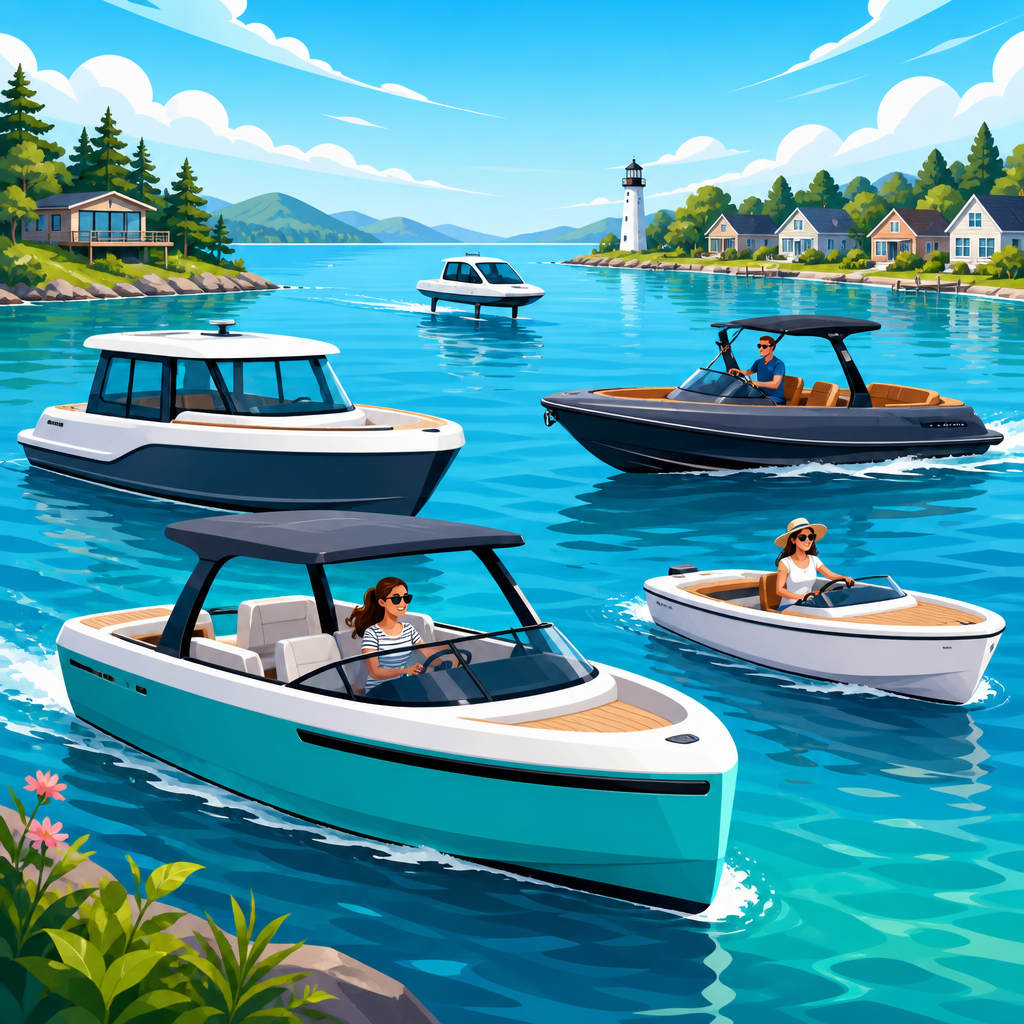
Electric boats have moved from niche experiments to credible, desirable vessels, and the best electric boats on the market in 2025 prove that zero-emission propulsion is no longer limited to small lake tenders. Buyers now have real choices across day cruisers, luxury runabouts, ferries, fishing platforms, and compact inflatables. In practical terms, an electric boat uses battery-stored energy to power one or more motors instead of relying solely on gasoline or diesel engines. Some models are fully electric, while others are hybrid designs that combine battery propulsion with an onboard generator or conventional engine for extended range. For anyone exploring eco-friendly boats, this distinction matters because it affects noise, maintenance, charging needs, cruising habits, and long-term operating cost.
I have worked with electric propulsion systems in small craft long enough to see the change firsthand. Five years ago, most conversations centered on whether electric boats were viable at all. In 2025, the better question is which electric boat fits a specific use case. That shift happened because battery density improved, marine charging infrastructure expanded, motor controllers became more efficient, and leading builders stopped treating electric propulsion as an afterthought. Brands such as Candela, X Shore, Arc, Pure Watercraft, Vision Marine, and RAND now design hulls, software, battery management, and user experience around electric performance from the beginning.
This matters beyond novelty. Electric boats reduce local air pollution, eliminate fuel sheen on the water, cut vibration dramatically, and make time afloat more peaceful. They also align with tightening emissions rules in sensitive waterways, lakes, and urban marinas. For many owners, the economics are becoming attractive as well. Electricity is generally cheaper per outing than marine gasoline, scheduled maintenance is lighter because there are fewer moving parts, and software diagnostics can prevent failures before they become expensive repairs. The tradeoff is straightforward: today’s electric boats deliver their best value to owners who operate predictably, cruise at moderate speeds, and have reliable access to charging.
As a hub for eco-friendly and electric boats, this guide focuses on what buyers actually need to know in 2025: which models stand out, how to compare range claims, what charging looks like in the real world, and where electric propulsion genuinely outperforms combustion. It also points toward the broader categories within this segment, including electric pontoons, electric fishing boats, hydrofoiling craft, and low-wake harbor commuters. If you are researching the best electric boats on the market in 2025, start by matching the boat to your water, distance, speed expectations, and charging setup rather than chasing headline horsepower alone.
What makes an electric boat worth buying in 2025
The best electric boats in 2025 succeed because they solve four marine realities at once: efficiency, usability, reliability, and charging compatibility. Efficiency starts with hull design. A heavy displacement hull pushing high speeds will drain batteries quickly, while a lightweight catamaran, skiff, or hydrofoiling hull can travel significantly farther on the same energy. Usability means clear range data, intuitive helm controls, dependable software, and support networks that can service batteries, inverters, and motor systems. Reliability depends on thermal management, ingress protection, corrosion resistance, and battery management systems that protect cells from overcharging, over-discharging, and unsafe temperatures. Charging compatibility matters because a brilliant boat becomes frustrating if it cannot recharge conveniently at home, at a marina, or via DC fast charging where available.
In my experience, buyers often fixate on top speed when range at cruising speed is the more useful metric. A boat that can briefly touch 40 knots may spend most of its life traveling at 18 to 24 knots, where efficiency curves are very different. Serious manufacturers now publish multiple operating profiles instead of a single optimistic range figure. That is a good sign. So is compliance with established marine standards from bodies such as ABYC for electrical systems and ISO practices for small craft design and testing. The leading products also integrate remote monitoring, battery health reporting, and over-the-air software updates, features that have become normal in premium electric vehicles and are now expected on advanced electric boats.
Top electric boat models leading the market
The standout electric boats on the market in 2025 are not all trying to do the same job, which is exactly why the category has matured. Candela’s C-8 remains one of the most important models because its computer-controlled hydrofoils dramatically reduce drag once the boat rises above the water. That gives it unusually strong range for a fast electric craft and a remarkably smooth ride in chop. For owners making repeated commuter runs or premium day trips, the C-8 is one of the clearest examples of engineering, not marketing, driving electric performance.
X Shore’s Eelex 8000 and related models continue to define the premium all-electric center-console style. They combine Scandinavian design, practical deck space, and sufficient speed for coastal leisure use. X Shore’s software interface and sustainability messaging helped pull electric boating into the luxury mainstream, but the real appeal is that these boats feel purpose-built rather than converted. Arc’s Sport and earlier One have also attracted attention by bringing high-performance electric propulsion to the wake and recreational towboat conversation, proving battery boats are not restricted to sedate displacement cruising.
At a more accessible end of the market, Pure Watercraft’s electric pontoon packages and outboard systems have made electrification realistic for lake users who value quiet operation, family cruising, and easy charging at a dockside slip. Vision Marine’s electric outboard platform has become another influential option because it allows boaters to electrify familiar hull types instead of purchasing only integrated turnkey boats. That matters for fishing skiffs, tenders, and small recreational craft. European builders such as RAND Boats, Frauscher, and Sialia continue to produce stylish electric dayboats that appeal to buyers who want premium fit and finish alongside zero-emission propulsion.
| Model | Type | Best Use | Why It Stands Out |
|---|---|---|---|
| Candela C-8 | Hydrofoiling daycruiser | Commuting and premium coastal trips | Exceptional efficiency from foils, smooth ride, advanced software |
| X Shore Eelex 8000 | Electric center console | Day boating and nearshore leisure | Purpose-built design, strong brand support, premium usability |
| Arc Sport | Electric sport boat | Watersports and performance recreation | High output, modern helm tech, compelling performance focus |
| Pure Watercraft Pontoon | Electric pontoon | Lake cruising and family use | Accessible format, quiet operation, practical charging habits |
| Vision Marine e-motion outboard setups | Electric outboard system | Retrofits and small-boat electrification | Flexible installation across multiple hulls |
Range, speed, and charging: what buyers should expect
Range is the most misunderstood part of electric boating. Unlike cars, boats face huge drag changes as speed rises, and wind, current, payload, hull cleanliness, and water state all influence results. The clearest rule is simple: doubling speed can more than double energy consumption. That is why realistic electric boat reviews separate low-speed endurance, economical cruise range, and maximum-speed runtime. If a manufacturer lists only one number without context, treat it cautiously.
Charging also varies widely. Small electric boats may recharge overnight from standard shore power, while larger premium boats increasingly support higher-voltage AC charging or marina-grade fast charging. Some systems are effectively plug-and-play; others require electrical upgrades at a private dock. In marinas, power availability remains inconsistent, especially outside Northern Europe and select North American hubs. A buyer who trailers a boat home after each outing may actually have an easier charging life than an owner in a crowded slip with limited electrical access.
The most satisfied owners I have seen are those who map their use honestly. A lake homeowner doing 20-mile weekend cruises with predictable returns to the same dock is an excellent candidate for a fully electric boat. A charter operator running all day at varying speeds with minimal downtime may need hybrid redundancy or a carefully managed fast-charging routine. For coastal users, reserve margins matter. Good practice is to plan around a comfortable battery buffer rather than using the entire pack, just as prudent captains never plan a fuel voyage down to the last gallon.
Which electric boat category fits your boating style
Eco-friendly boats are no longer a single category. Electric pontoons are ideal for lakes, marinas, resorts, and family cruising because their wide decks, modest speed expectations, and short return-to-dock patterns suit battery propulsion well. Electric fishing boats work best on inland waters and no-wake zones, where stealth, instant torque, and low maintenance are major advantages. These are especially appealing for freshwater anglers who want silent trolling and fewer service intervals than conventional outboards require.
Electric dayboats and center consoles suit buyers who prioritize design, comfort, and short coastal runs over all-day offshore range. They are increasingly popular in waterfront cities where boating is part transportation and part leisure. Hydrofoiling electric boats deserve separate attention because they represent the biggest efficiency leap in the market. By lifting the hull clear of the water at speed, they cut drag enough to make longer fast trips feasible on battery power. They are expensive and technically sophisticated, but they are not gimmicks; they are one of the strongest answers to the range challenge.
Inflatables, tenders, and electric outboard packages form another important branch of this hub topic. They lower the barrier to entry, especially for yacht owners, sailing clubs, camp operators, and marina users who need dependable short-range mobility. If your boating life centers on short transfers, sheltered water, and convenience, these smaller electric formats often deliver the best value per dollar. They also serve as the clearest gateway into broader electric boating adoption because they require less charging infrastructure and less lifestyle adjustment.
The real benefits and current limitations of electric boats
The strongest benefits of electric boats are immediate and measurable. They are quieter, cleaner at the point of use, smoother under way, and easier to maintain than combustion-powered equivalents. Torque delivery is instant, docking control can be excellent, and the onboard experience feels calmer because there is no idling engine noise or exhaust smell. For waterfront homeowners and operators on protected lakes, that quality-of-life improvement is often what wins the purchase decision before environmental benefits even enter the conversation.
Still, electric boats are not yet the right answer for every mission. Battery packs add cost and weight, range falls sharply at high planing speeds, and charging infrastructure is uneven. Cold weather can affect battery performance, and long-distance offshore use still favors liquid fuels for energy density and refueling speed. Resale value is improving but remains harder to predict than for conventional boats, partly because buyers want reassurance about battery health and support continuity. Those limitations are real, and any trustworthy guide should state them plainly.
Even with those caveats, 2025 is the first year I can say the market offers enough credible electric boat choices for mainstream consideration. The best electric boats on the market in 2025 are not universal replacements for every gas boat, but they are already superior solutions in specific contexts. If your boating habits align with their strengths, they can provide a better ownership experience from day one.
How to choose the best electric boat for long-term value
Start with your home waters, not the brochure. Measure typical trip length, cruising speed, passenger load, and docking access. Then evaluate battery warranty terms, service coverage, corrosion protection, charging hardware, software support, and published efficiency at real cruising speeds. Ask whether the builder designed the hull around electric propulsion or adapted an existing platform. Purpose-built boats usually package weight, cooling, controls, and balance more effectively.
For this sub-pillar on eco-friendly and electric boats, the central lesson is clear: match the technology to the mission. A hydrofoiling commuter, a lake pontoon, an electric fishing skiff, and a premium dayboat can all be excellent choices, but only when used as intended. The best electric boats on the market in 2025 combine credible range data, smart charging options, strong after-sales support, and a boating experience that is genuinely better, not just cleaner. If you are building your shortlist now, compare models by use case, arrange sea trials, and explore the related electric boat categories before you buy.
Frequently Asked Questions
What makes the best electric boats on the market in 2025 different from earlier electric models?
The biggest difference is that electric boats in 2025 are no longer viewed as experimental or limited-use novelty craft. Earlier generations were often best suited to very short, low-speed outings on small lakes or protected inland waterways. By contrast, today’s leading models are designed for real-world boating across a much wider range of uses, including premium day cruising, watersports, passenger transport, fishing, yacht tender service, and even some commercial applications. Battery systems have become more energy-dense, propulsion packages are more refined, and hulls are increasingly engineered specifically around electric drivetrains rather than adapted from fuel-powered designs.
Another major improvement is software integration. Many of the best electric boats now feature advanced digital helm displays that give operators a clear picture of battery state, projected range, power draw, charging status, route efficiency, and system health. That level of visibility makes electric boating much more practical because owners can manage speed and trip planning with far more confidence than was possible a few years ago. Regenerative systems, smarter thermal management, and improved charging compatibility have also helped push the category forward.
Just as importantly, the market itself has matured. Buyers in 2025 can choose from compact inflatables, sleek luxury runabouts, commuter-style boats, and purpose-built utility craft. That variety matters because it shows electric propulsion is no longer a one-size-fits-all concept. The best models are credible not simply because they are electric, but because they now compete on design, comfort, noise reduction, maintenance simplicity, and onboard experience. In other words, electric boats have evolved from niche proof-of-concept vessels into legitimate boating options with distinct strengths.
How far can an electric boat go on a single charge in 2025?
Range depends heavily on the boat’s size, hull design, battery capacity, weight, water conditions, and especially operating speed. That last factor is crucial. Electric boats are much like electric cars in that moderate speeds typically deliver the best efficiency, while higher speeds can reduce range quickly. A compact electric tender or inflatable used at low to moderate throttle may provide several hours of practical use, while a larger high-performance electric runabout operated aggressively may have a much shorter range window despite carrying a bigger battery pack.
In practical terms, many of the best electric boats on the market in 2025 are designed around realistic day-use patterns rather than extreme all-day, high-speed endurance. For owners who take short harbor cruises, shuttle to a mooring, fish close to shore, or enjoy a few hours on a lake, that is often more than enough. Premium models are increasingly transparent about real operating profiles, offering estimated range at multiple speeds instead of advertising a single optimistic figure. That is a positive development because it helps buyers match the boat to how they actually plan to use it.
Prospective buyers should look beyond headline numbers and ask more useful questions: What is the cruising range at my typical speed? How much reserve battery should I keep? How do wind, chop, current, or passenger load affect performance? A well-designed electric boat with honest range data can be easier to live with than a more powerful model that only performs well on paper. In 2025, the best electric boats are not necessarily the ones with the largest batteries alone, but the ones that balance propulsion efficiency, smart energy management, and a mission profile that fits the owner’s boating habits.
Are electric boats practical for everyday owners, or are they still mainly luxury products?
Electric boats are becoming far more practical for everyday ownership, although the answer still depends on budget, boating location, and expectations. At the high end of the market, many electric boats are positioned as premium products, with striking design, advanced materials, large battery packs, and sophisticated onboard tech. That can make them expensive compared with conventional entry-level boats. However, practicality is no longer limited to luxury buyers. Smaller electric tenders, fishing boats, portable inflatables, and low-maintenance leisure craft are making electric propulsion more accessible to a broader group of owners.
For many people, the practical appeal goes beyond fuel savings. Electric boats are quieter, produce no direct exhaust emissions, and usually require less routine propulsion maintenance than gasoline or diesel alternatives. There is no oil change, fewer moving parts in the motor system, and often a simpler user experience at launch and underway. That makes electric ownership especially attractive for boaters who want a cleaner, calmer, and less mechanically demanding experience. In marinas, on lakes with engine restrictions, and in residential waterfront settings, the quiet operation alone can be a major advantage.
That said, practicality still comes down to use case. If an owner regularly runs long offshore distances, needs fast refueling turnaround in remote areas, or depends on heavy-duty all-day range, a fully electric boat may not yet be the ideal fit. But for day trips, short coastal cruising, inland boating, tender duty, and routine recreational use, electric boats in 2025 are more practical than many skeptics assume. The best approach is to compare your real boating routine against charging access, range needs, and budget. For a growing number of owners, the numbers now make sense.
How do charging and ownership costs compare with traditional gas or diesel boats?
Charging is one of the most important parts of electric boat ownership, and in 2025 it is improving steadily, though it still varies by region and marina infrastructure. Some owners charge at home if the boat is trailerable, while others rely on marina shore power or dedicated charging stations. Charging times depend on battery size and charging equipment, so a small electric boat may recharge relatively quickly, while a larger premium vessel with a substantial battery pack may require more planning. The best electric boats are increasingly designed with charging flexibility in mind, offering practical compatibility with common power sources and clearer charge-management tools.
In terms of operating costs, electricity is often cheaper than marine gasoline or diesel on a per-use basis, especially for local day boating. Over time, lower routine maintenance can also reduce ownership costs. Traditional combustion-powered boats usually require regular engine servicing, fluid changes, filters, winterization considerations, and additional mechanical upkeep. Electric drivetrains generally simplify that picture. While owners still need to maintain the hull, electronics, trailer, and onboard systems, the propulsion side is typically less maintenance-intensive.
The biggest cost consideration is the initial purchase price. Electric boats often carry a higher upfront cost because batteries and advanced control systems are expensive. Buyers should also think about long-term battery life, warranty coverage, replacement economics, and resale value. However, when evaluating total cost of ownership, it is important not to focus only on sticker price. Lower fueling costs, reduced maintenance, easier operation, and the premium boating experience can shift the equation significantly. For owners whose boating style aligns with electric range and charging realities, the long-term value proposition is becoming more compelling each year.
Who should consider buying one of the best electric boats in 2025?
Electric boats are especially well suited to buyers who prioritize quiet operation, modern technology, low-emission boating, and predictable day-use trips. If you typically spend a few hours on the water rather than making very long-distance passages, an electric boat may fit your lifestyle exceptionally well. They make strong sense for lake boaters, marina-based cruisers, waterfront homeowners, yacht owners looking for a premium tender, and urban or resort operators who want clean, low-noise transportation on the water. Anglers fishing inland waters and casual family boaters may also find that electric models meet their needs with less hassle than traditional propulsion.
They are also ideal for buyers who value simplicity. Electric propulsion delivers smooth acceleration, easy starting, reduced vibration, and a more relaxed onboard atmosphere. That can make the experience more approachable for newer boaters and more enjoyable for experienced owners who are tired of engine noise and regular service appointments. In premium segments, electric boats also appeal to design-conscious buyers who want cutting-edge marine technology combined with upscale aesthetics and refined user interfaces.
On the other hand, not every boater should rush into the category without careful planning. If your usage involves long offshore runs, heavy towing, remote cruising without dependable charging, or nonstop high-speed operation, a conventional or hybrid setup may still be the better tool for the job. The smartest buyers in 2025 are the ones who match the boat to the mission. If your boating habits center on local cruising, clean operation, and lower day-to-day maintenance, the best electric boats on the market in 2025 offer a genuinely practical and increasingly attractive ownership experience.