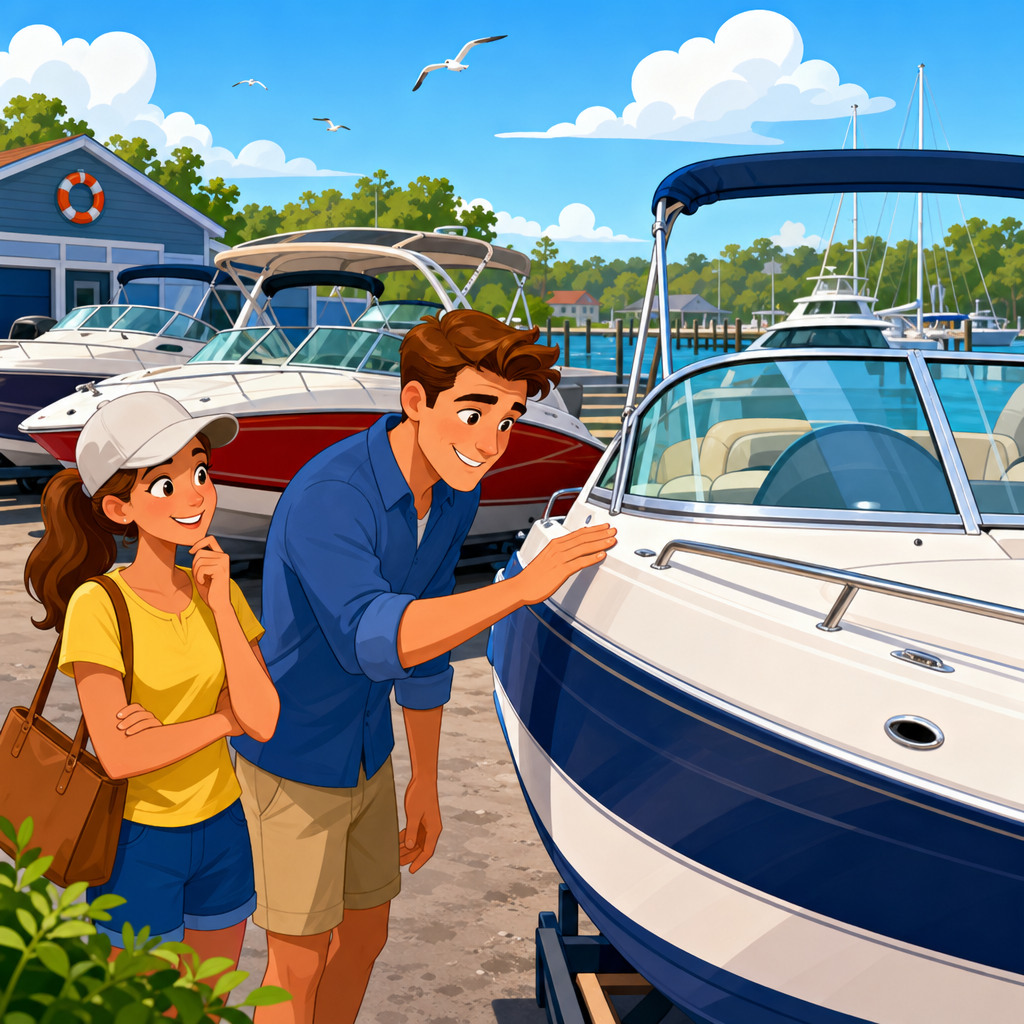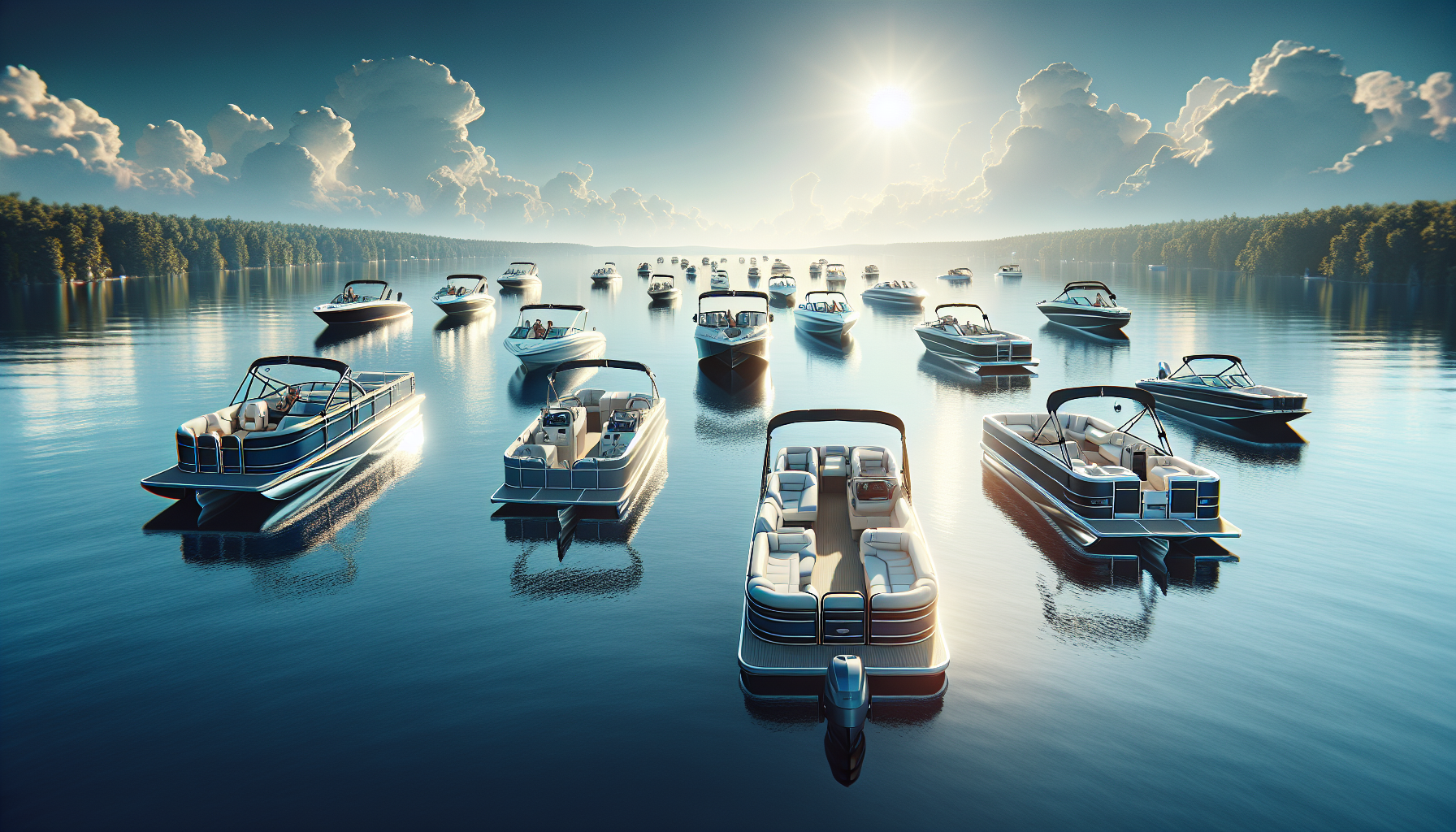
Buying your first boat in 2026 is easier than it was a decade ago, but choosing the best boats for first-time owners still requires careful judgment about size, propulsion, maintenance, storage, and how you actually plan to use the watercraft. A first-time owner usually means someone handling purchase, docking, trailering, cleaning, safety gear, and seasonal upkeep without years of marine experience, so the right boat is not simply the cheapest or the flashiest model. It is the boat that matches your local waterways, your vehicle’s towing capacity, your budget after insurance and fuel, and your confidence at the helm. After helping new owners compare entry-level center consoles, pontoons, bowriders, and small cuddy cabins, I have seen the same pattern repeatedly: people are happiest when they buy slightly less boat than they first imagined and slightly more quality than they first budgeted. In practical terms, that means prioritizing stability, predictable handling, straightforward systems, and strong dealer support over premium electronics or oversized engines. In 2026, the market offers more beginner-friendly choices than ever, including efficient outboards, modular seating, easier digital switching, and financing options tailored to trailerable family boats. The challenge is filtering marketing claims into a decision grounded in ownership reality. This guide explains what makes a boat beginner-friendly, which categories work best, and which tradeoffs matter most so you can buy confidently and spend more time boating instead of troubleshooting.
Don’t forget to check out our 2025 Best Boats for First-Time Owners!
What makes a boat ideal for a first-time owner
The best beginner boat is easy to launch, forgiving in low-speed maneuvers, economical to maintain, and versatile enough to support the activities you will actually do on most weekends. For many buyers, that means staying between 16 and 24 feet, using an outboard or a simple sterndrive setup, and choosing layouts with open visibility from the helm. Visibility matters because docking anxiety is one of the fastest ways to turn excitement into stress. A captain who can see corners, fenders, swimmers, and approaching traffic will learn faster and make fewer expensive mistakes.
Hull design also matters. A moderate-V hull offers a useful balance for many first-time owners because it softens small chop without making the boat feel tippy at rest. Flat-bottomed or tri-toon designs provide excellent stability for relaxed cruising and entertaining, while deeper-V designs reward experienced operators in rougher water but can feel less planted when people move around onboard. I usually advise first-time buyers to rank stability, storage access, and dealer service above top speed. A boat that starts reliably, planes efficiently, and has clearly labeled systems will deliver a better first season than a high-performance model with complex components and tight engine access.
Ownership costs deserve equal attention. Beyond sticker price, budget for registration, safety equipment, mooring or storage, tow vehicle requirements, routine service, winterization where applicable, and depreciation. According to National Marine Manufacturers Association trends, many first-time buyers continue to favor trailerable boats because home storage can save thousands annually compared with marina slips in high-demand coastal markets. That storage flexibility also makes it easier to explore lakes, bays, and rivers without committing to one marina. If you are new to boating, flexibility reduces risk and keeps the learning curve manageable.
Top boat types for beginners in 2026
For most first-time owners in 2026, four categories stand out: pontoon boats, center consoles, bowriders, and compact cuddy cabins. Each serves a different use case, and the best choice depends on your water, passengers, and tolerance for maintenance complexity. Pontoons are excellent for inland lakes and calm water because they are stable, spacious, and unintimidating. Newer tri-toon models with 150 to 250 horsepower can tow tubes and cruise confidently while still offering family-friendly boarding and seating.
Center consoles remain one of the smartest first-boat purchases for coastal use, inshore fishing, sandbar trips, and easy washdown. Their self-bailing decks, simple layouts, and outboard access make them easier to clean and maintain than many runabouts. A 19- to 22-foot center console from brands such as Boston Whaler, Key West, Robalo, or Yamaha can work remarkably well for mixed family and fishing use. Bowriders are often the best fit for freshwater families who value watersports, day cruising, and comfort. Brands like Sea Ray, Bayliner, Chaparral, and Four Winns have refined beginner-friendly models with intuitive helm layouts and convertible seating.
Compact cuddy cabins deserve consideration if you want occasional overnight capability and weather protection without stepping into the cost and complexity of a larger cruiser. However, they demand more attention to ventilation, systems checks, and cleaning. In my experience, many beginners think they need overnight capability but rarely use it. If ninety percent of your boating will be afternoon cruising, swimming, and towing kids on a tube, a bowrider or pontoon usually delivers better value and simpler ownership.
| Boat type | Best use | Beginner advantage | Main limitation |
|---|---|---|---|
| Pontoon | Lake cruising, entertaining, tubing | High stability, easy boarding, roomy layout | Less capable in rough offshore conditions |
| Center console | Inshore fishing, bays, sandbars, coastal day trips | Simple cleanup, all-around deck access, durable design | Less weather protection and lounge seating |
| Bowrider | Watersports, family cruising, lakes and rivers | Comfortable seating, intuitive layout, strong versatility | Cockpit upholstery demands regular care |
| Compact cuddy cabin | Day cruising with occasional overnight use | Shelter, storage, more privacy | More systems and higher maintenance burden |
Why pontoons and bowriders dominate first purchases
Pontoons and bowriders dominate first-boat shopping lists because they solve the biggest beginner problems: comfort, confidence, and versatility. A pontoon’s deck feels familiar to non-boaters. Grandparents can board more safely, kids have space to move, and new captains appreciate the predictable feel around the dock. In 2026, manufacturers continue to improve handling through better lifting strakes, underskin packages, and hydraulic steering, so modern tri-toons no longer feel like purely slow cruising platforms. On many lakes, a 22-foot tri-toon with a 150-horsepower outboard is an ideal first family boat because it balances fuel use, towing ability, and social space.
Bowriders win on all-around recreation. They tow wakeboards and tubes well, provide wraparound seating, and usually trailer easily. The category also offers a wide used market, which matters because first-time buyers often benefit from avoiding first-owner depreciation. If you buy a well-maintained three- to five-year-old bowrider with service records, you may get a more reliable ownership experience than buying the cheapest new model with minimal features. Look for stainless hardware, quality trailer construction, simple access to the battery switch and bilge pump, and enough freeboard for the waters you run.
That said, both categories have tradeoffs. Pontoons can be more vulnerable to wind at low speed, which makes docking trickier for absolute beginners in breezy marinas. Bowriders, especially sterndrive models, require disciplined cleaning and winterization. Upholstery, snap-in flooring, and storage compartments all need attention after every outing. If you are realistic about those tasks, both styles can be outstanding choices. If you know cleanup discipline is not your strength, a simpler center console may be the smarter purchase.
Engine choice, size, and maintenance realities
For first-time owners, engine choice should be guided by service simplicity and local dealer support, not bragging rights. In most cases, modern outboards are the best option in 2026 because they are easier to service, easier to winterize, and easier to replace than sterndrives or inboards. Outboards also free up cockpit and storage space while reducing some corrosion concerns associated with complex bilge-mounted drivetrains. Yamaha, Mercury, Suzuki, and Honda all maintain strong reputations, but dealer quality matters as much as brand reputation. A good dealer shortens downtime, improves warranty outcomes, and helps new owners understand service intervals.
Do not over-engine or under-engine your boat. Underpowering can be just as frustrating as overpaying for maximum horsepower because a sluggish boat struggles to plane with passengers and gear. Conversely, maximum horsepower often increases insurance, fuel burn, and purchase cost without improving your actual day-to-day enjoyment. A useful target is the mid-to-upper part of the manufacturer’s recommended horsepower range. That usually gives enough performance for safe planing, tubing, and reserve power in changing conditions without turning the boat into a maintenance-heavy toy.
Routine maintenance is where many first-time owners either settle into boating successfully or become overwhelmed. Learn the service schedule for engine oil, lower unit gear lube, impellers, filters, battery testing, trailer bearings, and brake inspection. Flush after saltwater use, inspect bilge pumps monthly, and replace aging life jackets and flares on schedule. The U.S. Coast Guard boating safety framework is clear: equipment readiness is part of seamanship, not an optional extra. Owners who build a simple post-trip routine usually enjoy boating more because small problems get solved before they become canceled weekends.
How to choose the right first boat for your lifestyle
Start with where you will boat most often. A protected inland lake points toward pontoons and bowriders. Tidal creeks, bays, and inshore coastal water often favor center consoles with self-bailing decks and corrosion-resistant hardware. Then define your top two activities. If fishing is first and family cruising is second, a center console likely fits. If entertaining is first and tubing is second, a pontoon makes more sense. If watersports and all-day seating are your priorities, a bowrider is difficult to beat.
Next, write down practical limits: total budget, monthly payment ceiling, towing capacity, garage or side-yard storage length, and local launch conditions. I have watched buyers fall in love with 25-foot boats only to discover their SUV cannot safely tow them or their neighborhood prohibits outdoor storage. The best boats for first-time owners are manageable before, during, and after the day on the water. If launching at a busy public ramp will be part of your routine, choose a setup you can retrieve calmly in wind and current. Confidence at the ramp is part of ownership satisfaction.
Finally, sea trial before you buy. Test acceleration, visibility, noise levels, seat support, liveability at rest, and docking manners. Open every hatch. Ask to see battery access, bilge layout, pumps, and fuse panels. Bring the people who will use the boat most often. Their reactions matter because family resistance can quietly undermine an otherwise rational purchase. The right first boat should feel understandable within minutes, not like a machine you need to decode.
Best buying strategy in 2026 and common mistakes to avoid
The smartest buying strategy in 2026 is to prioritize condition, support, and suitability over novelty. New boats offer warranties and updated technology, but late-model used boats often provide better value, especially when the previous owner already absorbed initial depreciation and included extras such as covers, electronics, lines, and trailer upgrades. Ask for maintenance records, compression checks where appropriate, service invoices, and clear title documentation. For outboards, verify engine hours through diagnostic reports rather than relying on verbal estimates.
Common mistakes are predictable. First, buyers choose based on one aspirational use case, such as offshore runs or overnight trips, even though most outings will be short local cruises. Second, they ignore storage and cleanup realities. Third, they underestimate the importance of a quality trailer, which is not an accessory but a critical ownership component. Fourth, they skip a marine survey on used boats where a survey would reveal moisture intrusion, transom issues, or neglected systems. Fifth, they buy from a weak dealer network and then struggle with parts and service during peak season.
Take a boating safety course before delivery, not after your first scare. Practice docking with fenders out on a quiet weekday. Keep a written checklist for launch and retrieval. Those simple habits accelerate competence and protect your investment. The best boat for a first-time owner is the one that gets used often, maintained properly, and operated confidently. Choose a stable, trailerable, well-supported model in the right size, and your first season will teach skills instead of expensive lessons. Start by comparing pontoons, bowriders, and center consoles from reputable brands, then book sea trials and buy the boat that matches your real weekends.
Frequently Asked Questions
What type of boat is usually best for a first-time owner in 2026?
For most first-time owners in 2026, the best choice is a simple, versatile boat that is easy to trailer, easy to dock, and not overly demanding to maintain. That usually means a small to mid-size bowrider, center console, pontoon, or modest deck boat rather than a large cabin cruiser or a specialized offshore fishing boat. New owners often do best with boats in a manageable size range because they are easier to launch, store, clean, and operate without a steep learning curve. A beginner-friendly boat should also match how you actually plan to spend time on the water. If your main goal is family cruising on lakes, a pontoon or bowrider often makes more sense than a high-performance runabout. If you want casual fishing plus general recreation, a center console can be a strong first purchase because it balances simplicity with utility.
The key is to think beyond the showroom appeal. A first boat needs to fit your experience level, towing vehicle, local waterways, and comfort with routine upkeep. In 2026, many entry-level and midrange boats also come with better helm technology, more efficient outboards, and improved safety features, which can make ownership easier for beginners. Even so, the smartest first purchase is usually not the biggest boat your budget allows. It is the boat you can confidently operate, afford to maintain, and use often. A manageable boat that gets used every weekend is a far better first ownership experience than a larger, more expensive model that feels intimidating every time you leave the dock.
How big should a first boat be for a new owner?
A good rule for first-time owners is to stay as small as practical while still meeting your needs for passenger space, comfort, and intended activities. In many cases, that points buyers toward boats under about 24 feet, especially if they plan to trailer and launch the boat themselves. Smaller boats are generally easier to maneuver around ramps, fuel docks, and marinas, and they usually cost less to store, insure, clean, and maintain. They also reduce the stress that many first-time owners feel when learning how wind, current, and throttle response affect handling in close quarters.
That does not mean the smallest possible boat is always best. A boat still has to be large enough for the waters you use and the number of people you regularly bring aboard. If you boat on small inland lakes with two to four people, a compact bowrider, aluminum fishing boat, or small pontoon may be ideal. If you expect to carry larger groups on calm water, a mid-size pontoon could make more sense. If you plan to run in bays or coastal inshore areas, you may want a slightly larger hull with a more seaworthy design. The right size is where usability, comfort, and owner confidence intersect. First-time buyers often make the best decisions when they choose a boat that feels easy to control and realistic to maintain, not one purchased mainly for occasional maximum-capacity outings.
Is an outboard, inboard, or sterndrive better for a first-time boat owner?
For many first-time owners, an outboard-powered boat is the easiest and most practical option. Outboards are popular because they are comparatively straightforward, widely serviced, efficient in many applications, and easier to access for inspection and maintenance. They also free up interior space in many boat layouts and are common across beginner-friendly categories such as center consoles, pontoons, and many smaller recreational boats. In 2026, modern outboards are especially appealing to new owners because they are quieter, more fuel-efficient, and often integrated with user-friendly digital controls and diagnostics.
Sterndrives can still be a good fit in certain runabout and bowrider designs, but they tend to introduce more complexity than many beginners want, especially when it comes to long-term maintenance and winterization. Inboards are common in wake boats and certain cruisers, and while they can be excellent for specific uses, they are usually not the most forgiving choice for a new owner who wants broad versatility and simpler upkeep. The best propulsion system depends on your boating style, your service access, and whether you boat in freshwater or saltwater. For a first purchase, many buyers benefit from prioritizing simplicity, ease of maintenance, and strong dealer support over performance features they may not fully use in the first few seasons.
What ownership costs should first-time boat buyers plan for besides the purchase price?
One of the biggest mistakes new owners make is focusing too heavily on sticker price and not enough on total cost of ownership. Beyond the purchase itself, first-time buyers should budget for insurance, registration, taxes, fuel, routine engine service, cleaning supplies, safety equipment, storage, trailer maintenance, and seasonal winterization if they live in a cold climate. If the boat will stay at a marina, dockage or slip fees can become a major recurring expense. If it will be trailered, the owner needs to think about trailer tires, bearings, brakes, lights, and whether their vehicle is properly equipped to tow the package safely.
There are also practical annual costs that can surprise beginners, including battery replacement, detailing, bottom cleaning or antifouling in certain waters, electronics updates, covers, life jackets sized for guests, and emergency gear. Even small boats require consistent care if you want reliability and resale value. That is why the best boats for first-time owners are often those with modest systems and fewer onboard complications. Simpler boats typically mean fewer repair bills, less downtime, and less stress. A smart buyer in 2026 should build a realistic budget not just for buying the boat, but for operating it comfortably and responsibly through an entire season.
How can a first-time owner choose a boat that will be easy to use and not overwhelming?
The best way to avoid buyer’s remorse is to choose a boat based on your real-world habits, not your imagined future lifestyle. Start by identifying where you will boat most often, how many people usually come with you, and what activities matter most, such as cruising, sandbar outings, light fishing, towing watersports, or quiet sunset rides. Then narrow your options to models that are known for simple operation, practical layouts, and manageable maintenance. For first-time owners, ease of boarding, visibility from the helm, straightforward controls, and uncluttered deck space all matter more than flashy upgrades that add cost and complexity.
It is also wise to consider storage and logistics before you buy. Ask yourself whether you have room to store the boat at home, whether your vehicle can tow it safely, and whether you are comfortable launching and retrieving it. If not, a marina-kept boat may make sense, but that changes your cost structure. New owners should also evaluate dealer reputation, service availability, warranty support, and local boating conditions. A boat that is technically affordable but difficult to service or intimidating to handle is rarely the right first purchase. In 2026, the best boats for beginners are the ones that reduce friction at every step of ownership, from trailering and docking to cleaning and seasonal upkeep. The more approachable the boat feels, the more likely you are to enjoy boating, build confidence, and stay in the lifestyle long term.