The best bareboat charter destinations in the world combine dependable wind, manageable navigation, safe anchorages, and shoreside culture that rewards every stop. A bareboat charter means renting a sailing yacht or catamaran without a professional skipper or crew, so the charter party assumes responsibility for passage planning, boat handling, provisioning, customs compliance, and daily operations. That independence is exactly why destination choice matters so much. In my experience planning charter itineraries for mixed-skill crews, the right cruising ground can turn a good holiday into a confident, repeatable sailing habit, while the wrong one can magnify fatigue, weather anxiety, and marina stress.
For travelers researching the best sailing and yacht charter destinations, the core questions are consistent: where are the easiest places to charter, which regions suit first-time bareboaters, where do experienced skippers find rewarding passages, and what time of year offers the best conditions. The strongest answers sit at the intersection of seamanship and travel value. You need clear pilotage, reliable charter fleets, practical base logistics, and enough variety in bays, towns, and day sails to justify a full week or longer. You also need realistic expectations. A destination can be beautiful and still be a poor bareboat choice if mooring is scarce, weather windows are short, or local regulations are complex.
This hub article covers the leading charter regions worldwide and explains what each does best. It also clarifies the tradeoffs between islands with line-of-sight navigation, open-water archipelagos that demand advanced planning, and tidal or meltemi-driven areas that punish weak preparation. Used well, this guide helps you narrow a shortlist, match a destination to crew skill, and identify the best follow-up articles for route planning, provisioning, seasonal timing, and charter company selection within the broader Boating Destinations & Travel topic.
British Virgin Islands: the benchmark for easy bareboat sailing
The British Virgin Islands remain the reference point for first-time bareboat charters because they deliver short passages, straightforward line-of-sight navigation, plentiful mooring fields, and a mature charter ecosystem centered on Tortola. Most daily legs are under 15 nautical miles, the water is warm, and the island chain creates protection that reduces swell compared with more exposed destinations. For crews still refining anchoring, reefing routines, and dinghy logistics, that reduced complexity matters more than postcard scenery alone.
Typical one-week BVI routes include Norman Island, Cooper Island, Virgin Gorda, Anegada, and Jost Van Dyke. Each stop teaches a useful charter lesson: busy mooring pickup in The Bight, marina approach and baths excursion logistics at Virgin Gorda, weather assessment for the reach to Anegada, and timing arrivals for mooring availability at White Bay or Great Harbour. In practice, the BVI succeeds because it offers enough challenge to build confidence without demanding ocean-passage mindset. The main limitation is cost. Mooring fees, cruising taxes, and provisioning are rarely cheap, and hurricane season affects summer and autumn planning.
Croatia: historic harbors, island density, and strong charter infrastructure
Croatia is one of the best yacht charter destinations in Europe because the Adriatic combines clear pilotage, hundreds of islands, and one of the world’s deepest charter fleets. Split, Trogir, Dubrovnik, and Zadar serve as major charter bases, with routes through Hvar, Brač, Vis, Korčula, and the Kornati archipelago. In settled summer weather, crews can build attractive itineraries with moderate day sails and reliable marina access. Shoreside appeal is unusually strong: Venetian town centers, protected national parks, and excellent provisioning create a sailing holiday that also works for non-sailor family members.
Croatia is not automatically easy, however. The bora can arrive hard from the northeast, creating steep seas and hazardous harbor approaches, while the jugo can build uncomfortable southerly conditions. Marina and town quay costs in peak season are significant, and popular harbors can be full by afternoon. I advise skippers to treat Croatia as a place where berth strategy is as important as route strategy. Call ahead, use reservation systems where possible, and know your fallback anchorages. For crews who want variety, strong logistics, and culture every evening, Croatia is exceptionally hard to beat.
Greece: unmatched scale for classic island-hopping
Greece offers the broadest range of bareboat charter styles in the Mediterranean. The Saronic Gulf is ideal for less experienced crews because islands such as Aegina, Poros, Hydra, and Spetses sit within manageable distances of Athens-area charter bases, and the sea state is often milder than in the Cyclades. The Ionian, launching from Lefkas, Corfu, or Preveza, is another leading option for easy summer sailing thanks to lighter morning winds, stronger afternoon breezes, and abundant anchorages among Kefalonia, Ithaca, Meganisi, Paxos, and Zakynthos.
The Cyclades are where Greece becomes a more advanced bareboat proposition. The meltemi, strongest from June through September, can blow forcefully and persistently, especially between islands where acceleration zones amplify pressure and seas build quickly. Santorini, Mykonos, Paros, and Naxos are spectacular, but they demand conservative planning and a crew comfortable with reefed sailing, ferry wash, and crowded ports. Greece rewards skippers who understand regional weather rather than treating the country as one uniform cruising ground. That variety is its great advantage: almost any skill level can find a suitable Greek itinerary if the base and season are chosen carefully.
Thailand and Southeast Asia: limestone scenery with tidal awareness
Thailand’s Phuket and Krabi region is one of the most visually dramatic bareboat charter destinations in the world. Phang Nga Bay’s limestone karsts, the Phi Phi Islands, Koh Yao Yai, Koh Lanta, and the outer Andaman islands create a cruising area that feels cinematic from the cockpit. Warm water, excellent food, and relatively affordable shoreside costs add to the appeal. For many crews, Thailand is also their first charter destination outside Europe or the Caribbean, which makes local briefings and chart familiarity especially important.
The major operational factor is tide. Unlike the BVI, where tidal range is modest, parts of Thailand demand close attention to depth, current, and anchoring room, particularly in shallow bays and channels. Seasonal planning matters too. The northeast monsoon generally brings the most favorable west-coast charter conditions from roughly November to April, while the southwest monsoon can make exposed anchorages uncomfortable or impractical. Crews who respect those constraints are rewarded with exceptional scenery and memorable stopovers, from floating villages to beach clubs and national park anchorages.
| Destination | Best For | Typical Conditions | Main Challenge |
|---|---|---|---|
| British Virgin Islands | First-time bareboat crews | Short passages, protected waters, easy pilotage | High peak-season costs |
| Croatia | Culture-rich island hopping | Warm summer sailing, dense marina network | Berth scarcity and bora events |
| Greece | Range from easy to advanced itineraries | Ionian light-moderate breezes; Cyclades stronger winds | Meltemi and busy harbors |
| Thailand | Scenic tropical cruising | Warm water, seasonal monsoon windows | Tides and weather seasonality |
| French Polynesia | Experienced crews seeking remote beauty | Lagoon sailing with reef passes | Pass navigation and distance logistics |
French Polynesia: lagoon cruising with serious planning requirements
French Polynesia, especially Raiatea, Tahaa, Bora Bora, and Huahine in the Society Islands, is often marketed as idyllic bareboat sailing, and visually that is true. Inside the lagoons, water colors are extraordinary, anchorages can be stunningly calm, and motu beaches feel remote in a way few charter grounds can match. But this is not a destination to underestimate. Reef passes, coral heads, rapidly changing squalls, and longer logistical chains for spare parts and provisioning demand disciplined skipper judgment.
Experienced crews do very well here because the challenge is not relentless heavy-weather sailing but precision. You need current pass information, vigilant eyeball navigation in good light, and conservative timing for arrivals. Many charter operators in Polynesia provide route restrictions or strong recommendations based on weather and certification, and those should be treated as operational limits, not suggestions. For sailors who already know how their crew functions under pressure, French Polynesia offers one of the most rewarding combinations of blue-water atmosphere and protected-lagoon cruising anywhere on earth.
Seychelles: granite islands, trade winds, and premium chartering
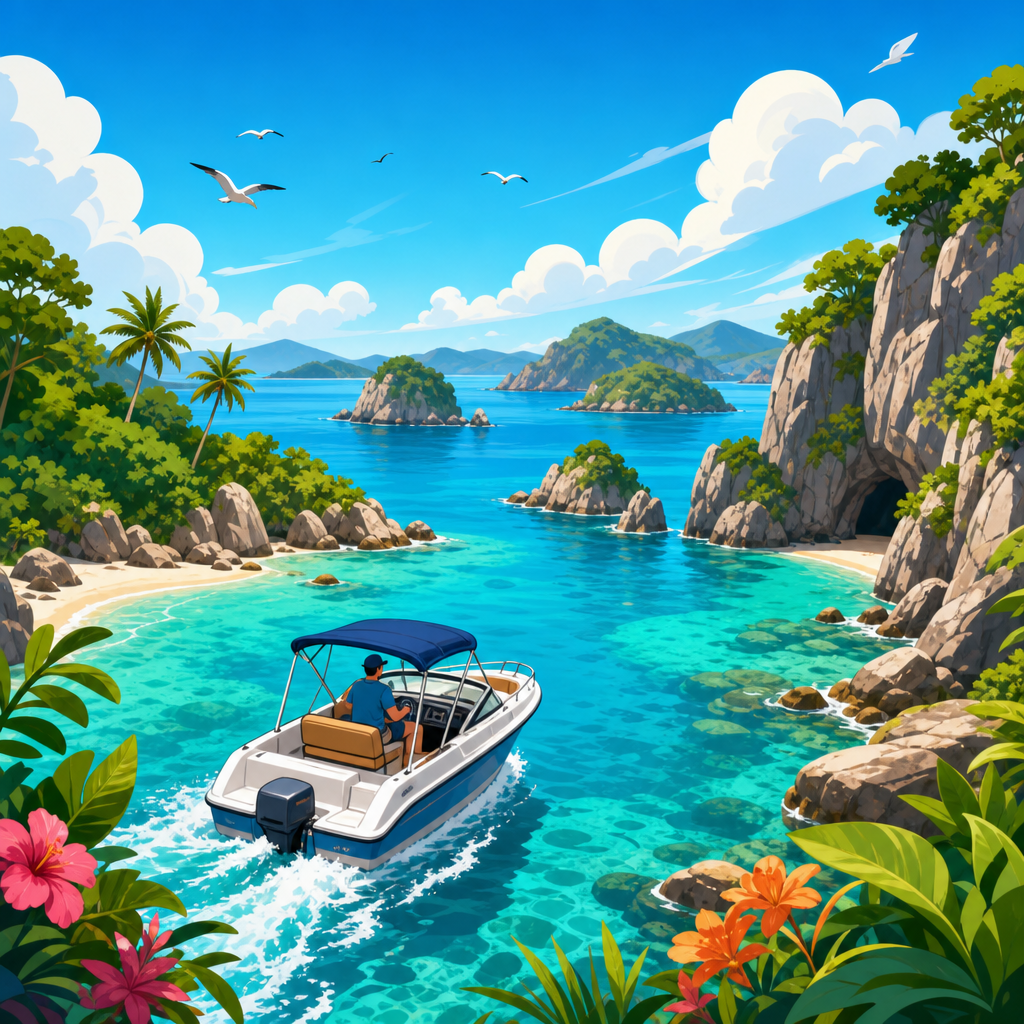
The Seychelles are a standout Indian Ocean charter destination, usually operating from Mahé with routes toward Praslin, La Digue, Curieuse, and the inner islands. The sailing is memorable because the landscape is distinctive: granite boulders, white beaches, and clear water framed by trade-wind passages. Distances are manageable for a one-week charter, but the area feels more open and oceanic than the Caribbean’s tightly packed island groups. That sense of space appeals to sailors who want tropical conditions without the crowded mooring-field character of some better-known destinations.
The tradeoff is that Seychelles charters are rarely budget-friendly, and swell exposure can affect anchorage comfort even when winds are moderate. Seasonal transitions should be reviewed closely, especially if your crew is sensitive to motion at anchor. I have found Seychelles particularly good for crews graduating from easy Mediterranean charters toward more open tropical sailing. It is not extreme, but it rewards stronger passage planning, disciplined anchoring, and realistic expectations about provisioning and vessel wear in a remote island environment.
Whitsundays, Australia: protected passages with reef access
The Whitsundays are among the best bareboat charter destinations in the Southern Hemisphere because they combine island cruising with access to the Great Barrier Reef system. Departures usually begin from Airlie Beach or Hamilton Island, with itineraries around Hook Island, Whitehaven Beach, Hamilton, and selected reef moorings depending on charter duration and weather. The cruising ground benefits from island protection, making many passages accessible to families and mixed-experience groups, yet still scenic enough to satisfy sailors who want more than short hops between marinas.
What makes the Whitsundays distinctive is environmental management. Marine park zoning, reef protection rules, public moorings, and anchoring restrictions require skippers to read the briefing carefully and operate precisely. Stinger season also affects swimming practices in warmer months, and distances to outer reef sites can push crews beyond casual holiday decision-making. Still, for sailors wanting charter freedom in a highly regulated but magnificent natural setting, the Whitsundays deliver a compelling balance of safety, beauty, and seamanship.
How to choose the right bareboat charter destination
The best sailing destination is not the prettiest one; it is the one that fits your skipper credentials, crew temperament, and tolerance for uncertainty. Start with wind strength and sea state, then evaluate navigation style. Line-of-sight cruising in the BVI or Saronic Gulf suits newer crews. Areas with stronger seasonal systems, such as the Cyclades or some Indian Ocean routes, require practiced sail reduction, harbor approach planning, and comfort with changing forecasts. Next, assess infrastructure. A destination with good charter maintenance, marina support, fuel docks, and provisioning can absorb mistakes that become trip-ending problems in remote regions.
Also consider what your crew actually wants. If restaurants, walkable towns, and heritage matter, Croatia and Greece usually outperform more remote tropical itineraries. If snorkeling, beaches, and warm-water swimming dominate priorities, the BVI, Thailand, Seychelles, and Polynesia rise quickly. Finally, match season to school schedules and storm patterns, not just airfare. Hurricane risk in the Caribbean, monsoon timing in Asia, and regional wind systems in the Mediterranean all shape whether a destination feels forgiving or punishing. Choosing well is less about chasing a famous name and more about aligning conditions with competence.
Building your charter research plan from this hub
As a hub within Best Sailing & Yacht Charter Destinations, this guide should help you build a practical research sequence. First, shortlist two or three regions by skill level and preferred climate. Second, compare charter bases, route lengths, and transportation logistics. Third, review destination-specific articles on seasonal weather, one-week itineraries, family-friendly routes, and provisioning strategy. Fourth, examine operator reputation, insurance terms, security deposits, and certification requirements. The strongest charter decisions are made in that order, because a beautiful route is irrelevant if flights, marina check-in times, or licensing rules make it unworkable.
The world’s best bareboat charter destinations all deliver freedom, but they do not deliver it in the same way. The BVI excels at simplicity. Croatia and Greece combine sailing with world-class shoreside culture. Thailand offers tropical drama with tides and monsoon planning. French Polynesia and the Seychelles reward experienced crews seeking remoteness and visual impact. The Whitsundays pair accessible island cruising with serious environmental stewardship. Use this hub to identify your fit, then move deeper into itinerary and season guides before booking. A well-matched destination makes every other charter decision easier, safer, and far more enjoyable. Start with your crew’s real ability, choose conservatively, and sail somewhere that lets confidence grow day by day.
Frequently Asked Questions
What makes a destination ideal for a bareboat charter?
The best bareboat charter destinations strike a balance between sailing enjoyment, practical seamanship, and ease of logistics. For most crews, that means steady weather patterns, line-of-sight navigation, protected anchorages, reliable marina infrastructure, and enough charter support nearby to solve problems quickly if something goes wrong. A great destination is not just beautiful on a brochure. It should also reduce unnecessary stress for the skipper and crew by offering predictable conditions, straightforward pilotage, and manageable daily passages.
Wind consistency is one of the biggest factors. Places with dependable seasonal trade winds or stable summer breezes let you plan confidently, rather than constantly second-guessing route choices. Water conditions matter just as much. Short, protected hops between islands or harbors are usually more forgiving than long offshore passages, especially for mixed-experience crews. Good charting, clear marks, and limited tidal complexity can also make a destination much more suitable for bareboating.
Beyond the sailing itself, the strongest destinations offer rewarding shoreside experiences. That includes provisioning options, customs convenience, waterfront restaurants, beach bars, hiking, cultural sites, and towns that are worth exploring rather than simply passing through. The British Virgin Islands, Croatia, the Ionian in Greece, the Seychelles, and parts of the Whitsundays are often considered top bareboat regions because they combine scenic sailing with well-developed charter ecosystems. In short, the ideal destination is one where the cruising rhythm feels natural: sail a manageable leg, anchor securely, go ashore easily, and enjoy every stop without turning the trip into a constant problem-solving exercise.
Which destinations are considered the best in the world for bareboat charters?
Several destinations consistently rank at the top, but the “best” choice depends on the type of trip you want. The British Virgin Islands are often the default recommendation for first-time bareboat charterers because they are exceptionally user-friendly. Distances are short, navigation is generally straightforward, anchorages are plentiful, and the charter industry is highly developed. You can cover a lot of ground without feeling rushed, and the social side of cruising is excellent, with beach clubs, snorkeling stops, and lively harbors.
Croatia is another world-class option, especially for crews who want a blend of island-hopping, historic towns, and solid marina infrastructure. The Dalmatian Coast offers hundreds of islands, attractive ports, and a sailing culture built around orderly marina networks and well-served charter bases. Summer weather is usually favorable, although crews should still watch for local wind events such as the bora and jugo. It is particularly appealing for sailors who enjoy mixing time under sail with evenings in vibrant waterfront towns.
Greece offers multiple charter personalities depending on the region. The Ionian is generally gentler and more accessible, making it a favorite for relaxed bareboat cruising. The Cyclades are more demanding, with stronger meltemi winds and more exposed conditions, so they are better suited to experienced skippers. The Seychelles deliver a more tropical, remote feel, with granite islands, warm water, and memorable anchorages, while the Whitsundays in Australia stand out for protected cruising, reef access, and dramatic scenery. For experienced crews, parts of the Caribbean beyond the BVI, such as St. Martin and the Grenadines, can also be superb. Each of these destinations earns its reputation by combining navigational interest, good charter support, and a cruising experience that feels richer than simply moving from one marina to the next.
How do I choose the right bareboat destination for my crew’s experience level?
Start by being honest about the least experienced decision-maker on board, not just the most confident sailor. Many charter groups include one qualified skipper and several friends or family members with limited sailing time. In that situation, the destination should support the whole crew’s comfort and safety. If you are managing docking, weather, anchoring, route planning, and local rules yourself, every additional challenge compounds quickly. The smartest destination is usually the one that leaves enough margin for weather changes, fatigue, and small mistakes.
For newer skippers or casual holiday crews, look for short sailing distances, good protection from ocean swell, uncomplicated customs procedures, and easy access to mooring fields or marinas. The BVI is the classic example, and the Ionian Islands also fit this profile well in the right season. These destinations allow crews to build confidence while still enjoying excellent scenery and plenty of variety. If your group is comfortable with anchoring, line handling, and basic pilotage but not eager for aggressive conditions, Croatia and the Whitsundays can be excellent middle-ground choices.
More advanced crews can expand into destinations with stronger winds, more exposed passages, denser traffic, trickier docking, or more complex local weather systems. Areas such as the Cyclades, the Grenadines, or certain parts of the western Mediterranean can be incredibly rewarding, but they demand better sail handling, more disciplined planning, and a greater tolerance for changing conditions. It is also wise to consider non-sailing variables such as jet lag, language barriers, provisioning complexity, and whether your crew prefers nightlife, quiet coves, diving, or cultural exploration. A destination is “right” when its demands match your operational ability and its rewards match the trip your crew actually wants to have.
What qualifications and practical responsibilities come with a bareboat charter?
A bareboat charter means you are effectively taking temporary command of the vessel, so the responsibilities are much broader than many first-time charterers expect. The charter company is providing the yacht, but not the professional crew. That means the skipper and charter party are responsible for boat handling, navigation, weather decisions, anchoring or mooring, fueling, water management, electrical use, provisioning, and compliance with local regulations. In international cruising grounds, that can also include customs and immigration procedures, port formalities, and understanding local anchoring rules or marine park requirements.
Qualification requirements vary by country and charter company. Some destinations require formal certifications such as an ICC, RYA Day Skipper, ASA credentials, or a recognized national equivalent. Others are more flexible and instead evaluate your sailing resume, including recent experience as skipper on similar-sized monohulls or catamarans. Even where formal paperwork is not strictly mandatory, charter companies still want evidence that the designated skipper can safely manage the yacht in the expected conditions. A separate crew member may also need to demonstrate competence as first mate or co-skipper.
Practically speaking, the job begins before you ever leave the dock. You need to review charts, inspect the yacht thoroughly, understand the engine and systems, check safety gear, confirm the dinghy and outboard setup, and make a realistic itinerary rather than an ambitious one. During the charter, you are responsible for making conservative weather calls, briefing the crew, protecting the boat from avoidable damage, and adjusting plans when conditions change. That autonomy is exactly what makes bareboating so appealing, but it also means destination choice matters enormously. A skipper in a forgiving cruising ground can focus on enjoying the trip; a skipper in a demanding one may spend the entire week managing risk and logistics.
When is the best time of year to book a bareboat charter in top destinations?
The best time depends on the destination’s wind season, storm risk, local tourism peaks, and what kind of experience you want on the water and ashore. In the Caribbean, the prime season generally runs from December through April, when the trade winds are reliable and the risk of tropical weather is lower than during hurricane season. This is when destinations such as the British Virgin Islands are at their most popular, with lively anchorages, warm water, and strong charter availability. The trade-off is higher pricing and the need to book early for the best boats.
In the Mediterranean, the main bareboat season typically runs from late spring through early autumn, with June and September often hitting the sweet spot. You usually get warm weather, decent sailing conditions, and fewer crowds than in the peak of July and August. Croatia and the Ionian Islands are especially attractive in these shoulder months because the water is warm enough for swimming, marinas are still active, and the shoreside experience feels less congested. August can be fantastic, but it also brings heavier traffic, hotter temperatures, and stronger pressure on berths and anchorages.
Other destinations have their own ideal windows. The Seychelles are often best in the transitional periods around the trade wind shifts, when conditions can be calmer for inter-island cruising. The Whitsundays are generally favored during the Australian dry season, when temperatures are comfortable and weather patterns are more stable. If your schedule is flexible, avoid choosing dates based only on airfare or vacation calendars. Instead, align your charter with the local sailing season, your crew’s experience, and your tolerance for heat, crowds, and stronger winds. The difference between a well-timed charter and a poorly timed one is often the difference between a relaxed, memorable cruise and a week spent continually adapting to conditions you could have avoided.