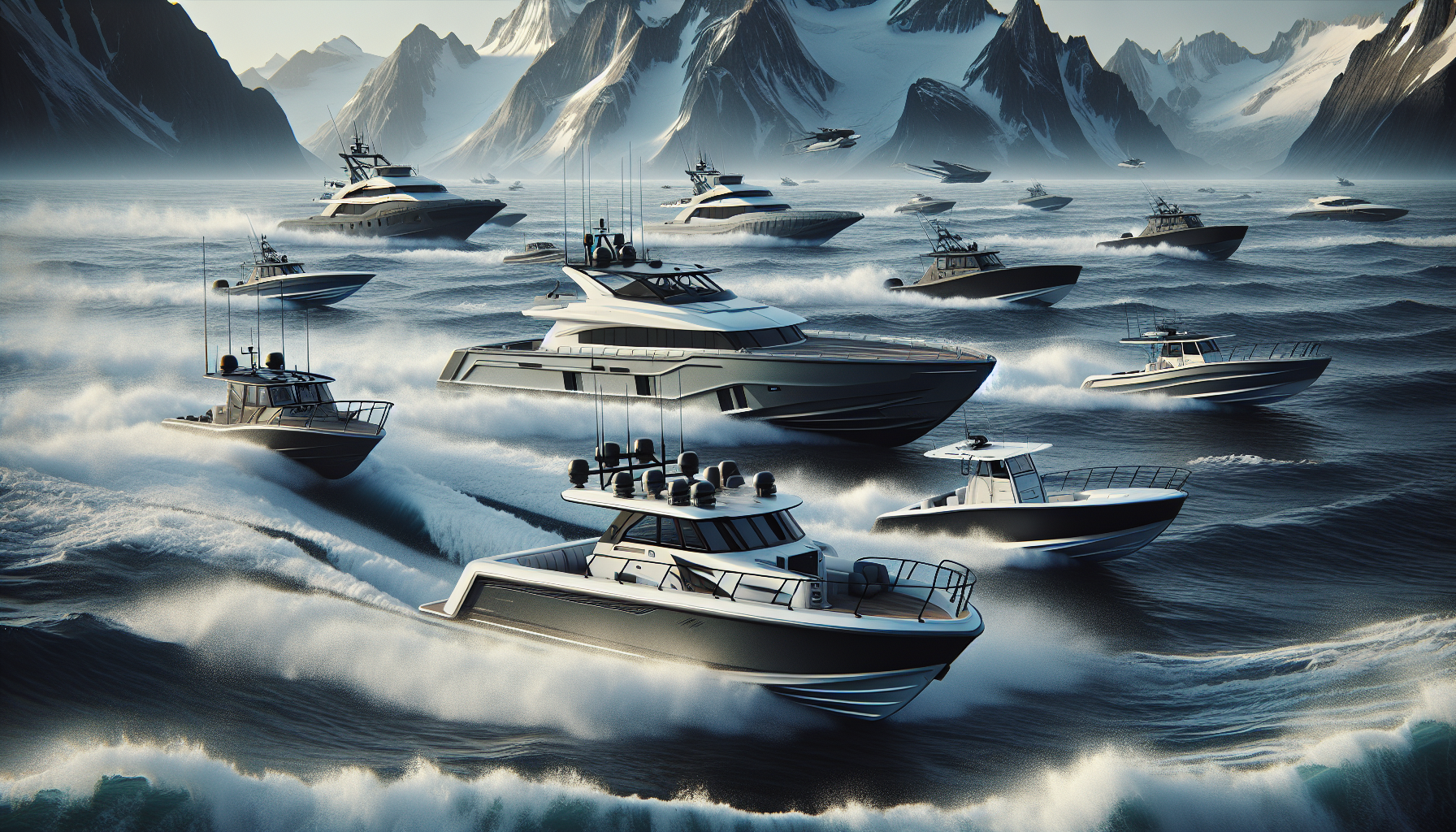
Choosing a boat for stability in rough water starts with understanding a simple truth: no hull can eliminate waves, but the right design can manage them safely, predictably, and with far less fatigue for everyone aboard. In practical terms, “stability” means more than avoiding capsize. It includes how firmly a boat resists rolling at rest, how quickly it recovers after a wave hits the beam, how softly it lands after cresting chop, how dry the ride stays in quartering seas, and how confidently the helmsman can hold course when wind, current, and swell begin working against each other.
When buyers search for the best boats for rough waters, they usually mean one of three use cases: offshore fishing in wind-driven chop, coastal passages where swell and tide interact, or big inland lakes where steep short-period waves punish light boats. I have sea-trialed center consoles, pilothouse boats, deep-V monohulls, catamarans, and heavy displacement cruisers in all three conditions, and the lesson is always the same: rough-water capability comes from a system, not a single feature. Hull geometry, displacement, beam, deadrise, freeboard, weight distribution, propulsion, and skipper visibility all matter, and the weakest element will define the ride.
This matters because the wrong boat does more than feel uncomfortable. It reduces range, raises fuel burn, forces you to throttle back in situations where timing matters, and can turn a manageable return to harbor into a dangerous slog. Families feel it as pounding knees and seasickness. Anglers feel it as poor drift behavior and awkward movement around the deck. Cruisers feel it as crew fatigue, gear damage, and weather windows that suddenly shrink. The best boats for rough waters are the boats that preserve control, maintain predictable motion, and give you enough margin to make conservative decisions before conditions deteriorate further.
To choose well, start with the core terms. Deadrise is the angle of the hull bottom at the transom; more deadrise usually means a softer ride in chop, but often less initial stability at rest and lower efficiency. Beam is width; more beam can increase room and rest stability, but too much beam on a light boat can create a hard, quick motion. Freeboard is the height of the hull sides above the waterline; more freeboard helps keep the ride dry and secure offshore. Displacement is weight; heavier boats often carry momentum through waves better, while lighter boats may slap or get deflected. Stability itself has two common forms: initial stability, which is how solid a boat feels in small angles of heel, and reserve or ultimate stability, which is how strongly it resists larger rolls and recovers afterward.
Hull Types That Handle Rough Water Best
The most common answer to how to choose a boat for stability in rough water is to start with hull type, because hull form shapes nearly every part of the motion you feel. For most buyers comparing trailerable offshore boats, the deep-V monohull remains the reference point. A true offshore deep-V, often carrying 21 to 24 degrees of transom deadrise, slices into steep chop, tracks well, and generally lands more softly than flatter-bottom designs. Boston Whaler’s Outrage line, Grady-White’s Canyon models, and Regulator center consoles have built reputations around this formula. The tradeoff is straightforward: deep-V boats usually need more horsepower and fuel to achieve the same speed, and they can feel more tender at rest than modified-V or catamaran designs.
Power catamarans deserve equal consideration in any serious rough-water hub article because they solve a different set of problems. Two narrow hulls can reduce roll at rest, open up deck space, and deliver excellent efficiency. In beam seas, many catamarans feel notably more level than comparable monohulls. World Cat and Freeman are well-known examples in the fishing market. Yet catamarans are not automatically superior in every rough-water scenario. Bridge deck clearance, tunnel slap, and wave spacing all matter. In certain head seas, some cats can produce a sharp vertical motion, and low-quality designs may pound badly. The right cat is outstanding offshore; the wrong one is disappointing and noisy.
Pilothouse and cabin boats, including many aluminum and fiberglass offshore models, add another rough-water advantage: protection. A stable hull matters, but crew endurance matters too. Being able to run dry, warm, and seated behind a proper windshield changes how safely you can operate in cold wind or spray. Boats from brands such as Parker, Steiger Craft, and Jeanneau’s pilothouse ranges are often preferred by anglers and coastal cruisers who regularly encounter ugly weather. They may not have the open-deck freedom of center consoles, but they can extend your practical season and reduce fatigue substantially.
Heavier express cruisers and semi-displacement designs also deserve mention. They are not usually what buyers mean when they search for best boats for rough waters, but for passage making in confused seas, displacement and length can be your allies. A Sabre or Back Cove-style cruiser will not fish like a center console, yet the long waterline and mass often create a calmer, more settled motion. In other words, the best rough-water boat depends on mission first, then sea state.
Key Design Features That Improve Stability
Once hull type narrows the field, evaluate the design details that separate good offshore boats from marketing claims. Length is the first filter. In rough water, all else equal, a longer hull bridges wave intervals better and gives the bow more time to recover before the next crest. A well-built 28-foot offshore boat usually provides a more controlled ride than a 22-footer, not because it is inherently safer in every case, but because the added waterline length smooths pitch and gives designers more room to balance the hull. Beam matters too, though buyers often overvalue width alone. Broad beam increases form stability and interior volume, but on a very light boat it can create a quick, snappy roll that becomes tiring in a beam sea.
Weight distribution is just as important as total weight. I look closely at where the fuel tank sits, whether batteries are centered, how far aft the engines push the center of gravity, and whether hardtops, upper stations, or towers raise the vertical center of mass. Poorly distributed weight makes good hulls behave badly. Bow-heavy boats may stuff into following seas. Stern-heavy boats may struggle to stay level at transition speeds and can pound harder when trimmed incorrectly. Offshore designers spend enormous effort on balance because trim angle drives both comfort and safety.
Construction quality directly affects rough-water confidence. A strong stringer grid, well-bonded bulkheads, proper lamination schedules, and quality hardware reduce flex and noise when the hull starts working in a seaway. Standards from the American Boat and Yacht Council and National Marine Manufacturers Association certification are useful signals, though they do not guarantee excellence. I also watch how doors latch, whether hatches stay shut when the bow falls off a wave, and how cleanly rigging is secured. A rough-water boat should feel solid, not theatrical.
| Feature | Why It Matters in Rough Water | Typical Tradeoff |
|---|---|---|
| Deep-V hull | Softer head-sea ride and better wave penetration | Higher fuel burn, less stability at rest |
| Catamaran hull | Strong lateral stability and efficient cruising | Tunnel slap, wider beam, docking complexity |
| Longer waterline | Smoother pitch motion and better tracking | Higher purchase and storage costs |
| Higher freeboard | Drier ride and more security offshore | More windage while docking or drifting |
| Heavier displacement | Less deflection and calmer motion in chop | May require more power and fuel |
Freeboard, flare, and bow shape are easy to underestimate during a showroom visit. In real seas they are crucial. Pronounced bow flare throws spray away from the cockpit and helps reserve buoyancy when meeting larger waves. Fine entries cut chop, but if carried too fine without enough reserve forward, they can bury the bow. Reverse chines, lifting strakes, and spray rails also influence comfort by managing water flow and lift. The best boats for rough waters combine these features into a coherent hull, rather than relying on one impressive specification.
Matching the Boat to Your Waters and Use Case
A boat that excels in the Gulf Stream is not automatically the best choice for the Great Lakes, the Pacific Northwest, or a shallow, windy bay. Sea conditions differ in height, period, direction, and steepness. Short-period chop on big inland lakes can be more punishing than longer ocean swell because the boat has no time to settle between impacts. That is why many Great Lakes anglers favor robust deep-V aluminum or fiberglass designs from brands such as Lund, Alumacraft, Tiara, and Pursuit, depending on size and mission. They need hulls that can absorb frequent sharp hits without beating up crew and structure.
On the U.S. East Coast, offshore fishermen often prioritize a dry ride, strong tracking in quartering seas, and enough deadrise to handle wind against tide at inlet bars. A 26- to 32-foot center console with a proven offshore pedigree is often the sweet spot. In the Pacific Northwest and Alaska, many operators place even greater value on enclosed helms, diesel inboards, and cockpit security because cold water and weather exposure change the risk calculation. That is where pilothouse boats earn loyalty. In South Florida and the Bahamas, where speed, range, and shallow access also matter, stepped deep-Vs and high-performance cats are common, but only when matched to experienced operators who understand their handling characteristics.
Your use case should also determine how you evaluate stability. Anglers care about drift and side-to-side movement while multiple people stand on one rail. Families may care more about keeping children secure and comfortable while running home in afternoon chop. Cruisers need storage, tankage, and all-day ergonomics. If diving is a priority, reboarding systems and cockpit layout are as important as hull numbers. The right way to choose a boat for stability in rough water is to picture your worst realistic day, not your best Instagram day, and buy for that.
What to Test Before You Buy
Sea trialing is where rough-water marketing gets separated from rough-water reality. If possible, do not test on a glassy morning. Ask for a run in actual chop, or at minimum in heavy boat wakes where you can evaluate head seas, beam seas, quartering seas, and following seas. Run at displacement speed, transition speed, and typical cruise. Many boats feel fine wide open for a brief pass but become awkward at the 18- to 28-knot range where you will actually operate in deteriorating conditions. Listen for rattles, watch the windshield for spray patterns, and note whether you are constantly correcting the wheel.
Test visibility from the helm while seated and standing. In rough water, losing sight over the bow during acceleration or while climbing a swell is more than annoying; it is unsafe. Evaluate seating and handholds honestly. Offshore boats should give passengers secure places to brace without awkward twisting. Check scupper height, deck drainage, and how the boat behaves with tabs adjusted. Trim tabs, interceptors, joystick systems, and modern engine controls can improve control, but they do not compensate for a hull unsuited to your waters.
Finally, inspect the practical ownership factors that influence offshore confidence. Is the fuel capacity large enough to preserve a one-third out, one-third back, one-third reserve margin? Is there redundancy in bilge pumps and battery switching? Are weather information systems, radar, AIS, EPIRB storage, and VHF placement integrated sensibly? Stability in rough water is not only naval architecture. It is the whole operating platform.
Common Buying Mistakes and Smart Shortlists
The most common mistake is chasing speed or styling over seakeeping. A flashy console, aggressive sheer line, and giant horsepower numbers impress at the dock, but they tell you little about how the hull behaves in stacked afternoon seas. Another mistake is overestimating crew tolerance. If your spouse, children, or guests dislike a hard ride, your theoretical offshore range does not matter. The third mistake is buying too small for your normal conditions while promising yourself you will “just pick good days.” Experienced boaters know that forecasts shift, wind builds, and the return trip is usually rougher than the run out.
A smart shortlist begins with respected rough-water categories rather than random brands. For center consoles, focus on proven offshore deep-V builders and compare 25- to 32-foot models with substantial fuel capacity and strong resale history. For anglers in colder climates, include pilothouse boats with enclosed protection. For buyers prioritizing deck stability and efficiency, test reputable catamarans carefully in the exact sea states you expect to see. For family coastal cruising, do not ignore express cruisers and dual-console offshore designs if your mission includes comfort as much as fishing. Internal comparisons among these groups will help you identify the best boats for rough waters without getting distracted by irrelevant features.
The best way to choose a boat for stability in rough water is to think like a conservative captain, not an optimistic shopper. Start with the waters you actually run, then choose the hull type that best manages those conditions. Prioritize length, balance, construction quality, freeboard, and practical helm protection over cosmetic features. Sea trial in real chop, test multiple points of sail, and pay attention to how the boat behaves at normal cruise, not just at headline speed. If you do that, you will end up with a boat that preserves control, reduces fatigue, and gives you more safe, usable days on the water.
For most buyers, the best boats for rough waters are not the fastest or the most expensive. They are the models with proven offshore hulls, sensible weight distribution, secure layouts, and enough range and protection to handle changing conditions without drama. Deep-V monohulls remain the benchmark for soft head-sea performance, catamarans offer impressive lateral stability and efficiency when well designed, and pilothouse boats add real safety through crew protection. Every choice involves tradeoffs, but the right tradeoffs are the ones that match your mission and your local sea state.
Use this hub as your starting point, then build a shortlist around your budget, boating region, and crew needs. Compare hulls in person, demand a serious sea trial, and study the construction details that only matter when the water gets ugly. If you choose with rough-water reality in mind, you will buy once, boat more confidently, and enjoy every run home a lot more.
Frequently Asked Questions
What does “stability” really mean when choosing a boat for rough water?
In rough water, stability is not just about whether a boat can stay upright. It is a broader combination of behaviors that affect safety, comfort, control, and crew fatigue. A stable boat resists excessive rolling when waves hit from the side, recovers predictably after being pushed off balance, tracks confidently without feeling loose or skittish, and lands in a controlled way after passing over chop or swell. It should also remain manageable when conditions become confused, such as when wind, tide, and boat wakes create waves from multiple directions.
There are two useful ways to think about stability. The first is initial stability, which is how steady the boat feels at rest or in light motion. Boats with strong initial stability tend to feel firm underfoot and resist small degrees of roll. The second is dynamic or seakeeping stability, which is how the boat behaves while moving through actual rough-water conditions. This includes how it handles beam seas, quartering seas, head seas, and following seas. A boat that feels very steady at the dock may not necessarily provide the best ride offshore if it slams hard, throws spray, or reacts abruptly in steep waves.
For most buyers, the right definition of stability should include predictability. A good rough-water boat gives the operator clear feedback, does not surprise the crew with sharp motions, and maintains composure when conditions deteriorate. In other words, the goal is not to find a magical boat that defeats waves. It is to choose a design that manages wave energy in a way that is safe, controlled, and less exhausting for everyone aboard.
Which hull design is best for stability in rough water?
There is no single “best” hull for every rough-water situation, because hull design always involves trade-offs. That said, some hull characteristics are consistently better suited to handling chop, swell, and messy seas. Deep-V hulls are often favored for offshore and rough-water use because their sharper entry helps cut through waves more cleanly, reducing pounding and delivering a softer ride in head seas. They also tend to track well at speed and provide more confidence when conditions are less than ideal.
However, deeper-V designs usually trade some at-rest stability for better running performance. That means they may feel more tender when drifting, fishing, or moving around onboard while stopped. On the other hand, flatter-bottomed hulls and modified-V designs often feel steadier at rest and can be more efficient at lower speeds, but they may pound harder and provide a less comfortable ride when driven into steep chop. Catamarans are another option worth considering. Many catamarans offer excellent stability at rest, reduced roll, and impressive efficiency, and they can be very capable in rough water. Still, their behavior in certain sea states, particularly tightly spaced head seas or some quartering conditions, depends heavily on the specific design and setup.
Other hull features matter too. A fine bow entry can improve wave penetration, while well-designed chines and strakes influence spray control, lift, and tracking. Freeboard, beam, deadrise, and hull weight all contribute to how the boat feels and performs. In rough-water boat shopping, it is usually smarter to ask which hull design best matches your typical conditions rather than which hull is universally superior. A boat intended for coastal runs in afternoon chop may differ from one designed for offshore fishing in open swell or one used on large inland lakes with short, steep wave patterns.
How important are beam, weight, and freeboard for rough-water stability?
They are extremely important, because rough-water stability is influenced by the whole platform, not just the bottom shape. Beam, or width, affects how steady a boat feels side to side. A wider beam often improves initial stability and gives the boat a more planted feel at rest. That can be helpful for fishing, boarding, and moving around onboard. But width alone is not a guarantee of better rough-water behavior. A very wide boat with the wrong hull form can still pound, drift poorly, or react harshly in cross seas.
Weight also plays a major role. In general, a heavier boat tends to feel more settled and less easily tossed around by chop than an ultralight one of similar size. Weight can help smooth out motion and improve the sense of solidity in rough conditions. Of course, weight must be balanced with hull efficiency, structural quality, and proper power. Too much weight for the design or too little power can create its own handling problems. What matters most is how the boat’s displacement, hull geometry, and power package work together in real conditions.
Freeboard, the height of the hull sides above the waterline, is another critical safety and comfort factor. More freeboard generally means better protection from spray and a drier, more secure feeling ride, especially in quartering or beam seas. It can also provide reassurance for families and offshore crews. At the same time, freeboard influences windage, which can affect low-speed handling and drifting. In practical terms, buyers should evaluate beam, weight, and freeboard as a combined system. A truly capable rough-water boat is not just wide, heavy, or tall-sided. It is proportioned in a way that supports stable handling, a dry ride, and confidence when conditions become demanding.
Can a boat that feels stable at rest still perform poorly in rough water?
Yes, absolutely. This is one of the most common misunderstandings among buyers. A boat can feel very stable at rest because it has a wide beam, flatter sections, or design features that resist rolling when stationary. That kind of steadiness is valuable, especially for fishing or family use, but it does not automatically translate into good rough-water performance when the boat is underway. The demands of running through chop or swell are completely different from drifting quietly or sitting at a dock.
In motion, the boat must manage impact, directional control, recovery, and spray. A hull that feels rock-solid while stopped may slam badly when driven into steep head seas, wander in following seas, or throw water across the deck in quartering conditions. It may also produce a harsher, more tiring ride because the motions are abrupt instead of progressive. That fatigue factor is important. Rough-water capability is not just about surviving conditions. It is about how much stress the boat places on the operator and passengers over time.
This is why sea trials in realistic conditions are so important. If possible, test the boat in the kind of water you actually expect to run. Pay attention to how it handles different angles to the waves, how dry the ride is, how quickly it recovers from roll, and whether you feel in control without constantly fighting the helm or throttle. A good rough-water boat should inspire trust underway, not just feel stable when standing still.
What should I look for during a sea trial if rough-water stability is my top priority?
A sea trial is where brochure claims meet reality, and if rough-water stability matters most, you should evaluate the boat methodically. Start by testing the boat across multiple wave angles. Run into the chop, across it, and with it. A capable boat should not only soften impact in head seas but also remain composed in beam and quartering seas, where poor designs can feel unsettled or wet. Notice whether the hull lands softly or pounds, whether it throws spray outward instead of onboard, and whether it tracks cleanly without constant steering correction.
Pay close attention to roll behavior. At rest and at low speed, see how much the boat leans when passengers shift positions. Then observe how it responds when waves hit the side. Does it snap back abruptly, creating a jerky feeling, or recover in a more controlled, predictable way? Also evaluate how confident you feel at transitional speeds, because many rough-water situations require throttling up and down to match sea conditions. A well-mannered boat should remain balanced and responsive throughout those changes.
It is also wise to assess visibility, helm ergonomics, and how secure the crew feels onboard. Stability in rough water is not only a matter of hull science. It is also about whether the operator can see clearly, stay comfortably in command, and make good decisions without being overwhelmed by motion, spray, or pounding. Check seating support, grab-handle placement, deck traction, and cockpit depth. Finally, ask about fuel load, engine setup, trim systems, and any stabilizing features present during the test, because these can influence performance. The best sea trial is one that helps you understand not just whether the boat can handle rough water, but whether it does so in a way that feels safe, predictable, and sustainable for your real-world use.