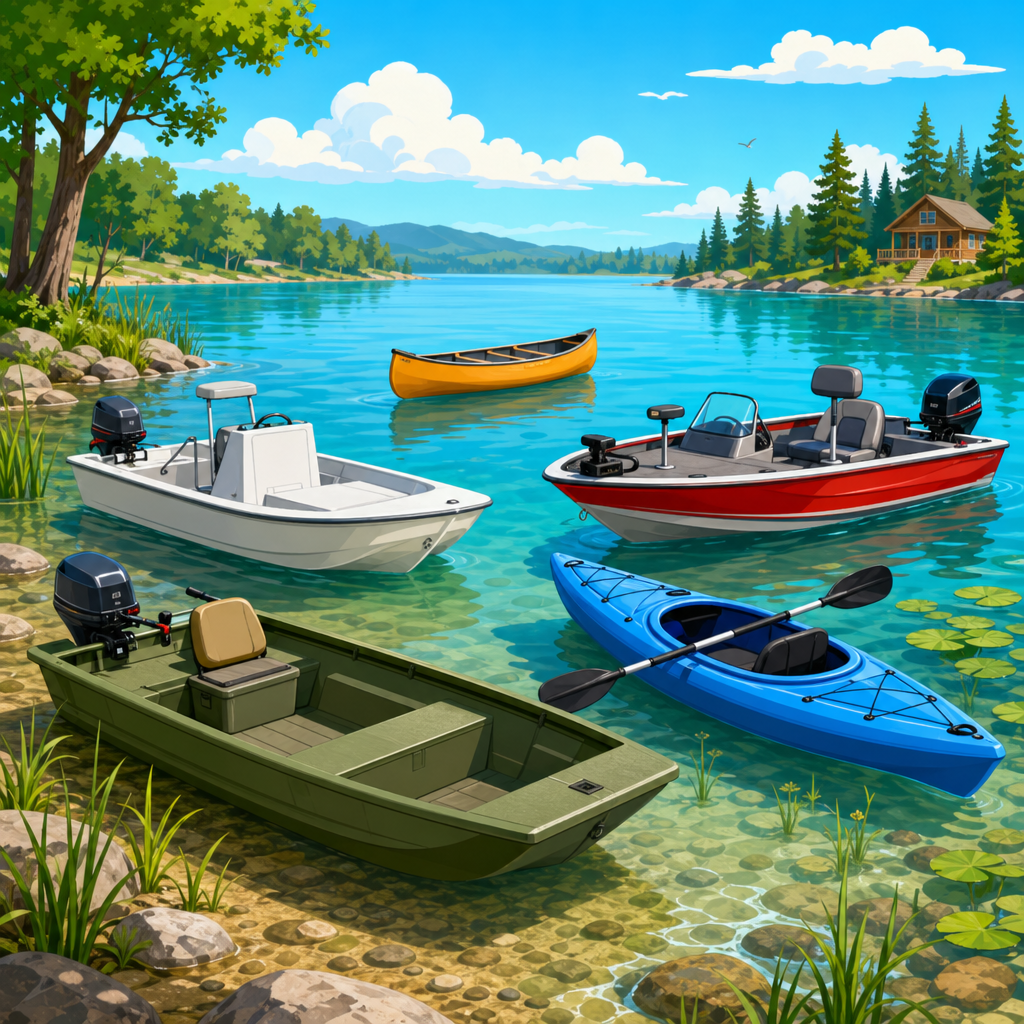
Choosing the best small boats for shallow waters and lakes starts with understanding how hull shape, draft, propulsion, and intended use work together. In this category, “small boats” usually means vessels under 20 feet that are easy to trailer, launch, store, and operate without a full marina setup. “Shallow water” refers to areas where draft matters constantly, including tidal flats, marsh edges, river inlets, stump-filled coves, and lake shorelines with fluctuating water levels. For most buyers, the right lake and shallow-water boat is not simply the cheapest compact option. It is the model that can float high, track predictably, handle moderate chop, carry gear safely, and match the way you actually fish, hunt, cruise, or move between shore and campsite.
I have tested and compared many of these boats at ramps, on backwater lakes, and in low-water conditions where a bad choice becomes obvious within minutes. A deep-V that rides beautifully on a windy reservoir may frustrate you in skinny water. A flat-bottom jon boat that excels in two feet of water may pound hard in open-lake chop. That tradeoff is why this guide matters. Buyers searching for the best small boats for shallow waters and lakes need a clear comparison hub, not generic advice. This article explains the main boat types, what each does best, what limitations to expect, which materials and propulsion setups make sense, and how to evaluate a purchase with confidence before reading individual model reviews.
What Makes a Small Boat Good for Shallow Water and Lake Use
The most important metric is draft, which is the depth of water a boat needs to float and operate. Many small aluminum boats, microskiffs, and jon boats draw only a few inches at rest, while deeper fiberglass runabouts and bass boats generally need more. Low draft matters for reaching remote shorelines, launching at primitive ramps, and avoiding prop strikes in stump fields or sandbars. However, draft alone does not determine performance. Hull design influences stability, ride quality, and efficiency. Flat-bottom hulls plane quickly and float shallow, but they can feel harsh in wind-driven chop. Modified-V hulls add a little entry angle up front, improving ride without sacrificing too much access. Deep-V hulls handle rougher water best, yet usually sit deeper and need more horsepower.
Beam, weight, freeboard, and transom rating matter just as much. A wider beam usually improves initial stability when you stand to cast or load decoys. Lighter boats are easier to tow with smaller vehicles and simpler to launch by hand, but they may drift more in crosswinds. Freeboard, the distance from the waterline to the top edge of the hull, affects dryness and safety. Lakes with afternoon wind benefit from enough side height to keep spray out. Transom rating determines what outboard or electric motor the boat can carry safely. Capacity plate limits for passengers, gear, and horsepower are not suggestions. They are essential buying criteria, especially for family use.
Use case should drive every decision. If your priority is panfish on protected lakes, a small utility V-hull may be ideal. If you fish grass flats and marsh cuts, a jon boat or skiff is usually better. If you want a do-everything platform for towing kids, cruising, and occasional fishing, a compact aluminum or fiberglass runabout can work, but only in water deep enough to support its draft and drive system. The best boat comparison and buying guide starts by matching the environment, then the activity, then the budget.
Best Types of Small Boats for Shallow Waters and Lakes
For most buyers, the top categories are jon boats, mod-V aluminum boats, skiffs, small bass boats, compact pontoons, and inflatables. Jon boats remain the classic shallow-water value option. Their flat bottoms, simple layouts, and light aluminum construction make them easy to trailer, drag short distances, and power with small outboards or trolling motors. They are excellent for creeks, sheltered lakes, duck hunting, and basic fishing setups. Their weakness is rough-water comfort. In open lakes with wind chop, they can slap hard and feel less secure than V-hulls.
Mod-V aluminum boats are one of the strongest all-around choices for mixed shallow and lake use. They retain relatively low draft but offer a sharper bow entry than a pure flat-bottom jon. That translates to a better ride when crossing a breezy lake to reach coves or weed lines. Many 14- to 18-foot utility and fishing models from brands such as Lund, Tracker, Alumacraft, and Lowe sit in this sweet spot. They are practical, durable, and easier to own than many fiberglass alternatives.
Skiffs, especially microskiffs and technical poling skiffs, are purpose-built for shallow access. These boats often feature clean decks, minimal draft, efficient hulls, and layouts optimized for anglers. On lakes, they are excellent for shoreline fishing, fly casting, and light gear transport. They are less ideal for rough, open crossings than a deeper boat, and premium skiffs can be expensive for their size. Small bass boats deserve consideration if your lakes are moderately shallow rather than truly skinny. Aluminum bass boats often draft less than fiberglass versions and provide elevated casting decks, storage, and fishability. Compact pontoons are another option for calm lakes where stability and seating outrank shallow-running speed. Inflatables and rigid inflatable boats work well for portability and tender use, but they are usually more niche as primary lake boats.
| Boat type | Best use | Main strengths | Main limitation |
|---|---|---|---|
| Jon boat | Creeks, marshes, small lakes | Very shallow draft, affordable, simple | Rough ride in chop |
| Mod-V aluminum | Mixed lake fishing and utility use | Balanced ride, stability, versatility | Not as shallow as flat-bottom designs |
| Microskiff | Skinny-water angling | Excellent access, efficient hull | Higher price for specialized use |
| Small bass boat | Lake fishing | Deck space, storage, fishability | Greater draft and complexity |
| Compact pontoon | Calm-lake family cruising | Stability, comfort, seating | Poor in very shallow, stump-filled areas |
Hull Materials, Propulsion Choices, and Setup Decisions
Aluminum dominates this segment for good reason. Welded and riveted aluminum hulls are lighter than fiberglass, resilient around stumps and gravel, and usually cheaper to buy and repair. For buyers using undeveloped ramps or beaching on shorelines, aluminum is often the practical choice. Welded hulls are popular in rugged shallow-water use because they tolerate impact well, while riveted designs can be lighter and efficient but may require closer inspection for leaks in older boats. Fiberglass offers smoother lines, often a softer ride, and attractive finish quality, yet it usually brings more weight, more draft, and greater concern about impact damage in thin water.
Propulsion determines how much of a boat’s theoretical shallow-water ability you can actually use. A small outboard with a standard lower unit is efficient and common, but the skeg and propeller still need protection from rocks, sand, and timber. Tiller steer setups maximize cockpit room and reduce complexity on smaller hulls. Console steering improves comfort and visibility on larger layouts. For true skinny-water running, some owners choose jet outboards or jet drives, especially in rocky rivers, though jets lose efficiency compared with props and usually require more horsepower to achieve similar performance. On lakes, a standard outboard plus a quality trolling motor is still the most common and sensible combination.
Electric propulsion is growing fast, especially where lakes restrict gas engines. Modern lithium batteries and efficient electric outboards from brands like Torqeedo and Mercury Avator have improved quiet operation and low-maintenance ownership, but range planning remains critical. For anglers, bow-mount trolling motors with GPS anchoring from Minn Kota or MotorGuide can transform a simple aluminum boat into a precise fishing platform. Trailer setup also deserves attention. Bunk trailers support hulls well and are common for aluminum boats; roller trailers ease launching but can be less forgiving if adjusted poorly. A buying guide that ignores the trailer, battery storage, fuel tank placement, and transducer mounting is incomplete because these details affect ownership every trip.
How to Compare Small Boats Before You Buy
Start with three questions: where will you launch, how shallow will you actually operate, and what percentage of trips involve more than one passenger. Those answers narrow the field quickly. If your local access points are rough gravel ramps and your destinations include weed flats and back coves, a 14- to 16-foot aluminum jon or mod-V is a logical starting point. If you regularly cross larger lakes with afternoon wind, move toward a mod-V utility boat or compact multispecies fishing boat. If solo sight fishing in ultra-shallow bays is the mission, a microskiff makes more sense than a general-purpose utility hull.
Next, compare specifications that reveal real usability rather than brochure claims. Look at length overall, beam, hull weight, maximum horsepower, person capacity, and livewell or storage volume. Review transom height and whether the hull is rated for short-shaft or long-shaft outboards. Ask for draft at rest with a typical load, not an empty-hull marketing estimate. On used boats, inspect the transom core or aluminum transom assembly, floor integrity, welds or rivet lines, trailer bunks, tire age, wheel bearings, and wiring. Compression testing on an outboard is worth the time, and a lake test tells you more than any showroom walkaround.
Buying new offers warranty support and cleaner rigging options. Buying used can unlock better value, especially if electronics and trailer condition are strong. I generally tell buyers to allocate budget in this order: seaworthy hull, reliable motor, safe trailer, then accessories. Electronics can be upgraded later. A neglected engine or cracked transom cannot. Also consider ownership friction. Can you store the boat at home? Is the launch shallow enough for your tow vehicle? Can one person retrieve it in crosswind? The best small boat for shallow waters and lakes is the one you will use often, not the one that looked impressive under dealership lights.
Best Small Boat Picks by Use Case and Budget
For pure affordability, a 12- to 14-foot jon boat with a small tiller outboard or electric-only setup is hard to beat. It works for farm ponds, protected lakes, and simple fishing trips, and maintenance is minimal. Buyers wanting the best all-around lake-and-shallows compromise should focus on 15- to 17-foot mod-V aluminum boats. These boats can handle a wider weather range, carry more gear, and support fish finders, trolling motors, and casting decks without becoming difficult to tow or store. In this class, well-known packages from Lowe, Tracker, and Alumacraft frequently deliver strong value.
For anglers who prioritize deck layout and serious fishing features, aluminum bass boats and compact multispecies rigs provide elevated casting platforms, rod storage, and more refined seating. They are better for structured lakes and tournament-style days than tiny backwater creeks. For skinny-water specialists with larger budgets, a microskiff offers excellent shallow performance, clean poling characteristics, and efficient operation. These boats shine on flats, weedy shorelines, and shallow bays but require realistic expectations about weather windows and passenger comfort. Families using calm lakes for sunset cruising, swimming, and occasional fishing may find that a compact pontoon suits them best, provided they avoid stump fields and understand that pontoon draft and underwater appendages still demand caution in very thin water.
As a hub for boat comparison and buying guides, this topic connects naturally to deeper reviews of jon boats, aluminum fishing boats, skiffs, electric lake boats, and used-boat inspection checklists. The right next step is not guessing from photos. It is building a shortlist based on water depth, launch conditions, ride expectations, and gear load, then test-riding the closest matches. That process prevents costly mismatch. Small boats reward precise buying decisions because every inch of draft, every degree of deadrise, and every pound of hull weight changes how the boat behaves.
The best small boats for shallow waters and lakes are the ones that match real conditions instead of marketing labels. Jon boats, mod-V aluminum boats, skiffs, small bass boats, compact pontoons, and inflatables all have valid roles, but each solves a different problem. If you need maximum shallow access and simplicity, lean toward jon boats or microskiffs. If you want the broadest mix of fishability, comfort, and practical ownership, a mod-V aluminum boat is usually the smartest choice. If family seating and calm-water stability matter most, compact pontoons deserve a look. Material, propulsion, trailer quality, and storage realities should shape the purchase as much as brand reputation.
A strong buying decision comes from comparing draft, hull form, capacity, power rating, and launch environment with complete honesty about how you will use the boat. That is the core principle behind every reliable boat comparison and buying guide. Start with your water, narrow the boat type, inspect construction and rigging carefully, and insist on a water test whenever possible. Use this hub as your starting point, then move into model-specific reviews and category guides to refine your shortlist. The right small boat will get used more often, cost less to own over time, and make shallow-water and lake days easier from the ramp to the final retrieve.
Frequently Asked Questions
What type of small boat is best for shallow waters and lakes?
The best small boat for shallow waters and lakes depends on where you run most often and how you plan to use it, but in general, boats with a shallow draft, simple layout, and efficient hull design perform best. Common top choices include jon boats, aluminum utility boats, small skiffs, flat-bottom boats, and compact bay-style boats under 20 feet. These models are popular because they can float in less water than deeper-V designs, are easier to trailer and launch, and are usually more forgiving in stump fields, marshy edges, and fluctuating shorelines.
For calm lakes and protected backwaters, a flat-bottom or modified-V jon boat is often one of the smartest and most affordable options. It provides excellent stability at rest, easy access to shore, and enough room for fishing, hunting, or casual family use. If you need a little more versatility for choppier lake conditions, a modified-V or small skiff usually gives you a better ride while still maintaining relatively shallow draft. Buyers who want maximum simplicity often prefer aluminum because it is durable, lighter to tow, and generally easier to maintain than more complex fiberglass layouts.
The real key is matching the hull to your water conditions. A boat that is excellent in a stump-lined cove may not be ideal for crossing a windy open lake, and a boat designed for rougher water may draft more than you want in skinny areas. That is why the best choice is rarely just the “smallest” boat. It is the one that balances draft, stability, ride quality, storage, propulsion, and your primary use, whether that is fishing, duck hunting, shoreline exploring, or simple recreational cruising.
Why does draft matter so much when choosing a small boat for shallow water?
Draft is one of the most important measurements in any shallow-water boat because it tells you how much water the boat needs to float and operate safely. In practical terms, a shallow draft gives you more freedom to reach backwater areas, approach shorelines, launch in marginal ramps, and move through places where deeper boats would risk grounding. In tidal flats, marshes, river inlets, and lake edges with changing water levels, even a few inches of extra draft can make the difference between easy access and getting stuck.
It is also important to understand that draft changes depending on how the boat is loaded. Manufacturer specifications often list draft under ideal conditions, but real-world draft increases when you add fuel, batteries, gear, passengers, coolers, anchors, and livewells. That means a boat advertised as “shallow running” may sit noticeably deeper in the water once it is rigged for an actual day on the lake. Buyers should think beyond brochure numbers and consider loaded performance, especially if they routinely fish with two or three people or carry heavier equipment.
Draft also affects confidence and efficiency. A boat that truly fits your water depth lets you spend more time navigating and fishing and less time worrying about bottom contact, prop damage, or backing off a mud flat. At the same time, the shallowest draft is not automatically the best choice if it compromises ride comfort, control, or safety in open sections of the lake. The smartest decision is to choose the shallowest practical draft that still gives you the handling, load capacity, and hull performance your conditions require.
Should I choose a flat-bottom boat or a V-hull for lakes and shallow areas?
This is one of the most common buying questions because both hull styles have clear advantages. A flat-bottom boat is usually the better choice for very shallow water, protected coves, marsh edges, slow-moving inlets, and calm lakes. It draws less water, stays very stable at rest, and is often easier to beach or launch in unimproved areas. For anglers, hunters, and casual users who spend most of their time in sheltered water, a flat-bottom design can be extremely practical and budget-friendly.
A V-hull, especially a deep-V, generally handles chop and boat wakes better, which makes it more comfortable and predictable on larger lakes when weather turns. The tradeoff is that a deeper V usually draws more water and may not be as stable when passengers move around at rest. A modified-V sits in the middle and is often the best compromise for buyers who need both shallow-water capability and better ride quality in moderate chop. That is why modified-V aluminum boats are so common for mixed lake and river use.
In simple terms, if your priority is access to skinny water and maximum stability while fishing, a flat-bottom boat often wins. If your priority is comfort and control in rougher open water, a V-hull becomes more attractive. For many buyers, especially those using medium-sized lakes with occasional shallow coves, a modified-V offers the most balanced solution. The right answer depends less on theory and more on where you actually boat 80 percent of the time.
What propulsion setup works best for small boats in shallow water?
The best propulsion setup depends on how shallow your water really is, how much vegetation or debris you encounter, and whether speed, simplicity, or all-day efficiency matters most. For many small boats on lakes and shallow backwaters, a standard outboard motor is still the most common and practical option because it is widely available, easy to service, and efficient for general use. On transom-mounted outboards, being able to trim the motor up is a major advantage when entering skinny water or approaching shore.
Tiller-steer outboards are especially popular on smaller aluminum boats because they reduce weight, free up interior space, and keep the rig simple. They are often a strong choice for anglers or hunters who value maneuverability and minimal complexity. For electric-only lakes or quiet shoreline use, trolling motors can be ideal, particularly bow-mount systems with GPS anchoring and spot-lock style features. These setups are excellent for precise fishing control, though they are not always enough as primary propulsion on larger lakes or in wind.
In very shallow or obstruction-heavy areas, some buyers also consider jet-drive setups or specialized shallow-water rigs, but these are more situational and may involve tradeoffs in efficiency, speed, cost, or maintenance. The best general advice is to choose a propulsion system that matches your real operating conditions, not just your occasional trip into the skinniest spot. Reliable power, good trim control, and sensible horsepower for the hull are usually more valuable long term than chasing an extreme shallow-water setup you rarely need.
What should buyers look for besides size when comparing small boats under 20 feet?
Size matters, but it should never be the only factor when comparing small boats for shallow waters and lakes. Hull design, boat weight, beam width, transom layout, storage, capacity ratings, and overall rigging quality often have a bigger impact on ownership satisfaction than length alone. Two boats that are both 16 feet long can feel completely different on the water depending on their bottom shape, interior layout, and how they distribute weight. That is why smart buyers compare the complete package rather than shopping by length sticker alone.
Weight is especially important because lighter boats are easier to tow, launch, and push off shallow areas, but they may also be more affected by wind and chop. Beam influences stability, with wider boats often feeling steadier at rest. Capacity ratings help you understand whether the boat can realistically handle your usual crew and gear load. Storage layout matters if you carry rods, tackle, decoys, safety gear, or camping supplies. Even seat placement and battery location can affect draft and balance in a small boat.
Buyers should also pay close attention to how and where the boat will be used off the water. Trailer fit, garage storage, ramp access, maintenance demands, and whether the boat can be operated comfortably without marina infrastructure all matter in this category. One of the biggest advantages of a small shallow-water boat is convenience, so the best purchase is usually the model that not only performs well on the lake but is also easy to own, move, clean, and store throughout the season.