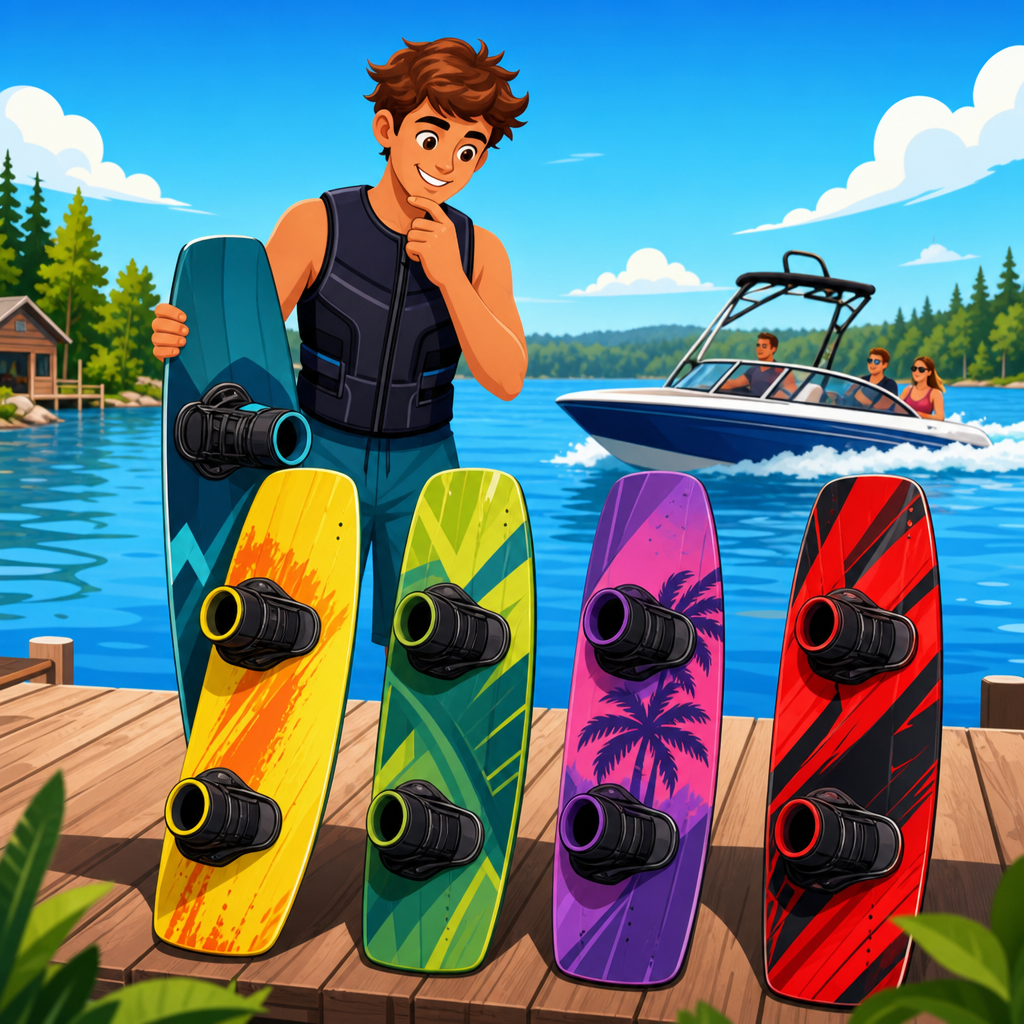
Choosing the best wakeboard for your skill level starts with understanding how board shape, rocker, size, fins, and construction affect control on the water. In my experience fitting riders for their first setup and helping intermediate boat owners upgrade aging gear, the wrong wakeboard usually causes the same problems: unstable edging, hard landings, poor pop, and slower progression. A wakeboard is a buoyant board designed to plane across the water while being pulled by a boat or cable system. Within the broader category of water sports and recreational equipment, it sits alongside bindings, ropes, life jackets, ballast systems, tow points, and impact protection. This matters because wakeboarding is not a one-size-fits-all purchase. A beginner who needs forgiveness and predictable tracking should not ride the same board as an advanced rider chasing abrupt lift and fast edge response. The right choice improves safety, comfort, and learning speed. This guide explains exactly how to choose a wakeboard based on ability, body weight, riding style, and typical conditions, while also connecting the bigger picture of boating gear and equipment that supports better days on the water.
Wakeboard selection becomes easier when you define a few key terms. Rocker is the curve from tip to tail and heavily influences speed and pop. Continuous rocker creates a smooth, fast ride with predictable wake-to-wake carry. Three-stage rocker has a flatter center and more pronounced tip and tail kick, producing a more vertical, explosive release but often a slightly slower approach. Hybrid rocker blends both traits. Board length affects buoyancy, stability, and landing softness. Width influences how high the board rides and how quickly it rolls onto edge. Fins and channels determine tracking and release. Construction can include wood cores, foam cores, fiberglass layups, carbon reinforcement, and durable sintered bases for cable parks. Bindings, often called boots, change how connected and supported the rider feels. Once you understand those terms, the buying process becomes logical rather than overwhelming. Whether you ride behind a runabout, a dedicated wake boat, or at a cable park, the best wakeboard is the one that matches your current skill and gives you room to progress without punishing mistakes.
Start With Skill Level, Not Marketing Claims
The first question is simple: are you a beginner, intermediate, or advanced rider? That answer should drive every other decision. Beginners need stability, predictable edge hold, moderate speed, and softer landings. In practice, that usually means a slightly longer board, continuous or mellow hybrid rocker, and molded-in fins or removable center fins that help the board track straight. I have seen new riders improve much faster on forgiving shapes from brands like Hyperlite, Liquid Force, Ronix, and HO Sports than on aggressive pro-model boards built for technical tricks. A beginner board reduces surprises. It helps riders stand up easier, maintain line tension, and cross the wake without catching an edge as often.
Intermediate riders benefit from boards that still offer forgiveness but respond faster when edging hard or taking wake jumps. This is usually the stage where riders start carving with intent, landing wake-to-wake consistently, and experimenting with grabs or surface spins. A medium-width board with a hybrid rocker and adjustable fin setup is often ideal because it lets the rider tune feel over time. Advanced riders can choose more specialized equipment, such as abrupt three-stage rocker boards for explosive pop, stiffer constructions for sharper response, or cable-specific boards with reinforced bases and flexible tips. The key point is direct: do not buy for the rider you hope to be next year if the board will make this season frustrating. Progression happens fastest when the board supports current fundamentals.
Choose the Correct Wakeboard Size for Weight and Riding Style
Wakeboard size is usually determined first by rider weight, then adjusted for style and conditions. Most manufacturers publish size charts, and those charts should be treated as the starting point rather than a suggestion. A heavier rider needs more surface area to plane efficiently and land softly. A lighter rider on an oversized board may feel stable, but can struggle to edge aggressively and release cleanly. For many adults, wakeboards range from roughly 130 cm to 144 cm, with larger options available for bigger riders. If you are between sizes, the shorter option typically feels quicker edge to edge and more playful, while the longer option feels more stable, carries speed better, and lands with less impact.
Boat wakeboarding and cable riding can shift that decision. At cable parks, many riders size up slightly because a longer board offers smoother presses, more control on features, and softer landings off kickers. Behind a boat, a rider who values quick cuts and technical spins may size down within the approved range. Beginners should usually avoid going too short. Extra length makes starts easier and reduces the twitchy feeling that causes confidence problems. Board width also matters. Wider boards plane higher and can feel more buoyant, but they may create a slightly slower edge transition for some riders. Narrower boards can feel faster from rail to rail, but require better balance. If you want the simplest rule, follow the brand’s weight chart first, then adjust one step only if your riding environment and goals clearly justify it.
| Skill Level | Recommended Board Traits | Best Use Case | Main Tradeoff |
|---|---|---|---|
| Beginner | Longer size, continuous rocker, deeper molded fins | Easy starts, stable tracking, first wake crossings | Less explosive pop and slower release |
| Intermediate | Weight-chart fit, hybrid rocker, adjustable fins | Consistent jumps, carving, early spins | Requires more technique than entry boards |
| Advanced Boat Rider | Performance fit, three-stage or aggressive hybrid, lighter layup | Big pop, technical tricks, sharp response | Less forgiving on bad edges and landings |
| Advanced Cable Rider | Slightly longer board, durable base, flex profile, smaller fins | Features, presses, kickers, repeated park laps | Can feel loose behind a boat |
Understand Rocker, Shape, and Bottom Contours
Rocker has an outsized effect on how a wakeboard feels. Continuous rocker is the easiest to recommend for most beginners and many intermediates because it carries speed efficiently and produces a smooth, predictable arc off the wake. Riders who complain that they lose momentum before the wake often do better on continuous rocker. Three-stage rocker creates a more vertical trajectory, which advanced riders often prefer when they want strong upward pop for inverts and spins. The tradeoff is that it can feel slower and less forgiving if edging technique is inconsistent. Hybrid rocker is popular because it offers practical balance: enough speed to build confidence and enough lift to keep progression exciting.
Outline shape and bottom contours matter just as much. A rounded outline tends to feel smooth and forgiving. Sharper rails and more angular outlines increase bite and response. Double concaves, V-spines, and channel systems can soften landings or improve water flow, but they also change release characteristics. In my testing, heavily channeled boards can feel locked in for some riders and sticky for others, especially when learning surface tricks. Beginners usually do better with cleaner, simpler bottoms. Intermediate and advanced riders can benefit from more complex shaping once they know exactly what they want to change. If your local boating conditions include choppy afternoons, a board with softer landing features and a stable platform is worth prioritizing over a highly specialized shape that only shines in glassy water.
Pick the Right Fins, Bindings, and Construction
Fin setup determines how loose or locked-in a wakeboard feels. Larger center fins and pronounced molded fins help beginners track straighter and resist unintentional sliding. As skills improve, many riders remove or reduce center fins to loosen the board for spins and surface tricks. The mistake I see often is riders taking fins off too early because they assume loose equals advanced. In reality, a board should feel controllable before it feels playful. Side fins, channels, and rail shape already create plenty of hold on many modern boards, so small fin changes can have a big effect. Always test fin adjustments incrementally if possible.
Bindings deserve equal attention because they transfer power from rider to board. Open-toe bindings are practical for families or shared boats because they fit a wider size range. Closed-toe boots usually deliver a more precise fit and stronger board control, especially for riders progressing into bigger edging and more technical tricks. Support level matters too. Softer boots are comfortable and forgiving, while stiffer boots improve responsiveness. Make sure the mounting system matches the board’s insert pattern, and check hardware regularly. Loose binding screws are a common and avoidable problem. Construction should match riding environment. Boat riders often prefer lightweight foam-core boards with lively response. Cable riders need durable sintered or extruded bases and reinforced sidewalls to survive rails and repeated impacts. If a board will see both uses, choose a crossover model rather than forcing a delicate boat board into park duty.
Match the Board to Your Boat, Water Conditions, and Full Gear Setup
Wakeboard choice does not happen in isolation. The boat, tow setup, and water conditions all influence what will work best. A dedicated wake boat with ballast, wake shaping devices, and a tower creates a steeper, cleaner wake than a lightly weighted runabout. Bigger wakes support boards with more aggressive rocker and advanced shaping because the rider has enough energy to use those features. On smaller wakes, faster continuous rocker boards often feel better because they help riders generate carry across the wake. Rope length and speed matter as well. Many beginners ride around 18 to 20 mph with shorter rope lengths, while more advanced riders may increase speed and line length as they move to larger wakes. The board should complement those realities, not fight them.
This is also where the broader boating gear and equipment picture becomes important. A good board performs best when paired with a correctly sized coast-approved life jacket or competition vest where permitted, a low-stretch wake rope, a comfortable handle, and properly adjusted bindings. For families building a water sports equipment setup, consider the total system: board racks, ballast bags, pumps, mirror visibility, prop selection, and storage for wet gear. Safety equipment matters every session. The U.S. Coast Guard requires wearable personal flotation devices on recreational vessels, and local laws may impose additional towing rules such as observer requirements or mirror standards. Good equipment decisions reduce fatigue, protect riders, and make each pull more productive. If this article is your hub for water sports and recreational equipment, the takeaway is clear: wakeboards, tow ropes, vests, helmets for cable parks, and boat setup all work together as one performance system.
Common Buying Mistakes and a Simple Upgrade Path
The most common buying mistake is selecting a board based on graphics or a pro rider endorsement instead of fit and function. The second is buying too advanced too early. Other frequent issues include ignoring weight charts, pairing a good board with poor bindings, and failing to distinguish boat boards from cable boards. I have also seen many buyers focus entirely on the board and forget line quality. A stretchy recreational tube rope is not a wake rope; it kills consistency and timing. Another mistake is assuming expensive automatically means better. Premium materials like carbon laminates and advanced core profiling can improve response and reduce swing weight, but those benefits only matter if the rider can feel and use them.
A simple upgrade path works better. First-time riders should buy a stable board and comfortable bindings. After a season of consistent riding, evaluate what feels limiting. If the board tracks too hard, reduce fin size. If you want more upward pop, move from continuous to hybrid or three-stage rocker. If you start riding cable frequently, add a cable-specific board rather than destroying your boat setup on features. Demo days at local dealers and cable parks are invaluable because wakeboard feel is highly personal. Start with correct size, tune small variables, and upgrade only when your riding clearly demands it.
The best wakeboard for your skill level is the board that matches your weight, current ability, primary riding environment, and progression goals. Beginners should prioritize stability, easy edging, and predictable landings. Intermediate riders should look for balanced shapes that reward stronger technique without becoming punishing. Advanced riders can choose specialized designs for boat or cable performance, but even then, correct sizing and setup remain more important than hype. Across the full world of boating gear and equipment, wakeboarding works best when the board, bindings, rope, vest, and boat setup are chosen as a system rather than as isolated purchases.
If you want a reliable buying framework, start with the manufacturer’s weight chart, choose rocker based on how you want the board to carry speed and pop, select fin and binding setups that match your control needs, and confirm the construction suits boat or cable use. Then build around that choice with quality supporting gear from the wider water sports and recreational equipment category. Make your next purchase with purpose: compare a few models, demo if possible, and choose the wakeboard that will help you ride better this season, not just look impressive on the rack.
Frequently Asked Questions
What size wakeboard should I choose for my height and weight?
The most important starting point for wakeboard size is rider weight, not height. Manufacturers build boards to perform best within specific weight ranges, so checking the brand’s sizing chart should always come first. In general, a heavier rider needs a longer board for better flotation, smoother planing, and more stability, while a lighter rider can control a shorter board more easily. Height can still matter, especially for riders with a larger frame, but it is secondary to weight when choosing the correct length.
For beginners, sizing slightly larger within the recommended range is often a smart move. A longer board tends to feel more stable on the water, tracks more predictably, and makes deep-water starts easier. It also helps reduce the twitchy, loose feeling that many new riders struggle with when they are still learning edge control and body position. By contrast, going too small can make the board ride lower in the water, feel less forgiving on landings, and require more precise technique than a beginner usually has.
Intermediate and advanced riders may fine-tune size based on style. Riders who want a more playful board for spins and quick edge transitions may prefer a slightly shorter length. Riders who prioritize speed, consistency, and softer landings often lean toward a slightly longer board. If you ride mostly behind a boat and are focused on progression, staying near the middle or upper end of your recommended range is usually the safest choice. The best fit is the one that matches your weight, supports your current skill level, and gives you enough control to progress confidently.
What wakeboard shape is best for beginners?
For most beginners, a continuous or mellow 3-stage rocker board with a stable overall shape is the easiest and most confidence-building option. Shape affects how the board rides, edges, and releases off the wake. A beginner-friendly board usually has a predictable outline, smoother base features, and enough surface area to stay stable without feeling overly technical. The goal at this stage is not maximum explosiveness or aggressive performance. It is clean tracking, easy turns, and forgiving landings.
Boards with a wider, more stable platform and softer edge transitions are often better for new riders because they do not punish small mistakes as much. Rounded or less aggressive rails make the board feel less catchy, which helps when learning basic edge control and surface maneuvers. Many entry-level wakeboards are designed with these traits specifically because beginners often struggle with unstable edging and inconsistent control. A board that feels planted and predictable allows a rider to build fundamentals faster.
If you are trying to decide between a very advanced shape and a simple all-around design, choose the all-around design first. Highly specialized wakeboards can be excellent in the right hands, but they often demand better timing and stronger technique. A beginner will usually progress faster on a board that forgives imperfect takeoffs and landings rather than one built for aggressive wake-to-wake riding. In practical terms, a stable hybrid or freeride-style board from a reputable brand is often the best first purchase because it gives room to improve without immediately becoming limiting.
How does rocker affect wakeboard performance and skill progression?
Rocker is the curve of the board from tip to tail, and it has a major influence on speed, pop, and landing feel. The three common categories are continuous rocker, 3-stage rocker, and hybrid rocker. A continuous rocker has one smooth, consistent curve. It typically rides faster, carries speed more efficiently, and feels more predictable edging into the wake. That makes it a popular choice for beginners and intermediate riders who want easier timing and smoother overall performance.
A 3-stage rocker has a flatter center section with more pronounced lift near the tips. This shape usually creates a more vertical, abrupt pop off the wake, which can feel exciting and powerful, but it often rides a bit slower and can be less forgiving if your edge control is inconsistent. For riders who already have solid fundamentals and want more upward lift for tricks, a 3-stage design can be a strong option. For true beginners, though, it may make the ride feel more technical than necessary.
Hybrid rocker blends elements of both styles and is often a great middle ground. It can provide a mix of speed, smooth edging, and stronger lift without becoming too abrupt. When choosing based on skill level, newer riders usually do best with continuous or mellow hybrid rocker because those profiles help eliminate some of the common issues that slow progression, such as poor pop caused by inconsistent line tension and hard landings caused by awkward takeoffs. As your timing improves and you know whether you prefer a faster or more vertical feel, rocker becomes one of the easiest ways to customize your next board.
Do fins and board construction really make a big difference?
Yes, both fins and construction have a noticeable impact on how a wakeboard feels, especially when it comes to control, forgiveness, and long-term performance. Fins help the board track through the water and influence how secure it feels while edging. Larger molded or removable fins generally provide more grip and directional stability, which is helpful for beginners still learning to hold an edge and ride in a straight line. Smaller fins create a looser feel that can be great for advanced riders, but they can also make a board feel unstable for someone still building fundamentals.
If you are new to wakeboarding, a board with moderate fin traction is usually ideal. Too little grip can lead to washing out during turns or feeling like the board will not hold a clean edge. Too much fin can make the ride feel overly locked in and less maneuverable. That is why many beginner-to-intermediate boards use a balanced fin setup paired with molded tracking channels. This combination gives enough bite for control without making the board difficult to release from the water.
Construction matters because it affects weight, durability, flex, and overall ride quality. Traditional foam-core boards are common and work very well for boat riding, offering a strong balance of comfort and responsiveness. Higher-end constructions may use lighter materials or specialized layups to improve pop and reduce swing weight. Cable-specific boards often have reinforced bases and more flex to handle obstacles, while boat boards may focus more on crisp edging and wake performance. For most riders choosing by skill level, construction should support where and how they ride most often. A durable, well-built board that matches your riding environment will help progression much more than an expensive advanced construction that does not suit your needs.
When should I upgrade from a beginner wakeboard to an intermediate or advanced model?
You should consider upgrading when your current board is no longer helping you progress, not simply because you have been riding for a certain amount of time. A beginner wakeboard is designed to be stable, forgiving, and easy to control. That is exactly what newer riders need. But once you can consistently get up smoothly, hold an edge, ride wake to wake, and land with reasonable control, you may start noticing that your board feels slow, too soft in response, or limited in the kind of pop and release you want. That is usually the point where an upgrade begins to make sense.
Common signs it may be time to move up include feeling that the board does not generate enough lift off the wake, struggles to match your edging intensity, or feels heavy and sluggish during spins and transitions. Intermediate boards often offer more refined rocker profiles, better energy return, lighter construction, and more performance-focused outlines. Those features can improve speed, responsiveness, and pop, but they only become valuable when a rider has enough consistency to use them effectively.
That said, upgrading too early can slow progression just as much as staying on the wrong board too long. If your fundamentals are still inconsistent, a more aggressive board may amplify mistakes instead of fixing them. In many cases, riders who think they need a new wakeboard actually need a better size match or a more suitable fin setup. The best time to upgrade is when you can clearly identify what your current board is not doing for you and choose a new model based on that specific performance gap. A thoughtful upgrade should solve problems like hard landings, weak pop, or unstable edging, not just look more advanced on paper.