Finding the best small boats that won’t cost a fortune starts with understanding what “affordable” really means: not just a low sticker price, but a boat that is inexpensive to buy, simple to trailer, economical to power, and realistic to maintain over several seasons. In my experience reviewing entry-level boats and helping first-time owners compare models, the biggest mistake is focusing only on the purchase price while ignoring fuel burn, storage fees, insurance, registration, and routine upkeep. A cheap boat can become expensive quickly if it needs a large tow vehicle, a high-horsepower outboard, or constant fiberglass and electrical work. The most affordable boats are usually compact, versatile, and built around straightforward systems that any owner can learn to inspect and maintain.
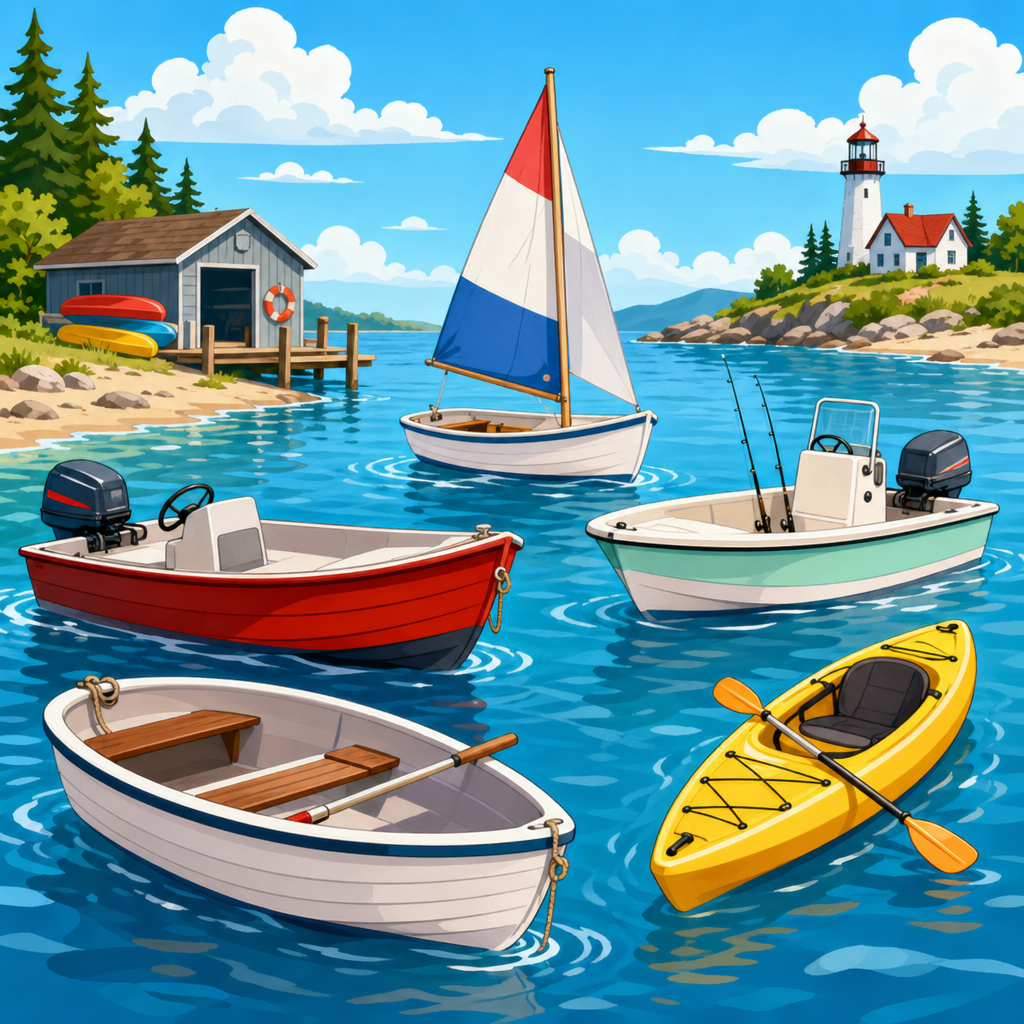
Small boats matter because they are the gateway into boating for families, anglers, hunters, and casual weekend cruisers who want access to the water without committing to yacht-level costs. In the most practical sense, a small boat is typically under 20 feet, trailerable, and powered by modest outboards, electric motors, or even paddles. Within that category, the most affordable boats include jon boats, aluminum fishing boats, compact center consoles, tiller skiffs, used bass boats, inflatables, kayaks, and simple pontoons. This hub article explains how to evaluate those options, where each type excels, what tradeoffs to expect, and how to choose a low-cost boat that fits your water, your towing setup, and your actual use. If you want a clear path to buying a budget-friendly boat with confidence, this guide gives you the framework.
What Makes a Small Boat Truly Affordable?
An affordable small boat has four characteristics: low acquisition cost, low operating cost, low maintenance complexity, and strong resale demand. Those factors matter more than brand prestige. A 14-foot aluminum jon boat with a basic trailer and a 9.9 hp outboard is usually more affordable over five years than a flashy 19-foot fish-and-ski package with aging electronics and a 150 hp motor, even if the larger boat appears to be a bargain upfront. The reason is simple: engines, batteries, pumps, wiring, upholstery, and trailers all age, and every added system creates another repair point.
Hull material is one of the first affordability filters. Aluminum is often the value leader because it is light, durable, and generally cheaper to repair after bumps and scrapes than fiberglass. Fiberglass can offer smoother lines and a softer ride in some hull designs, but older budget fiberglass boats frequently come with soft decks, transom moisture, and gelcoat repairs that erase any initial savings. For first-time buyers, simple aluminum rigs are easier to inspect and less intimidating to own.
Power choice is the next major cost driver. Smaller four-stroke outboards from brands such as Yamaha, Mercury, Suzuki, and Honda are typically fuel efficient and widely serviceable. Tiller steer setups keep costs down because they eliminate steering consoles, cables, and extra hardware. Electric propulsion is increasingly attractive for small lakes and no-wake reservoirs, but buyers should price the full system, including lithium batteries, chargers, and possible upgrades to wiring and trolling motor mounts.
Storage also shapes total cost. If a boat fits in a garage or side yard, ownership becomes dramatically cheaper. Marina slips and dry stack storage can exceed the annual maintenance budget of an entry-level rig. That is why compact beam, trailer weight, and folded dimensions deserve as much attention as horsepower and seating capacity.
Best Affordable Small Boat Types for Different Uses
There is no single best affordable boat for everyone. The right choice depends on where you boat, how many people come with you, and whether you prioritize fishing, utility work, hunting, or relaxed family outings. The categories below consistently offer the strongest value in the small-boat market.
| Boat type | Best use | Main advantage | Main tradeoff |
|---|---|---|---|
| Aluminum jon boat | Ponds, rivers, utility, hunting | Lowest cost and easy maintenance | Basic ride and limited comfort |
| Mod-V aluminum fishing boat | Lakes and mixed family fishing | Versatile layout and light towing | Less offshore capability |
| Compact center console | Inshore fishing and bay use | Good fishability and resale | Higher engine and trailer cost |
| Inflatable boat or RIB | Tenders, small lakes, portability | Easy storage and efficient transport | Tube wear and limited deck space |
| Used bass boat | Freshwater fishing performance | Fast and feature-rich for the price | Aging electronics and motor risk |
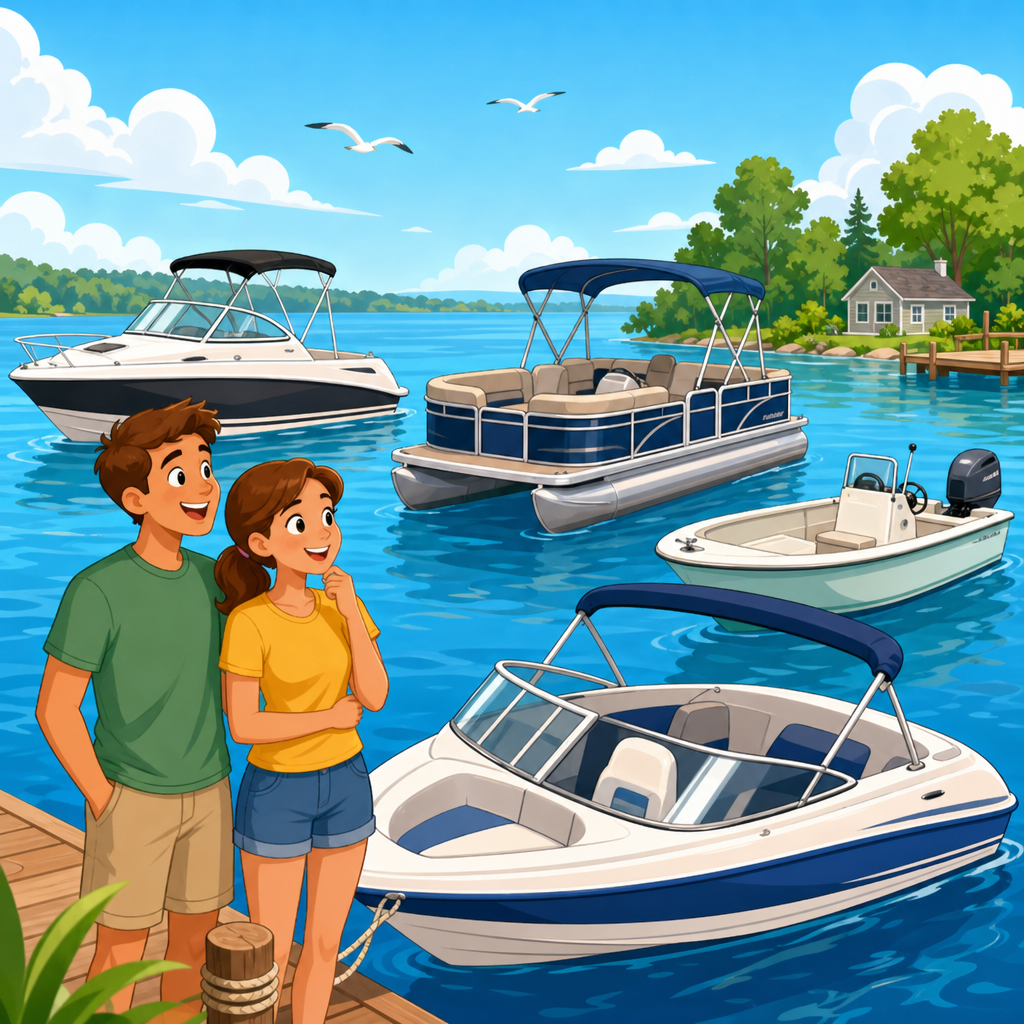
| Small pontoon | Calm-water family cruising | Comfort and seating value | Storage size and wind sensitivity |
| Kayak or canoe | Ultra-budget recreation and fishing | Lowest total ownership cost | Minimal capacity and weather exposure |
Jon boats are usually the cheapest entry point into powered boating. Models from Lowe, Tracker, G3, and Alumacraft are common on the used market, and they are practical because replacement parts, benches, lights, and trailer components are easy to source. A 12- to 16-foot jon boat can handle fishing, duck hunting, light transport, and shoreline exploration at costs that remain manageable for first-time owners.
Mod-V aluminum fishing boats add comfort and versatility. These boats often have pedestal seats, small livewells, basic storage, and a hull shape that rides better than a flat-bottom jon boat. For inland lakes, they strike one of the best balances between budget, fishability, and family usability. Compact center consoles are the affordable path for boaters who need inshore saltwater capability. They cost more, but they also hold value well because demand remains strong in coastal markets.
New vs. Used: Where the Best Value Usually Lives
For most buyers shopping the most affordable boats, used is where the strongest value lives. A well-kept used boat often includes a trailer, safety gear, spare propeller, trolling motor, and electronics for far less than buying new and adding those items later. The key is avoiding deferred maintenance. I have seen many “great deals” become expensive projects because owners skipped compression checks, ignored trailer bearings, or overlooked rotten bunks and cracked tires.
When buying used, inspect the transom, floor, welds or rivets, steering, wiring, fuel lines, and bilge area. On an outboard, ask for service records, engine hours, winterization history, and a cold start. A compression test and lower-unit inspection are worth the effort. Milky gear oil can indicate water intrusion. Uneven compression can signal deeper engine problems. On trailers, check lights, winch strap, axle condition, hubs, brakes if equipped, and tire date codes. Old trailer tires fail from age as often as wear.
New boats offer warranty support, updated safety standards, and predictable maintenance for the first few seasons. They also offer financing, which expands access for some buyers. The downside is depreciation and the cost of dealer-added options. On entry-level packages, buyers should be ruthless about separating essential equipment from nice-to-have extras. A reliable outboard, sound trailer, proper safety gear, and quality battery setup matter more than upgraded upholstery or oversized electronics.
If you are choosing between a new bare-bones package and a carefully maintained used boat from a reputable brand, the used rig is often the smarter buy. If you are comparing a questionable older boat with unknown engine history against a modest new aluminum package, the new option may save money over time. Value is rarely about age alone; it is about condition, simplicity, and serviceability.
Top Budget-Friendly Boat Categories to Prioritize
If your goal is maximum affordability with minimum regret, prioritize categories with proven durability and broad parts support. The first is the aluminum jon boat. It remains the benchmark for practical low-cost ownership because the hull is simple, the layout is easy to clean, and power requirements are small. A used jon boat paired with a tiller outboard can deliver years of utility with basic maintenance.
The second standout is the 14- to 17-foot aluminum deep-V or mod-V fishing boat. This category suits buyers who want more comfort than a jon boat but still need easy towing and modest fuel use. These boats also appeal to a wider resale audience because they work for fishing, family days, and beginner boating. Brands with established dealer networks generally make ownership easier because replacement windshields, seat hardware, and trailer parts are more accessible.
A third value category is the compact inflatable or rigid inflatable boat. For apartment dwellers or buyers without trailer storage, an inflatable can open up boating at a fraction of the normal ownership burden. High-quality PVC and Hypalon models differ in cost and longevity, with Hypalon generally preferred for harsh UV exposure. Small inflatables with portable outboards are especially useful for tenders, protected water recreation, and fishing in limited-access lakes.
Finally, do not overlook paddle craft if your definition of boating is broad. A fishing kayak with a stable hull, good seat, and organized tackle storage can cost far less than any trailered vessel while delivering real access to shallow water and electric-only lakes. For many people, that is the smartest affordable boat purchase because the ownership friction is so low.
Hidden Costs That Decide Whether a Boat Is a Bargain
The cheapest boat to buy is not always the cheapest boat to own. Fuel is the obvious variable, but hidden costs often include registration, insurance, trailer maintenance, battery replacement, impellers, lower-unit service, covers, electronics upgrades, and storage. Even a small outboard needs annual attention if you want reliability. Skipping impeller service or leaving ethanol fuel untreated can turn a manageable budget boat into a repair bill.
Towing costs deserve more attention than many first-time buyers give them. A lightweight aluminum boat can be towed by many crossovers and midsize SUVs, while a heavier fiberglass setup may require a truck, higher fuel consumption, and upgraded hitch equipment. Ramp simplicity matters too. Lighter boats are easier to launch solo, and easy launching increases real usage. Boats that are difficult to trailer often sit unused, which is another form of wasted money.
Safety equipment is not optional, and it should be priced into the purchase from the beginning. U.S. Coast Guard requirements vary by boat and waterway, but common essentials include properly sized life jackets, a throwable flotation device when required, navigation lights, sound-signaling devices, fire extinguishers on applicable boats, and visual distress signals in certain coastal conditions. Buying a boat without budgeting for safe operation is a false economy.
The best approach is to build a first-year ownership budget before shopping seriously. Include purchase price, sales tax if applicable, title and registration, trailer work, initial engine service, batteries, electronics needs, safety gear, and seasonal storage. That number will tell you whether a bargain is real.
How to Choose the Right Affordable Boat for Your Water
Match the boat to the water first, then to your wish list. For small lakes, rivers, protected bays, and ponds, flat-bottom jon boats, mod-V aluminum rigs, and inflatables make financial sense because they are efficient at low speeds and easy to trailer. For bigger lakes with afternoon chop, a deeper-V hull provides a safer and more comfortable ride. For inshore saltwater creeks and bays, a compact center console or skiff with corrosion-conscious rigging is usually the better long-term choice.
Capacity matters as much as length. Two adults with fishing gear can overwhelm a boat that looked spacious on paper. Always check the capacity plate and think honestly about coolers, tackle, batteries, anchors, pets, and children. Also consider where passengers sit. Weight distribution in small boats changes performance and safety quickly.
Be equally realistic about how often you will use the boat. If you plan six to ten trips a year, a simple, low-maintenance setup is almost always the better choice than a feature-heavy platform. Affordable boating is about reducing friction. The easier the boat is to store, hitch, launch, clean, and service, the more often you will use it and the better your cost per trip becomes.
The best small boats that won’t cost a fortune are the ones that keep ownership simple: aluminum hulls, modest horsepower, dependable trailers, and layouts that fit your real boating life. Start with your water type, set a full ownership budget, inspect condition carefully, and favor simplicity over excess. If you are building out your research on the most affordable boats, use this hub as your starting point, then compare specific categories and models with the same question in mind: which boat will stay affordable after the excitement of buying it is gone? Choose that one, and you will spend less time paying for boating and more time actually on the water.
Frequently Asked Questions
What makes a small boat truly affordable beyond the purchase price?
A small boat is only truly affordable when the total cost of ownership stays manageable year after year. The purchase price matters, but it is only the starting point. A boat that seems cheap upfront can quickly become expensive if it requires a large tow vehicle, high fuel consumption, costly storage, or frequent repairs. In practical terms, affordability includes the initial price, engine size, fuel efficiency, trailer weight, insurance premiums, registration fees, winterizing, cleaning supplies, batteries, and regular maintenance such as impeller service, oil changes, and trailer tire replacement.
For most budget-conscious buyers, the best value comes from simple boats with dependable outboards, modest horsepower requirements, and fewer complex systems to fail. Aluminum fishing boats, tiller-powered utility boats, small center consoles, compact skiffs, and entry-level pontoons often make the most sense because they are easier to tow, cheaper to store, and less expensive to run than larger fiberglass models with more electronics and features. When comparing options, it helps to think in terms of annual ownership costs instead of sticker price alone. A boat that costs a little more initially but burns less fuel, fits in your driveway, and needs less upkeep is often the smarter long-term buy.
What are the best types of small boats for buyers on a tight budget?
The best small boats for buyers on a tight budget are usually the ones that balance versatility, durability, and low operating costs. Aluminum fishing boats are among the strongest candidates because they are relatively lightweight, easy to trailer, resistant to minor bumps and scrapes, and inexpensive to power with small outboard engines. They work especially well for lakes, rivers, and calm inland waters. Small jon boats also rank high for affordability because of their simple layout and low maintenance demands, making them a favorite among anglers and first-time boat owners.
Compact skiffs and basic center console boats can also be excellent values, particularly for buyers who want a little more flexibility for fishing, cruising, or nearshore use. If family comfort is a bigger priority, a smaller pontoon boat may still be affordable, especially in entry-level trim with a modest engine. Used bowriders can sometimes be budget-friendly too, but buyers need to inspect them carefully because older runabouts may come with hidden maintenance issues. In many cases, the most affordable category is the boat that matches your actual use. If you only fish on small lakes, you do not need a larger multi-purpose setup. Choosing a simpler boat that fits your water, passenger count, and towing situation is usually the best way to keep costs under control.
Is it better to buy a new small boat or a used one if I want to save money?
That depends on your budget, your mechanical confidence, and how much risk you are willing to accept. A used small boat often offers the lowest entry price and can be an excellent value if it has been properly maintained. Many first-time buyers save thousands by purchasing a clean used aluminum boat, skiff, or basic center console with a reliable outboard and trailer included. In the best-case scenario, the first owner has already absorbed the early depreciation, and you get a functional package at a much lower cost than buying new.
However, used boats can become expensive quickly if there are hidden problems. Soft flooring, water intrusion, neglected trailers, corroded wiring, cracked fuel lines, and outboard issues can turn a bargain into a money pit. That is why inspections matter so much. Buyers should check service records, compression on the engine when possible, hull condition, trailer lights, tires, bearings, steering, and electronics. A water test is ideal. A new boat, by contrast, costs more upfront but usually offers a warranty, cleaner history, updated features, and fewer immediate repairs. For buyers who want predictability and minimal hassle, new may be worth the extra money. For buyers who are patient, informed, and willing to inspect carefully, used can deliver the best overall savings.
How much should I budget each year to own and maintain an affordable small boat?
Annual ownership costs vary based on boat size, engine type, location, and how often you use it, but even an affordable small boat should be budgeted realistically. Beyond loan payments, if any, owners should expect recurring costs for fuel, insurance, registration, seasonal maintenance, trailer upkeep, safety gear, cleaning supplies, and off-season storage if the boat cannot stay at home. A simple small outboard boat stored in a driveway and used modestly may cost relatively little each year compared with a larger boat kept at a marina, but it will still require consistent spending to remain safe and reliable.
A practical approach is to build a yearly budget that includes both routine and unexpected expenses. Routine costs may include oil and lower-unit service, spark plugs, batteries, trailer tires, wheel bearings, and cover replacement over time. Unexpected costs might include pump failures, electrical problems, prop damage, or weather-related wear. First-time owners often underestimate these items because they focus on the sales price alone. In my experience, the easiest way to keep annual costs low is to choose a boat with a smaller outboard, avoid unnecessary complexity, store it at home if possible, and stay ahead of maintenance rather than postponing it. Preventive care almost always costs less than reactive repairs.
What should first-time buyers look for when comparing inexpensive small boats?
First-time buyers should focus on practicality before appearance or extra features. The right questions are simple: Can your vehicle tow it safely? Can you store it at home? Is the engine size appropriate for economical operation? Does the layout fit how you will actually use the boat? A low-priced boat is not a good deal if it is too heavy for your tow setup, too large for your storage space, or too specialized for your needs. Buyers should also think about passenger capacity, local water conditions, and whether they want to fish, cruise, or do a bit of both.
It is also important to compare build quality, motor reputation, trailer condition, and the availability of replacement parts. A basic, well-supported model from a known manufacturer is often a smarter purchase than a flashy bargain from a less proven brand. Pay close attention to the engine hours, maintenance records, hull integrity, wiring, transom condition, and signs of neglect. If buying used, look for evidence that the boat was covered, serviced regularly, and stored properly. If buying new, compare warranty coverage and dealer support just as closely as the price tag. The best inexpensive small boat is not the one with the lowest number on the ad. It is the one that stays affordable, reliable, easy to use, and enjoyable for several seasons to come.