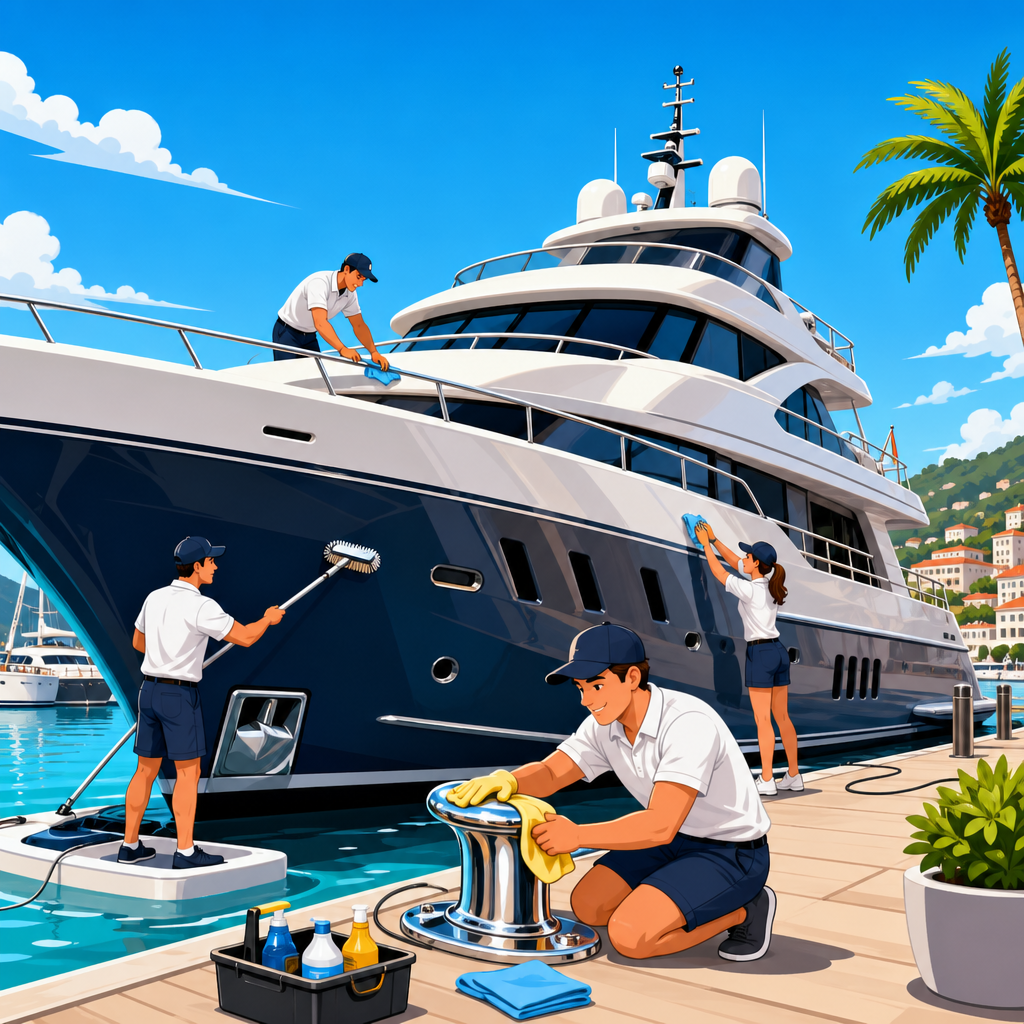
Maintaining and caring for a multi-million dollar yacht is less about occasional cleaning and more about running a floating asset with the discipline of a boutique hotel, a small ship, and a high-performance machine. In the luxury yachts and high-end boats market, proper maintenance protects value, preserves safety, controls operating costs, and keeps the owner experience seamless. A yacht in this context usually means a professionally managed vessel with complex propulsion, hotel systems, navigation electronics, tenders, and premium interior finishes. High-end boats may range from fast sport yachts to long-range trideck motor yachts and performance sailing yachts, but the maintenance principle stays the same: every system ages every day, whether the boat is moving or not.
I have seen the difference between reactive ownership and structured care on vessels from 60 to 180 feet, and the pattern is consistent. Boats with documented maintenance plans, experienced crew, and scheduled yard periods feel newer, sell faster, and suffer fewer disruptive failures. Boats treated like waterfront real estate instead of engineered vehicles accumulate hidden problems: galvanic corrosion behind panels, moisture intrusion in joinery, clogged sea strainers, contaminated fuel, software mismatches in bridge systems, and underperforming air conditioning in peak season. Because luxury yachts combine marine engineering, hospitality standards, and luxury finishes, owners need a whole-vessel approach. This guide explains how to maintain a multi-million dollar yacht, what matters most by system, and where owners should focus attention if they want reliability, resale strength, and fewer unpleasant surprises.
Build a preventive maintenance program, not a repair list
The best yacht maintenance program starts with a written schedule based on manufacturer intervals, class recommendations where applicable, and real operating conditions. Engine hours matter, but calendar time matters too. Main engines, generators, stabilizers, watermakers, sewage treatment systems, HVAC plants, and battery banks all have service items that expire by time, usage, or both. A proper maintenance matrix tracks daily, weekly, monthly, quarterly, annual, and haul-out tasks. On well-run yachts, the captain or engineer uses software such as IDEA YACHT, Seahub, or dedicated planned maintenance systems to assign tasks, store manuals, log defects, and preserve service history for surveyors and future buyers.
Preventive maintenance lowers total ownership cost because marine failures multiply. A neglected raw-water impeller can lead to overheating; overheating can damage exhaust hoses; failed hoses can flood an engine room. A missed seal inspection on a shaft or pod system can escalate into expensive haul-out work. The same is true for cosmetic care. Small cracks in caulking around deck fittings may look minor, yet they allow water migration into coring, headliners, and electrical runs. Owners should insist on maintenance meetings with the captain, engineer, and management company, with a current defect list ranked by safety, operational impact, cosmetic impact, and budget.
For this luxury yachts and high-end boats hub, one principle ties every subtopic together: maintain systems before they announce themselves. Waiting for visible failure is the most expensive maintenance strategy on the water.
Protect the hull, topsides, and exterior finishes
The hull and superstructure are the yacht’s first line of defense and one of its biggest value drivers. Gelcoat, painted topsides, teak decking, stainless steel, glass, and carbon fiber all need different care methods. Painted superyacht finishes, often Awlgrip or Alexseal systems, should be washed with soft water, pH-neutral soap, and clean microfiber tools to avoid micro-scratching. Hard water spotting, black streaks from scuppers, and salt accumulation shorten finish life. On dark hull colors, heat loading and swirl marks are especially unforgiving, so aggressive compounding should be minimized and entrusted to detailing specialists.
Below the waterline, anti-fouling paint, propeller coatings, anodes, and running gear inspections are non-negotiable. Fouling increases drag, raises fuel burn, reduces speed, and stresses engines. In warm marinas, I have seen measurable performance loss within weeks. Divers should inspect hulls regularly, especially around intakes, thrusters, stabilizer fins, transducers, trim tabs, and propellers. The right interval depends on water temperature, salinity, and berth conditions. Zinc, aluminum, or magnesium anodes must match the operating environment and bonding system. If anodes are disappearing too quickly, the vessel may have stray current issues that require immediate electrical diagnosis.
Teak care deserves restraint. Over-scrubbing with stiff brushes removes soft grain, thins the deck, and creates uneven color. Modern best practice favors gentle washing, minimal chemical brighteners, and timely re-caulking before seams fail. Exterior hardware should be rinsed after every trip, dried where possible, and inspected for crevice corrosion around fasteners and bases. Luxury yacht exterior care is not cosmetic vanity; it is structural preservation and resale management.
Maintain engines, generators, and fuel systems with commercial discipline
Main engines and generators determine whether a yacht is dependable or frustrating. Whether the vessel runs MAN, MTU, Caterpillar, Volvo Penta IPS, Cummins, or Scania power, service intervals must follow both hours and manufacturer bulletins. Oil analysis is one of the most useful predictive tools in yacht engine maintenance because it can reveal coolant intrusion, fuel dilution, excessive wear metals, and combustion issues before breakdown occurs. Coolant analysis is just as important, especially on modern high-output engines with tightly controlled operating temperatures.
Fuel quality is another frequent weak point. Diesel ages, grows microbes in the water-fuel interface, and carries sediment from poorly maintained tanks. A yacht that sits for extended periods should have tanks monitored, polished when needed, and kept with effective water separation. Primary and secondary filters should be changed on schedule, with spares onboard and crew trained for underway replacement. I strongly recommend periodic borescope inspections, alignment checks, exhaust lagging inspections, and thermal imaging of engine room components, particularly after major service or refit work.
| System | Key Maintenance Task | Typical Interval | Why It Matters |
|---|---|---|---|
| Main engines | Oil, filters, impellers, belt and hose inspection | By hours and annually | Prevents overheating, wear, and power loss |
| Generators | Load testing and cooling system service | Quarterly and by hours | Protects hotel power and battery charging |
| Fuel system | Tank inspection, fuel polishing, filter changes | Seasonally or as needed | Reduces contamination and injector damage |
| Running gear | Shaft, seal, propeller, and bearing checks | At haul-out and vibration events | Improves efficiency and avoids leaks |
Do not overlook vibration. A new hum, resonance, or temperature change usually means something shifted. Prop damage, line strike, cutless bearing wear, or misalignment can become major repairs if ignored. On high-end boats with joystick systems or pods, software updates and authorized service support are part of normal care, not optional extras.
Keep electrical, navigation, and onboard technology reliable
Modern yachts are power-hungry digital platforms. They rely on AC and DC distribution, inverters, chargers, shore power management, lithium or AGM battery banks, integrated bridge systems, satellite communications, vessel monitoring, and entertainment networks. The most common failures are not dramatic; they are cumulative. Loose terminals create heat. Corroded grounds cause intermittent alarms. Outdated charting software creates navigation risk. Poorly installed aftermarket equipment overloads circuits or introduces network conflicts on NMEA 2000 and Ethernet-based systems.
Electrical maintenance should include insulation checks where appropriate, thermal scans of panels under load, battery testing, shore power cable inspections, and verification of galvanic isolators or isolation transformers. Battery health deserves special attention because weak banks cascade into generator overuse, electronics instability, and emergency-start anxiety. Navigation equipment should be updated before the cruising season, not on departure day. Radar, AIS, GPS, autopilot, depth sounders, night vision, and digital switching systems all need periodic testing in realistic operating conditions.
Cybersecurity now belongs in yacht care. Password hygiene, segmented guest networks, updated firmware, and access control for remote monitoring systems are basic safeguards. Luxury yacht owners increasingly expect seamless connectivity, but convenience should not compromise vessel control systems or owner privacy.
Preserve interiors, hotel systems, and guest experience
A multi-million dollar yacht is also a luxury hospitality environment, and interior neglect is immediately visible. Climate control is the foundation. Chilled-water or direct-expansion air conditioning systems must be descaled, strainers cleaned, condensate drains cleared, and air handlers serviced to prevent odor, mold, and poor cooling. Humidity control during lay-up is essential for protecting headliners, veneers, soft furnishings, artwork, and electronics. I have walked aboard immaculate-looking yachts that hid major mildew problems behind cabinetry because dehumidification was inconsistent.
Freshwater systems need sanitizing, pump checks, leak monitoring, and watermaker maintenance. Watermakers are excellent equipment when used and serviced correctly, but membranes foul quickly if preservation procedures are skipped. Blackwater and graywater systems require strict flushing protocols, tank sensor cleaning, vent maintenance, and treatment-system service. Most bad smells on yachts come from neglected sanitation systems, not from the sea.
Interior finishes should be cleaned with material-specific products. Marble, lacquer, leather, wool carpeting, brushed metals, and custom woods react differently to heat, UV, and cleaning chemicals. Window treatments, mattress ventilation, appliance servicing, and galley equipment calibration all affect owner satisfaction. On charter-oriented yachts especially, interior standards shape reputation as much as speed or styling.
Manage crew, compliance, and shipyard periods professionally
Even the best equipment deteriorates under weak operating discipline. Crew training, handover procedures, and checklists are central to yacht care. Deck crew should know washdown methods, line handling wear points, tender launch systems, and exterior inspection routines. Engineers need robust logs, spare parts inventory control, and the authority to stop small issues becoming expensive ones. Captains should run pre-departure, post-arrival, and monthly safety checks covering firefighting gear, EPIRBs, life rafts, bilge alarms, navigation lights, and emergency steering arrangements.
Compliance matters because maintenance and regulation overlap. Depending on size, flag, and area of operation, a yacht may be subject to flag-state requirements, class surveys, ISM-related procedures, crew certification standards, and equipment inspection deadlines. Records should be audit-ready. Service invoices, oil samples, survey reports, and refit drawings help owners prove stewardship and support resale value. Buyers of luxury yachts and high-end boats pay close attention to paperwork because a pristine engine room without service history still creates doubt.
Shipyard periods deserve project management, not guesswork. Successful yard stays begin with a detailed work list, equipment lead times, contractor scope, quality-control checkpoints, and a contingency budget. Cosmetic jobs should be sequenced around technical access. If paintwork, stabilizer service, teak repair, and electronics upgrades all happen at once, one delayed trade can disrupt the schedule. A disciplined yard period is where a yacht gains another strong season instead of inheriting a year of unresolved snags.
Plan ownership around lifecycle cost, resale, and specialist support
Yacht maintenance is ultimately about protecting lifecycle value. Annual operating budgets for high-end boats commonly land around 10 percent of asset value, sometimes more for older vessels or heavy use. That figure covers crew, dockage, insurance, routine maintenance, and periodic capital work such as paint, soft goods, electronics replacement, and major engine service. Owners who underbudget typically defer invisible maintenance first, then face compressed resale value later. Survey deficiencies, faded finishes, outdated AV systems, tired teak, and neglected machinery give buyers leverage immediately.
Specialist support improves outcomes. Independent marine surveyors, engine-authorized technicians, paint inspectors, riggers for sailing yachts, and reputable management firms all reduce owner risk. The best ownership teams review maintenance trends annually: recurring alarms, rising generator hours, abnormal fuel burn, battery decline, HVAC trouble spots, and warranty history. Those patterns show when it is time to refit, replace, or change operating habits.
As the hub for luxury yachts and high-end boats, this guide points to the central truth of the category: exceptional ownership is structured, documented, and proactive. Maintain the yacht as a system, not as a series of isolated repairs. Protect the hull and finishes, service machinery on schedule, verify electrical and navigation integrity, preserve interior environments, and treat crew management and shipyard time as strategic tools. Do that consistently, and the yacht will deliver what owners actually paid for: reliability, comfort, pride of ownership, and stronger resale appeal. If you own, manage, or are shopping this class of vessel, start with a written maintenance plan and review it today.
Frequently Asked Questions
What does it really take to maintain a multi-million dollar yacht properly?
Maintaining a multi-million dollar yacht requires a structured, year-round management approach rather than occasional cleaning or reactive repairs. These vessels operate like a combination of a luxury hospitality venue, a high-performance engineering platform, and a safety-critical commercial asset. Proper care includes planned maintenance for engines, generators, stabilizers, air conditioning, watermakers, electrical systems, navigation equipment, hydraulics, safety gear, and all onboard hotel systems. It also includes exterior washing, teak and paint care, corrosion prevention, interior detailing, linen and inventory control, and continual monitoring of wear in high-use areas. On a professionally managed yacht, maintenance is typically scheduled through a formal system that tracks service intervals, inspections, parts replacement, class requirements where applicable, flag-state compliance, and manufacturer recommendations.
Just as important, proper yacht care depends on having the right people and processes in place. Captains, engineers, deck crew, stewardesses, shore-based managers, and specialist contractors all play a role in preserving the vessel’s performance and value. Daily, weekly, monthly, and annual routines are essential because small issues offshore can quickly become expensive or dangerous if ignored. A minor leak, a battery problem, early corrosion, software faults in bridge electronics, or deferred servicing on propulsion equipment can escalate into major downtime and six-figure repair bills. In practical terms, excellent yacht maintenance means treating every system as mission-critical, documenting everything, and staying ahead of problems before they affect safety, guest comfort, or resale value.
How often should a luxury yacht be serviced and inspected?
A luxury yacht should be serviced continuously according to a layered schedule that includes daily checks, routine weekly and monthly inspections, seasonal servicing, and major annual or shipyard periods. There is no single calendar that fits every vessel because maintenance frequency depends on size, engine hours, cruising patterns, climate, equipment load, and whether the yacht operates privately or with charter use. That said, professional practice is highly disciplined. Crew typically perform daily machinery-space walk-throughs, monitor fluid levels, inspect bilges, test alarms, check navigation and communication equipment, and look for leaks, vibration, abnormal temperatures, and electrical irregularities. Exterior washdowns, salt removal, and cosmetic upkeep also happen constantly because UV exposure, salt, and humidity are relentless on yachts.
Beyond daily care, manufacturers usually specify service intervals for engines, generators, stabilizers, thrusters, pumps, and other mechanical systems based on running hours and elapsed time. Annual haul-outs are common for underwater hull inspection, antifouling, propeller and shaft checks, anode replacement, through-hull servicing, and running gear assessment. Safety equipment such as life rafts, fire suppression systems, EPIRBs, and extinguishers must be inspected and recertified on schedule. Bridge electronics, software updates, HVAC systems, refrigeration, blackwater and greywater systems, and onboard tenders also need recurring service. The most effective owners and managers do not ask, “How little maintenance can we get away with?” They ask, “What schedule minimizes downtime, protects value, and keeps the yacht guest-ready at all times?” That mindset is what preserves a high-end vessel over the long term.
What are the biggest maintenance priorities that protect a yacht’s value?
The biggest maintenance priorities are hull and paint condition, machinery reliability, corrosion control, interior preservation, and complete maintenance documentation. From a resale and ownership-cost perspective, appearance and mechanical credibility are inseparable. A yacht with tired paint, neglected teak, staining, rust marks, and worn interior finishes immediately signals deferred maintenance to surveyors and buyers. Likewise, immaculate cosmetics mean very little if engines, generators, stabilizers, hydraulic systems, and electrical infrastructure have not been serviced correctly. Serious buyers, brokers, insurers, and technical surveyors look for evidence that the yacht has been cared for systematically, not cosmetically dressed up before a sale.
Corrosion prevention deserves special emphasis because it is one of the most persistent threats to long-term yacht condition. Salt air, galvanic activity, moisture intrusion, and dissimilar metals can quietly damage fittings, electrical connections, machinery components, and structural elements. Preventing corrosion requires vigilant cleaning, protective coatings, anode monitoring, proper bonding, dry bilges, and regular inspection of hidden spaces. Interior care also matters more than many owners expect. Premium woods, fabrics, stone, leather, and custom finishes are costly to repair and can deteriorate quickly under UV exposure, humidity, poor ventilation, or heavy guest use. Finally, thorough records add measurable value. A yacht with organized service logs, invoices, class or compliance records, oil analysis reports, refit history, and scheduled maintenance tracking is easier to insure, easier to survey, and often more attractive in the market because the vessel’s care history is transparent and credible.
How do owners control yacht maintenance costs without cutting corners?
Controlling yacht maintenance costs starts with prevention, planning, and disciplined asset management rather than delaying service. The most expensive yacht repairs usually come from neglected basics: skipped engine maintenance, untreated corrosion, water intrusion, outdated electronics, deferred seal replacement, or cosmetic deterioration that spreads until a larger refit is unavoidable. A proactive maintenance program helps owners avoid emergency callouts, peak-season yard premiums, rushed parts sourcing, and avoidable downtime that disrupts cruising or charter revenue. In other words, good maintenance does cost money, but poor maintenance usually costs much more.
Owners can manage costs intelligently by using annual budgets, lifecycle replacement plans, and detailed maintenance schedules tied to actual vessel usage. It is also wise to bundle work during scheduled shipyard periods, compare specialist vendors carefully, maintain an onboard spares inventory for critical systems, and rely on experienced crew who can identify issues early. Choosing quality parts and qualified technicians is usually more economical over time than accepting cheap repairs that fail prematurely. Another smart strategy is condition monitoring, such as oil analysis, vibration analysis, thermal imaging, and regular system diagnostics, because these tools can detect developing issues before they turn into major failures. The goal is not to spend less at any cost; it is to spend predictably, strategically, and at the right time so the yacht remains safe, reliable, and marketable.
Should yacht maintenance be handled by crew, outside specialists, or a management company?
For a multi-million dollar yacht, the best approach is usually a coordinated combination of onboard crew, specialist contractors, and professional yacht management. Crew are essential for daily care, routine inspections, cleaning, inventory management, operational checks, and immediate response to developing issues. They are the first line of defense in protecting the yacht’s condition because they see the vessel every day and understand how systems behave in real-world use. A strong captain and engineer can identify unusual sounds, temperature shifts, performance changes, cosmetic deterioration, and small defects long before they become serious problems. That daily attention is invaluable and cannot be replaced by occasional service visits alone.
However, many systems on a large, high-end yacht are too specialized or too compliance-sensitive to rely on crew alone. Main engines, generators, dynamic positioning or advanced navigation electronics, AV/IT networks, stabilization systems, paint refinishing, major HVAC work, and class or flag-related inspections often require factory-trained technicians or approved service companies. A yacht management company can add another layer of protection by overseeing budgets, maintenance planning, compliance, documentation, contractor coordination, purchasing, and refit scheduling. This is especially useful for owners who want a seamless ownership experience and consistent asset protection. The key is clarity of responsibility: crew should handle what must be monitored and maintained continuously, specialists should handle technical or regulated work, and management should ensure everything is scheduled, documented, and executed to a professional standard.